TL;DR
- A 2-1 buydown reduces initial mortgage payments by subsidizing interest for the first two years.
- Builders employ this strategy to stimulate sales in elevated interest rate environments without reducing home prices.
- Buyers benefit from lower early payments, providing flexibility to refinance if rates decline, provided the arrangement aligns with long-term financial goals.
Understanding the 2-1 Buydown
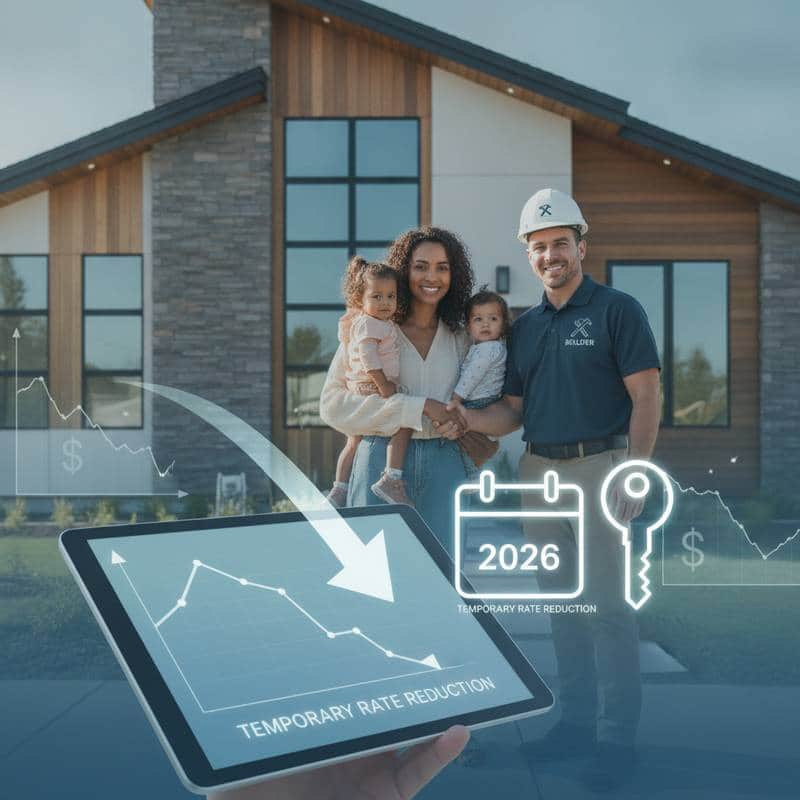
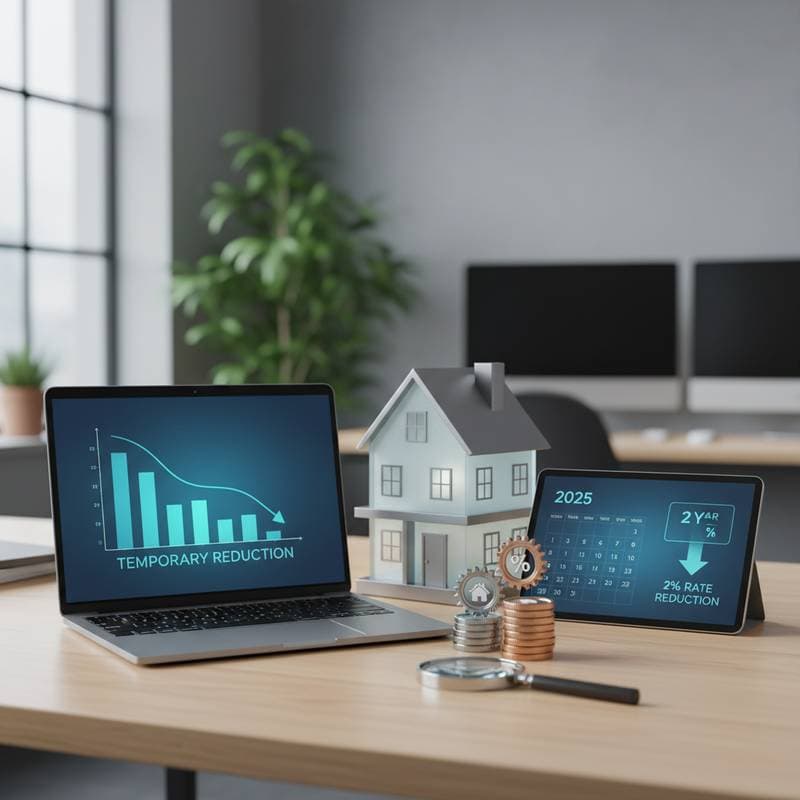
A 2-1 buydown represents a temporary interest rate reduction on a mortgage. In this structure, the interest rate decreases by 2 percentage points below the note rate for the first year and by 1 percentage point for the second year. After year two, payments revert to the full note rate for the remainder of the loan term.
This mechanism functions through prepaid interest funds, often deposited into an escrow account by the builder or seller. Lenders apply these funds to cover the interest differential each month, effectively lowering the borrower's out-of-pocket payments during the initial period. For example, on a 30-year fixed-rate mortgage at 7 percent, a 2-1 buydown might adjust the effective rate to 5 percent in year one and 6 percent in year two.
Buyers should note that the underlying loan rate remains unchanged; only the early payments are subsidized. This distinction ensures the strategy supports affordability without altering the home's appraised value or loan qualification metrics.
Reasons Builders Increasingly Offer 2-1 Buydowns
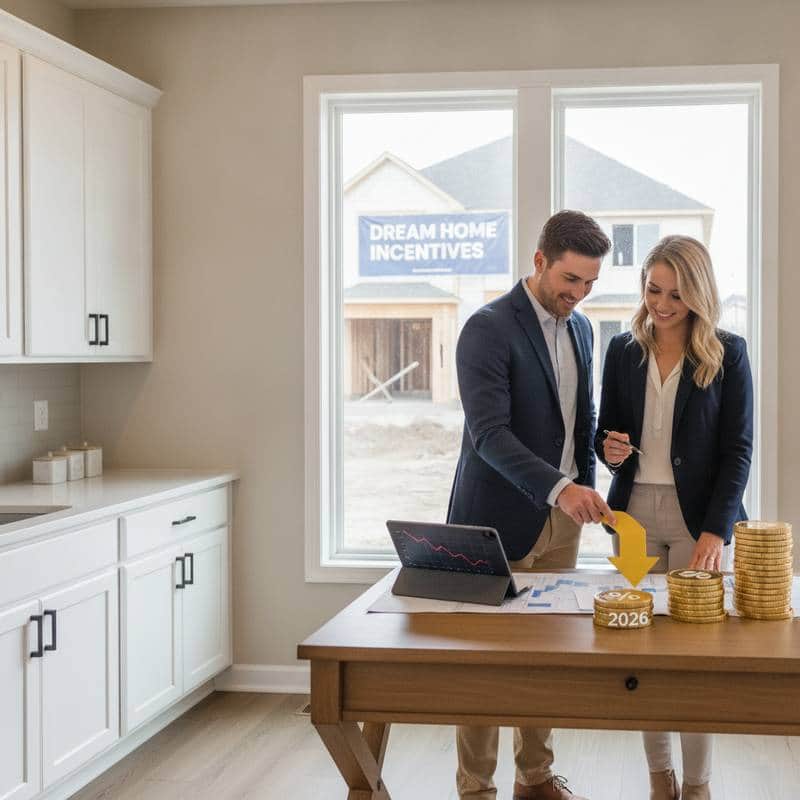
Elevated mortgage rates often deter potential homebuyers, leading to slower sales cycles for new construction. Builders respond by incorporating 2-1 buydowns as an incentive, allowing them to maintain list prices while addressing buyer concerns about immediate affordability.
This approach preserves community value, as price reductions could negatively impact recent sales and future appraisals. By funding the buydown, typically at 2 to 3 percent of the loan amount, builders demonstrate commitment to market stability and buyer success.
Market data indicates that such incentives have become prevalent in 2025, particularly in regions with persistent high rates. Builders integrate these offers into marketing materials, from virtual tours to promotional emails, emphasizing the relief they provide without compromising project profitability.
Benefits for Homebuyers in a High-Rate Environment
For first-time or budget-conscious buyers, a 2-1 buydown eases the transition into homeownership. Lower initial payments free up cash flow for essential expenses, such as moving costs or home improvements, during the settling-in phase.
Consider a $400,000 loan at 7 percent interest, resulting in a principal and interest payment of approximately $2,661 monthly. With a 2-1 buydown, this could decrease to about $2,147 in the first year and $2,404 in the second, yielding savings of over $6,000 across those two years.
This financial cushion also positions buyers to monitor market conditions for refinancing opportunities. If rates fall, homeowners can secure a lower permanent rate, potentially amplifying the buydown's value.
Advantages for Builders
Builders leverage 2-1 buydowns to sustain inventory turnover and project timelines. By avoiding price cuts, they protect profit margins and uphold perceived property values within developments.
This incentive fosters buyer loyalty and positive word-of-mouth, enhancing the builder's reputation. In competitive markets, it differentiates new constructions from existing homes, where similar subsidies are less common.
Ultimately, the strategy aligns builder and buyer interests, promoting steady sales volumes even amid economic uncertainty.
Steps to Secure a 2-1 Buydown
Prospective buyers should inquire about available incentives early in the home selection process. Review builder contracts and lender options to confirm buydown availability, as some require using the builder's preferred financing.
Calculate the long-term impact by modeling payment schedules with and without the buydown. Tools provided by lenders can illustrate how the temporary reduction affects overall loan costs, including any associated fees.
If under contract, negotiate inclusion of the buydown as a closing credit. Consult a financial advisor to ensure the structure complements your budget and plans for future rate changes.
Evaluating Long-Term Suitability
A 2-1 buydown suits buyers planning to remain in the home for at least five years, allowing time to recoup savings through refinancing or equity growth. Those anticipating frequent moves may find the benefit limited, as the subsidy ends after year two.
Assess personal financial stability alongside market forecasts. In a declining rate environment, this tool maximizes early affordability while preserving options for adjustment.
Homebuyers who embrace these strategies often discover pathways to ownership that balance current challenges with future security, turning high-rate hurdles into manageable steps toward lasting investment.