I Almost Skipped the 2-1 Buydown, Until I Did the Math
The moment arrived at the kitchen table, coffee in hand, as mortgage estimates piled up. Excitement mingled with anxiety during the home-buying process. A friend introduced the concept of a 2-1 buydown, which initially seemed like a complex lender favor. Further investigation revealed potential savings of tens of thousands of dollars.
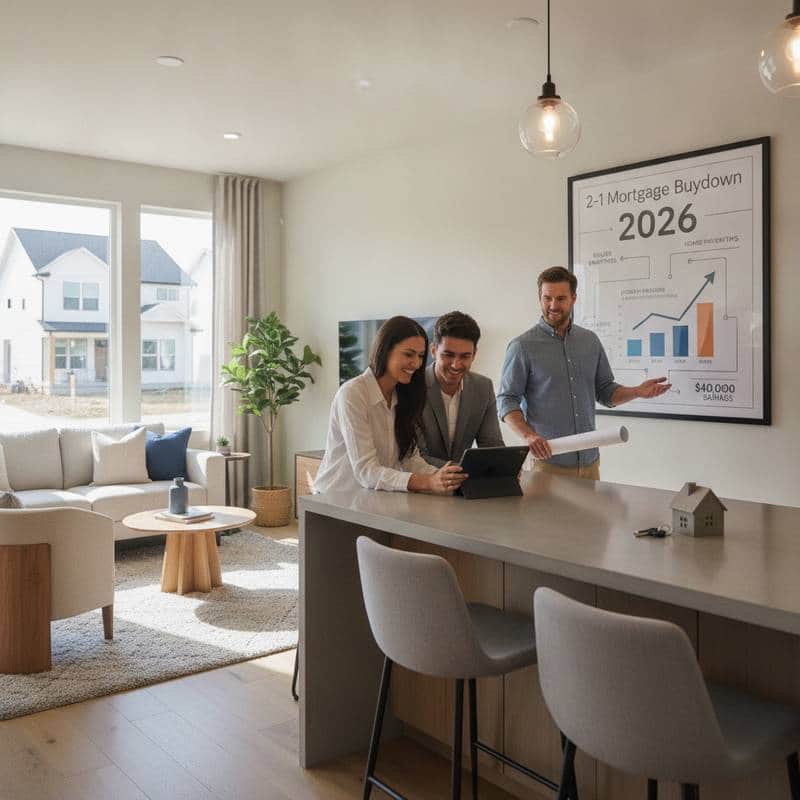
Homebuyers preparing for a purchase should consider this option carefully. It delivers lower initial payments alongside a fixed long-term rate. When applied strategically, the approach yields approximately $40,000 in savings over the mortgage term.
What Exactly Is a 2-1 Buydown?
A 2-1 buydown provides a temporary reduction in the interest rate for a fixed-rate mortgage. The rate decreases by two percentage points during the first year and one percentage point in the second year, then reverts to the original rate thereafter.
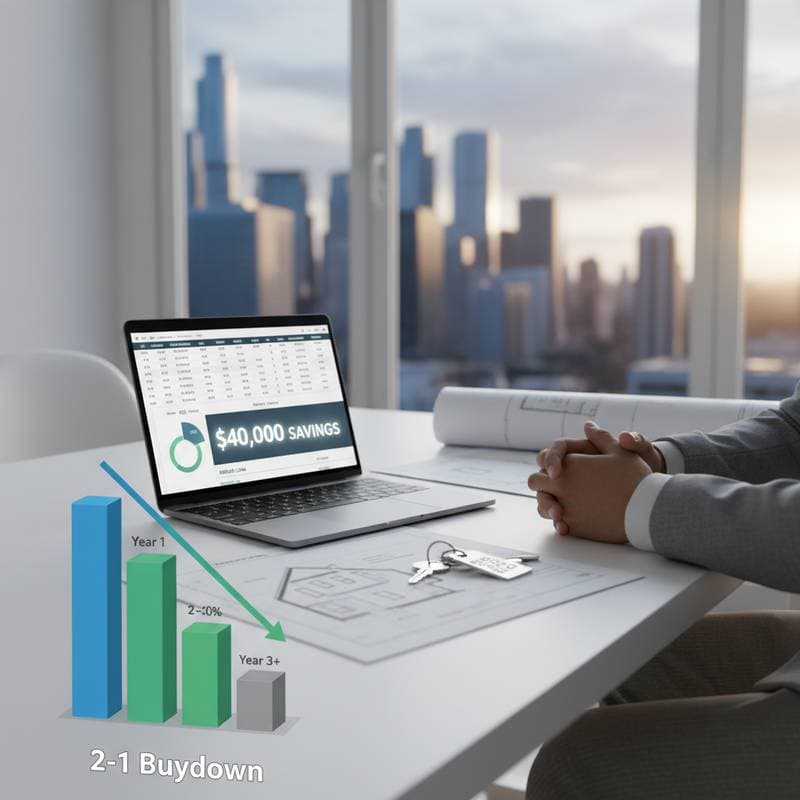
Consider a locked rate of 6 percent. Payments reflect 4 percent in year one and 5 percent in year two. The interest differential receives prepayment from the builder or seller as an incentive. This setup offers a short-term financial buffer to ease the transition into homeownership.
The structure appeals because it allows time to acclimate to new responsibilities. Reduced payments facilitate covering relocation costs or implementing minor improvements, such as updating fixtures or enhancing curb appeal.
Why Builders and Lenders Promote It
Builders increasingly offer 2-1 buydowns to draw in buyers concerned about affordability amid rising rates. This tactic addresses payment hesitations without altering the home price directly. Rather than reducing the sale price, builders provide the buydown to maintain property value while improving buyer access.
Buyers benefit significantly from this arrangement. The funding originates from the seller or builder, leaving the buyer free of additional outlay. The fixed rate remains intact, yet initial payments decrease, allowing a gradual adjustment to ownership finances.
Lenders view it as a tool to close deals in competitive markets. It aligns with broader trends where incentives bridge affordability gaps, particularly for new constructions where timing influences buyer decisions.
How the Savings Accumulate
Examine a $600,000 loan at 6 percent interest. A 2-1 buydown adjusts the rate to 4 percent for the first year and 5 percent for the second. The monthly payment difference over these periods accumulates to $40,000 or greater in total savings.
These funds support practical investments like furnishing essentials or outdoor enhancements. Homeowners often allocate them toward efficiency upgrades, including better sealing or modern appliances. Such choices not only enhance daily living but also increase the property's long-term worth.
To calculate precisely, use an online mortgage calculator. Input the loan amount, original rate, and buydown adjustments to see personalized impacts. This step reveals how even modest rate reductions compound into substantial relief.
Is It the Right Choice for You?
This option suits buyers intending to remain in the home long enough to leverage the initial reductions without facing undue pressure from the eventual rate normalization. It proves ideal if refinancing appears likely after rates decline or income rises.
Opt for it when the builder includes the buydown as a no-cost incentive. Verify that their contribution fully funds the program to avoid unexpected personal expenses. Assess your financial timeline to ensure alignment with post-buydown payments.
Key Advantages
- Early financial ease: Reduced payments for the first two years accommodate adjustment to ownership costs.
- Stable transition: The rate returns to the fixed original after year two, eliminating uncertainty.
- Incentive value: Builders typically absorb the full expense, minimizing buyer risk.
- Budget support: Savings assist with setup expenses like repairs or decor without incurring further borrowing.
Potential Limitations
- Short-term nature: Payments rise after two years, requiring forward planning.
- Budget sensitivity: Those with stagnant income may find the rate reversion challenging.
- Availability constraints: Not every lender or mortgage product supports buydowns, necessitating comparison shopping.
Strategies to Maximize Benefits
- Inquire about offers promptly. Builders might omit details on buydowns unless prompted during negotiations.
- Evaluate alternatives. Certain lenders provide permanent buydowns for sustained rate benefits.
- Forecast full payments. Project budgets to include the third-year amount from the outset.
- Allocate savings strategically. Direct portions toward reserves for rate changes or property enhancements.
- Review terms thoroughly. Confirm compatibility with your loan and absence of concealed charges.
Consult a mortgage professional to simulate scenarios based on your credit and down payment. This ensures the buydown integrates seamlessly with other financing elements, such as closing costs or reserves.
Integrating It into Your Financial Plan
Home financing extends beyond calculations to encompass lifestyle and growth aspirations. A 2-1 buydown introduces flexibility during the settling-in phase, where unforeseen costs arise frequently. It prevents budget strain while fostering a sense of security.
For new builds, builders prefer incentives over price cuts to preserve community standards. This preserves resale potential while delivering tangible early advantages to you. The result eases the initial years, allowing focus on personalization rather than financial worry.
View it as a component of a comprehensive strategy. Factor in career progression, relocation possibilities, and comfort with escalating payments. Thoughtful incorporation paves the way for enduring financial equilibrium.
Securing Long-Term Homeownership Confidence
Beyond monetary gains, a 2-1 buydown fosters adaptability amid major life shifts. First-time buyers or those relocating find it invaluable for smoothing the path forward. Discuss its applicability with your lender or builder to determine fit within your objectives.
This tool empowers informed decisions, turning potential hurdles into opportunities. By prioritizing early stability, you position yourself for sustained enjoyment and equity growth in your new home.