What Is Hempcrete and Why Does It Matter?
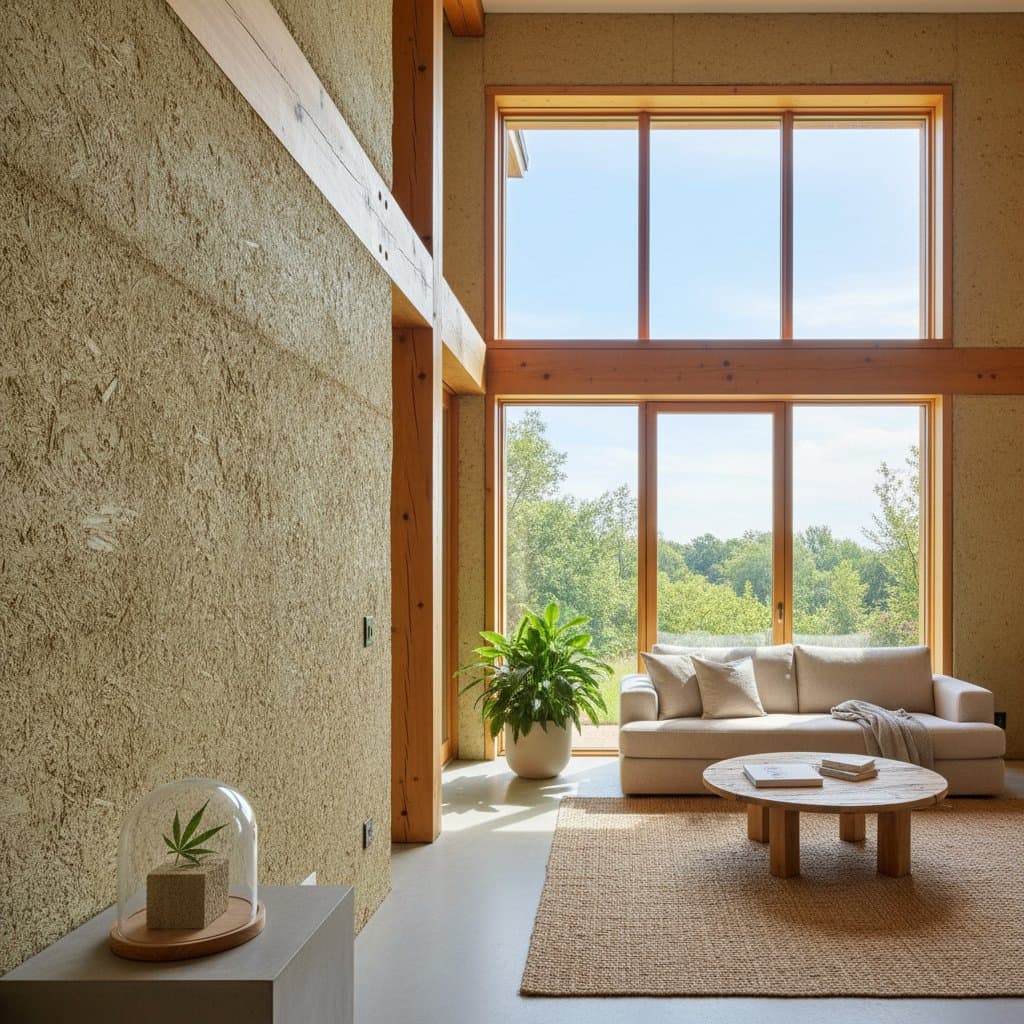
Hempcrete consists of a mixture of hemp hurds, lime binder, and water, forming a lightweight, bio-based material ideal for wall infill in construction. Unlike traditional concrete, which contributes significantly to global carbon emissions, hempcrete sequesters carbon during the growth of the hemp plant and maintains that benefit throughout its lifecycle. This property positions hempcrete as a carbon-negative alternative, actively reducing a building's overall environmental footprint.
Builders increasingly adopt hempcrete for its alignment with global sustainability goals, such as those outlined in net-zero building standards. Homeowners benefit from structures that regulate humidity and temperature naturally, leading to healthier indoor environments. As climate concerns intensify, materials like hempcrete bridge the gap between innovation and practicality in residential design.
The Science Behind Hempcrete's Carbon-Negative Power
Hemp plants grow rapidly and absorb carbon dioxide from the atmosphere at rates far exceeding many other crops. When processed into hempcrete, the lime binder undergoes a carbonation process that further locks away CO2, creating a material that stores more carbon than it emits during production. Studies indicate that a single cubic meter of hempcrete can sequester up to 200 kilograms of CO2 equivalent, making it a potent tool for combating climate change.
This carbon sequestration occurs without compromising structural integrity. Hempcrete walls provide excellent thermal mass, which stabilizes indoor temperatures and reduces energy demands for heating and cooling. In regions with variable climates, this efficiency translates to lower utility bills and a smaller ecological impact over the building's lifespan.
Key Benefits for Builders and Homeowners
For builders, hempcrete offers versatility in application, suitable for new constructions or retrofits in existing frames. The material molds easily around obstacles, allowing for curved walls and custom designs that enhance architectural creativity. Its pest-resistant and mold-resistant qualities reduce long-term maintenance costs, appealing to projects focused on durability.
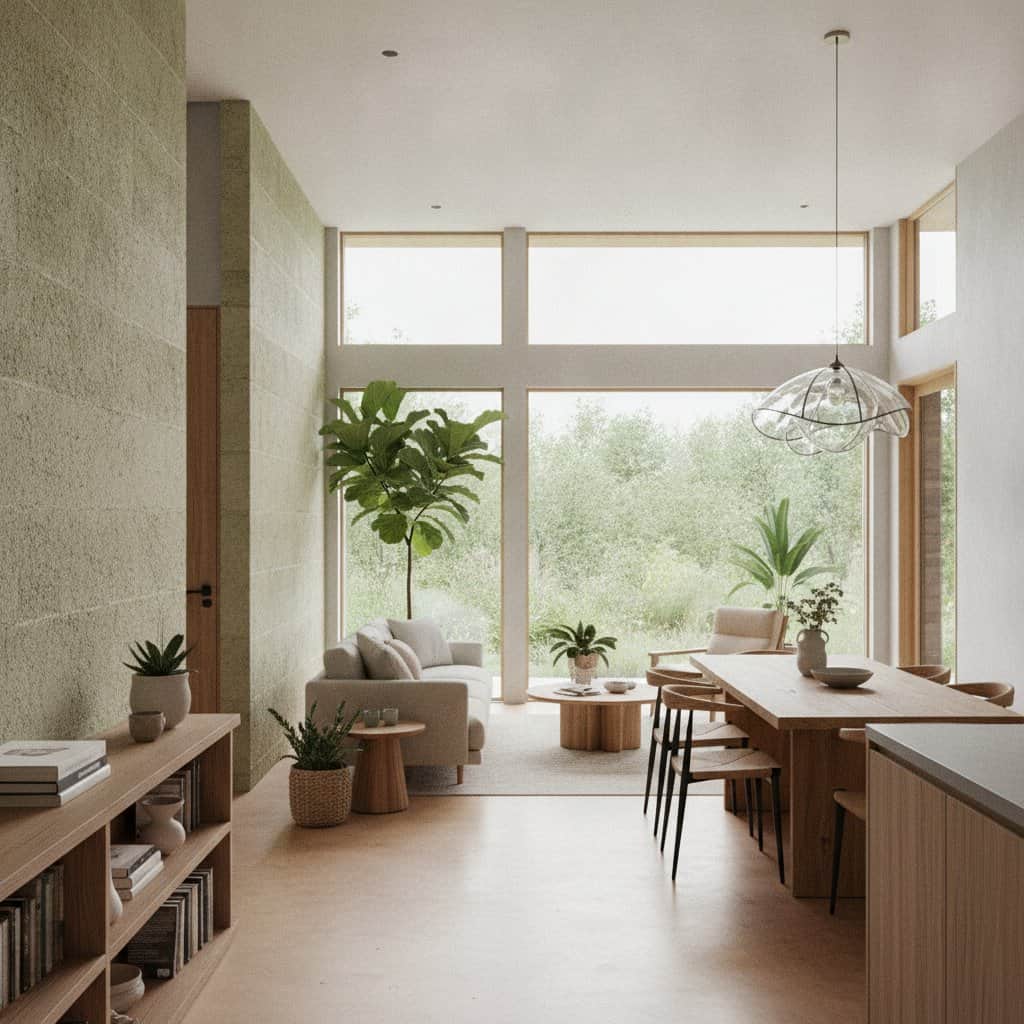
Homeowners appreciate the breathable nature of hempcrete, which prevents moisture buildup and promotes air quality. Spaces constructed with this material remain quiet due to its acoustic insulation properties, fostering peaceful living areas. Additionally, the natural composition avoids off-gassing associated with synthetic materials, supporting allergy sufferers and those seeking non-toxic homes.
- Environmental Gains: Reduces embodied carbon by up to 50% compared to conventional walls.
- Energy Efficiency: Improves insulation values, potentially cutting heating needs by 20-30%.
- Health Advantages: Regulates humidity to levels between 40-60%, ideal for respiratory health.
How Hempcrete Is Constructed: A Step-by-Step Overview
Construction with hempcrete begins with preparing the mix on-site, combining hemp hurds with a lime-based binder and water to achieve a consistency similar to thick yogurt. Workers then tamp the mixture into wooden shuttering around a timber frame, building walls layer by layer. This process requires no heavy machinery, enabling smaller crews to complete projects efficiently.
Curing takes place over several weeks, during which the material hardens through carbonation with atmospheric CO2. Builders must protect the mix from excessive moisture during this phase to ensure optimal strength. Once cured, hempcrete integrates seamlessly with finishes like lime plaster, providing a smooth surface ready for painting or cladding.
- Site Preparation: Erect timber framing to support the hempcrete infill.
- Mixing: Blend ingredients in a mechanical mixer for uniformity.
- Application: Fill forms in 300-500 mm lifts, compacting each layer.
- Curing: Allow 4-6 weeks for full carbonation, monitoring environmental conditions.
- Finishing: Apply breathable coatings to maintain performance.
Overcoming Challenges in Hempcrete Adoption
One primary hurdle remains the slower curing time compared to poured concrete, which extends project timelines by 20-30%. Builders address this by scheduling hempcrete work during favorable weather and using protective covers. The need for a structural frame also adds initial costs, though these offset through material savings and energy efficiencies.
Regulatory familiarity poses another barrier in some areas, where codes may not yet fully recognize hempcrete's properties. Education and pilot projects help demonstrate its compliance with fire, seismic, and load-bearing standards. As more certifications emerge, adoption accelerates, particularly in Europe and North America where sustainable building incentives abound.
The Path to Mainstream Adoption by 2026
Industry forecasts predict hempcrete will feature in 10-15% of new sustainable homes by 2026, driven by dropping hemp production costs and streamlined supply chains. Government policies, such as carbon pricing and green building rebates, further incentivize its use. Builders who integrate hempcrete early gain competitive edges in eco-conscious markets.
Innovation continues with research into accelerated curing agents and prefabricated panels, reducing on-site labor. Collaborations between hemp farmers and construction firms ensure reliable material sourcing. These developments make hempcrete accessible for urban infill projects and rural retreats alike.
Building with Hempcrete: Practical Steps for Success
Prospective builders start by assessing local regulations and sourcing certified hemp hurds from sustainable farms. Partnering with experienced contractors minimizes risks associated with the learning curve. Initial investments in training yield returns through premium pricing for green-certified homes.
Homeowners can advocate for hempcrete by consulting architects specializing in bio-based materials. Budget for a 10-15% premium over standard builds, recouped via energy savings within 5-7 years. Engaging communities through workshops builds awareness and support for wider implementation.
Realizing the Potential of Carbon-Negative Living
Hempcrete homes represent more than a construction trend; they embody a commitment to regenerative building practices. By choosing this material, stakeholders contribute to carbon drawdown while enjoying resilient, comfortable spaces. As the technology matures, hempcrete paves the way for a built environment that heals the planet rather than harms it.