TL;DR
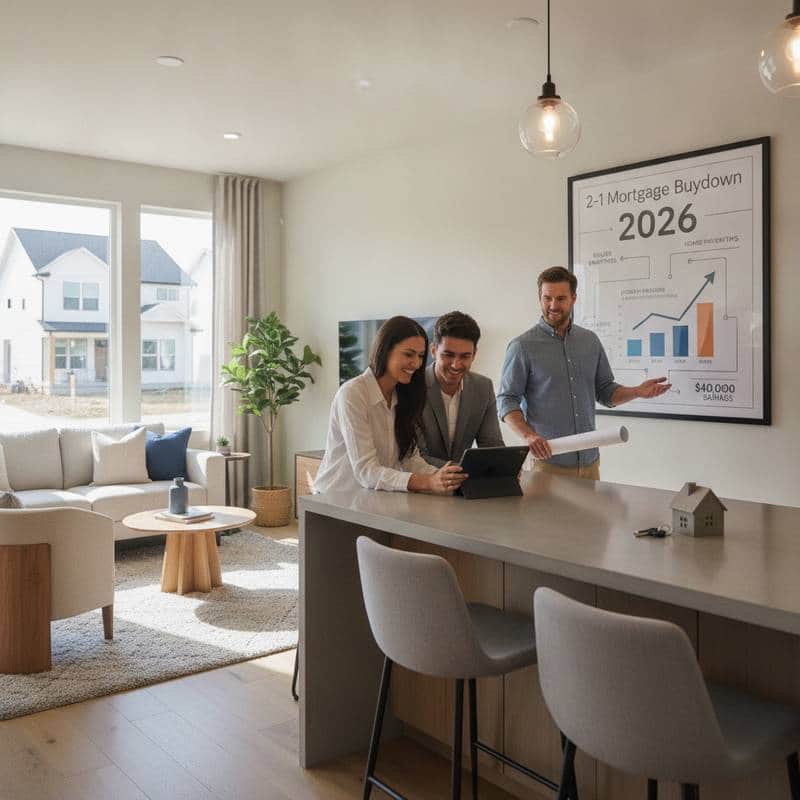
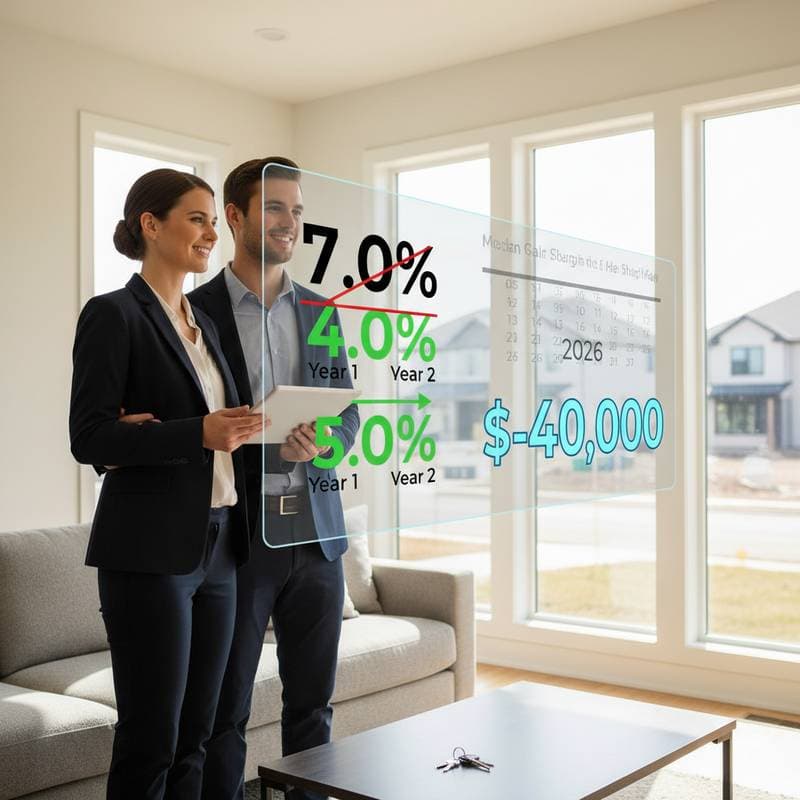
- A 2-1 buydown reduces your mortgage rate for the first two years, which can save tens of thousands in interest payments.
- Builders often cover the upfront costs, offering a strong incentive for buyers of new construction properties.
- This approach benefits those who anticipate income increases or intend to refinance before the full rate applies.
How Does a 2-1 Buydown Work?
A 2-1 buydown functions by prepaying a portion of the interest in advance. Typically, the builder or lender places funds into an escrow account to bridge the gap between the reduced payments and the standard principal and interest amount.
For instance, if the full monthly principal and interest payment totals $2,800, the first-year payment under a 2-1 buydown might drop to $2,300. The $500 difference receives coverage from the escrow fund during that period. Builders favor this method because it allows them to promote reduced monthly payments without altering the home's sale price permanently. For buyers, it provides essential financial relief during the initial ownership phase.
Key Benefits of a 2-1 Buydown
The primary benefit involves reduced payments in the early years. However, additional advantages extend beyond immediate savings.
- Simplified Budgeting Upon Move-In. The initial months bring unexpected expenses such as window treatments, landscaping, and furniture purchases. Lower payments prevent financial strain during this adjustment period.
- Opportunity for Income Growth. Individuals early in their careers or awaiting promotions gain a buffer until earnings align with housing costs.
- Refinancing Potential. Should interest rates decline or credit scores improve, refinancing becomes viable before the full rate takes effect.
- Incentives Funded by Builders. When builders finance the buydown, buyers receive substantial value at no additional personal cost.
Buyers often express initial concerns about affordability for their desired home. Upon reviewing the cost reductions from a buydown, they recognize the feasibility of their purchase.
Comparing a 2-1 Buydown to Other Rate Reduction Strategies
Consider how this option measures against alternatives.
Permanent Rate Buydown: Buyers pay points at closing to secure a lower interest rate for the loan's duration. This requires higher upfront investment but maintains savings throughout the term.
Adjustable-Rate Mortgage (ARM): The initial rate starts low, with potential adjustments later based on market conditions. A 2-1 buydown offers greater stability since the underlying rate remains fixed, with only a gradual increase.
One-Year Temporary Buydown (1-0): This reduces the rate for a single year, involving lower initial costs but providing shorter-term relief.
For long-term homeowners, a permanent buydown may prove more advantageous. In contrast, individuals planning to refinance or sell within a few years often find the 2-1 buydown optimal.
Tip 1: Determine Who Funds the Buydown
Clarify whether the lender, builder, or buyer covers the costs. Builders and lenders sometimes provide this as a purchase incentive, but self-funding requires careful evaluation.
Calculate the break-even period relative to a permanent rate reduction. Some buyers select a buydown only to discover that a modest permanent discount yields greater long-term savings. Ensure the choice aligns with your financial timeline.
Tip 2: Apply Savings Strategically
The potential $40,000 in early savings offers meaningful flexibility, though it requires intentional use. Direct these funds toward debt reduction, emergency reserves, or home improvements like energy-efficient appliances that decrease ongoing expenses.
This approach strengthens your overall financial position beyond the temporary rate benefit.
Integrating a 2-1 Buydown into Your Homeownership Strategy
Evaluate your expected timeline in the home and future income projections when considering a 2-1 buydown. This tool excels for new construction purchases where builders offer incentives, allowing you to manage cash flow effectively during settlement.
Consult with a mortgage professional to model scenarios based on current rates and your budget. By leveraging this option thoughtfully, you position yourself for sustained affordability and reduced stress in homeownership.