Key Takeaways
- A 2-1 buydown reduces your mortgage interest rate by two percentage points in the first year and one percentage point in the second year, leading to substantial savings during the initial homeownership period.
- Builders or lenders typically fund this incentive from their budgets, so borrowers avoid direct out-of-pocket expenses.
- Careful financial planning is essential to prepare for the full rate adjustment after two years, turning this temporary relief into long-term stability.
- This option helps buyers afford higher-priced homes by easing early cash flow pressures.
- Reviewing loan details with a professional ensures you understand the exact payment schedule and potential savings.
The Rise of 2-1 Buydowns in Today's Housing Market
Homebuyers face increasing challenges with elevated property prices, rising insurance premiums, and the ongoing costs of relocation. These factors often strain budgets during the critical first years of ownership. A 2-1 buydown addresses this by providing a temporary reduction in interest rates, allowing homeowners to settle in without immediate full financial commitment.
Builders increasingly offer 2-1 buydowns to stimulate sales in a competitive market. They allocate funds from their promotional budgets to cover the cost, which means the benefit reaches buyers without additional personal expense. This arrangement benefits both parties: buyers gain confidence in their purchase decision, while builders secure commitments more readily.
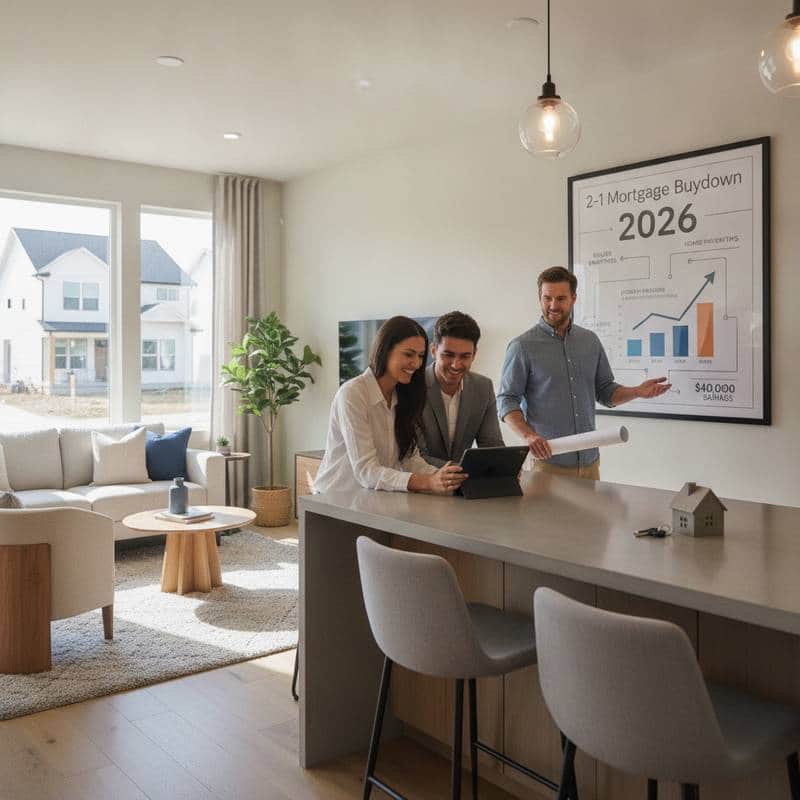
For example, on a $400,000 mortgage at a 7% note rate, a 2-1 buydown might drop the effective rate to 5% in year one and 6% in year two. This adjustment can reduce monthly payments by several hundred dollars each month, accumulating to tens of thousands in interest savings over the period.
Key Benefits of a Builder-Funded 2-1 Buydown:
- Immediate relief on monthly payments during the adjustment phase of homeownership.
- No direct cost to the borrower, preserving cash for other essentials like furnishings or maintenance.
- Potential savings of $20,000 to $40,000 in interest over the first two years, depending on loan size and rates.
- Enhanced affordability that qualifies buyers for larger loans or premium properties.
- Time to establish financial routines before the permanent rate takes effect.
Common Pitfalls to Avoid with a 2-1 Buydown
While the allure of lower initial payments is strong, overlooking long-term implications can lead to financial strain. The primary risk involves budgeting based solely on the reduced rate, which creates a false sense of security. Homeowners must prepare for the eventual increase to the full note rate to maintain stability.
To navigate this effectively, consider these practical strategies:
-
Budget Based on the Full Permanent Rate.
Calculate your household expenses assuming the complete mortgage payment from day one. This approach ensures the buydown serves as an unexpected advantage rather than a crutch. If the full payment fits comfortably within your income, you position yourself for success throughout the loan term. -
Direct Savings Toward Future Preparedness.
Allocate the difference between your reduced payment and the full amount into a dedicated savings account. This builds an emergency fund specific to housing costs or accelerates payoff of other debts. By year three, you will have a financial cushion to absorb the payment increase without disruption. -
Verify the Funding Source Clearly.
Confirm with your lender or builder who covers the buydown costs. Builder contributions are ideal, but if the lender funds it, check for any offsets in fees or rates. Transparency prevents hidden expenses that could erode the overall value. -
Examine the Payment Schedule in Detail.
Request a year-by-year amortization breakdown from your loan officer. This document reveals how the interest rate adjusts and impacts principal reduction. Understanding these shifts helps you anticipate cash flow and make informed decisions. -
Align with Your Long-Term Homeownership Plans.
If you intend to refinance or sell within the buydown period, the temporary rate provides flexibility. For longer stays, stress-test your budget against the full rate to confirm ongoing affordability. This foresight prevents surprises and supports sustained equity building.
Strategies to Maximize the 2-1 Buydown Period
The two-year window offers a strategic opportunity to strengthen your financial position. View this time as a preparatory phase for full mortgage obligations, using the extra cash flow productively. Clients who follow disciplined approaches often emerge with greater net worth and reduced stress.
One effective tactic is to simulate full payments by depositing the savings portion into a high-yield account. This practice familiarizes you with the true cost of homeownership and accumulates funds for future needs, such as property upgrades or unexpected repairs. Over 24 months, this habit can amass a significant reserve.
Additionally, prioritize eliminating high-interest debts during this interval. Target credit card balances or personal loans with rates above your mortgage, as paying them down yields immediate savings and improves your credit profile. This not only frees up future income but also positions you better for potential refinancing options later.
Finally, leverage the breathing room for essential home investments. Address maintenance items like landscaping or energy-efficient appliances that enhance property value without requiring separate financing. The early months of ownership involve numerous unforeseen expenses, and the buydown mitigates these pressures, allowing focus on enjoyment and personalization.
Securing and Implementing Your 2-1 Buydown
To initiate a 2-1 buydown, discuss options early with your builder and lender during the home selection process. They will outline available incentives and integrate the buydown into your loan terms. Ensure all agreements appear in writing, specifying the funding mechanism and rate adjustments.
Consult a financial advisor to model scenarios based on your income, expenses, and goals. This personalized analysis confirms the buydown aligns with your broader plan. With thoughtful execution, this tool transforms initial affordability challenges into a foundation for prosperous homeownership.
By embracing the 2-1 buydown with proactive planning, you not only ease entry into your new home but also set the stage for long-term financial health and equity growth.