A Shift Toward Sustainable Building: Carbon-Negative Concrete Gains Traction
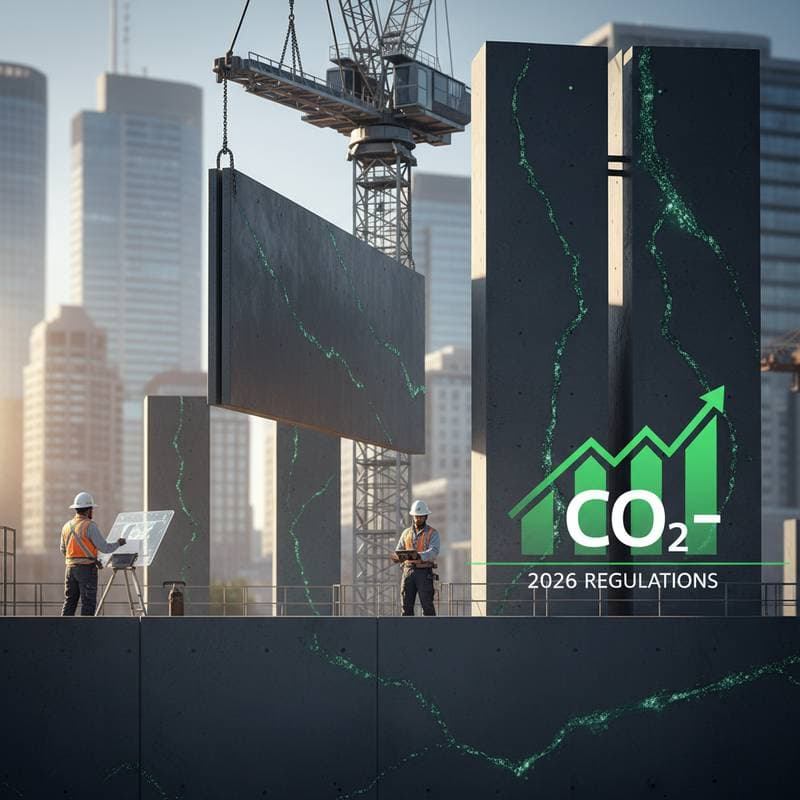
Concrete forms the backbone of modern infrastructure, from urban sidewalks to residential foundations. Recent mandates in twelve U.S. states require the use of carbon-negative concrete in public projects, marking a pivotal advancement in sustainable construction. This material not only reduces emissions but also enhances long-term environmental performance, influencing both public and private sector practices.
Understanding Carbon-Negative Concrete
Traditional concrete production contributes significantly to global carbon emissions due to the energy-intensive process of manufacturing cement. Carbon-negative concrete addresses this issue by incorporating technologies that capture and store more carbon dioxide than the production process releases. Methods include injecting captured CO2 into the mixture during curing or substituting cement with low-emission alternatives such as recycled aggregates and bio-based binders.
These formulations maintain the strength and versatility of conventional concrete while offering superior environmental credentials. Engineers report that certain mixes exhibit improved resistance to environmental stressors, ensuring reliability in demanding applications like bridges and highways.
The Impact of State Mandates
The twelve states implementing these requirements target public infrastructure projects, including roads, schools, and municipal buildings. This policy drives widespread adoption by establishing carbon-negative concrete as the standard for government-funded work. Private developers often align with these standards to meet regulatory expectations and attract eco-conscious clients.
Such mandates extend beyond emission reductions. They encourage innovation in material science and supply chains, fostering a market where sustainable options become cost-competitive. Architects and builders now integrate these materials into designs that prioritize both functionality and ecological responsibility.
Integrating Carbon-Negative Concrete into Projects
Homeowners and professionals can incorporate carbon-negative concrete into various applications, from driveways to interior countertops. Suppliers provide pre-mixed options certified for carbon sequestration, simplifying procurement for remodels or new constructions.
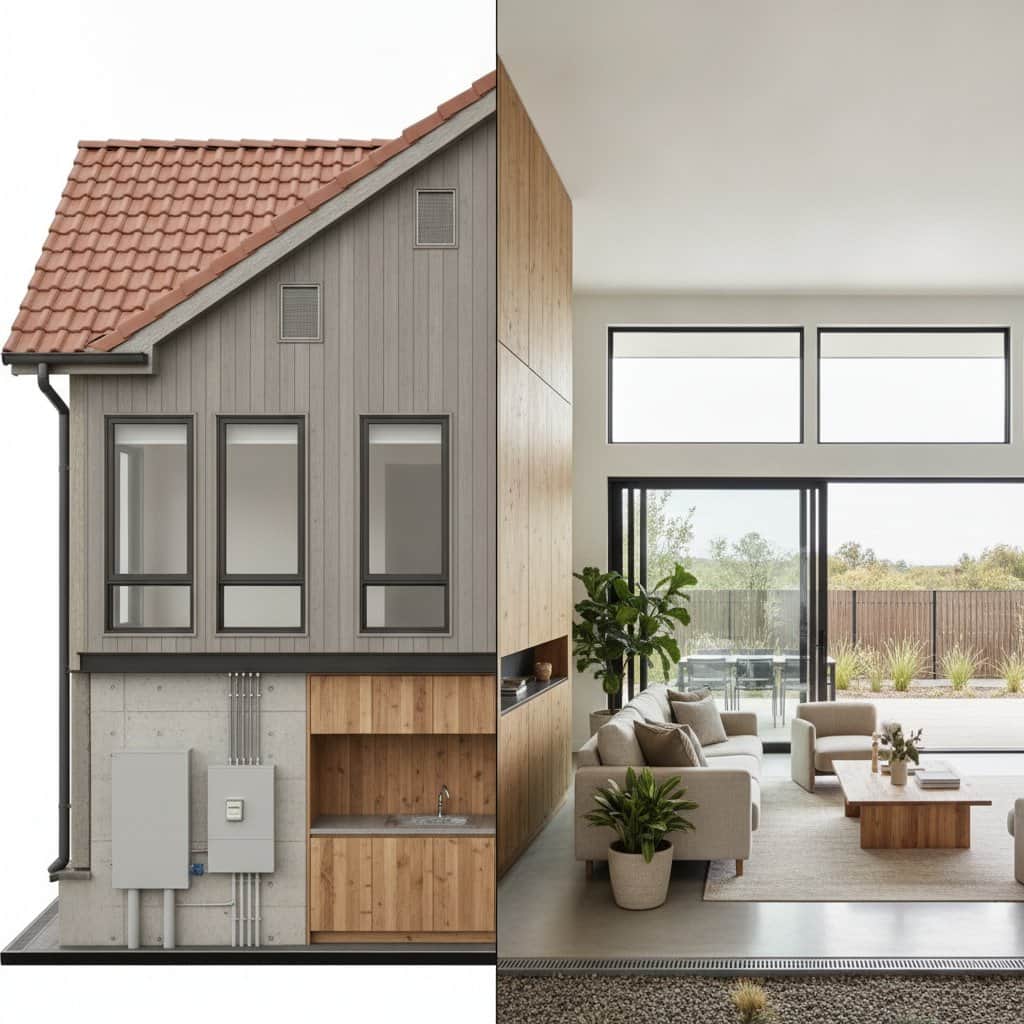
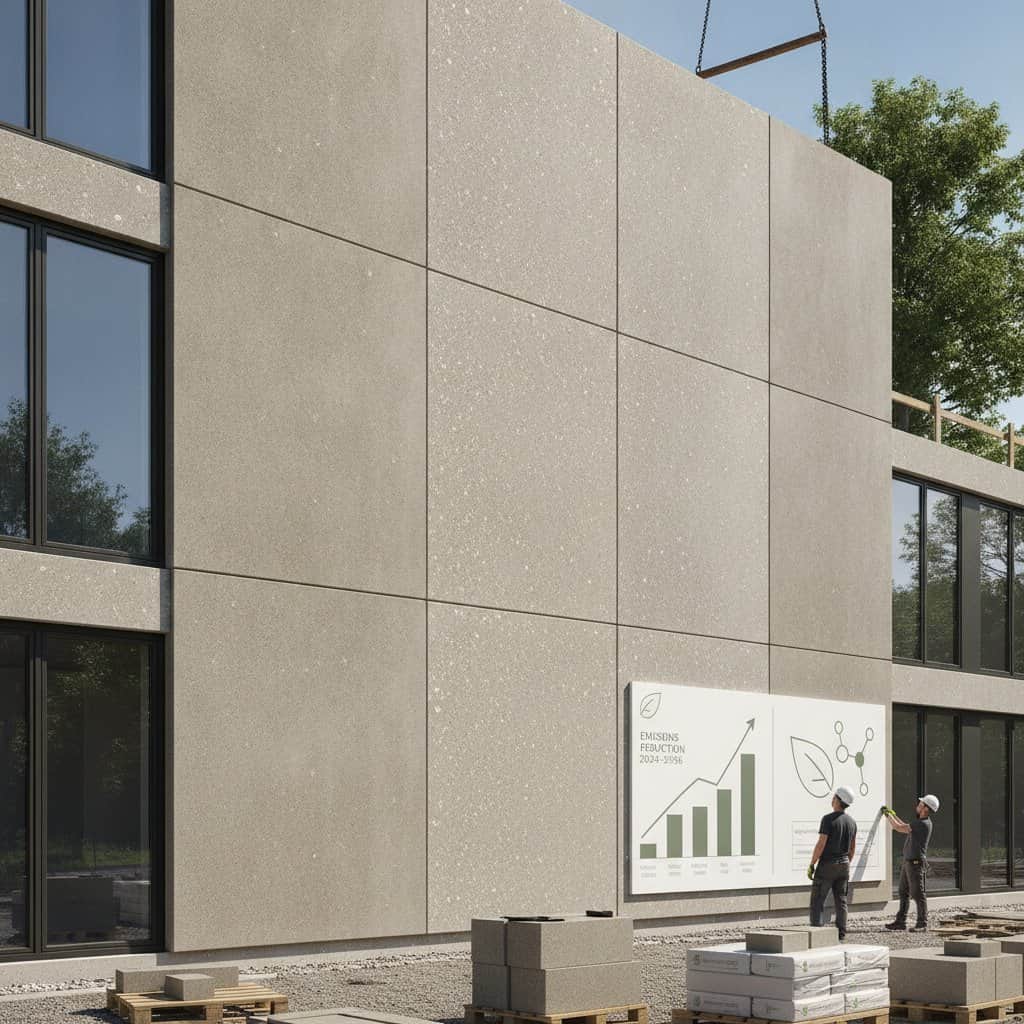
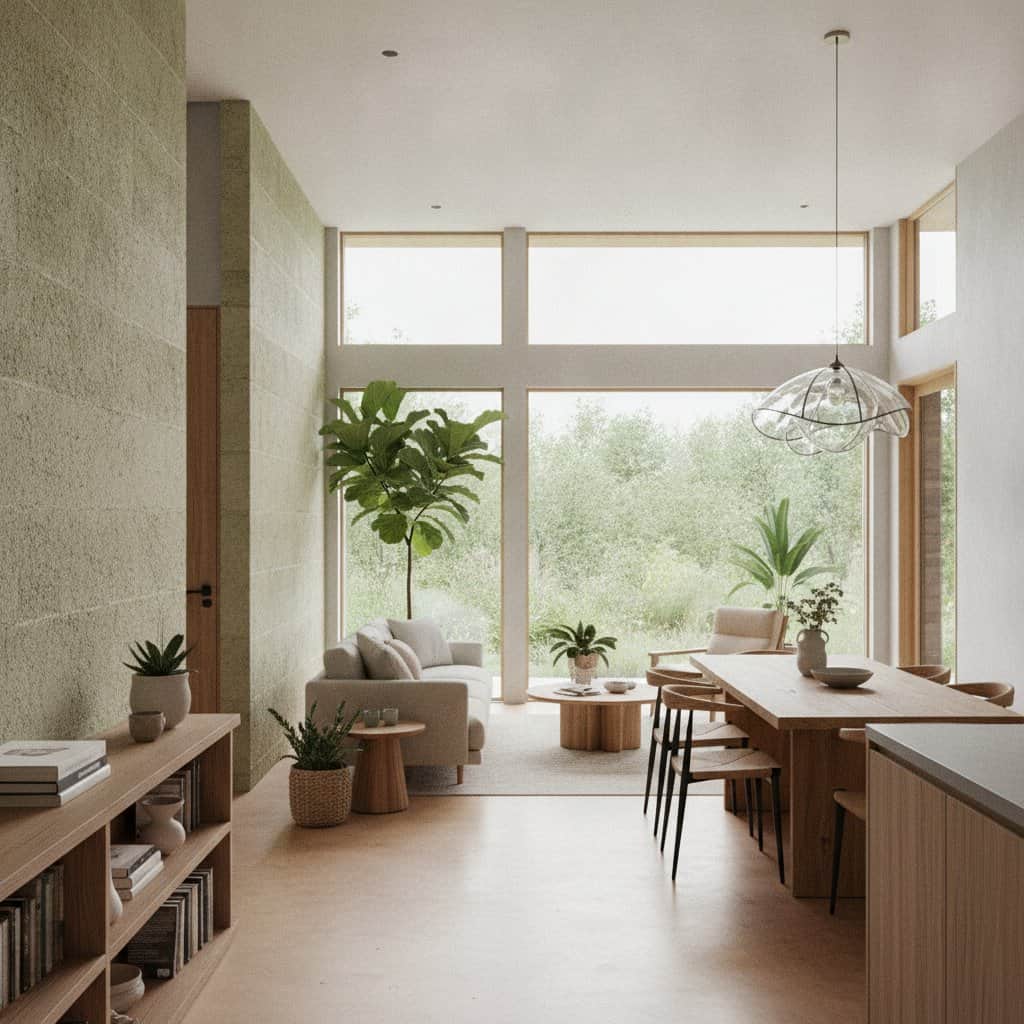
Visual appeal remains a key advantage. Available in finishes ranging from smooth polished surfaces to textured aggregates, the material complements diverse aesthetics. For instance, a carbon-negative concrete floor can mimic natural stone while sequestering carbon over its lifespan, blending practicality with design elegance.
Key Advantages for Users
This material delivers tangible benefits across multiple dimensions:
-
Environmental Efficiency
During the curing phase, carbon-negative concrete absorbs atmospheric CO2, effectively sequestering it within the structure. This process continues over time, contributing to net carbon removal from the environment. -
Enhanced Performance
Advanced formulations demonstrate greater resistance to cracking, freeze-thaw cycles, and chemical degradation. Structures built with these mixes require less maintenance, extending their service life and reducing overall resource consumption. -
Flexible Applications
Suitable for load-bearing elements, decorative features, and outdoor installations, the material supports staining, polishing, and integration with other sustainable elements like reclaimed wood. -
Economic and Community Gains
State-level adoption stimulates local manufacturing upgrades, creating jobs in green technology sectors. Proximity to production facilities lowers transportation emissions and costs for regional projects.
Practical Considerations for Adoption
Initial costs for carbon-negative concrete may exceed those of traditional mixes by 10 to 20 percent, though economies of scale are rapidly narrowing this gap. Availability varies by region, so consulting certified suppliers early in the planning process ensures timely access.
Performance verification is essential. Request documentation on the specific carbon-negative credentials of the product, including lifecycle assessments. For optimal results, pair the material with complementary practices such as efficient site management to maximize sustainability.
In smaller-scale projects, test the material in non-structural elements like patios or accents. This approach allows evaluation of its handling, finish, and integration before broader implementation.
Aligning with Broader Sustainability Goals
The rise of carbon-negative concrete reflects evolving standards in the construction industry, where environmental impact informs material selection. It enables designs that harmonize durability with reduced ecological footprints, appealing to stakeholders focused on long-term viability.
Professionals increasingly view this shift as an opportunity to innovate. By specifying carbon-negative options, builders contribute to climate goals while delivering spaces that enhance occupant well-being through responsible resource use.
Steps to Implement in Your Next Project
Begin by identifying project requirements and consulting local regulations on sustainable materials. Contact suppliers for samples and technical specifications to assess compatibility with your design vision.
Engage contractors experienced in low-carbon installations to handle mixing and placement. Monitor the curing process to ensure full carbon sequestration benefits. Through these steps, carbon-negative concrete becomes a foundational element in creating resilient, eco-friendly built environments.