Builder’s 2-1 Buydown Saves $40K in 2026
Imagine walking into a brand-new home with keys in hand, aware of a lower mortgage rate for the first two years. The atmosphere feels calmer, tension eases, and envisioning a sunny corner for morning coffee becomes feasible. That is the subtle advantage of a builder’s 2-1 buydown. It provides financial breathing room during the initial years of homeownership, when expenses, unpacking, and budgeting often overwhelm.
For numerous new buyers, this financing option delivers substantial savings in the loan’s early stages. Builders who offer a 2-1 buydown incentive provide more than appliances or flooring upgrades. They enable more manageable monthly payments amid fluctuating interest rates.
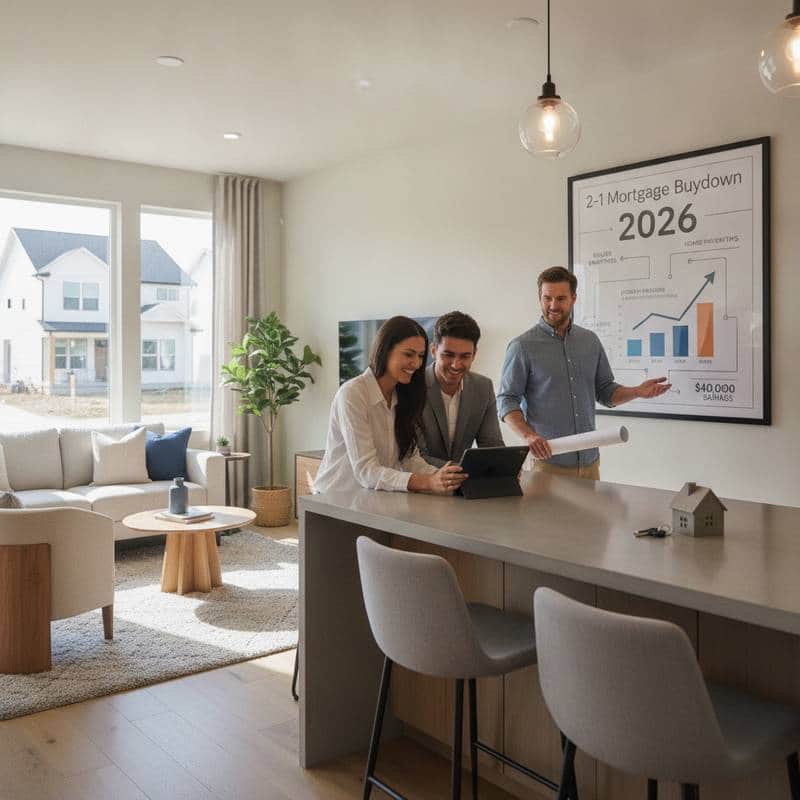
This article explains the mechanics, essential considerations before committing, and how savings can accumulate to approximately $40,000 over the first few years on a typical loan.
Why Builders Offer It
Builders recognize that rising rates cause potential buyers to hesitate. Individuals sense the financial pressure and delay commitments. A 2-1 buydown addresses this by enhancing affordability in the early homeownership phase. It encourages action now rather than waiting for rate declines.
From the builder’s viewpoint, this serves as an effective sales strategy. Homes sell without reducing the base price, which safeguards community property values. For buyers, it facilitates a gradual adjustment to full mortgage obligations.
Builders frequently collaborate with designated lenders experienced in these arrangements. The lender determines the buydown expense, the builder funds it at closing, and the buyer benefits from reduced payments for two years. This approach relies on established financing practices without deceptive elements.
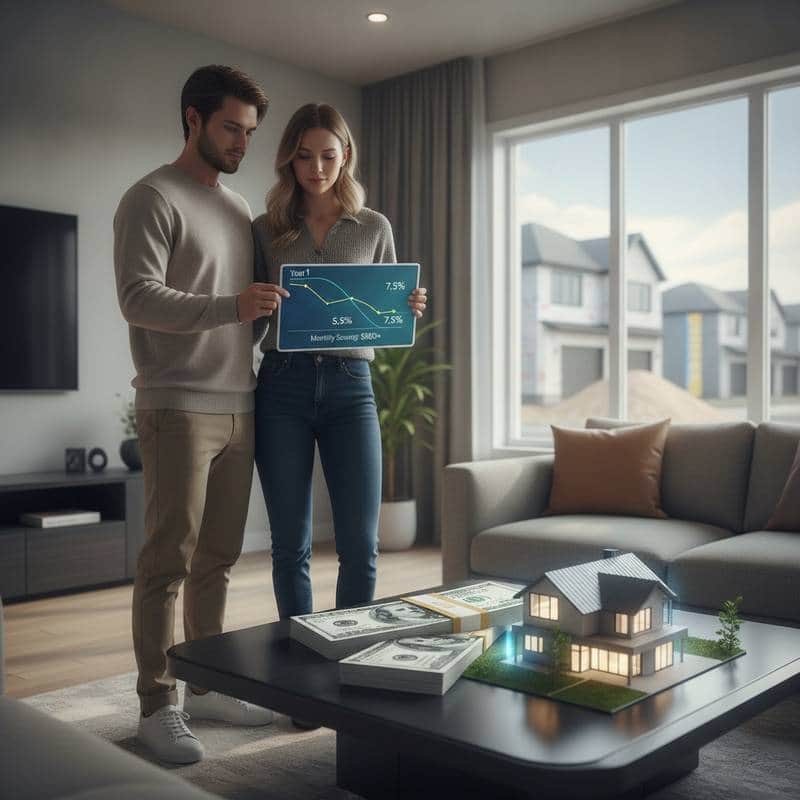
To illustrate, consider a $500,000 loan at a 7% note rate. The buydown reduces the effective rate to 5% in year one and 6% in year two. Monthly principal and interest payments drop from about $3,326 to $2,687 initially, then $2,998, yielding over $7,500 in first-year savings alone. Over two years, these adjustments compound to significant relief, contributing to the $40,000 total when factoring broader cost impacts.
How to Qualify and What to Watch For
Qualification for a 2-1 buydown mirrors that of a conventional fixed-rate mortgage. Lenders assess eligibility using the full note rate, not the temporary reduction. This method confirms the borrower’s capacity to handle payments after the buydown expires. It prevents overextension and promotes responsible borrowing.
Examine these key aspects carefully:
- Verify funding source. Builders generally cover the entire buydown cost, but confirm its appearance as a seller credit on the loan estimate.
- Clarify duration. The reduced rate applies for two years, followed by adjustment to the original rate.
- Explore refinancing. Lower future rates permit refinancing prior to the buydown’s conclusion.
- Evaluate overall expenses. Ensure the buydown does not increase closing costs or restrict access to additional incentives.
- Assess long-term fit. Calculate how the full payment aligns with projected income growth or lifestyle changes.
A builder’s 2-1 buydown represents a valid financial mechanism. It enhances comfort during market uncertainty without implying effortless funds.
Comparing a 2-1 Buydown to a Permanent Rate Buydown
A 2-1 buydown offers temporary relief, while a permanent buydown lowers the rate for the loan’s duration through an initial payment. Selection hinges on planned home tenure and tolerance for eventual payment increases.
Temporary 2-1 Buydown
- Delivers reduced payments for the first two years
- Builder typically funds the upfront cost
- Suited for those anticipating refinancing or income rises
Permanent Rate Buydown
- Provides uniform lower payments throughout the loan
- Borrower finances points at origination
- Optimal for long-term residency seeking enduring stability
Buyers often prefer the 2-1 buydown for its adaptability. Refinancing remains viable if rates decline, yet immediate assistance arrives when most critical. For example, on a 30-year $400,000 loan, a permanent buydown might cost $8,000 to reduce the rate by one point, saving $50 monthly indefinitely. In contrast, the 2-1 version costs the builder $10,000-$12,000 but saves $500+ monthly short-term, offering quicker liquidity.
Getting the Most from Builder Incentives
A 2-1 buydown frequently forms part of a comprehensive incentive package. Builders aim to highlight their properties, and financing perks draw interest. Pair the buydown with complementary offers to optimize value.
Consider these strategies to maximize benefits:
- Pursue upgrades. Inquire about incorporating design allowances or appliance selections with the buydown.
- Allocate savings wisely. Direct early payment reductions toward principal to diminish total interest over time.
- Verify lender options. Certain lenders offer discounted refinancing fees for clients remaining in their ecosystem.
- Engage a professional. A knowledgeable real estate agent can optimize deal structure for superior net value.
- Model scenarios. Use online mortgage calculators to project cash flow with and without the buydown, adjusting for variables like property taxes and insurance.
The objective extends beyond immediate savings. It involves developing a robust financial framework for sustainable homeownership.
Making It Happen
When evaluating new construction homes, prioritize builders promoting a 2-1 buydown. This incentive delivers tangible, quantifiable advantages without concealed drawbacks. Contact a trusted lender to simulate personalized savings and confirm alignment with your financial objectives. Proceed with confidence, as this tool positions you for success in 2026’s dynamic market.