Key Takeaways
- A 2-1 buydown provides a temporary interest rate reduction for the first two years of a mortgage, potentially saving borrowers tens of thousands of dollars in early payments.
- Builders frequently cover the upfront cost of the buydown as a sales incentive, which benefits buyers without increasing their loan amount.
- This option suits individuals anticipating future income increases or those planning to refinance, offering financial flexibility during the initial homeownership period.
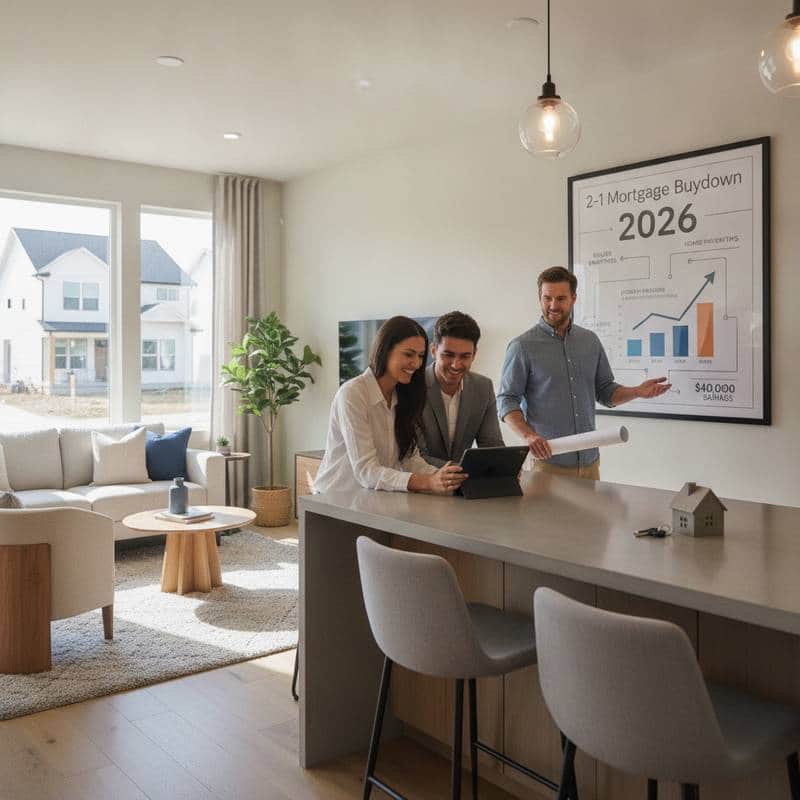
- Savings from reduced payments can total approximately $40,000 over the first two years, depending on the loan size and interest rate.
- The buydown applies to fixed-rate mortgages and does not alter the underlying loan terms after the initial period.
Understanding the 2-1 Buydown
A 2-1 buydown represents a temporary adjustment to the interest rate on a mortgage loan. This financing strategy lowers the rate by 2 percentage points below the note rate during the first year and by 1 percentage point during the second year. After these two years, the interest rate reverts to the original fixed rate specified in the loan agreement.
The purpose of this arrangement is to ease the financial transition into homeownership. Borrowers benefit from lower monthly payments at the outset, which allows time to adjust to new expenses such as property taxes, insurance, and maintenance. This structure proves particularly valuable in periods of elevated interest rates, providing a bridge until market conditions improve or personal finances stabilize.
Consider a practical illustration: Suppose a borrower secures a 30-year fixed-rate mortgage for $400,000 at an interest rate of 6.5 percent. Without a buydown, the monthly principal and interest payment would amount to about $2,528. With a 2-1 buydown, the effective rate drops to 4.5 percent in year one, reducing the payment to approximately $1,850 per month—a savings of $678 monthly, or $8,136 annually. In year two, at 5.5 percent, the payment rises to around $2,145, still saving $383 per month compared to the full rate. Over these two years, the total savings reach roughly $40,000, freeing up funds for other priorities like home improvements or emergency reserves.
Calculating the Financial Impact
The savings from a 2-1 buydown stem directly from the reduced interest accrual during the initial years. Lenders or builders fund this discount by depositing money into an escrow account, which subsidizes the lower payments. This upfront cost, often 2 to 3 percent of the loan amount, does not burden the borrower.
To estimate potential benefits, borrowers can use basic mortgage calculators available through lenders. For instance, on a $500,000 loan at 7 percent, the year-one payment at 5 percent falls by about $800 monthly, yielding nearly $10,000 in annual savings. Year two at 6 percent adds another $5,000 to $6,000. These figures vary with loan size, but the pattern remains consistent: substantial relief early on, followed by a gradual return to standard terms.
Beyond direct payment reductions, the extra cash flow supports broader financial planning. Homeowners might allocate these savings toward building an emergency fund, paying down other debts, or investing in energy-efficient upgrades that lower long-term costs. In essence, the buydown acts as a strategic buffer, enhancing affordability without compromising the loan's core structure.
Ideal Candidates for a 2-1 Buydown
This financing tool appeals to first-time buyers or those in transitional career phases. Individuals expecting salary increases, bonuses, or promotions within a few years find it especially useful, as the lower initial payments align with current income levels while preparing for future obligations.
Buyers of new construction homes often encounter unique post-closing expenses, such as custom landscaping, fencing, or interior customizations. A buydown mitigates these pressures by reducing mortgage outlays during the settling-in phase. For example, a young professional purchasing a starter home might use the savings to furnish rooms or cover utility setup fees, creating a more comfortable entry into property ownership.
Even seasoned buyers benefit in high-rate environments. Those planning to relocate or refinance after two years can leverage the buydown as a low-risk entry point. Personal experiences highlight its value: One homeowner shared that during the construction of their initial residence, the buydown provided essential relief amid tight finances, allowing focus on personalization rather than monthly stress.
Frequently Asked Questions
Does a 2-1 buydown affect the principal balance of the loan?
No. The loan amount remains unchanged throughout the term. The temporary rate reduction is financed separately by the builder or lender, ensuring no addition to the borrower's debt.
Is it possible to combine a 2-1 buydown with additional builder incentives?
Yes, in most cases. Many builders permit stacking with options like closing cost assistance or appliance upgrades. Review the specific terms with the lender to confirm compatibility and avoid overlaps.
What occurs at the end of the two-year period?
The interest rate adjusts to the original note rate, increasing the monthly payment accordingly. Borrowers prepared for this shift face no surprises; otherwise, refinancing options become available based on prevailing market rates and credit qualifications.
How does a 2-1 buydown differ from an adjustable-rate mortgage?
A 2-1 buydown maintains a fixed-rate foundation with a predefined temporary subsidy. In contrast, an adjustable-rate mortgage features rates that fluctuate periodically based on market indexes, introducing potential uncertainty beyond the initial period.
How can one determine if a 2-1 buydown fits their situation?
Evaluate it against personal financial projections and long-term plans. Consult a lender to model scenarios, comparing total costs and cash flow impacts to ensure alignment with comfort levels and goals.
Steps to Implement a 2-1 Buydown
To pursue this option, start by discussing it during the home purchase process. Engage with the builder or lender early to confirm availability and costs. Request a detailed amortization schedule showing payment projections for each phase.
Next, review the escrow funding mechanism to verify that the buydown does not impact your down payment or reserves. Finally, integrate it into your budget planning, accounting for the payment increase after year two. This proactive approach maximizes the buydown's advantages, fostering a secure and enjoyable path to homeownership.
By opting for a 2-1 buydown, buyers gain not only immediate financial relief but also the confidence to invest in their future. This tool transforms potential challenges into opportunities, paving the way for lasting stability and growth in property ownership.