TL;DR
- Builder buydowns enable buyers to secure reduced payments without relying on rate declines.
- These initiatives deliver substantial savings, often thousands of dollars, during the initial mortgage years.
- Success depends on comprehending buydown operations and negotiating terms aligned with personal finances.
How a Buydown Saves Money
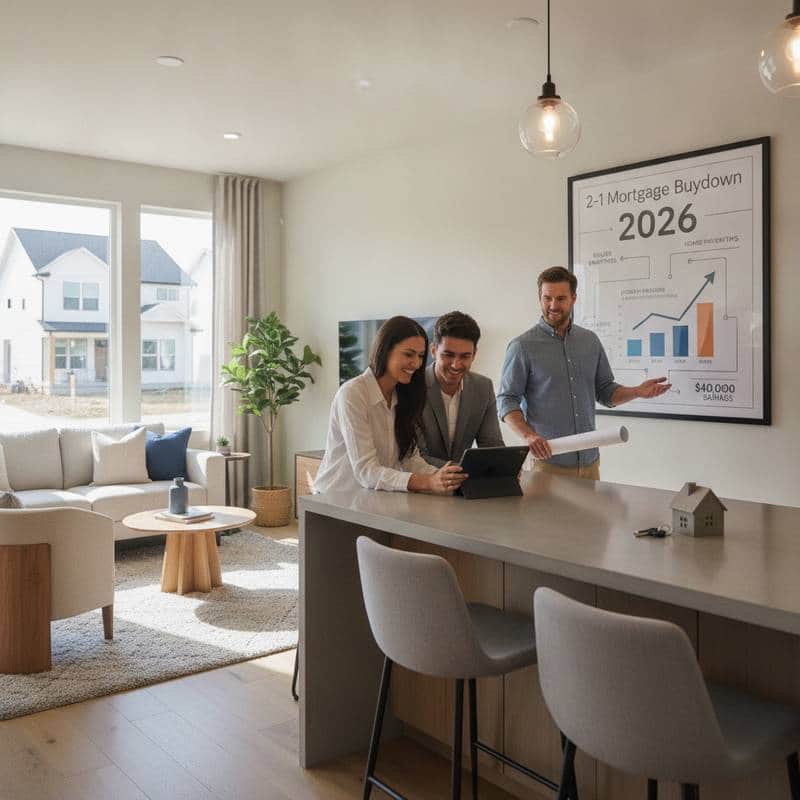
Consider a straightforward scenario. You purchase a new home, and the loan officer quotes a 7 percent interest rate. The builder proposes a 2-1 buydown, which reduces the effective rate by two percentage points in the first year and one percentage point in the second year, then reverts to the original rate thereafter.
In practice, payments reflect a 5 percent rate for year one, 6 percent for year two, and 7 percent starting in year three. This initial reduction typically lowers monthly costs by several hundred dollars. Across two years, the cumulative savings may exceed thousands of dollars in interest otherwise paid to the lender.
Buyers often redirect these funds toward home improvements, debt reduction, or bolstering reserves. Beyond calculations, such measures provide financial flexibility during the transition to homeownership.
Reasons Builders Offer Buydowns Now
Builders recognize that elevated rates prompt buyer caution. A buydown mitigates this concern without diminishing the home's listed price, thereby preserving local market stability.
This approach benefits all parties: builders accelerate sales, while buyers enjoy affordable entry. Certain builders have revitalized entire developments through targeted buydown promotions. Prospective owners, previously sidelined by costs, discover affordability for desired features like upgraded kitchens.
Inquire directly with the builder about available incentives. These may include complementary perks such as window treatments, appliance packages, or credits toward closing expenses. Strategic combinations extend budget reach effectively.
Aligning Buydowns with Personal Plans
Select a buydown type that matches your circumstances. For long-term residency, a permanent buydown delivers ongoing rate reductions. If relocation or refinancing looms within a few years, a temporary buydown offers targeted early relief.
One example involves a couple anticipating an upgrade in three years. They opted for a 3-2-1 buydown, which progressively eases payments: three percentage points below base in year one, two in year two, and one in year three. This structure allowed time for home setup and positioned them favorably for future rate improvements.
Tailor the choice to lifestyle needs rather than pursuing the absolute lowest figure. Evaluate how the post-buydown payment integrates with projected income and expenses.
Determining If a Buydown Suits You
Assess suitability through targeted questions:
- How many years do you intend to remain in the home?
- Will income increase occur in the coming years?
- Does the full-rate payment align with your financial comfort?
Affirmative responses to stability and growth favor a permanent buydown for sustained value. First-time buyers seeking adjustment periods benefit from temporary options. In both cases, the focus remains on facilitating a seamless start to homeownership.
Steps to Explore Buydowns
When preparing to build or purchase, initiate discussions on buydowns promptly. Consult both builder and lender for available programs, model various scenarios, and disclose your financial thresholds openly.
Home acquisition blends emotion and economics, often leading to uncertainty. Knowledge of tools like buydowns restores agency. Align selections with personal goals to navigate beyond market fluctuations.
Prepare a list of priorities and pose informed questions. These actions yield significant savings and foster preparedness upon entering your new residence.
Frequently Asked Questions
What distinguishes a 2-1 buydown from a 3-2-1 buydown?
A 2-1 buydown reduces the rate by two percentage points in the first year and one in the second. A 3-2-1 buydown applies reductions of three points in year one, two in year two, and one in year three.
Is it possible to pair a builder buydown with personal discount points?
Yes, additional points can further lower the permanent rate. Request a lender breakdown of upfront costs against projected savings.
Do government-backed loans qualify for buydowns?
Qualification occurs frequently, though it varies by lender and program. Verify compatibility with temporary rate adjustments.
Does a buydown influence loan approval?
Typically not, as qualification bases on the note rate. Ensure reduced initial payments do not encourage overextension.
Can refinancing occur before the buydown expires?
Refinancing remains an option; consult the lender on optimal timing. Substantial rate drops may justify early action.