TL;DR
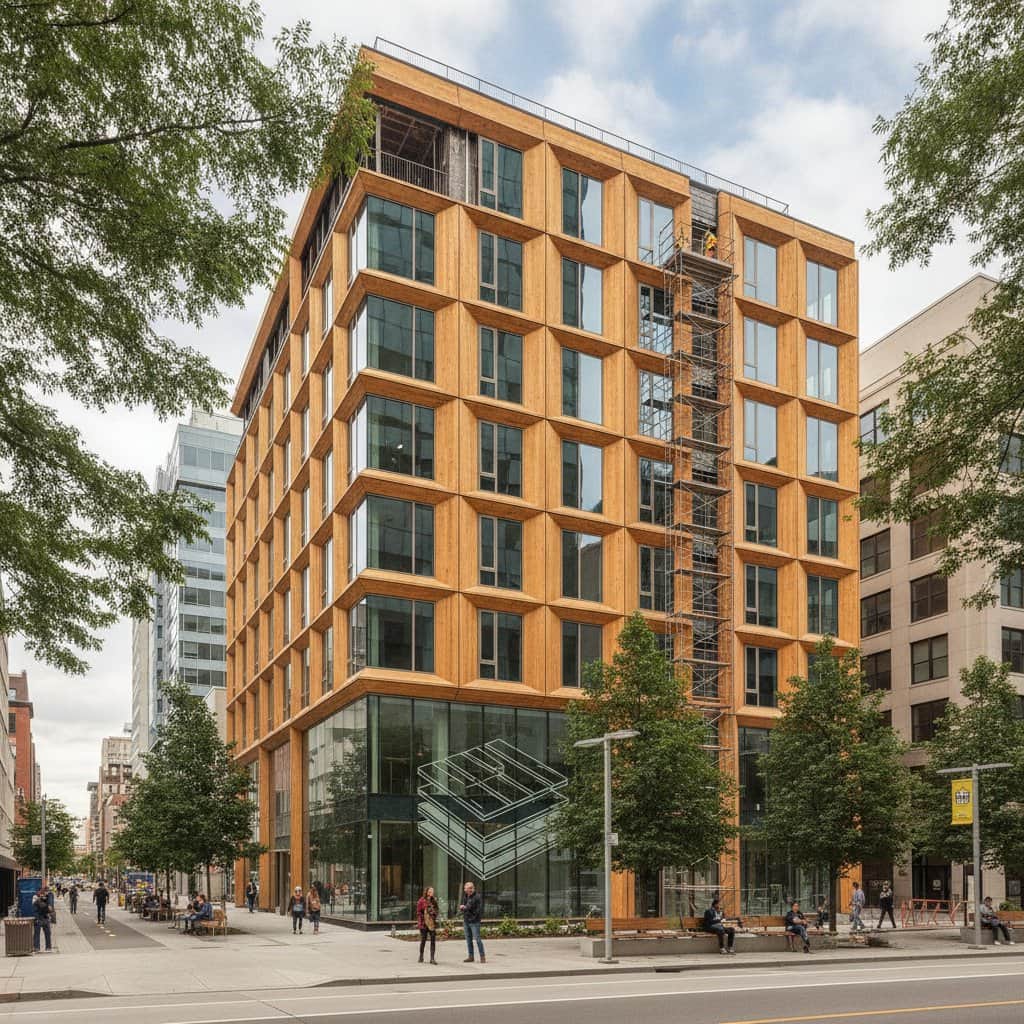
- The forthcoming fire code update allows for taller mass timber apartment structures while prioritizing safety.
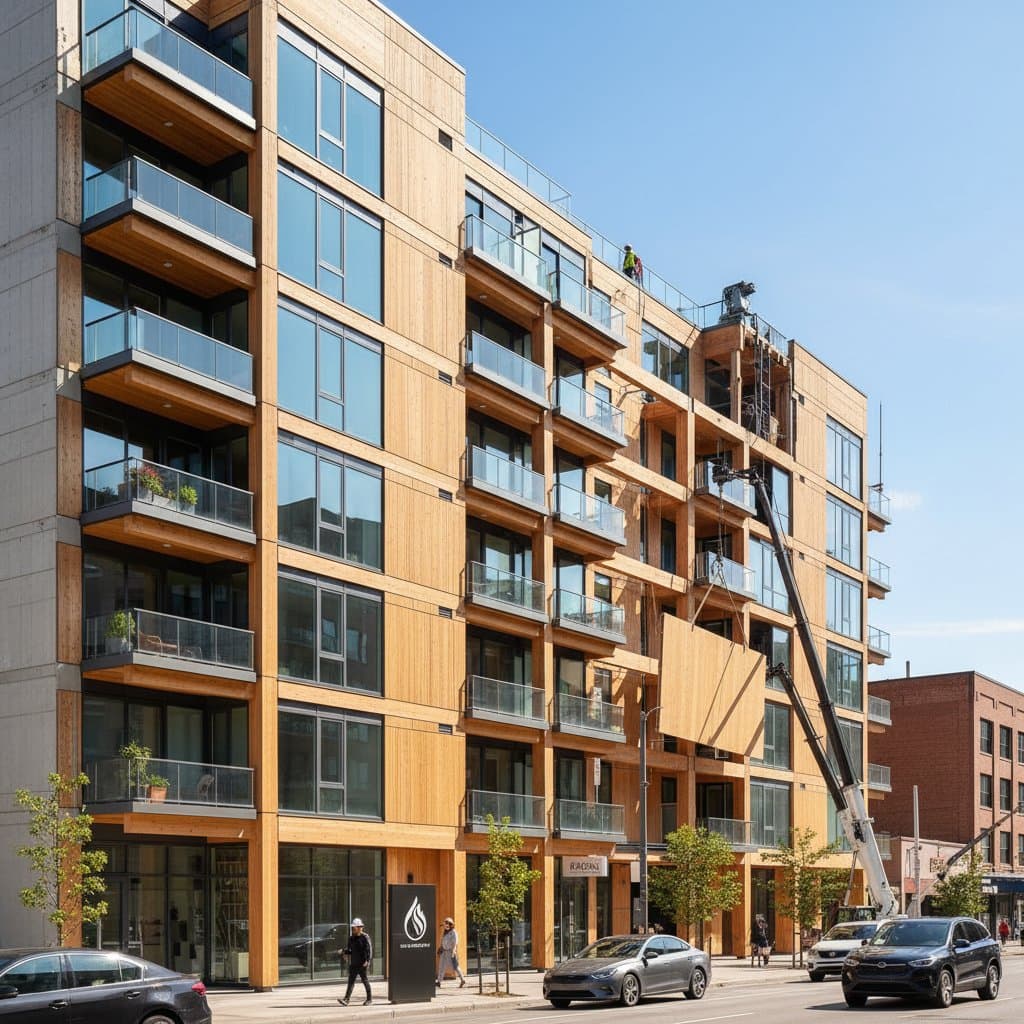
- Construction benefits include reduced timelines, minimal site disruption, and enhanced interior comfort.
- For multifamily development plans, this update signals a viable path toward sustainable wood construction.
Key Highlights
- Mass timber consists of engineered wood products formed by bonding layers of lumber under pressure, yielding exceptional structural integrity.
- Cross-laminated timber (CLT) serves as a versatile substitute for concrete in floors, walls, and roofs, offering comparable performance.
- The revised fire code introduces expanded height limits specifically for timber-based residential buildings.
- Developers benefit from accelerated project schedules, reduced material weight, and lower overall carbon emissions.
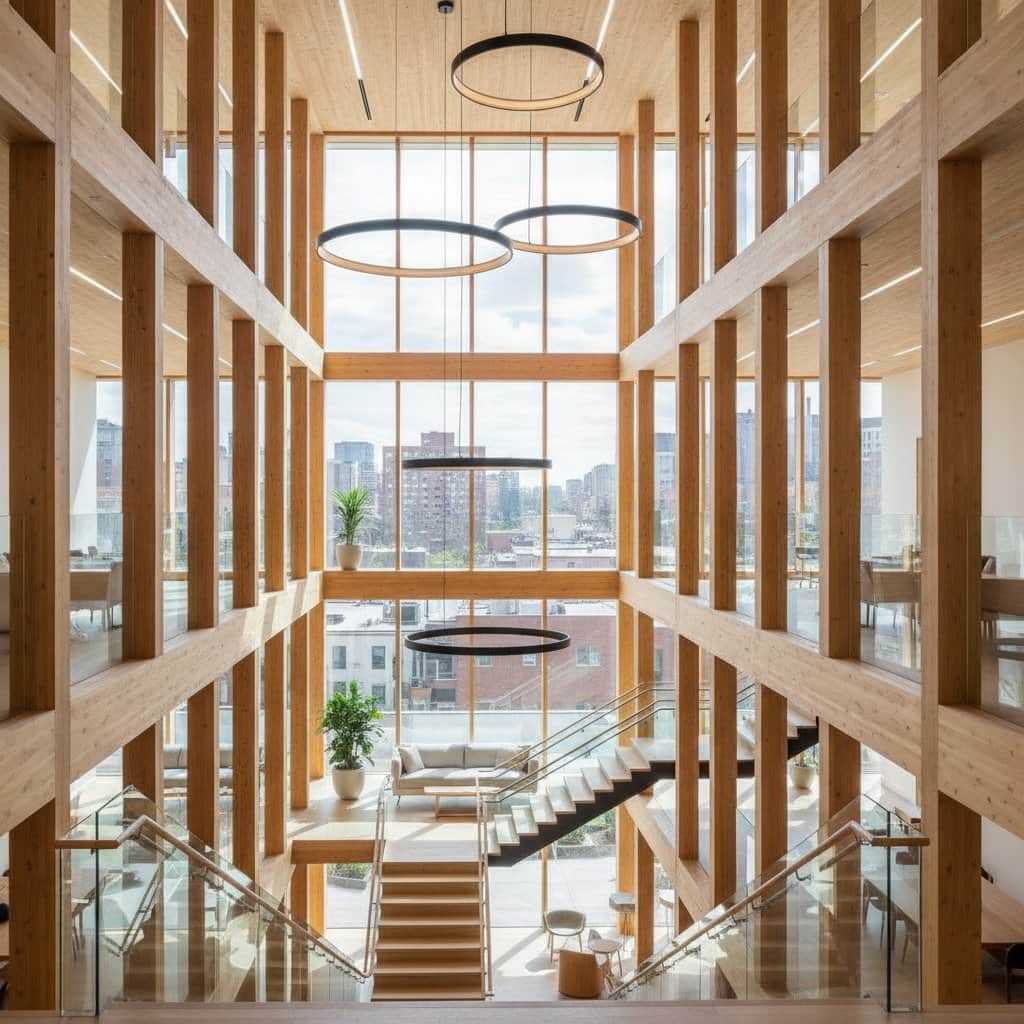
- Occupants experience improved thermal comfort, superior sound insulation, and aesthetically pleasing natural elements.
The Role of Fire Codes in Advancing Mass Timber Adoption
Fire codes function as essential regulators that determine the viability of new building materials. These standards ensure that innovations align with public safety requirements, regardless of their structural or environmental advantages.
The 2026 update acknowledges the unique fire-resistant properties of mass timber, distinguishing it from conventional wood framing. Unlike lighter wood elements that ignite rapidly, mass timber components such as CLT form a carbonized layer when exposed to heat. This charring process acts as an insulating shield, limiting oxygen access and containing fire progression within predictable boundaries.
Engineers rely on standardized testing protocols to verify these behaviors, providing assurance to building officials. During one facility demonstration, a CLT assembly endured prolonged flame exposure without structural compromise beyond the surface layer. Such empirical evidence has paved the way for regulatory alignment, confirming that mass timber supports safe high-rise applications.
Impact on Project Costs and Economics
Mass timber may not always undercut concrete in direct per-square-foot pricing, yet it delivers substantial efficiencies across multiple project phases.
Construction durations often shorten by 20 to 30 percent due to prefabricated panel assembly, which minimizes on-site labor demands. The lighter weight of timber reduces the scale of foundational elements and eases logistical costs associated with material transport.
Additionally, the manufacturing process generates less debris, cutting disposal expenses and streamlining site management. Over the building lifecycle, superior insulation properties in timber structures lower energy consumption for climate control, yielding ongoing operational savings.
When developers account for these factors alongside the appeal of sustainable credentials in tenant marketing, total project economics frequently match or surpass those of traditional methods. One project leader reported completing a timber development a month ahead of schedule, securing early revenue streams that offset initial material investments.
Potential Challenges and Mitigation Strategies
While mass timber offers clear advantages, certain hurdles warrant attention to ensure successful implementation.
Effective moisture management remains paramount, as panels require protection from humidity during storage and installation to prevent dimensional changes. Specialized sealants and controlled environments address this concern reliably.
The availability of trained professionals continues to evolve, with many construction teams building expertise through targeted training programs. Regional supply chains for timber products are strengthening, supported by expanded domestic production and certification standards.
These issues prove manageable through proactive planning and industry collaboration. Each completed project refines techniques, accelerates knowledge transfer, and broadens the pool of qualified participants, fostering widespread adoption.
Practical Considerations for Implementation
For architects, contractors, or property owners exploring mass timber options, monitoring local code adoptions provides a strategic starting point. Engaging certified suppliers early facilitates material selection aligned with project specifications.
Pilot designs incorporating hybrid systems, blending timber with steel accents, can test performance in varied climates. Collaboration with fire safety consultants ensures compliance from the conceptual phase.
This regulatory evolution extends beyond material choices to influence broader design philosophies, promoting structures that harmonize with urban environments. Timber construction revives natural elements in dense settings, enhancing resident well-being through biophilic principles.
Experiencing a completed mass timber space reveals its inherent calm and resilience, underscoring the potential for wood to redefine modern living.
Frequently Asked Questions
What defines mass timber?
Mass timber encompasses engineered products such as cross-laminated timber, nail-laminated timber, and glued-laminated beams. These are constructed from multiple lumber layers bonded for enhanced load-bearing capacity and dimensional stability.
How does mass timber perform in fire scenarios compared to steel or concrete?
Mass timber chars predictably, forming a protective layer that maintains structural integrity longer than exposed steel, which softens at high temperatures. Unlike concrete, it avoids spalling under heat, offering balanced fire resistance when properly designed.
What height limits apply under the 2026 code?
The update permits mass timber buildings up to 18 stories in certain jurisdictions, a significant increase from prior restrictions, subject to enhanced encapsulation and sprinkler systems.
Is mass timber suitable for all climate zones?
Yes, with appropriate treatments for moisture and pests, mass timber adapts well across regions. Ongoing research refines durability for humid or seismic areas.