Key Takeaways
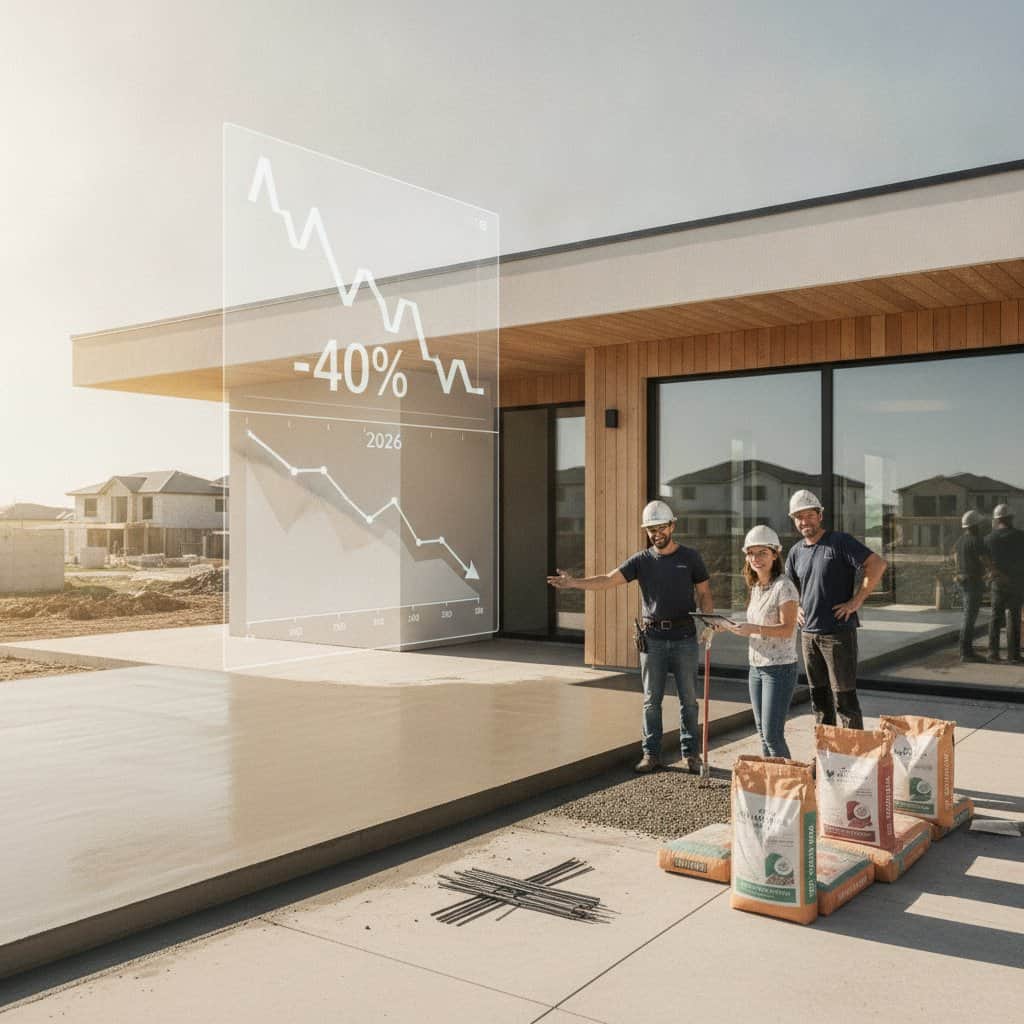
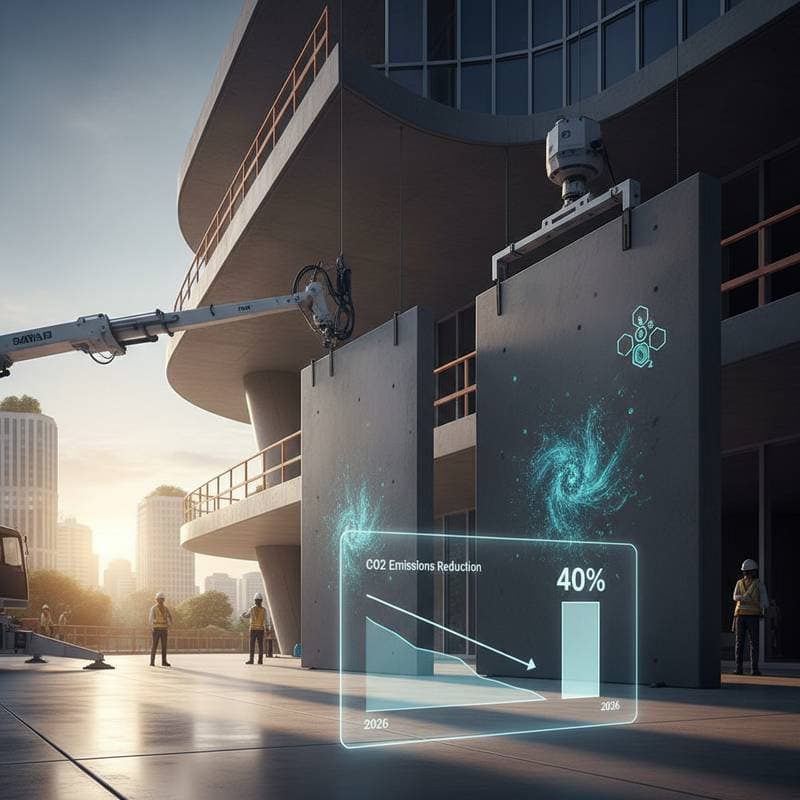
- Carbon-capture concrete captures and stores carbon dioxide during production, reducing emissions by approximately 40 percent.
- This material maintains or surpasses the strength and durability of traditional concrete, making it suitable for a wide range of construction applications.
- Integration into existing projects requires minimal adjustments, allowing builders to adopt it seamlessly for enhanced sustainability.
Understanding Carbon-Capture Concrete
Carbon-capture concrete represents an innovative approach to sustainable building materials. In essence, it incorporates carbon dioxide into the concrete mixture, preventing its release into the atmosphere during the production process.
Traditional concrete production relies heavily on cement, which generates substantial carbon emissions through the heating of limestone. Carbon-capture concrete addresses this issue by actively sequestering CO2, either from the curing phase or from industrial byproducts. This process transforms the concrete from a contributor to climate change into a carbon sink, effectively storing the gas within the material's structure.
The technology draws on established chemical principles, where CO2 reacts with components in the mix to form stable compounds. Builders benefit from a product that aligns with global efforts to reduce the construction industry's environmental footprint, which accounts for nearly 40 percent of worldwide emissions.
The Mechanism Behind Carbon-Capture Concrete
The core of carbon-capture concrete lies in a controlled chemical reaction that permanently binds carbon dioxide. During mixing or curing, CO2 is introduced under precise conditions, where it interacts with calcium ions present in the cement.
This interaction produces calcium carbonate, a mineral that integrates directly into the concrete's matrix. The resulting structure remains solid and impermeable, ensuring the captured carbon stays sequestered for the material's lifespan, which often exceeds 50 years.
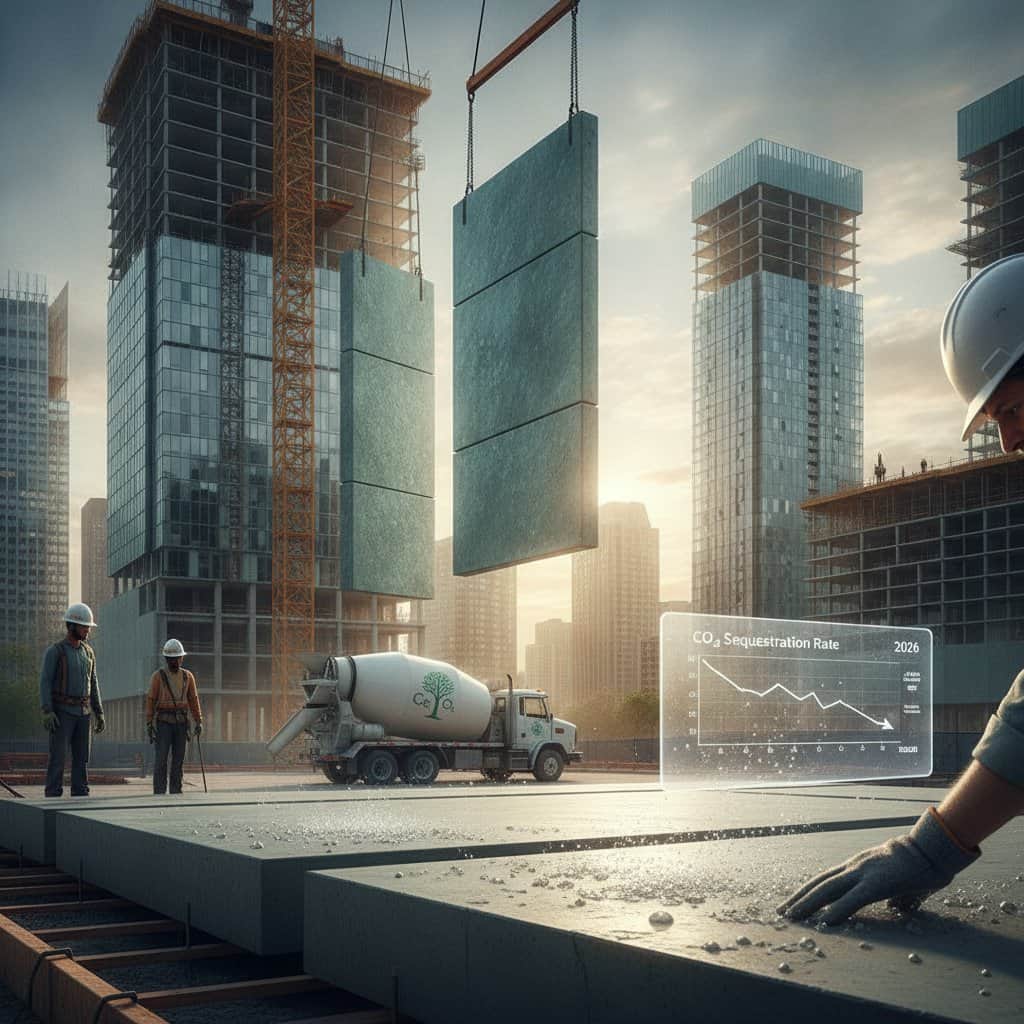
Practical applications demonstrate its reliability. For instance, in commercial high-rises, engineers have reported consistent load-bearing capacities comparable to standard mixes. Residential uses, such as foundations and slabs, show similar performance, with no need for specialized pouring techniques or equipment modifications.
Primary Advantages for Construction Projects
Adopting carbon-capture concrete delivers multiple benefits that enhance both project outcomes and environmental impact. First, it significantly lowers the carbon footprint, achieving reductions of up to 40 percent compared to conventional methods.
Strength remains a key asset; independent tests confirm that compressive strengths meet or exceed industry standards, supporting loads in beams, columns, and floors. Reduced porosity in the material also minimizes water infiltration, which extends the lifespan of structures by preventing issues like freeze-thaw damage.
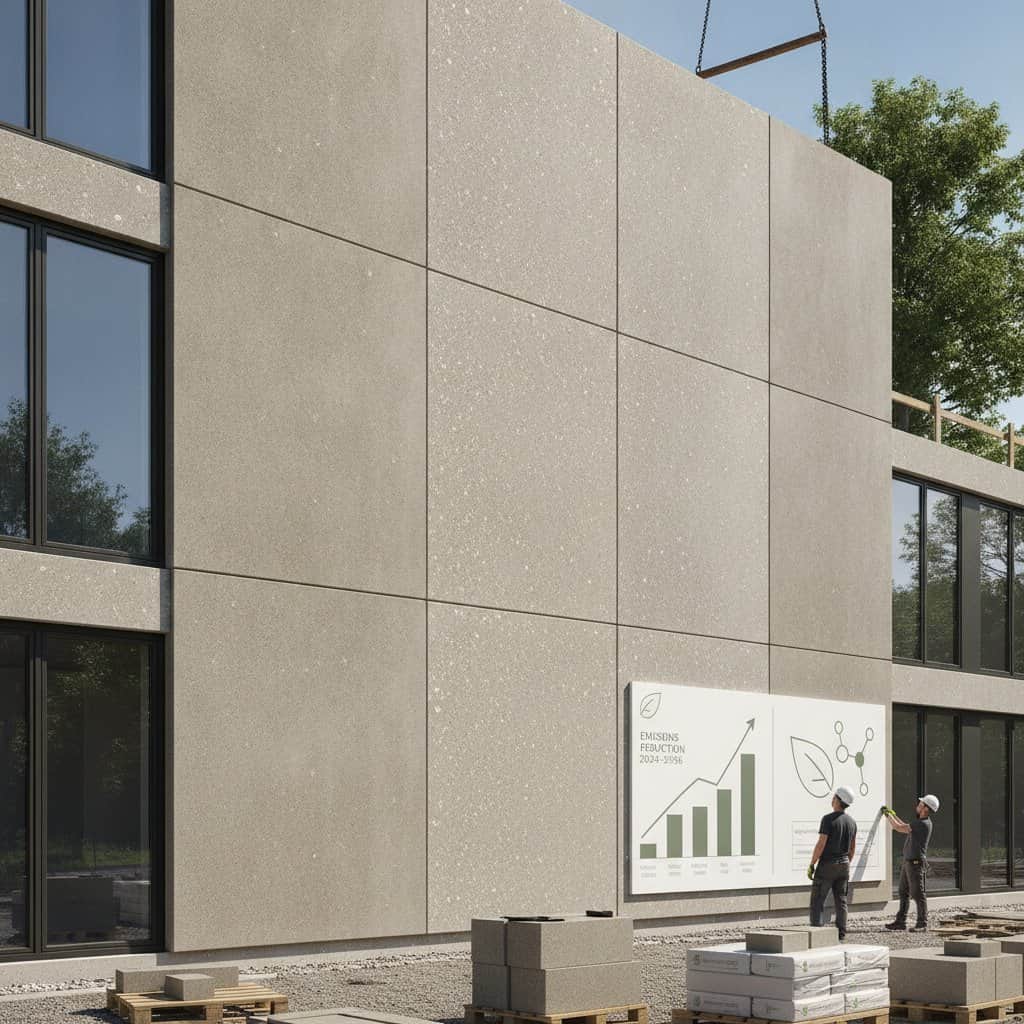
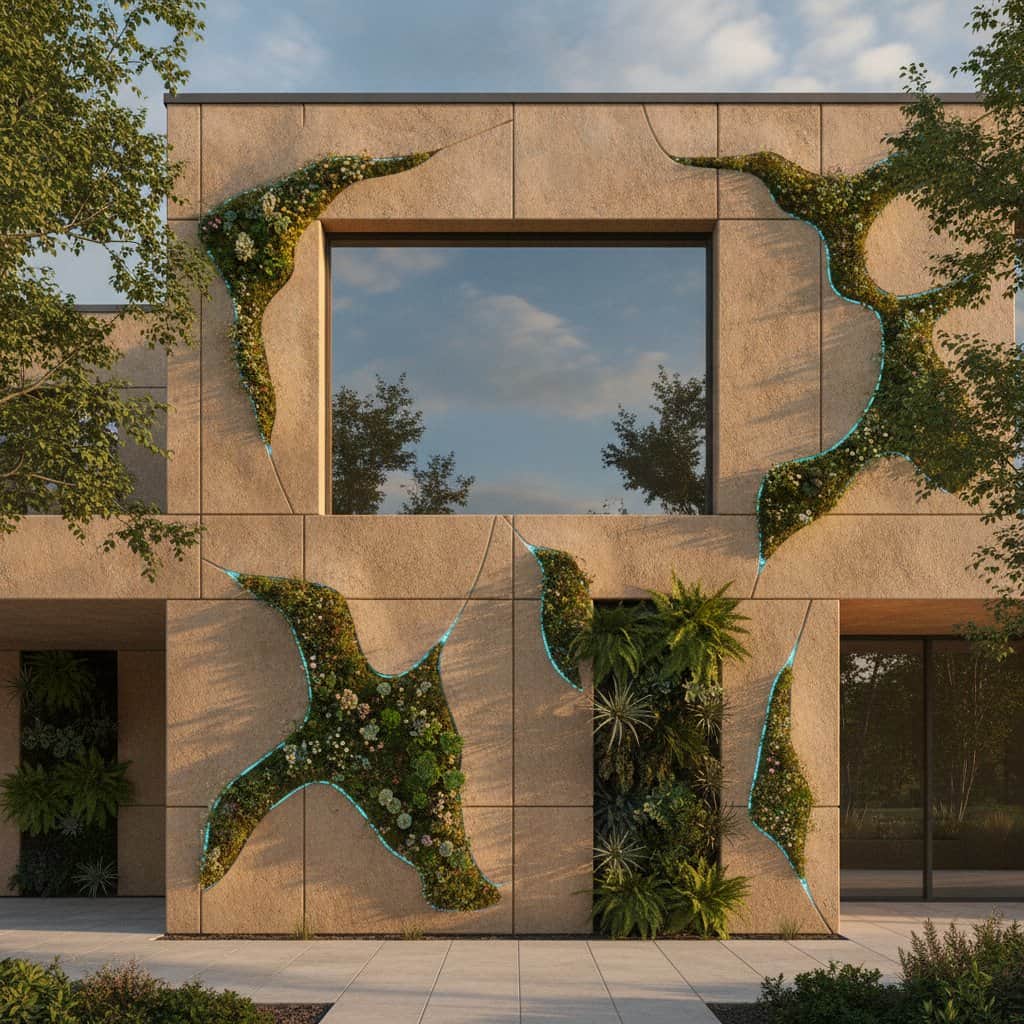
From an economic perspective, the enhanced sustainability appeals to eco-conscious clients and regulators, potentially increasing property values through green certifications. Versatility extends to aesthetic elements, where it performs well in exposed surfaces like facades or walkways, maintaining a natural appearance.
Builders can incorporate it into diverse projects, from urban developments to rural infrastructure. For example, a mid-sized patio installation might use 20 percent less embodied carbon while offering the same visual appeal and maintenance ease as traditional options.
Safety and Durability Considerations
Carbon-capture concrete undergoes rigorous testing to ensure it meets safety and performance benchmarks equivalent to standard concrete. The sequestered CO2 exists as a stable mineral, eliminating risks of release or degradation over time.
Durability tests, including accelerated aging simulations, reveal improved resistance to environmental stressors. The mineral integration creates a denser matrix, which reduces micro-cracking and enhances overall integrity.
Sourcing CO2 from industrial capture further amplifies its safety profile by repurposing emissions that would otherwise contribute to air pollution. Regulatory bodies have approved its use in load-bearing applications, confirming compliance with building codes worldwide.
In practice, structures built with this material exhibit consistent performance across varying conditions, from coastal humidity to arid heat, without additional protective measures.
The Evolving Landscape of Carbon-Capture Concrete
The adoption of carbon-capture concrete is accelerating as research and manufacturing advance. Major producers are scaling operations, which promises broader availability and cost reductions within the next few years.
By 2026, projections indicate that widespread implementation could transform the industry, with emissions cuts becoming standard in new builds. Innovations in CO2 sourcing and mix optimization will likely improve efficiency, making it viable for even budget-constrained projects.
Early adopters gain a competitive edge, positioning themselves as leaders in sustainable practices. As incentives like tax credits emerge, the technology will integrate more deeply into supply chains, from precast elements to on-site pours.
Looking ahead, integration with other green technologies, such as recycled aggregates, could amplify benefits, creating holistic low-carbon solutions for the built environment.
Frequently Asked Questions
Question 1: Does carbon-capture concrete perform effectively in cold climates?
Yes, it maintains structural integrity across temperature extremes. Ensure curing adheres to local guidelines regarding protection from frost and adequate hydration.
Question 2: What maintenance does it require?
Maintenance mirrors that of traditional concrete. Apply sealants as appropriate for the application, and perform routine cleaning to preserve surface quality.
Question 3: Is it possible to prepare carbon-capture concrete on-site for small-scale projects?
Currently, production typically occurs at facilities equipped for CO2 injection. However, pre-mixed batches are available for delivery, suitable for residential or custom work.
Question 4: How does the cost compare to standard concrete?
Initial costs may be 10 to 20 percent higher due to specialized processing, but long-term savings from reduced emissions compliance and enhanced durability offset this.
Question 5: Can it be used in combination with other sustainable materials?
Absolutely. It pairs well with recycled steel reinforcement or low-emission aggregates, further minimizing a project's overall environmental impact.
Implementing Carbon-Capture Concrete in Your Next Project
Transitioning to carbon-capture concrete begins with consulting certified suppliers who provide detailed specifications and support. Evaluate your project's scale to determine batch sizes and delivery logistics.
Collaborate with engineers to verify compatibility with design plans, focusing on mix ratios that optimize carbon sequestration without altering timelines. Track performance metrics post-installation to refine future applications.
This step not only aligns with sustainability goals but also future-proofs investments against evolving regulations. Builders who prioritize such materials contribute to a resilient industry while delivering enduring value to end-users.