Key Takeaways
- Flood zones impose substantial restrictions on mortgage availability, regardless of a property's apparent suitability.
- Lending institutions enforce rigorous flood risk evaluations, accompanied by rapidly increasing insurance premiums.
- Prospective buyers must consult flood maps prior to developing emotional attachment to a property.
- Federal regulations mandate flood insurance for loans in designated zones, influencing approval outcomes.
- Updated flood maps can reclassify areas unexpectedly, complicating financing timelines.
Understanding Lender Caution Toward Flood Zones
Lenders exercise caution with properties in flood zones to safeguard their financial interests. Flood damage often results in repair expenses that exceed the home's market value, leaving lenders with devalued collateral on defaulted loans.
Federal mandates require flood insurance for mortgages secured by properties in high-risk areas, as defined by the National Flood Insurance Program. Without adequate coverage, lenders face potential losses from uninsured disasters. Recent trends show more frequent flood map revisions by the Federal Emergency Management Agency, reclassifying previously safe zones as vulnerable due to climate data and development patterns. Such shifts can occur mid-transaction, prompting lenders to reassess risks and potentially deny applications.
Consider the broader implications: insurance premiums in flood zones have risen by an average of 20 percent annually in recent years, driven by increased claim payouts and reinsurance costs. Lenders factor these elevations into debt-to-income ratios, which may disqualify buyers who overlook the added expense. By prioritizing risk assessment, institutions ensure loan portfolios remain viable amid growing environmental uncertainties.
Essential Precautions When Purchasing or Constructing Near Waterways
Homebuyers and builders must conduct thorough flood risk evaluations to avoid costly oversights. Neglecting this step can lead to denied financing, unexpected expenses, or properties rendered uninhabitable during events.
Follow these detailed guidelines to navigate the process effectively:
-
Consult the FEMA Flood Map Immediately. Before scheduling a viewing, enter the property address into the Federal Emergency Management Agency's online flood map service. A designation in a special flood hazard area signals the need for immediate discussions with insurance providers and lenders regarding affordability impacts.
-
Evaluate Beyond Apparent Elevation Advantages. Properties on elevated terrain may still fall within flood boundaries if surrounding drainage systems prove inadequate. Engage a local floodplain administrator for site-specific analysis, including soil permeability and historical flood data, to uncover hidden vulnerabilities.
-
Obtain a Flood Elevation Certificate Promptly. This official survey documents the structure's elevation relative to the base flood elevation level established for the area. Compliance above this threshold can secure preferred insurance rates or even exemptions from mandatory coverage requirements.
-
Independently Verify Flood Status Information. Sellers may lack current knowledge of map updates or historical designations. Cross-reference FEMA data with municipal records to confirm accuracy and avoid reliance on potentially outdated assurances.
-
Incorporate Flood Insurance into Initial Budget Projections. Premiums for flood coverage typically range from 300 to 1,200 dollars annually, depending on zone severity and property features. Failure to account for this can inflate monthly housing costs by 25 to 50 dollars or more, transforming a viable purchase into a financial strain.
-
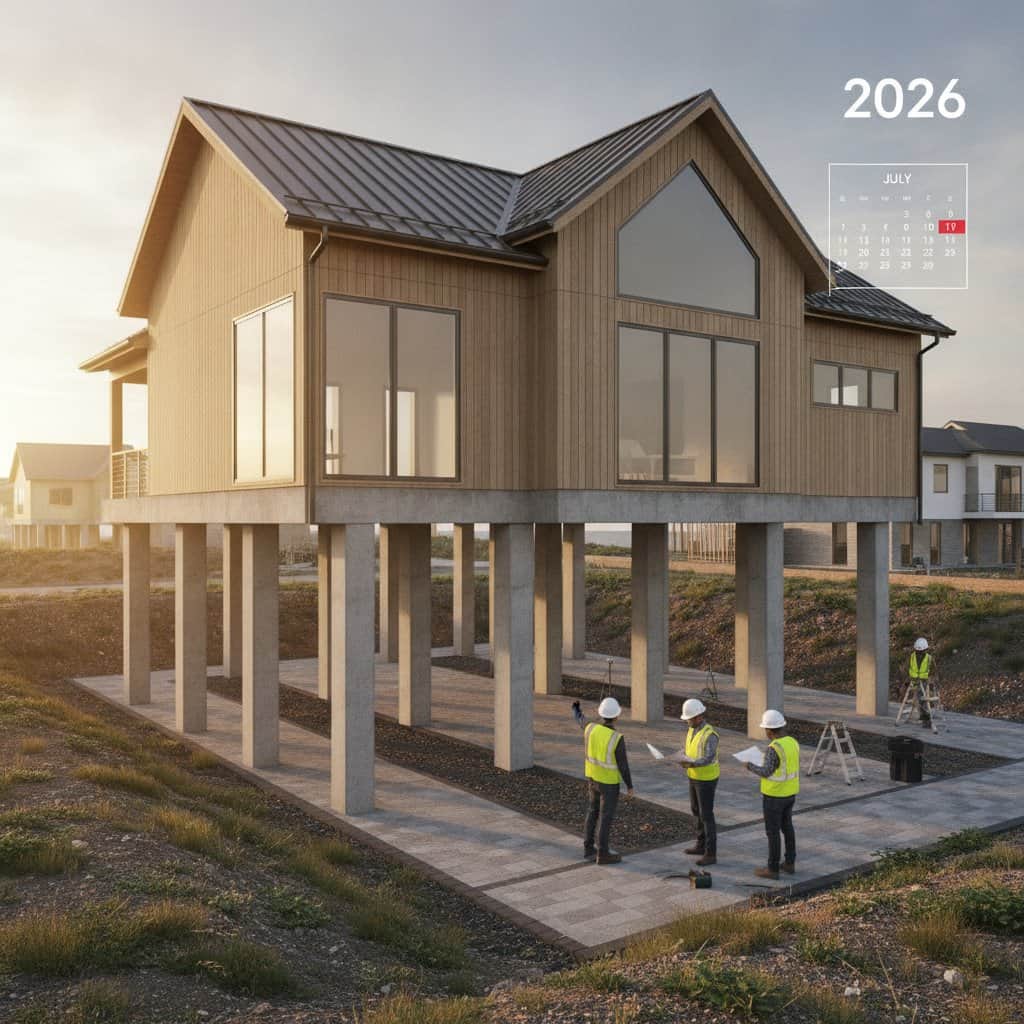
Assess Long-Term Resiliency Measures. During planning stages, integrate features such as raised foundations or impermeable barriers. These enhancements not only mitigate risks but also appeal to insurers, potentially lowering premiums over time.
By adhering to these practices, individuals position themselves to make informed decisions that align with both personal goals and regulatory demands.
Strategies for Overcoming Mortgage Denials Due to Flood Risks
A mortgage denial stemming from flood concerns disrupts plans but does not end the pursuit of homeownership. Swift, targeted actions can reopen pathways to approval.
Begin by requesting a detailed explanation from the initial lender. Often, the issue arises from prohibitive insurance quotes rather than the zone classification alone. Review these figures against market averages to identify negotiation opportunities or errors in assessment.
Next, explore alternative lending sources. Community banks and credit unions frequently demonstrate greater flexibility with regional flood dynamics, offering customized solutions that national institutions might overlook. Compare terms across at least three providers to secure competitive rates.
Engage a certified floodplain engineer for professional intervention. These experts can contest inaccurate map designations through appeals processes or recommend structural modifications that satisfy lending criteria. Such collaborations often resolve issues within 30 to 60 days.
Additionally, investigate available mitigation incentives. Federal and state programs, including grants from the Federal Emergency Management Agency, support elevations, flood vents, or sump pump installations. These funds reduce upfront costs and enhance property eligibility for financing.
One couple encountered this challenge when their ideal lakeside residence prompted a lender withdrawal due to updated zone mapping. They consulted an engineer to implement minor elevations, then partnered with a local bank versed in area regulations. Through persistent effort, they obtained approval and now reside contentedly by the water, their home fortified against future risks.
Frequently Asked Questions on Flood Zones and Financing
Question: How can one determine if a specific property lies within a flood zone?
Access the Federal Emergency Management Agency's flood map tool or consult the local planning department's online resources. Both services provide free, up-to-date visualizations based on the property's coordinates, enabling quick risk identification.
Question: What role does climate change play in flood map updates?
Rising sea levels and intensified rainfall patterns prompt the Federal Emergency Management Agency to incorporate advanced modeling into revisions. Areas previously deemed low-risk may shift categories every five years, reflecting evolving threats.
Question: Are there alternatives to traditional flood insurance?
Private insurers offer policies that supplement or replace National Flood Insurance Program coverage, often at varied premiums. Compare options through independent agents to find coverage that balances cost and protection levels.
Question: How long does a flood map appeal process typically take?
Appeals generally span 60 to 90 days, involving submission of elevation data and hydrological evidence. Success rates improve with professional assistance, potentially altering zone status and easing financing hurdles.
Securing Your Path to Homeownership Amid Flood Risks
Navigating flood zones demands vigilance, yet it empowers buyers to build resilient futures. By integrating early assessments, budgeting for protections, and leveraging expert guidance, individuals transform potential obstacles into opportunities for secure investments. This approach not only facilitates mortgage success but also ensures long-term stability in an era of environmental change. Homebuyers who prioritize these steps emerge with properties that withstand challenges, preserving both dreams and financial well-being.