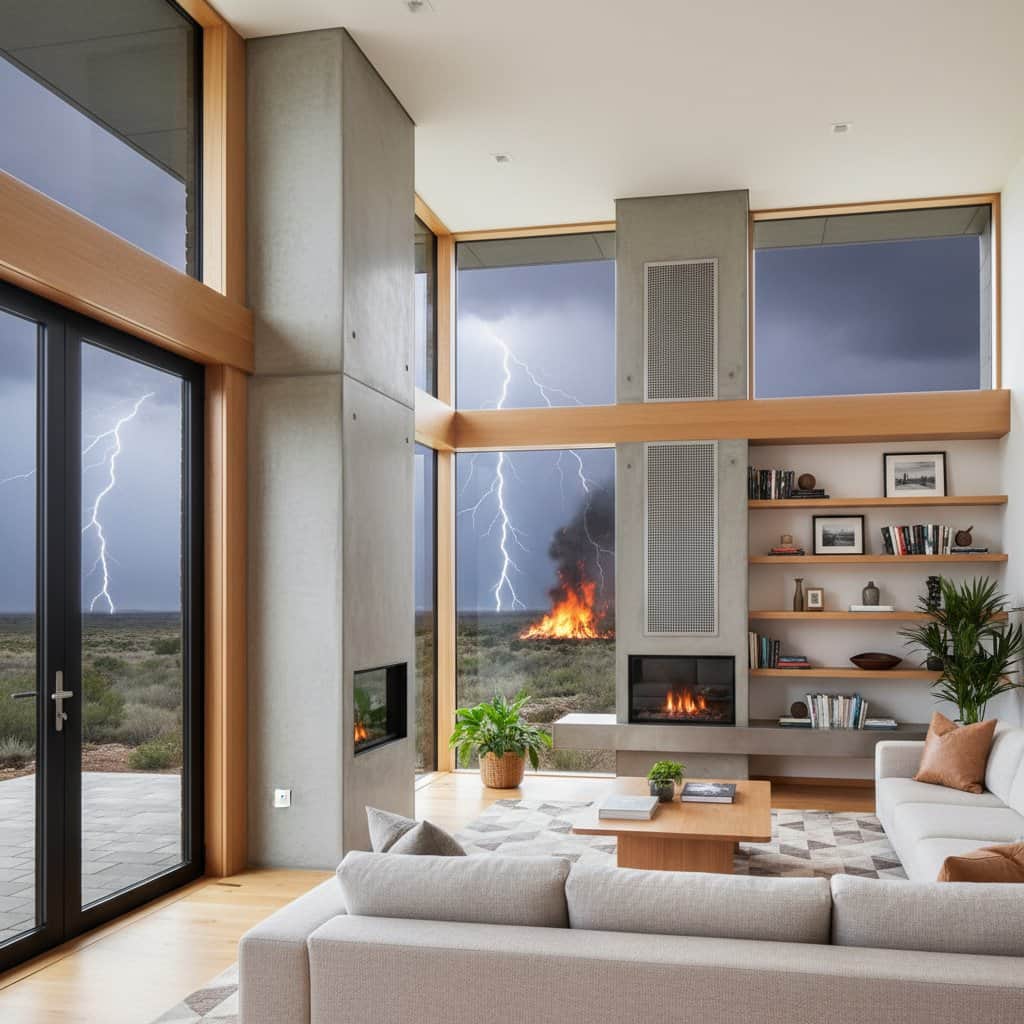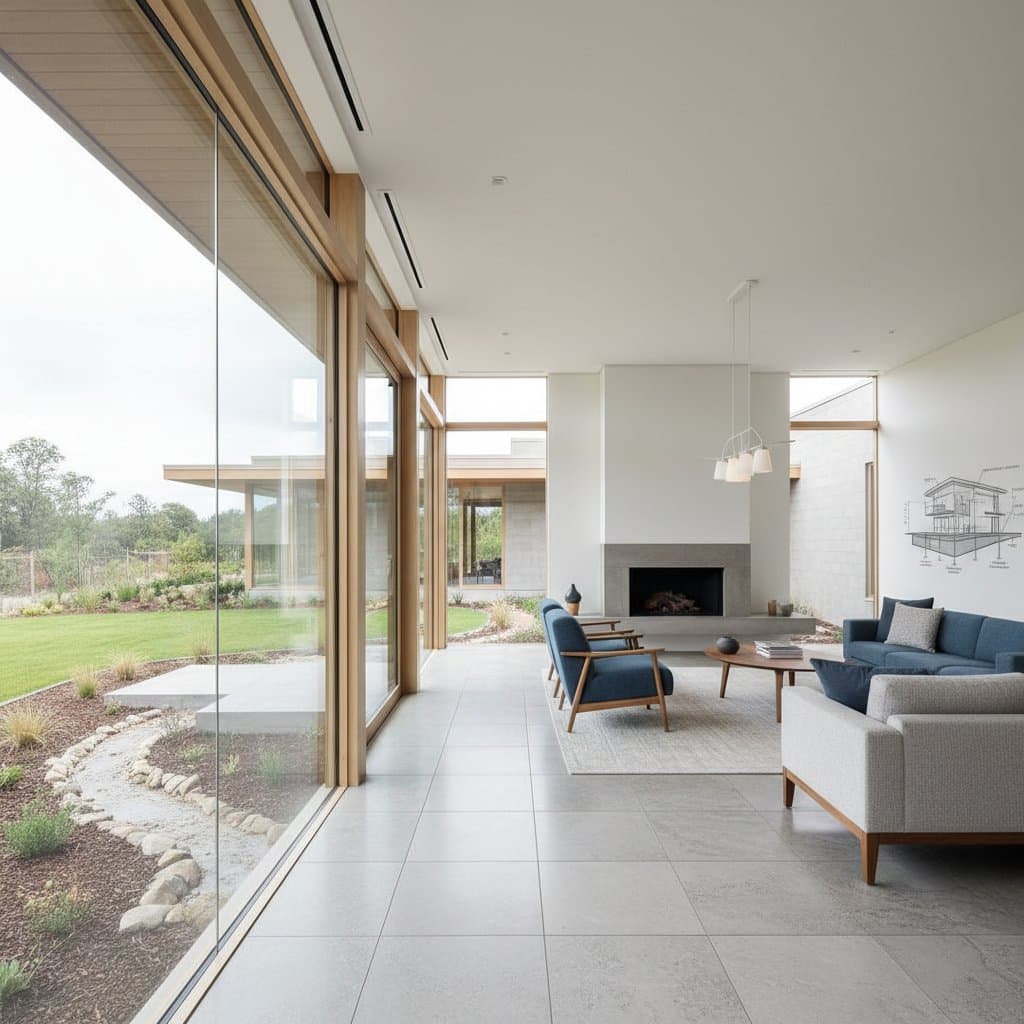
Standards for Wildfire- and Flood-Resistant Homes
Picture yourself on the porch at dusk, observing the yard as evening settles in. The hum of insects fills the air, mingled with the scent of nearby trees. News of approaching wildfires or upstream storms disrupts this serenity, highlighting the vulnerability of everyday living.
Contemporary homes can incorporate resilient designs to counter these threats. Professionals in construction, design, and homeownership increasingly adopt advanced materials, stringent building codes, and established standards. These approaches represent proven, accessible strategies suitable for diverse communities and financial plans.
Addressing Contemporary Risks from Wildfires and Floods
Resilience concerns extend beyond remote forests or river edges. Evolving weather patterns, including prolonged droughts and irregular rainfall, affect urban and suburban areas alike. Smoke from distant fires can infiltrate cities, prompting reevaluation of local properties. Similarly, intense storms can saturate infrastructure, transforming roads into waterways.
Conventional building practices often overlook such dynamics. Elements like wooden exteriors, exposed rooflines, and ground-level enclosures introduce risks. Emerging codes target these weaknesses, harmonizing functionality with visual appeal.
Key Building Standards Overview
Throughout North America, authoritative guidelines shape climate-adaptive construction. These emphasize material performance against extreme heat, moisture, and impact forces. Prominent frameworks encompass wildfire mitigation protocols, flood elevation requirements, and certification programs tailored to regional conditions.
Such regulations prioritize containment and damage reduction over absolute invulnerability. Their essence lies in enhancing survival odds through deliberate, evidence-based measures.
Designing Homes for Wildfire Resistance
Effective wildfire protection recognizes embers as primary ignition sources. These particles settle on combustible surfaces like roof valleys or outdoor furnishings, sparking rapid escalation. Updated codes mandate targeted interventions to mitigate this process.
-
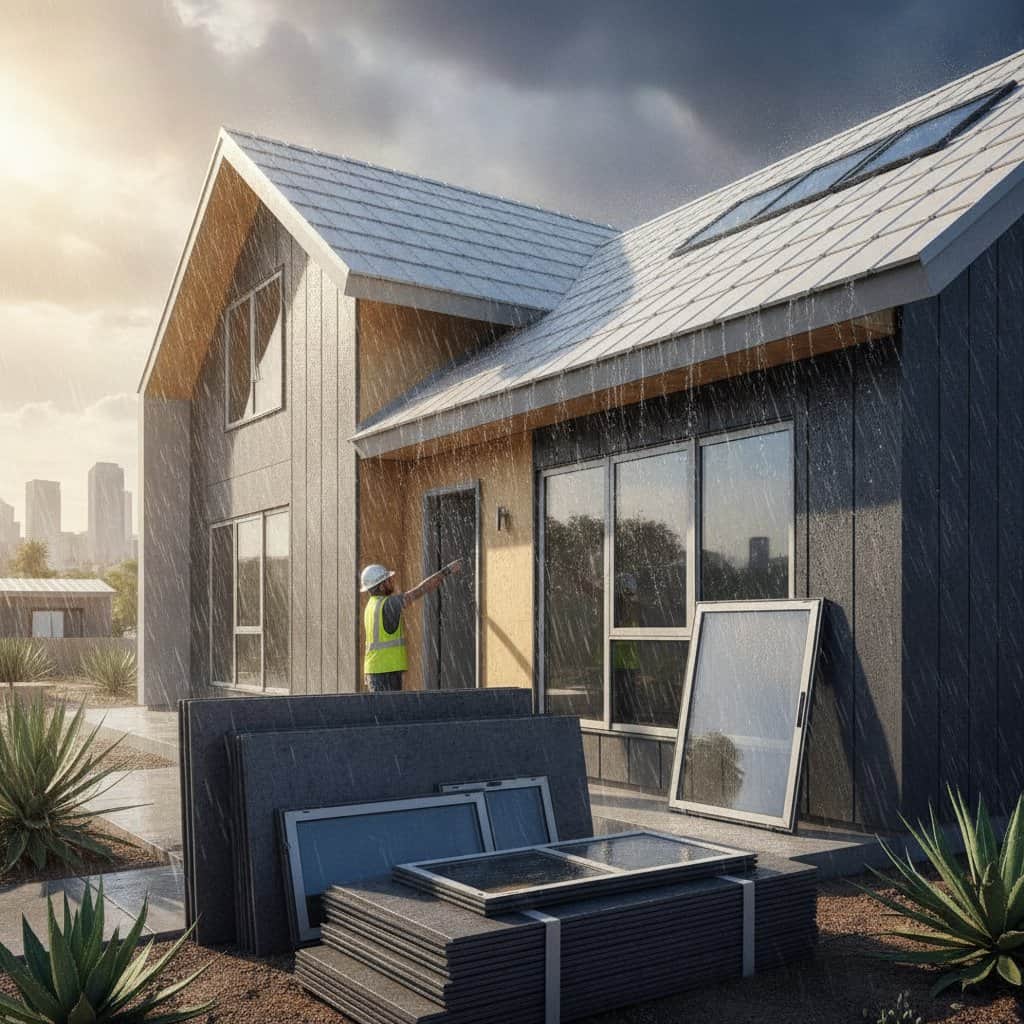
Roofing selections require Class A fire-rated options, including metal panels, clay tiles, or treated asphalt compositions. These materials endure high temperatures and facilitate debris removal.
-
Defensible zones establish non-combustible perimeters. Within five feet of exterior walls, opt for stone aggregates over organic ground covers. Elevated planters replace dense foliage, maintaining elegance with minimal upkeep.
-
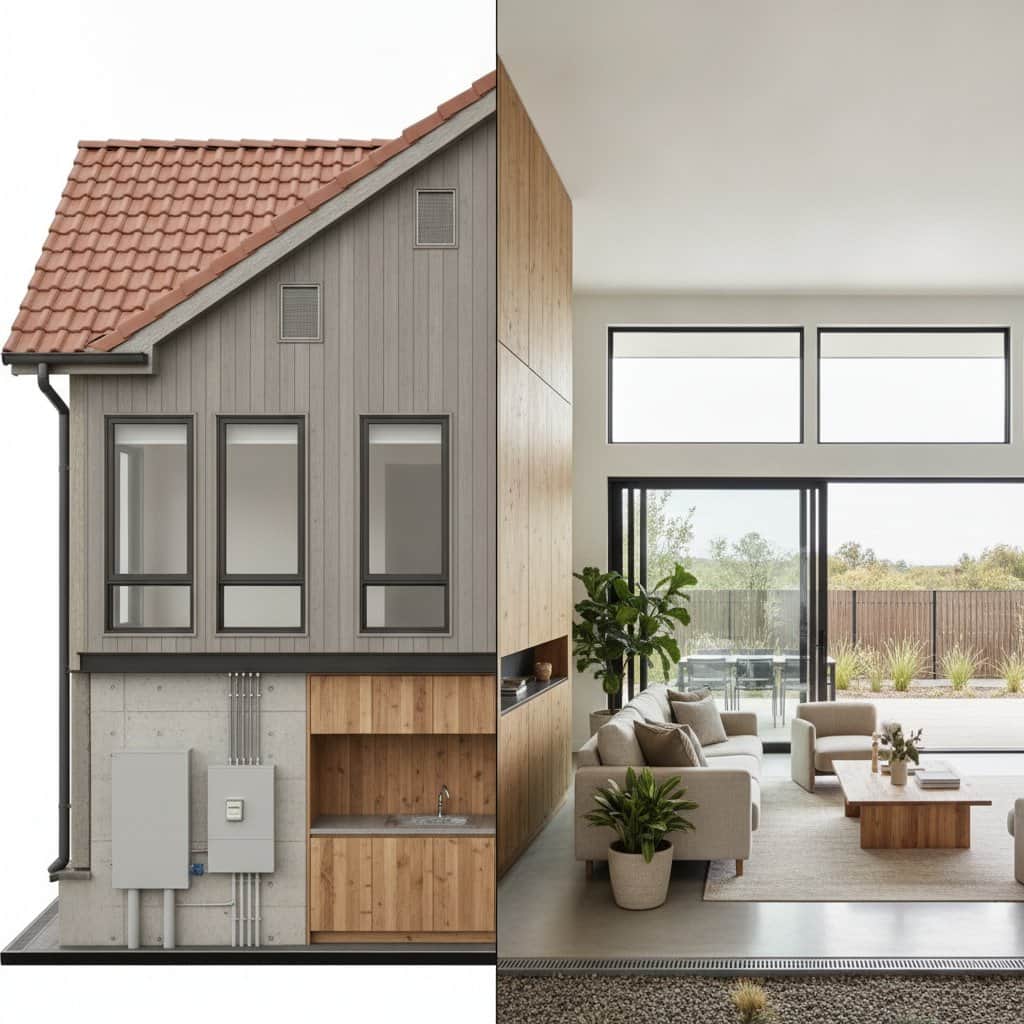
Ventilation systems incorporate fine-mesh screens, typically one-quarter inch, to exclude embers while preserving circulation. This adjustment demands minimal effort yet fortifies overall integrity.
-
Exterior finishes and platforms utilize non-ignitable alternatives like fiber-cement boards, plaster applications, or fire-retardant timbers. Available in varied hues from muted greens to bold grays, these options blend sophistication with durability.
-
Glazing and framing employ heat-tempered glass in multi-layer configurations. Such installations provide thermal barriers and acoustic benefits alongside radiant resistance.
Compliance with these national benchmarks, validated through simulated fire scenarios, frequently yields insurance reductions and elevated market appeal. Prospective buyers prioritize verified resilient attributes.
Strategies for Flood-Resistant Construction
Flood mitigation shifts focus from resistance to accommodation. Codes promote fluid passage or diversion to avert foundational compromise. Priorities include structural lifting, efficient water management, and moisture-tolerant components.
-
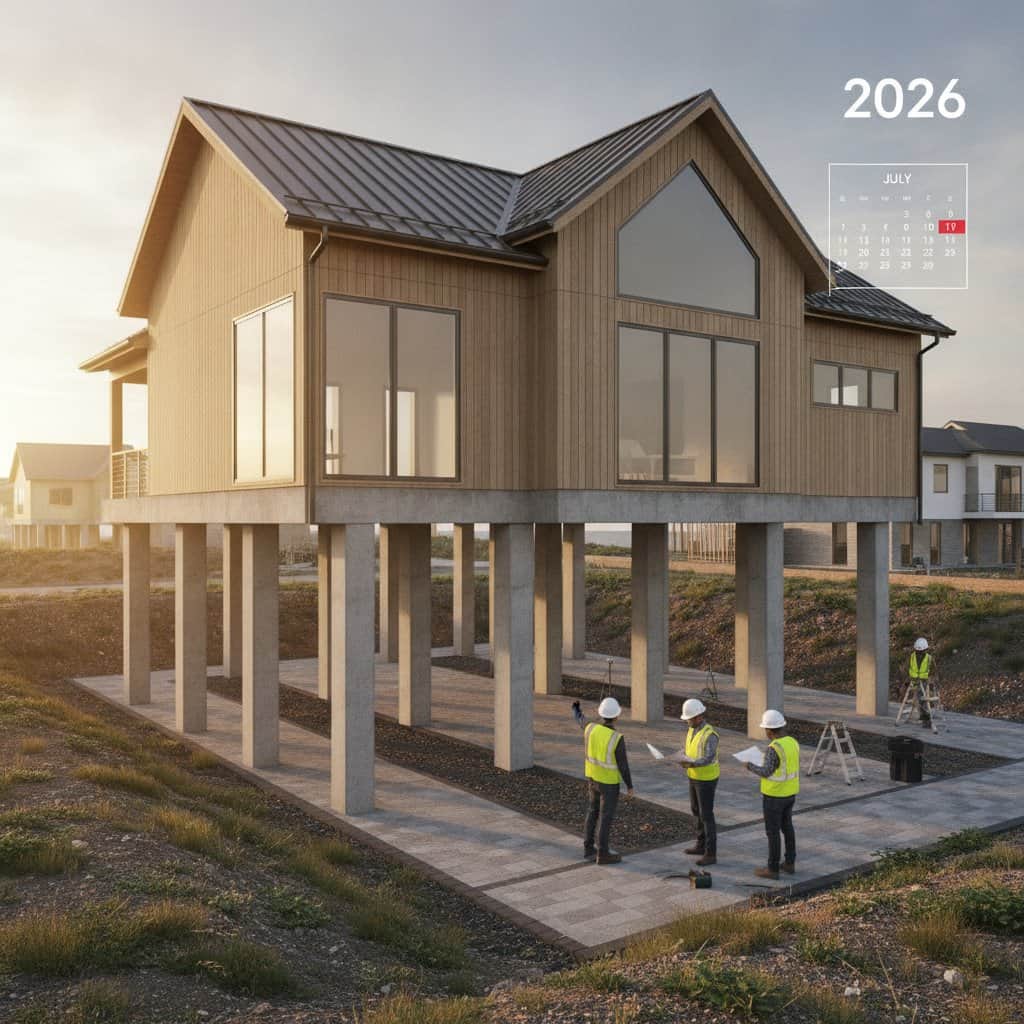
Site elevation and contouring form initial barriers. Elevated slabs or columnar supports position habitable areas beyond anticipated water levels. Incremental raises of two feet significantly alter outcomes. Redirecting slopes toward retention basins prevents pooling near entryways.
-
Breakaway apertures at foundation bases equalize hydrostatic forces. These engineered vents permit bidirectional flow, alleviating wall pressures at low installation costs.
-
Moisture-resilient assemblies for subgrade and lower enclosures feature masonry, sealed concretes, or insulating foams. These outperform absorptive panels or raw woods in recovery from saturation.
-
Utility placements elevate wiring, fixtures, and controls above flood planes. Standard protocols in vulnerable regions minimize downtime and repair expenses.
-
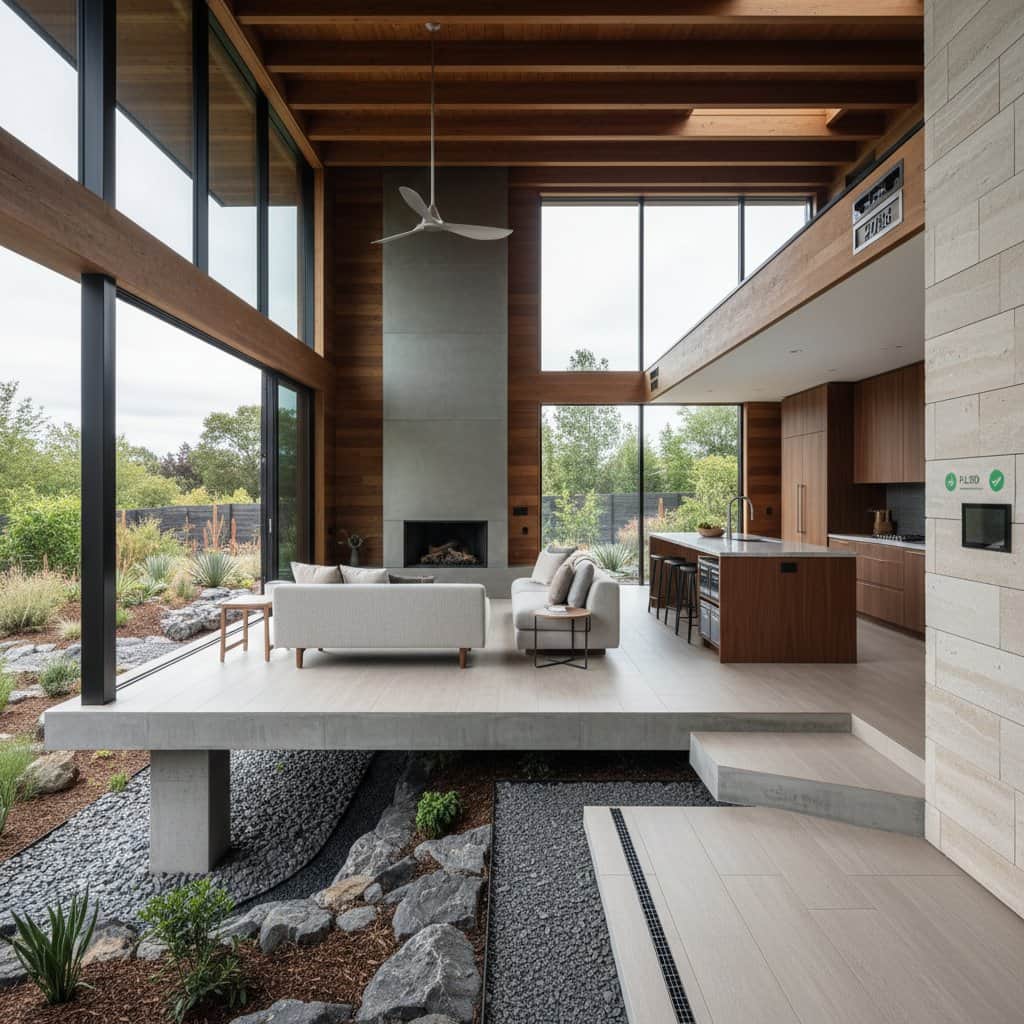
Surface water control integrates bioswales, porous pavements, and channeled depressions. These elements enhance landscapes while accelerating infiltration. Permeable driveways, for instance, dissipate standing water promptly after precipitation.
Integrating Resilience with Aesthetic Design
Protective measures need not compromise style. Exemplary residences fuse safeguards with architectural finesse. Reflective metal roofs capture dawn illumination. Textured sidings emulate natural grains indistinguishably.
Strategic planning embeds these elements from inception. Retrofitting proceeds incrementally, prioritizing high-impact areas like enclosures before ventilation enhancements. Progressive adaptations yield cohesive results.
Investment Considerations and Budgeting
Adopting these codes involves upfront commitments, offset by material proliferation and longevity. Consider these estimates for informed decisions:
-
Roof replacements: Metal systems incur moderate to elevated per-unit expenses based on regional factors, yet endure for generations.
-
Durable claddings: Fiber-cement variants offer balanced pricing with superior wear resistance, extending repaint intervals.
-
Structural lifts: Site-specific variables influence costs; consult engineers for precise assessments.
-
Landscape modifications: Stone features and water features remain economical, implementable in phases over weekends.
Municipal incentives, including rebates and credits, support transitions. Insurers reward compliance with premium adjustments, recouping investments over time.
Accessing Regional Guidance
In woodland-adjacent locales, fire district initiatives provide complimentary audits and material recommendations. Certified contractors streamline adherence to zoning and supply chains.
Flood-vulnerable communities benefit from municipal hazard mappings and prototype illustrations. Retail outlets stock adaptive products like sealed barriers and enhanced sealants, once niche offerings.
Local formulations for coatings and adhesives ensure compatibility. Applied to trim elements, they retain vibrancy through seasonal exposures.
Sustaining Resilience Through Upkeep
Durability demands consistent vigilance. Annual perimeter inspections identify erosion or accumulation. Gutter clearing prevents overflow, while vent inspections maintain functionality.
Employ extended-reach tools for overhead clearance, averting ember nests. In inundation zones, verify sump operations and auxiliary power. Elevate valuables to mitigate residual risks.
Empowering Homeowners with Resilient Choices
Familiarity with these protocols demystifies adaptation. Awareness fosters proactive confidence, transforming weather events from sources of anxiety to manageable occurrences.
Incremental implementations suit varied timelines. Material substitutions or feature additions accumulate benefits. Adaptive structures, like informed owners, thrive through evolution.
Experiencing Enhanced Security
Completed enhancements instill assurance. Alerts lose urgency when preparedness prevails. Functional details, from durable surfaces to integrated barriers, reveal inherent grace in protection.