Homebuilders Reach Record Levels with $25,000 Mortgage Rate Buydowns
High interest rates have altered the landscape of home purchasing, making monthly payments a significant barrier for many qualified buyers. Homebuilders recognize this challenge and respond with substantial incentives, including mortgage rate buydowns up to $25,000. These programs lower effective interest rates, thereby reducing payments and enabling buyers to secure desired properties more feasibly.
Understanding the Current Homebuying Environment
Elevated interest rates impact even buyers with strong credit profiles and ample savings. Rather than reduce home prices universally, which could complicate future valuations, builders opt for targeted incentives. A $25,000 buydown can substantially decrease the interest rate, providing financial relief and allowing time for potential refinancing as market conditions evolve.
These offers appear as temporary rate buydowns or builder-funded reductions. In essence, the builder allocates funds at closing to the lender, which applies them to diminish the borrower's interest rate over a specified duration or the loan's full term.
Mechanics of a Mortgage Rate Buydown
At closing, the builder deposits funds with the lender to cover a portion of the interest payments. The lender then adjusts the borrower's rate downward, resulting in reduced monthly obligations.
Buyers encounter two primary buydown varieties:
-
Temporary buydown: The rate begins at a reduced level and incrementally rises to the permanent rate. For instance, it might commence at 3 percent in year one, advance to 4 percent in year two, and then settle at the full rate thereafter.
-
Permanent buydown: Funds secure a lower rate for the loan's entire duration, ensuring ongoing savings.
Such arrangements ease initial financial pressures, particularly during transitions to new living expenses.
Reasons Builders Provide These Incentives
In a competitive market, builders seek alternatives to price cuts that preserve property values. Buydowns serve as effective tools to sustain pricing while facilitating buyer qualification and accelerating sales.
Builders frequently collaborate with preferred lenders experienced in these structures. These partnerships streamline processing, allowing buyers to concentrate on customization decisions such as flooring and fixtures.
Key Considerations Before Accepting an Offer
Examine the terms closely, as advertised maximums may vary based on home price and loan specifics. Programs often limit concessions to a loan percentage.
Pose these inquiries:
- Does the buydown apply temporarily or permanently?
- What adjustments occur post-buydown period?
- Is eligibility tied to the builder's preferred lender?
- Can this incentive combine with additional discounts or closing cost assistance?
Thorough review prevents surprises and aligns the offer with long-term plans.
Benefits and Limitations
Benefits:
- Reduced monthly payments that improve qualification chances.
- Non-repayable contributions from the builder.
- Option to refinance should rates decline.
Limitations:
- Potential payment increases following temporary periods.
- Requirement to utilize the builder's lender for maximum benefits.
- Lesser value for long-term owners compared to permanent reductions.
Weigh these factors against personal financial goals and housing intentions.
Financial Implications and Examples
Stabilized material costs enable builders to allocate margins toward buyer incentives. On a $500,000 home, a $25,000 buydown equates to about 5 percent of the purchase price, yielding notable affordability gains.
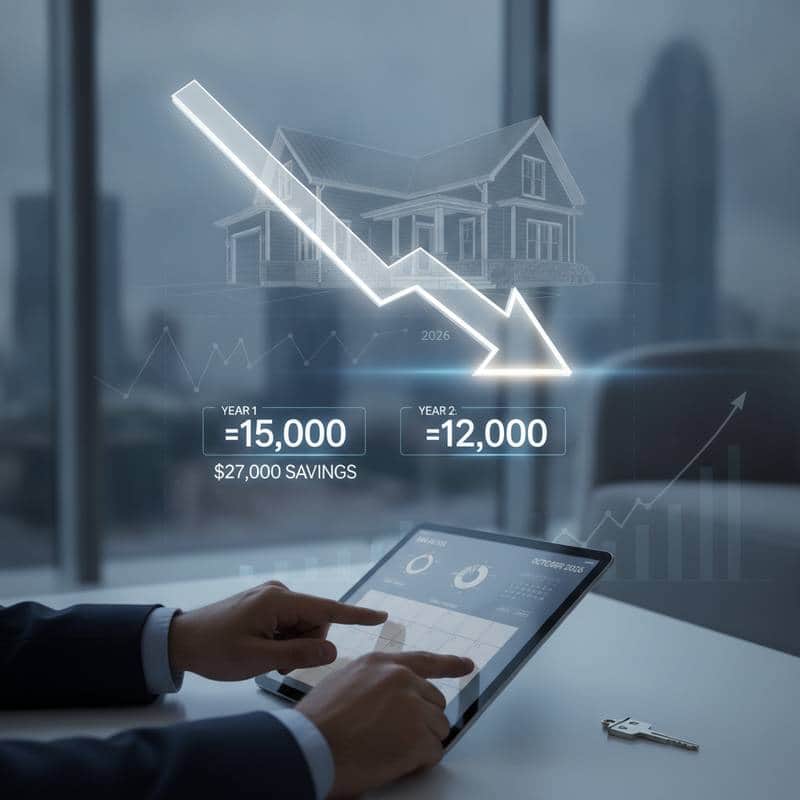
A 2 percent temporary buydown could decrease first-year payments by hundreds of dollars monthly. Cumulative savings over the buydown term may reach thousands, offsetting initial relocation expenses.
Regional Approaches and Support Options
In regions with robust new construction, consult local builders and mortgage experts. Community credit unions or bank-affiliated loan centers often feature tailored buydown initiatives that complement builder offers.
Buyers in active markets leverage these to afford larger properties or reserve funds for enhancements like exterior improvements. Compare builder incentives against independent lender negotiations for optimal results.
Steps to Secure and Evaluate a Buydown
View a $25,000 buydown as a means to stabilize early homeownership finances. Collaborate with a lender to model scenarios, including payment projections with and without the incentive.
Approach decisions methodically. Builders aim to close sales and typically provide detailed explanations. Document discussions and seek agent input to inform choices.
Creating a comparison table of incentives, projected savings, and overall expenses clarifies options amid enthusiasm.
Maximizing Long-Term Value from Your Buydown
With lower initial payments, new homeowners experience reduced stress and greater flexibility for settling in. These programs extend beyond promotions, functioning as practical aids for sustainable homeownership.
By selecting the appropriate buydown type, buyers position themselves for financial stability throughout their residency.