How a 2-1 Buydown Saves You Up to $40,000 on Your 2025 Mortgage
Homebuyers face a challenging landscape with elevated interest rates persisting into 2025. Many prospective owners seek strategies to reduce initial costs without sacrificing long-term financial health. A 2-1 buydown emerges as a practical solution, temporarily lowering monthly payments to provide essential relief during the early years of homeownership.
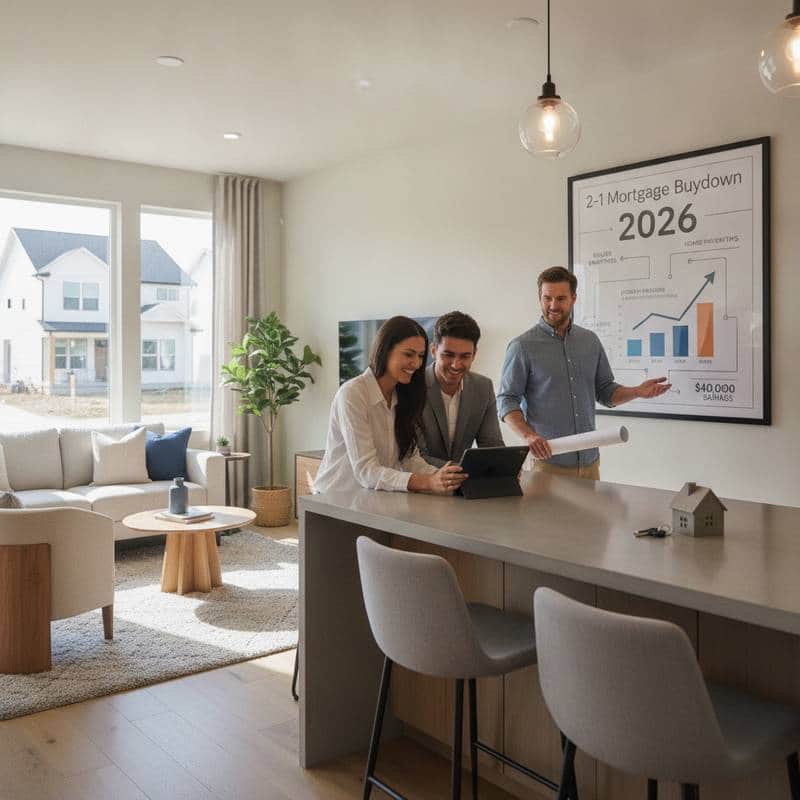
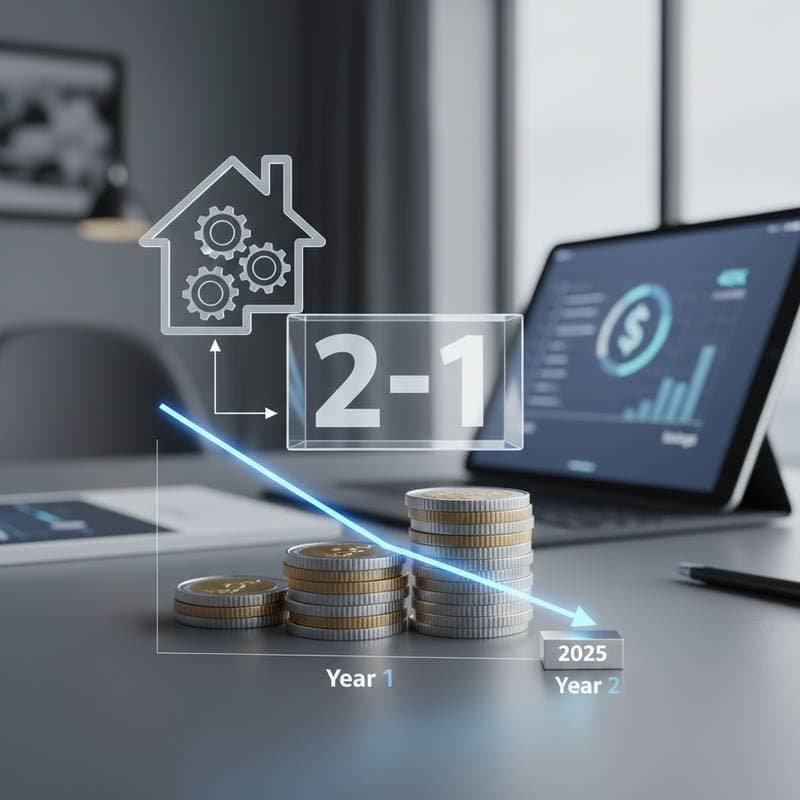
This financing option involves prepaying interest through discount points, typically funded by the buyer, seller, or lender. The structure reduces the interest rate by two percentage points in the first year and one percentage point in the second year, after which the loan reverts to the original note rate. For a $400,000 mortgage at a 7% note rate, this adjustment could lower first-year payments from approximately $2,661 to $2,149, yielding cumulative savings of around $40,000 over the loan term when combined with strategic use of the funds.
Understanding the Appeal for Today's Buyers
First-time buyers and those relocating often encounter peak expenses in the initial homeownership phase. Costs such as closing fees, moving expenses, and minor renovations strain budgets alongside regular mortgage payments. The 2-1 buydown addresses this by delivering immediate payment reductions, allowing homeowners to allocate resources toward establishing stability.
Buyers anticipating income increases find this approach particularly advantageous. Professionals in growing fields, such as technology or healthcare, may project salary advancements within two years. The buydown aligns payments with current earnings, facilitating a seamless transition as finances improve.
Sellers in competitive markets also leverage buydowns to enhance property appeal. By contributing to the upfront costs, they avoid price reductions while accelerating sales. This tactic proves effective in areas with balanced buyer demand, where incentives differentiate listings.
Ideal Scenarios for Implementing a 2-1 Buydown
Consider a 2-1 buydown if your financial situation involves short-term constraints followed by growth. Recent graduates or career changers benefit from the grace period, using lower payments to cover student loans or certification expenses. The strategy supports home purchases now rather than postponing until conditions improve.
Refinancing plans complement this option. If rates decline below your note rate within the buydown period, refinancing locks in lower costs permanently. Consult rate forecasts from economic indicators to time this move effectively.
From a seller's perspective, propose a buydown during negotiations to bridge gaps in offers. This maintains the asking price while providing buyer concessions equivalent to a 1-2% price cut in perceived value. Both parties achieve objectives: buyers gain affordability, and sellers secure quicker closings.
Steps to Implement a 2-1 Buydown Effectively
Engage a knowledgeable mortgage lender early to evaluate buydown feasibility. They will calculate precise costs, often 2-4% of the loan amount for the temporary rate reduction, and compare them against standard loan scenarios.
Follow these structured steps to integrate the buydown into your purchase:
- Discuss options with your loan officer during pre-approval to model payment impacts.
- Examine the amortization schedule to understand phase transitions and total interest savings.
- Budget for the full rate adjustment by directing initial savings into a dedicated account.
- Propose seller funding in your offer letter, highlighting mutual benefits like faster escrow.
- Verify contract terms, including funding sources and escrow disbursement schedules, to prevent disputes.
Anticipate lender requirements, such as credit qualifications matching the note rate, to ensure smooth approval.
Maximizing Benefits from Initial Payment Reductions
The freed-up cash from reduced payments opens opportunities for financial strengthening. Direct portions toward an emergency fund covering three to six months of expenses, enhancing security against unforeseen repairs or job shifts.
Invest in home improvements that yield returns. Install LED lighting to cut utility bills by 20-30% annually, or apply fresh paint to boost curb appeal and resale value. These enhancements transform savings into tangible assets.
For advanced users, apply excess funds to principal reduction. On a 30-year loan, extra payments of $500 monthly in the first two years could shave years off the term and save tens of thousands in interest. Track progress with lender statements to maintain momentum.
Navigating High Rates with Confidence
Persistent high rates create hesitation among buyers, yet waiting risks further market shifts. The 2-1 buydown mitigates commitment risks by offering adaptability in an uncertain economy. It empowers decisions based on current opportunities rather than ideal conditions.
This approach suits diverse lifestyles, from young families building equity to empty-nesters downsizing strategically. By easing entry barriers, it promotes broader access to homeownership benefits like tax deductions and wealth accumulation.
Ultimately, the buydown fosters a proactive stance. Homeowners gain time to stabilize finances, pursue career goals, and personalize their spaces without immediate pressure. This foundation supports enduring satisfaction in the homeownership journey.
Enhancing Your Home with Strategic Savings
Lower initial payments enable investments that elevate living quality. Prioritize functional upgrades, such as organizing storage solutions to streamline daily routines or landscaping features that extend outdoor enjoyment.
View these savings as a catalyst for personalization. Select durable materials that align with long-term plans, ensuring the home evolves with your needs. This intentional use amplifies the buydown's value beyond mere cost reduction.