Unlock $40,000 in Savings by 2026: Mastering the 2-1 Buydown Strategy
Picture the moment you step through the door of your new home, a blend of excitement and apprehension accompanying the reality of mortgage payments. The house meets your vision, yet the initial costs exceed expectations. Many buyers question whether they should have delayed until interest rates declined. This scenario prompted my discovery of the 2-1 buydown, a strategic financing option that delivers substantial savings in the early years of homeownership.
The 2-1 buydown provides a legitimate method to manage initial mortgage expenses without compromising future objectives. With deliberate planning, this approach enables savings of approximately $40,000 over the course of your loan. Builders and lenders frequently incorporate it into offers, making it accessible for prospective buyers.
Understanding the Appeal of Buydowns from Builders and Lenders
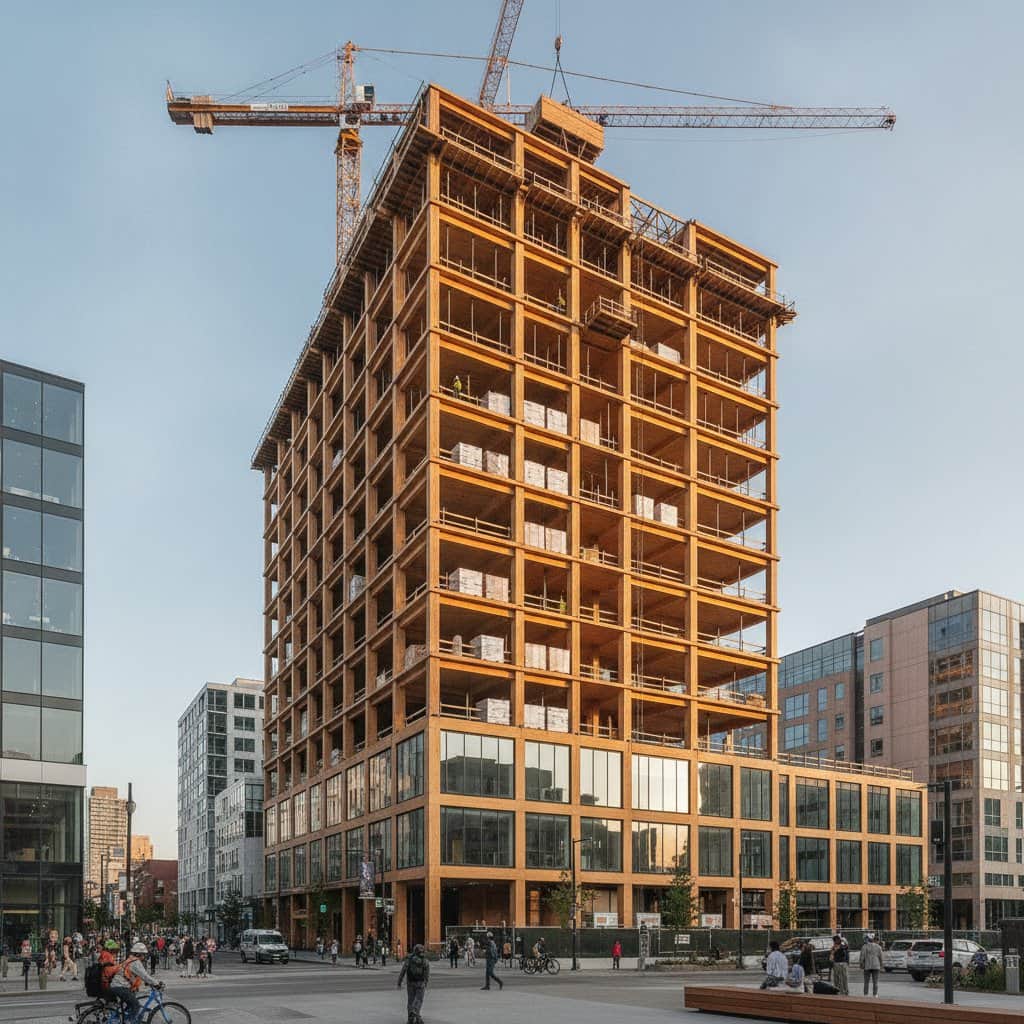
Builders and lenders employ buydowns to draw in purchasers amid competitive markets. During visits to new developments, promotions such as reduced payments for the initial two years or builder-funded rate adjustments appear frequently. These initiatives represent 2-1 buydown programs designed to facilitate quicker sales.
Builders gain by accelerating inventory turnover without reducing asking prices. Buyers receive prompt relief on payments during the adjustment period of settling into a new property. Lenders maintain consistent loan structures, ensuring reliability throughout the term.
In one instance, I assisted a couple purchasing a newly constructed residence where the builder assumed the full buydown expense. Their monthly outlay decreased by more than $600 in the first year, allowing qualification for the desired loan size. This arrangement provided essential flexibility to accumulate savings and prepare for home improvements.
Preparing for the Inevitable Payment Increase
A common oversight among homeowners involves underestimating the payment escalation after the two-year buydown period. Proactive measures ensure a seamless transition when the full rate applies.
Consider these preparation strategies:
-
View the initial period as a dedicated savings phase. Allocate the difference between the lowered payment and the standard amount into a high-yield savings account. This builds a reserve that offsets the upcoming adjustment.
-
Apply savings toward eliminating high-interest obligations. Target credit card balances or vehicle loans to reduce overall financial pressure before the mortgage rate normalizes.
-
Monitor projected income advancements. Time salary increases, performance bonuses, or additional revenue sources to coincide with the rate change, preserving budgetary equilibrium.
-
Evaluate refinancing opportunities as rates evolve. Homeowners often secure a new loan prior to the buydown expiration. A decline of even one percentage point in rates can sustain payments near the reduced level indefinitely.
When I acquired my previous property, I dedicated the two-year interval to clearing minor debts and establishing a fund for updates. The subsequent rate adjustment occurred with minimal disruption, as my financial position had improved significantly.
Evaluating the Financial Implications of a 2-1 Buydown
Savings from a 2-1 buydown prove tangible, though an initial investment is required. The expense correlates with loan magnitude and prevailing rates, typically amounting to the interest differential over the first two years. For average loans, this equates to two to three percent of the principal.
Should the seller or builder subsidize the cost, buyers enjoy the advantages at no additional outlay. When funding it personally, regard the payment as an advance on interest to achieve early affordability. This represents a calculated investment rather than an unearned benefit.
Request a detailed comparison from your lender, contrasting a conventional fixed-rate mortgage against the buydown scenario. Examine the timeline for recouping the upfront cost through reduced payments. Numerous buyers find the equilibrium point elusive, as refinancing or property sales precede the full-rate phase.
Leveraging Regional Opportunities
Across various markets, builders extend attractive buydown packages to sustain demand. Collaborations with local lenders and credit unions simplify access to favorable terms. Inquire with your builder about partnerships with designated lenders that expedite approvals.
Buyers can integrate a 2-1 buydown with concessions for closing expenses or incentives for energy-efficient features. Families in expanding suburbs have realized combined savings exceeding $15,000 prior to occupancy. Consult the builder's representative for available packages, and seek insights from local real estate professionals familiar with community-specific financing advantages.
Maximizing the Buydown Period for Lasting Benefits
Following loan closing, capitalize on the reduced payments to fortify your financial foundation. Redirect funds strategically to enhance overall stability.
Possible applications include:
-
Contributing additional amounts to the loan principal monthly.
-
Establishing reserves for property upkeep or enhancements.
-
Accumulating resources for potential refinancing.
-
Accelerating repayment of external debts or revolving credit.
Each reallocated dollar eases the burden of future obligations. Preparation transforms the payment adjustment from a challenge into a manageable step.
Reflecting on my experience, the conclusion of the buydown phase brought a sense of accomplishment. I had renovated the kitchen and settled my vehicle loan during that time. The increased payment integrated smoothly, maintaining my established routine without compromise.