2026 Codes: Build Homes That Defy Wildfires and Floods
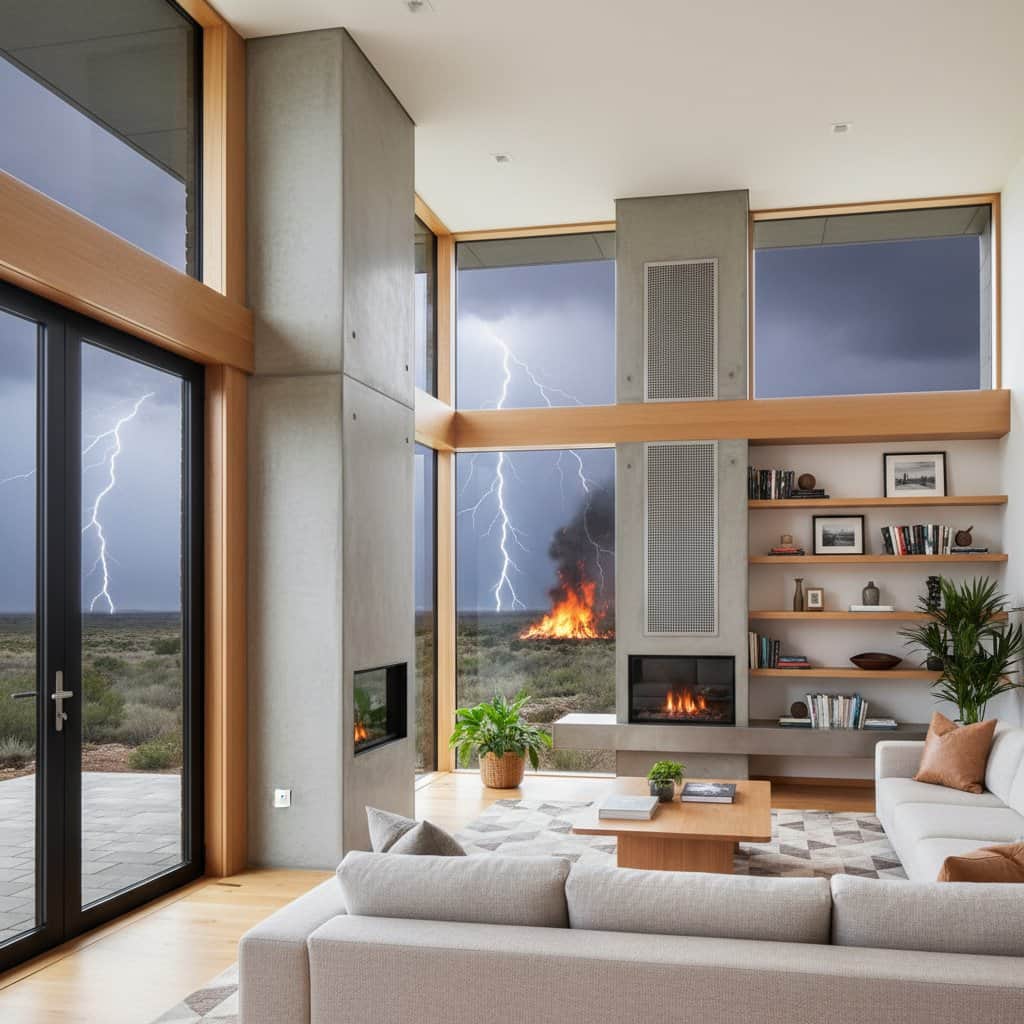
Homeowners envision a structure that remains secure after intense summer storms, with dry interiors and stable foundations while neighboring properties suffer water damage and structural issues. They also picture distant smoke plumes without concern, thanks to siding, vents, and roofing engineered to repel embers and intense heat. The 2026 building codes promote this level of assurance, benefiting both homeowners and builders through enhanced resilience.
Resilient design extends beyond mere regulatory compliance. It emphasizes the use of durable materials that endure environmental stresses, providing long-term security and efficiency.
Why These Codes Matter
Intensifying storms and rising temperatures challenge residences nationwide. The 2026 codes establish elevated standards for managing moisture, heat, and wind in new constructions. Homeowners gain opportunities to construct with greater intelligence from the outset, while those undertaking renovations receive clear directives for enhancing safety and durability.
Understanding the implications requires no engineering expertise. Structures that withstand floodwaters and fire damage result in reduced repair needs, decreased insurance premiums, and diminished anxiety during volatile weather events. Such features represent a strategic investment in protection and livability.
The Big Picture: What Is Changing
The forthcoming codes prioritize resilient construction practices. These approaches incorporate methods and materials capable of enduring water, wind, and thermal extremes without compromise. Key areas of focus include:
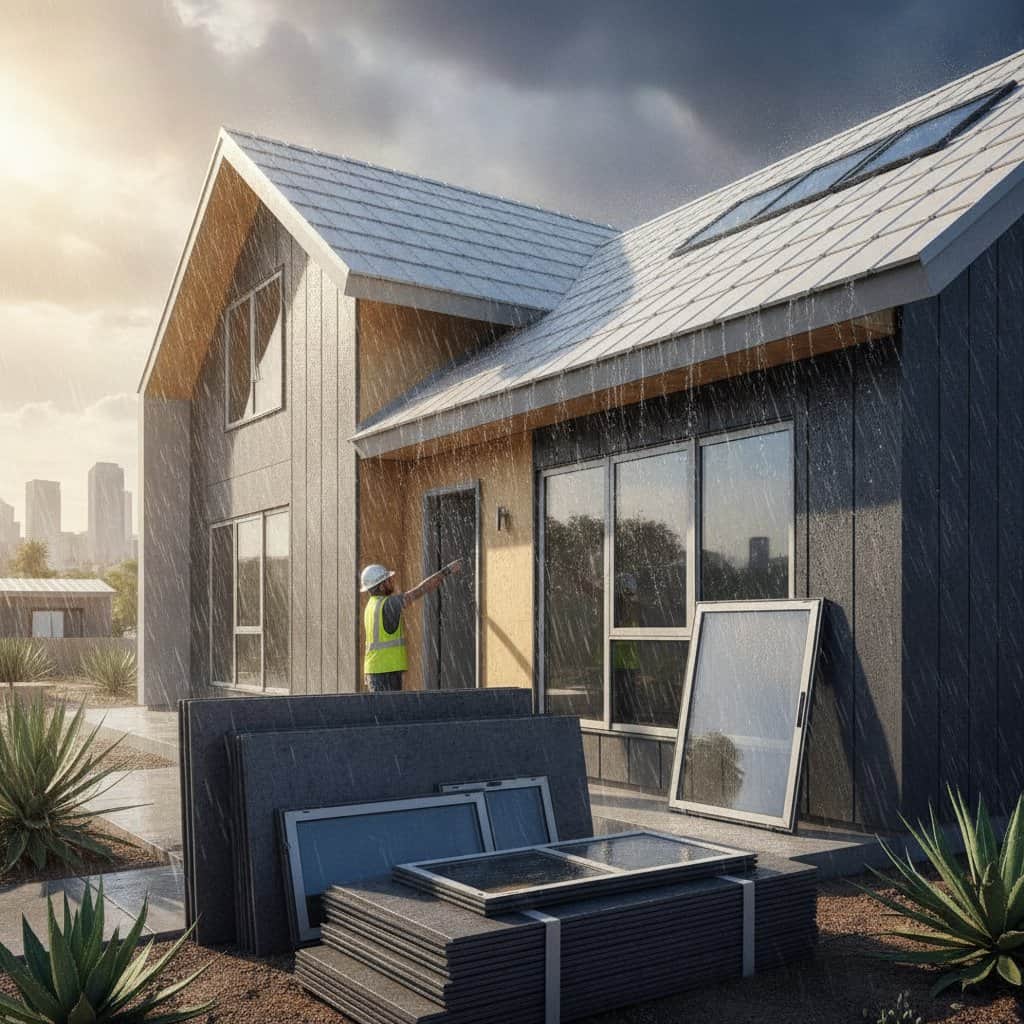
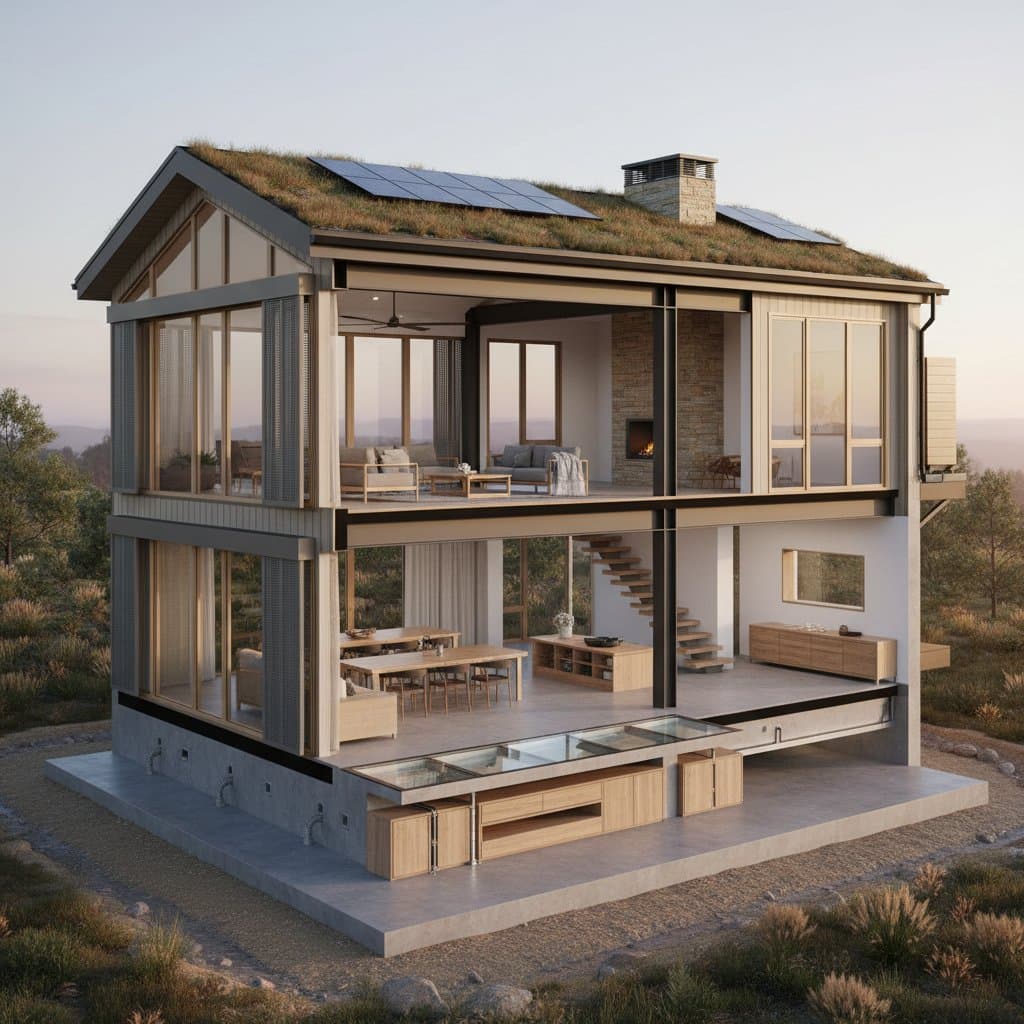
- Fire-resistant materials, including fiber-cement siding, tempered glass, and metal roofing.
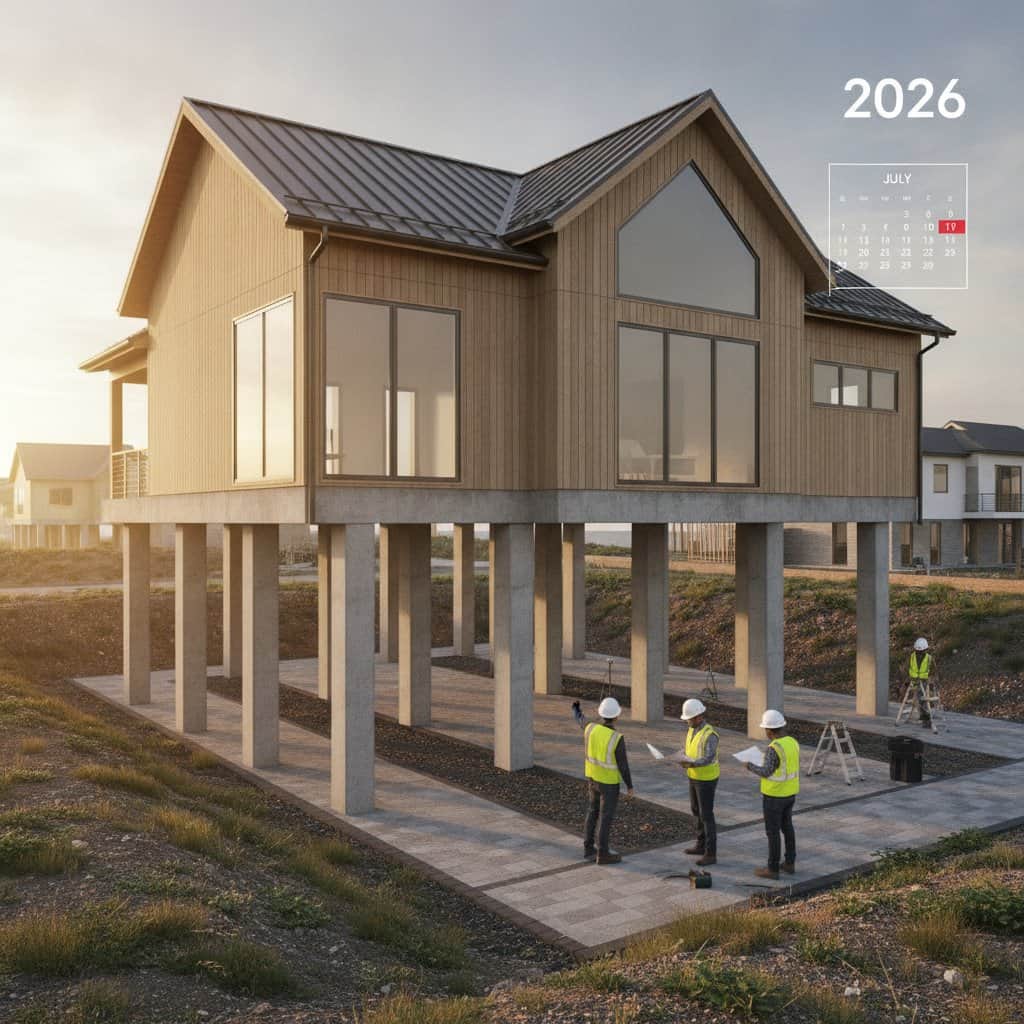
- Flood-adapted foundations that elevate habitable spaces above anticipated flood levels.
- Advanced drainage systems that direct water away from the structure to prevent accumulation.
- Reinforced roof systems designed to resist high winds and ember intrusion.
- Sealed building envelopes that control moisture ingress while optimizing energy performance.
These modifications promote intentional building rather than excess. Similar to selecting premium paint for stain resistance, professionals recommend wall sheathing that inhibits flame propagation or flooring that facilitates rapid recovery from minor water exposure.
How to Build Fire-Resistant Homes
Selecting appropriate materials proves essential when constructing or retrofitting for wildfire protection. Prioritize exterior elements to create layered defenses.
- Roofing: Opt for non-combustible options like metal panels, slate tiles, or Class A fire-rated asphalt shingles, which maintain integrity under direct flame exposure.
- Siding: Fiber-cement boards or stucco provide superior performance over untreated wood. For aesthetic preferences, select fire-retardant composites that replicate wood grain.
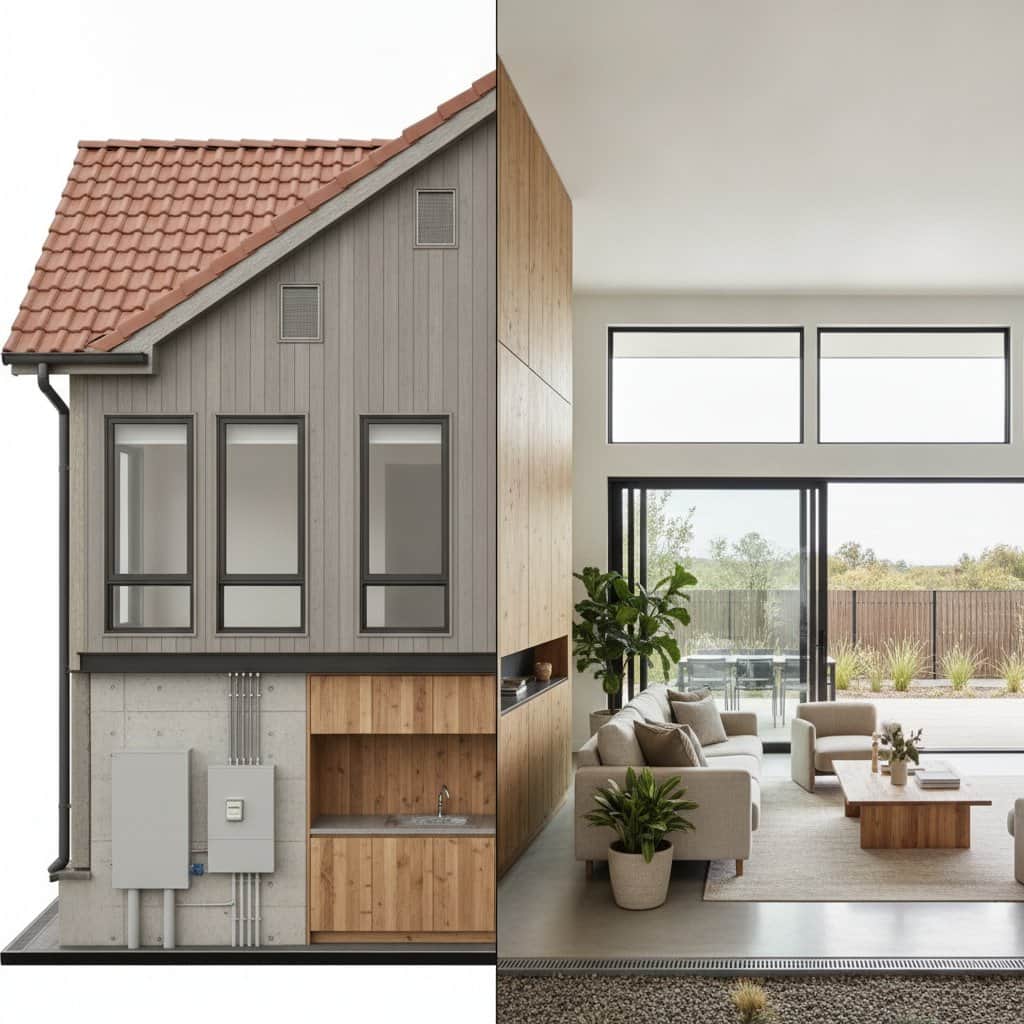
- Vents and eaves: Install 1/8-inch metal mesh screens to exclude flying embers while permitting airflow.
- Windows: Tempered or multi-pane glass withstands radiant heat for extended periods, reducing shatter risk.
- Landscaping: Maintain a 5-foot defensible space with non-combustible surfaces such as gravel, stone pavers, or drought-tolerant native vegetation.
Compliance with these standards not only satisfies code requirements but also elevates property appeal. In fire-prone areas, prospective buyers increasingly value such protective measures, often reflected in higher market prices.
Flood-Resistant Design That Works
Flood risks extend beyond riversides and shorelines; urban and suburban areas face threats from overwhelmed stormwater infrastructure during heavy downpours. Effective strategies mitigate these vulnerabilities through proactive site and structural planning.
Key elements include:
- Elevated foundations: Position the primary living level at least 1 to 3 feet above the base flood elevation, depending on local assessments.
- Vented crawl spaces: Equip with operable vents spaced every 3 to 4 feet to facilitate water drainage and pressure equalization.
- Impermeable barriers: Apply waterproof membranes and closed-cell spray foam insulation to below-grade walls and floors.
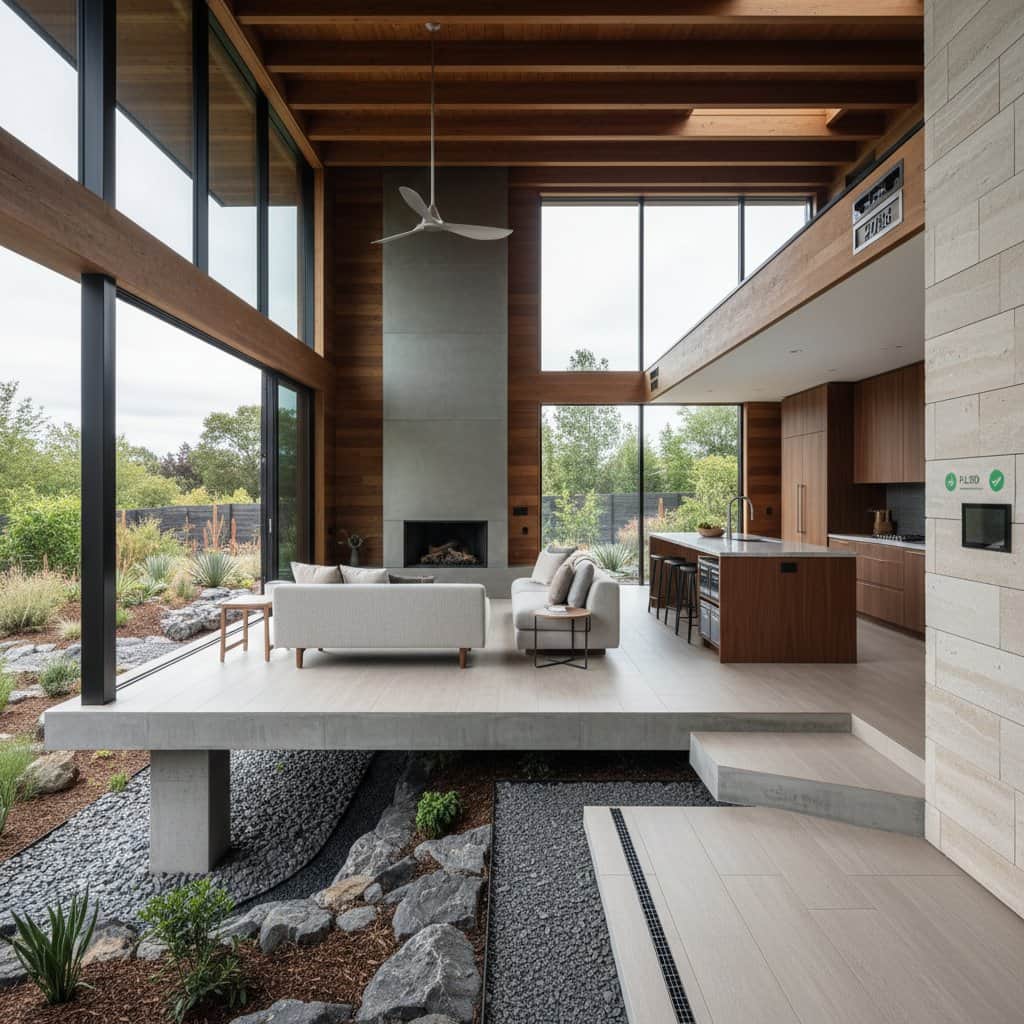
- Strategic site grading: Slope the ground at a 5% minimum away from the foundation for the first 10 feet, supplemented by rain gardens or swales for natural absorption.
- Backflow prevention devices: Install check valves on sewer lines to block reverse flow during overflows.
For interior selections, prioritize resilient finishes like porcelain tile, polished concrete slabs, or sealed hardwood over absorbent materials such as broadloom carpet or standard gypsum board.
Practical Realities: Cost, Maintenance, and Sourcing
Adopting these code-compliant features involves modest initial investments, typically 10 to 20 percent above standard builds. Returns materialize through minimized disaster recovery expenses and eligibility for insurance reductions of up to 25 percent in high-risk zones.
Local material availability supports feasibility. In the Pacific Northwest, suppliers commonly offer fire-rated OSB sheathing and fiber-cement products. Coastal regions feature contractors experienced in pier-and-beam elevations, providing cost estimates aligned with site-specific needs. Collaborating with regional experts ensures adherence to variations in state or municipal regulations while optimizing budgets.
Ongoing upkeep remains straightforward. Schedule biannual gutter cleanings, annual vent mesh inspections, and seasonal vegetation pruning within the defensible zone. Tools like extendable brushes simplify access to elevated components, avoiding frequent ladder use.
Steps to Implement Resilient Building Practices
Integrating resilience into construction or upgrades yields tangible seasonal benefits. During heavy rains or gusty conditions, occupants experience reduced stress, confident in the home's preparedness. Enhanced envelopes deliver ancillary advantages, including superior thermal regulation, acoustic isolation, and draft elimination.
A resilient residence transcends basic housing. It functions as a dependable asset, adeptly navigating environmental challenges. This reliability safeguards financial interests while fostering daily tranquility.