How a 2-1 Buydown Rescued My Homebuying Dreams
Standing in a sunlit model home with a cup of coffee, calculations raced through my mind. The open kitchen invited visions of family gatherings, yet the listed price cast a shadow over those aspirations. When the sales agent introduced the concept of a 2-1 buydown and explained its potential to save approximately $40,000 on mortgage costs, skepticism arose. Further investigation revealed its legitimacy and transformed my perspective on financing options.
Home shoppers today face fluctuating mortgage rates that swiftly alter budget boundaries. A modest rate increase can exclude desirable properties from consideration. The 2-1 buydown addresses this challenge by providing a systematic reduction in initial payments, allowing buyers to maintain their overall financial strategy without disruption.
The Growing Popularity Among Builders and Lenders
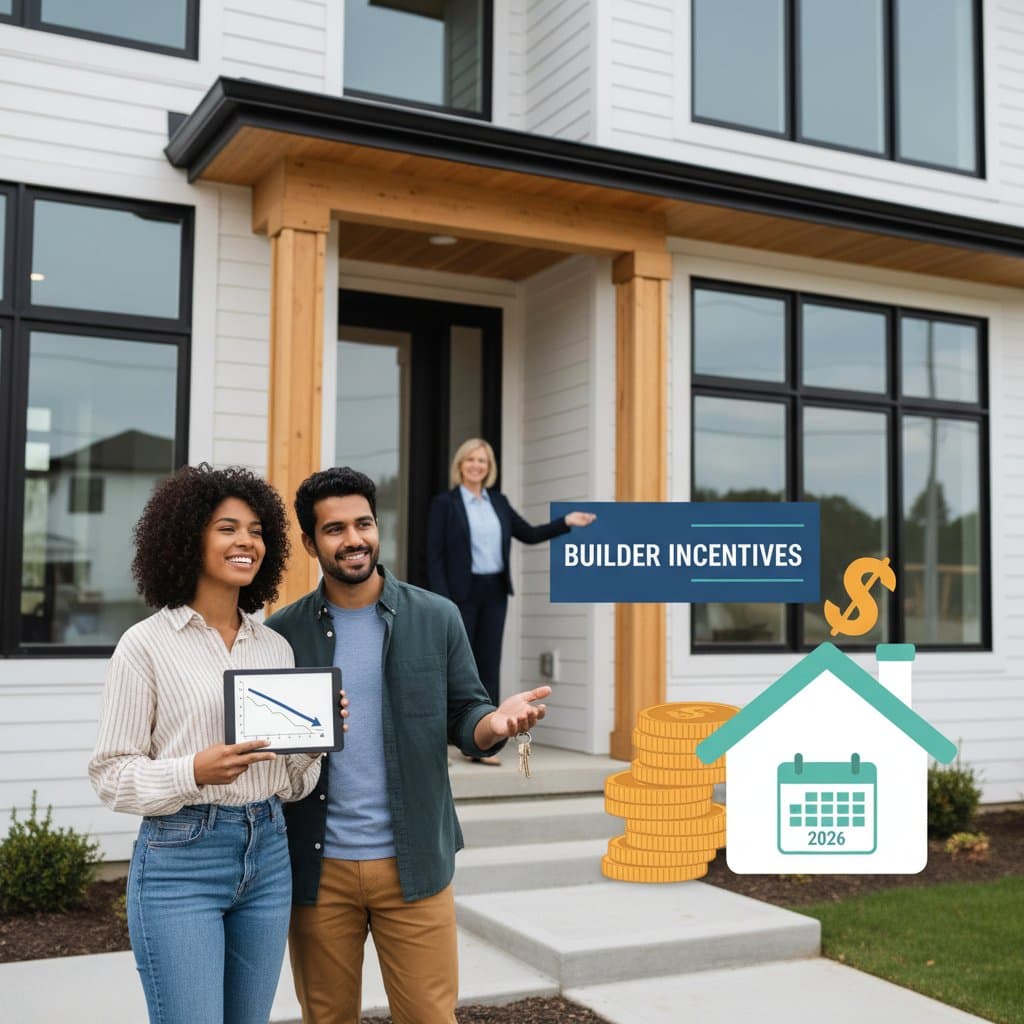
This financing tool benefits buyers and industry professionals alike. Builders frequently offer buydowns as incentives, absorbing the upfront costs to draw in prospective purchasers who might delay decisions due to rate concerns. Visitors to new construction sites often encounter promotional signage highlighting temporary rate reductions or builder-funded buydowns, which merit close examination.
Lenders value the arrangement because it preserves the integrity of a conventional fixed-rate mortgage. The distinction arises from a prepaid interest portion, typically funded by the builder or seller, which lightens the financial load during the early years. This collaboration fosters mutual advantages: buyers enjoy reduced pressure while acclimating to homeownership, and builders sustain robust sales activity.
To illustrate, consider a $300,000 loan at a 7% fixed rate. Without a buydown, monthly principal and interest payments approximate $1,996. With a 2-1 buydown, payments drop to about $1,596 in the first year (5% effective rate) and $1,796 in the second (6% effective rate), yielding substantial early savings that accumulate over time.
Essential Details for Informed Decisions
Prospective buyers should verify several key elements before committing to this option.
- Funding Source: Builders or sellers commonly finance the buydown to enhance property appeal. Ensure all terms appear explicitly in the purchase contract to avoid misunderstandings.
- Eligible Loan Types: This feature applies primarily to fixed-rate mortgages. Consult your lender to confirm compatibility with your chosen product.
- Future Payment Projections: The rate adjustment in year three elevates payments notably. Request detailed forecasts from your lender to assess long-term viability.
- Refinancing Opportunities: Should market rates decline within the buydown period, refinancing becomes feasible prior to the full rate activation, potentially locking in further savings.
- Qualification Criteria: Approval hinges on your ability to afford payments at the unmodified rate. This requirement safeguards against overextension once the temporary relief concludes.
The 2-1 buydown functions as a deliberate financial mechanism, easing the transition without altering core loan conditions. Buyers qualify based on full-rate affordability, promoting responsible borrowing practices.
Determining If a 2-1 Buydown Suits Your Situation
First-time buyers or those seeking larger accommodations for expanding families may find this tool particularly advantageous. It proves most effective for individuals anticipating steady or rising income streams. Long-term residency plans or intentions to refinance amid favorable rate shifts enhance its value.
Conversely, selecting a property reliant solely on discounted payments risks future strain. Treat the buydown as a temporary support rather than a permanent solution. Evaluate these considerations carefully:
- Can you manage expenses comfortably at the full rate from year three onward?
- How will you allocate the initial savings, such as toward emergency funds or debt reduction?
- Does the purchase align with enduring goals, beyond mere short-term rate advantages?
Thoughtful responses to these inquiries optimize the buydown's effectiveness.
For example, a family with dual incomes projecting a 5% annual raise might redirect first-year savings of $4,800 toward home improvements, building equity early. In contrast, variable-income professionals should stress-test budgets against the eventual payment hike.
Integrating the Buydown into Your Financial Strategy
Selecting a mortgage structure parallels curating interior elements, influencing daily life profoundly. The 2-1 buydown delivers crucial flexibility precisely when new owners require it, mitigating startup costs like moving expenses or minor repairs.
During property tours or incentive discussions, inquire about buydown availability. Scrutinize financial projections and align them with personal objectives. This proactive approach ensures the buydown enhances rather than complicates your path to homeownership.
By leveraging this option thoughtfully, buyers not only overcome current market hurdles but also position themselves for sustained financial health. Explore it as part of a comprehensive plan, consulting professionals to tailor it to your unique circumstances.