Why 2-1 Buydowns Provide Homebuyers Essential Relief in 2026
In the evolving housing market of 2026, prospective homebuyers face persistent challenges from elevated interest rates and affordability pressures. A 2-1 buydown emerges as a strategic tool that temporarily lowers mortgage payments during the initial years of homeownership. This approach offers immediate financial relief, allowing individuals to adjust to new expenses while planning for future stability.
Homebuilders and sellers increasingly incorporate 2-1 buydowns as incentives to attract buyers in a competitive landscape. By reducing the effective interest rate for the first two years, these buydowns bridge the gap between current market conditions and long-term affordability goals. Understanding this mechanism empowers buyers to make informed decisions that align with their financial objectives.
Understanding the Mechanics of a 2-1 Buydown
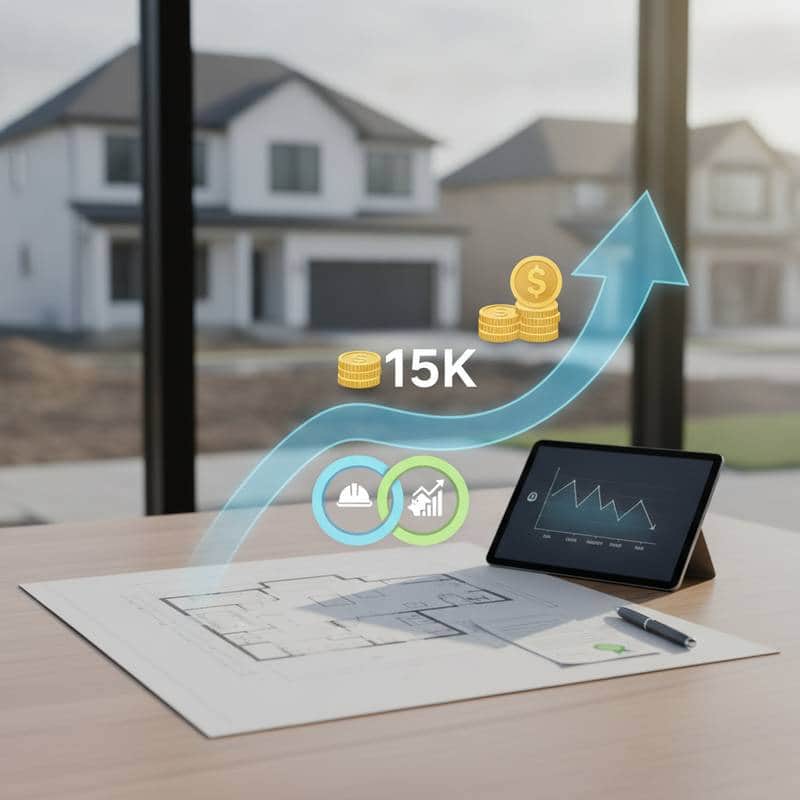
A 2-1 buydown involves an upfront payment that subsidizes the borrower's interest rate for a limited period. Specifically, the interest rate decreases by two percentage points below the note rate in the first year and by one percentage point in the second year. After this period, the rate adjusts to the original note rate for the remainder of the loan term.
This structure requires funding, often provided by the seller, builder, or lender through a reserve account. The funds cover the difference between the reduced payments and what the lender receives at the full rate. Buyers qualify for the loan based on the underlying note rate, ensuring they can afford payments once the buydown expires.
For example, consider a $300,000 mortgage at a 6.5% note rate. Without a buydown, monthly principal and interest payments approximate $1,896. With a 2-1 buydown, payments drop to about $1,565 in year one (at 4.5%) and $1,730 in year two (at 5.5%), providing substantial early savings.
Benefits for Homebuyers in the 2026 Market
The primary advantage lies in enhanced affordability during the settling-in phase of homeownership. Lower initial payments free up monthly cash flow for essential costs such as moving expenses, home improvements, or building emergency savings. This breathing room proves particularly valuable in 2026, where inventory shortages and price growth continue to strain budgets.
Buyers also gain negotiating power in transactions. Sellers motivated to close deals quickly may offer buydowns as concessions, effectively reducing the overall cost of borrowing without altering the purchase price. In regions with softening demand, this incentive can tip the scales in favor of hesitant buyers.
Moreover, 2-1 buydowns support long-term financial planning. The temporary relief allows individuals to allocate savings toward debt reduction or investments, positioning them better for the payment increase in year three. This proactive approach fosters financial resilience amid economic uncertainties.
How Builders and Sellers Utilize 2-1 Buydowns
For builders, 2-1 buydowns serve as a potent marketing tool to accelerate sales in new developments. In 2026, with construction costs remaining high, developers offset these expenses through bulk financing arrangements with lenders. This strategy not only moves inventory but also differentiates properties in crowded markets.
Sellers of existing homes similarly benefit by making listings more appealing. Offering a buydown can shorten time on market and justify premium pricing. Buyers perceive this as a tangible concession, often leading to smoother negotiations and higher acceptance rates.
Lenders play a pivotal role by structuring these programs to minimize risk. They ensure the buydown aligns with borrower qualifications, maintaining portfolio integrity while expanding access to homeownership.
Actionable Steps for Buyers Considering a 2-1 Buydown
Evaluate your financial readiness by calculating the full note rate payments from day one. Use online mortgage calculators to project scenarios, factoring in property taxes, insurance, and maintenance costs. This exercise reveals whether the buydown truly fits your budget trajectory.
- Discuss options with your lender early in the process. Request details on funding sources and associated fees to avoid surprises at closing.
- Negotiate the buydown as part of your offer. Specify the duration and percentage reductions to align with your needs.
- Plan for the rate adjustment by setting aside a portion of early savings. Automate transfers to a dedicated account to build a buffer for future increases.
- Consult a financial advisor to integrate the buydown into your broader wealth strategy. Consider how temporary savings impact retirement contributions or other goals.
- Review loan documents meticulously. Confirm the buydown terms, including expiration dates and any prepayment penalties.
These steps transform the buydown from a short-term perk into a cornerstone of sustainable homeownership.
Key Considerations and Potential Drawbacks
While beneficial, 2-1 buydowns require careful assessment of long-term implications. The payment jump after year two demands disciplined budgeting to prevent strain. Buyers must commit to the full loan term or face refinancing challenges if rates remain elevated.
Upfront costs, if not covered by the seller, can add to closing expenses. In some cases, these fees range from 2 to 6 percent of the loan amount, depending on market conditions. Weigh this against the cumulative savings from reduced payments.
Market dynamics in 2026 may influence availability. If interest rates decline significantly, the appeal of buydowns diminishes, prompting buyers to explore refinancing instead. Stay informed through regular consultations with mortgage professionals.
Building Lasting Financial Security with Smart Buydown Strategies
Embracing a 2-1 buydown positions homebuyers to navigate 2026's challenges with confidence. The temporary rate reduction not only eases entry into homeownership but also cultivates habits for enduring fiscal health. By leveraging this tool thoughtfully, individuals secure not just a home, but a foundation for future prosperity.
Focus on integrating the buydown into a comprehensive plan that includes ongoing expense tracking and periodic financial reviews. This holistic method ensures the initial relief translates into sustained benefits, empowering buyers to thrive in any market environment.