Summary
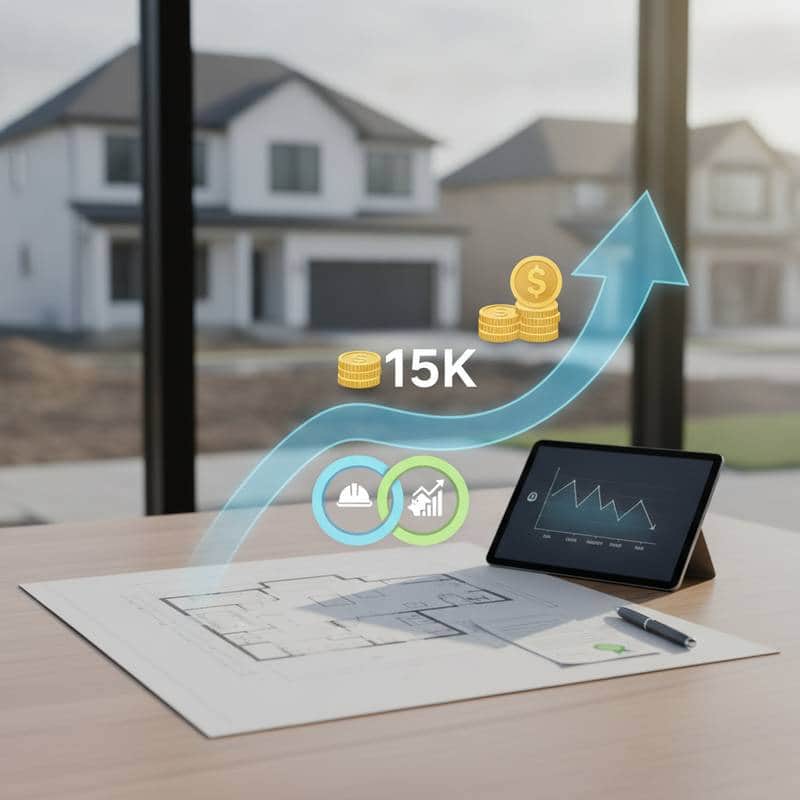
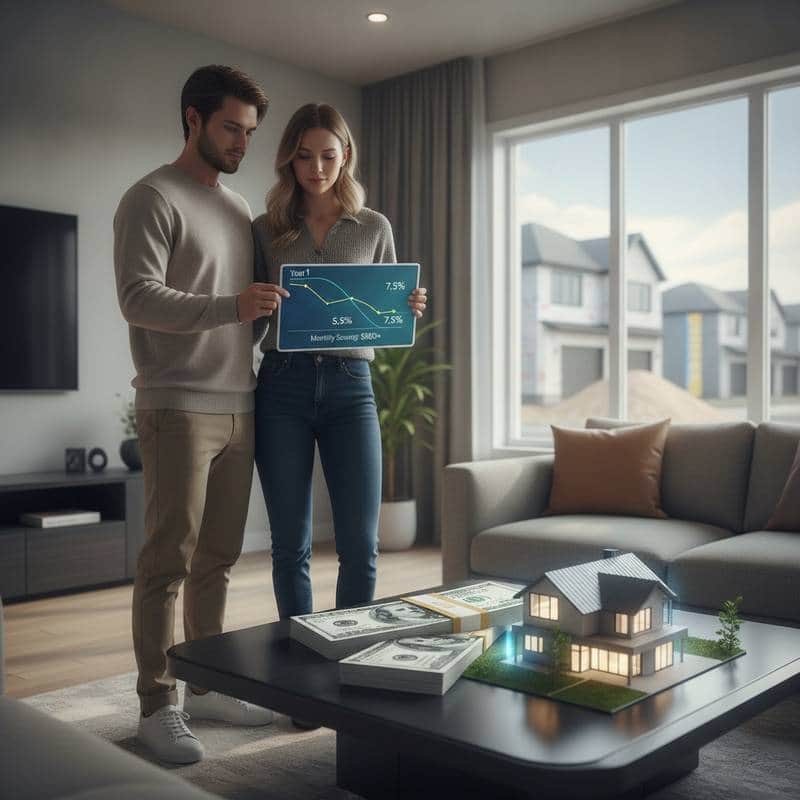
- Emerging zero-down programs enable more individuals to construct homes without large initial investments.
- Builders and lenders collaborate to finance land acquisition, labor, or loan origination fees until project completion.
- Strategic planning facilitates earlier construction starts and closer budget adherence.
Key Advantages of Zero-Down Building Programs
- Accelerated Timeline. Prospective homeowners bypass extended savings periods required for traditional down payments.
- Enhanced Flexibility. Builders frequently integrate land purchase, design services, and construction into a single financing package.
- Retained Decision-Making Authority. Participants select interior finishes, floor plans, and upgrades independently.
- Risk Mitigation. Certain programs include safeguards against cost fluctuations during the building phase.
Essential Precautions for Zero-Down Financing
Zero-down financing requires disciplined financial management, as deferred costs integrate into the overall loan. Participants must scrutinize all contract terms prior to commitment to ensure comprehensive understanding.
Verify Builder Credentials
Reputation assessment proves critical. Certain builders promote zero-down options yet introduce unforeseen charges subsequently. Review contract details thoroughly and request client references. Reputable builders provide transparent explanations of fund allocation among themselves, lenders, and subcontractors.
Hesitation in disclosing such information signals potential concerns.
Understand Financing Structures
Zero-down initiatives vary significantly. Government-supported loans differ from private builder offerings, each imposing distinct credit, income, and insurance requirements. Consult lenders for detailed repayment schedules and identification of any deferred fees.
Finalize Interior Selections Promptly
Early decisions on flooring, cabinetry, and fixtures prevent costly revisions. Mid-project alterations can escalate expenses, directly impacting the final loan balance in zero-down arrangements.
One client modified countertops from laminate to quartz during construction. The upgrade enhanced aesthetics but increased the total cost by thousands. Advance awareness would have allowed better preparation.
Reserve Funds for Ancillary Costs
Despite eliminated down payments, incidental expenses arise. Allocate a contingency for permits, inspections, landscaping, or utility connections. This buffer avoids reliance on credit for unexpected outlays.
Advantages of Builder-Financed Zero-Down Options
A primary benefit involves preserving personal savings. Funds otherwise allocated to down payments remain available for furnishings, exterior improvements, or emergency reserves.
Additional strengths include:
- Efficient Coordination. Builders and lenders manage most logistical elements.
- Price Stability. Select programs establish fixed costs prior to construction commencement, shielding against market increases.
- Reduced Administrative Burden. Integration minimizes interactions with multiple contractors or financial institutions.
- Expedited Completion. Direct financing linkages shorten intervals between project phases.
Clients utilizing these programs frequently highlight reduced anxiety. They avoid delays imposed by accumulating construction funds amid escalating material prices.
Strategies to Maximize Zero-Down Programs
Secure Pre-Approval in Advance
Pre-approval clarifies affordable home sizes, preventing overambitious designs. This step aligns expectations from the outset.
Maintain Active Oversight During Construction
Regular site visits, progress inquiries, and open dialogue with builders identify minor issues early. Proactive engagement fosters issue resolution before escalation.
Prioritize Enduring Property Enhancements
Beyond initiation, evaluate selections for resale potential and daily usability. Opt for durable elements such as energy-efficient windows or adaptable open layouts.
Steps to Launch Your Build
For those envisioning custom home construction yet constrained by savings requirements, zero-down programs offer viable entry points. These options demand thorough builder evaluations, contract reviews, and timely design commitments.
Home building presents challenges, yet collaboration with a competent team and structured planning accelerates progress toward occupancy.