Floating Rate Loans: Risk or Opportunity in 2026?
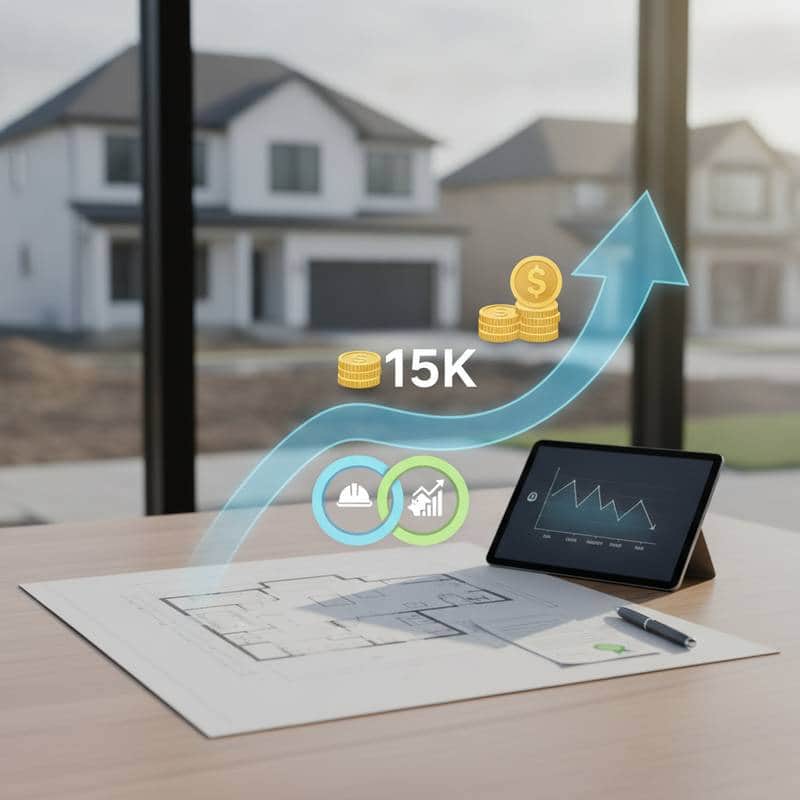
Construction financing requires careful consideration of interest rate structures. Floating rate loans have gained attention among builders due to their potential for cost savings during periods of declining rates. However, as economic forecasts point to possible rate increases by 2026, borrowers must evaluate whether these loans align with project timelines and risk tolerance.
Understanding Floating Rate Loans
A floating rate loan, also known as a variable rate loan, adjusts its interest rate based on an underlying benchmark, such as a central bank rate or market index. This adjustment occurs periodically, directly affecting monthly payments. In contrast, fixed rate loans maintain a constant interest rate throughout the term, providing predictable expenses.
Floating rate loans often feature lower initial rates compared to fixed options, which appeals to those seeking to optimize early-stage budgets in construction projects. This structure suits phased developments where funds are disbursed incrementally, allowing borrowers to respond to market changes.
Appeal of Floating Rates for Construction Projects
Builders increasingly consider floating rate construction loans for their adaptability. When benchmark rates decline, interest expenses decrease accordingly, potentially reducing overall project costs. This benefit proves particularly valuable in multi-phase builds, such as residential developments involving foundation work followed by framing and interior finishes.
For instance, in a project constructing a multi-unit rental property, lower rates during the draw period could free up capital for essential upgrades like high-efficiency HVAC systems or sustainable materials. Yet, this flexibility carries the downside of potential rate hikes, which could strain budgets already committed to labor and supplies.
Mechanics of Floating Rate Construction Loans
These loans finance the building or renovation of properties through short-term funding tied to project progress. Borrowers pay interest solely on disbursed amounts, minimizing early costs.
The process unfolds as follows:
-
Application and Approval: Submit detailed plans, budgets, and builder qualifications to the lender for review. Upon approval, establish the maximum borrowable amount based on appraised value and costs.
-
Draw Schedule: Request funds in stages aligned with milestones, such as site preparation or structural completion. Each draw accrues interest from that point.
-
Rate Adjustment Mechanism: Link the rate to a benchmark plus a fixed margin. Adjustments occur monthly or quarterly, reflecting market shifts.
-
Transition to Permanent Financing: At project completion, convert to a long-term mortgage or refinance, often opting for a fixed rate to secure stability.
This framework emphasizes progressive funding, which supports efficient cash management when rates remain favorable.
Advantages of Initial Lower Rates
The primary draw of floating rate loans lies in their competitive starting rates, which can lower upfront payments. This allocation enables investment in quality elements, such as premium countertops or advanced insulation, enhancing property value and energy efficiency.
In construction, where expenses accumulate rapidly, these savings provide breathing room for unforeseen adjustments without compromising core objectives. Borrowers benefit most when projects span periods of stable or falling rates, maximizing financial efficiency.
Assessing the Risks Involved
The core uncertainty stems from rate volatility, where upward movements can elevate payments unexpectedly. Mid-project increases may necessitate budget reallocations, potentially delaying timelines or requiring additional funding sources.
Lenders mitigate this through rate caps, limiting maximum adjustments over defined intervals, such as one year. Despite these safeguards, even moderated rises impact cash flow, underscoring the need for robust financial planning.
Individual risk appetite plays a key role. Those prioritizing predictability may prefer fixed rates to maintain focus on project execution, while adaptable borrowers view floating rates as a calculated opportunity.
Weighing Risk Against Potential Rewards
Evaluate project specifics to determine suitability. Short-duration builds minimize exposure to rate changes, allowing capture of low initial rates before conversion. Extended timelines, however, amplify vulnerability to fluctuations.
Consider these factors:
- Does the budget accommodate a 1-2% rate increase without halting progress?
- Is there a reserve fund covering 10-15% of total costs for contingencies?
- Would elevated payments compel scaling back features like custom cabinetry?
- Does the plan include refinancing or property sale within 12-18 months post-completion?
Responses to these questions guide alignment with personal and project goals.
Practical Strategies for Risk Management
Adopting a floating rate loan demands proactive measures to safeguard finances:
-
Incorporate Budget Buffers: Allocate 5-10% extra for potential rate hikes, ensuring continuity across phases.
-
Monitor Economic Indicators: Follow benchmark trends through lender reports or financial news to anticipate adjustments.
-
Explore Hybrid Options: Select loans that begin floating and convert to fixed upon completion, blending flexibility with security.
-
Time Refinancing Strategically: Shift to fixed rates if projections indicate sustained increases, locking in current levels.
-
Partner with Reliable Lenders: Choose institutions offering clear adjustment explanations and flexible terms for informed decision-making.
These steps transform potential vulnerabilities into manageable elements.
Integrating Financial Choices into Project Planning
Financing decisions extend beyond numbers to influence overall project dynamics. Floating rates suit those comfortable with market responsiveness, fostering opportunities for cost optimization. Fixed rates, conversely, support uninterrupted focus on design and execution.
Align choices with broader objectives, such as long-term occupancy or investment returns, to create a cohesive strategy.
Finalizing Your Financing Approach
For upcoming construction endeavors, compare floating and fixed options using lender simulations based on current and projected rates. This analysis reveals tangible impacts on monthly outflows and total expenses.
Ultimately, effective financing underpins successful outcomes, balancing cost control with project vision. Select the structure that enhances adaptability or stability, ensuring alignment with your timeline and objectives for a seamless build process.