Loading...

Skip to main content
MULTI HB
HomeBudgeting & FinancingConstruction Materials & MethodsConstruction TrendsContractors & Project ManagementSearch
  1. Home
  2. /
  3. Construction Materials & Methods
  4. /
  5. 5 Builders Making Hempcrete Homes a Reality in 2026
Construction Materials & Methods

5 Builders Making Hempcrete Homes a Reality in 2026

Your comprehensive resource for home building expertise, construction insights, and financing strategies to help you build your dream home efficiently and cost-effectively.

Categories

Budgeting & FinancingConstruction Materials & MethodsConstruction TrendsContractors & Project ManagementDesign & Floor PlansHome Building BasicsHomeowner Tips & MaintenanceInspections & Quality Checks

Links

  • Home
  • Search Articles
  • About Us
  • Privacy Policy
  • Terms of Service

© 2026 Multi HB. All rights reserved.

by
Emily Lockwood
2026-02-06 04:46:34February 6, 2026
5 min read
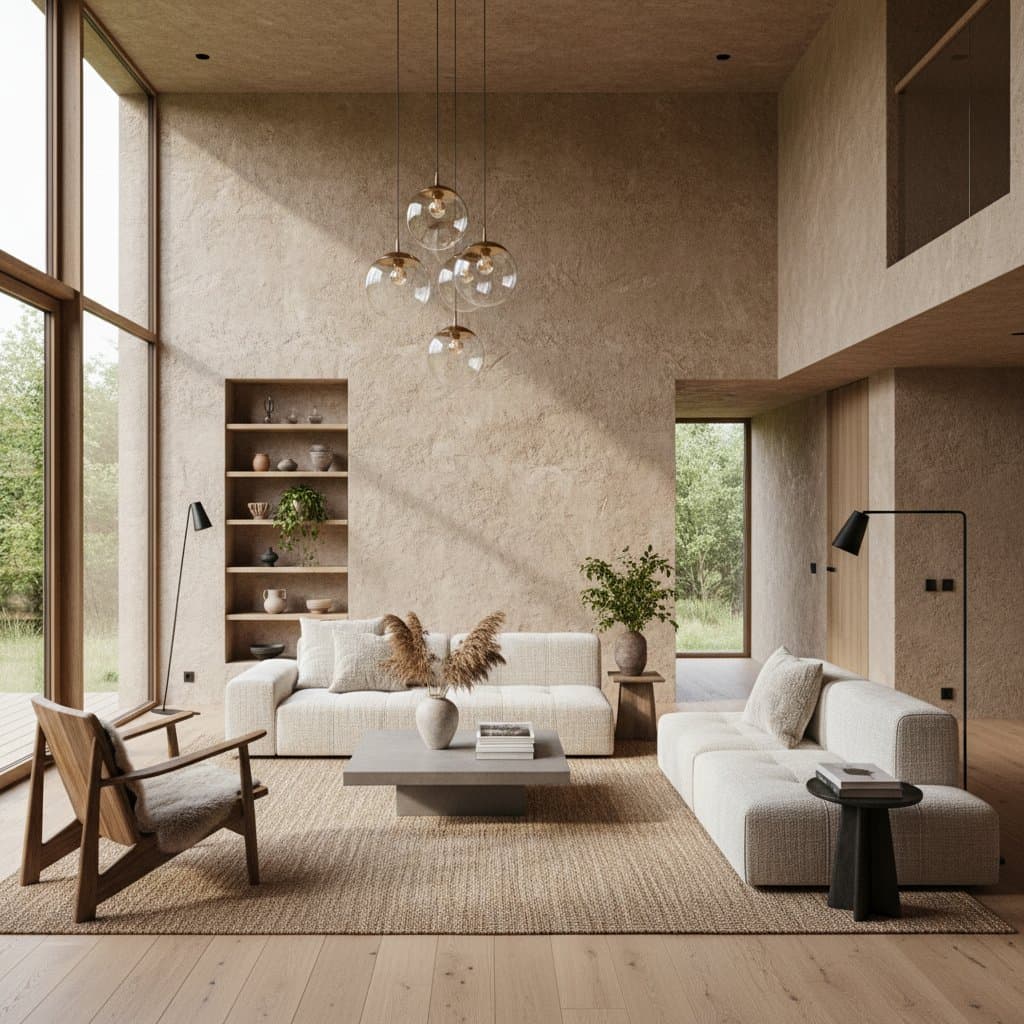
Featured image for 5 Builders Making Hempcrete Homes a Reality in 2026
2026-02-06 04:46:34
Multi HB - Home Building, Construction Trends, Financing New Homes

What to Consider if You Are Curious About Hempcrete

Before embarking on a hempcrete project, grasp these essential factors to ensure success.

  1. Moisture balance: Hempcrete allows vapor to pass through, so pair it with permeable finishes such as lime plasters. Steer clear of synthetic paints or sealants that could lead to trapped moisture and potential issues.
  2. Climate suitability: This material excels in temperate and arid regions where humidity remains moderate. In humid zones, apply meticulous detailing and lime-based renders to enhance longevity.
  3. Construction time: The curing process for hempcrete extends beyond that of conventional materials, often requiring several weeks. This investment yields superior thermal performance and structural resilience over time.
  4. Permits and codes: Authorities in certain areas view hempcrete as an emerging option, which may complicate approvals. Collaborate with experienced builders who navigate local building standards effectively.
  5. Longevity: Properly constructed hemp-lime walls endure for centuries with basic maintenance. Protect them using generous roof eaves and natural lime coatings to shield against weather exposure.

Visitors to hempcrete residences often remark on the exceptional indoor air quality. The atmosphere feels light and fresh, as if the structure harmonizes with natural rhythms.


Builders Pioneering Hempcrete Homes in 2026

Hempcrete represents a breakthrough in sustainable construction, combining hemp hurds, lime, and water into a lightweight, insulating block that sequesters carbon while providing natural thermal regulation. As adoption grows, innovative builders worldwide integrate this material into diverse projects, from rural retreats to city dwellings. Below, explore five leaders shaping hempcrete's role in 2026 architecture.

1. EcoForge Builders (United Kingdom)

Based in the rolling hills of Devon, EcoForge specializes in bespoke hempcrete cottages that blend traditional English aesthetics with modern efficiency. Their signature approach involves casting hempcrete in situ, creating seamless walls up to 500 millimeters thick for optimal insulation. In 2026, they plan to complete a community of 20 energy-positive homes, each featuring living roofs and rainwater harvesting systems. Clients praise the material's fire resistance and acoustic properties, which foster serene living spaces. EcoForge's projects demonstrate how hempcrete revives vernacular building techniques while meeting stringent EU carbon targets.

2. Verdant Homes (Canada)

Operating from Vancouver, Verdant Homes adapts hempcrete for North America's variable climates, emphasizing modular prefabrication to reduce on-site waste. Their 2026 lineup includes urban townhouses with hempcrete infill panels framed in timber, achieving R-values exceeding 30 without synthetic foams. A notable project, the Pacific Green Collective, incorporates passive solar design and hempcrete's breathability to maintain humidity below 50 percent year-round. This builder trains local tradespeople in hempcrete mixing, ensuring scalable adoption. Verdant proves that hempcrete suits multifamily developments, delivering affordable, low-carbon housing amid rising material costs.

3. TerraNova Constructs (United States)

In California's Bay Area, TerraNova pioneers hempcrete in seismic zones, reinforcing walls with natural fibers for enhanced flexibility. Their 2026 initiatives focus on retrofitting existing structures with hempcrete plasters, cutting energy use by 40 percent in older homes. A flagship build, the Harmony Residence, showcases curved hempcrete forms that mimic organic shapes, paired with polished concrete floors for a minimalist vibe. Compliance with International Building Code updates has streamlined their permitting process. TerraNova highlights hempcrete's mold resistance and non-toxic nature, appealing to health-conscious homeowners in polluted urban settings.

4. SustainArc Developments (Australia)

From Sydney's outskirts, SustainArc tackles bushfire risks by integrating hempcrete's inherent fire-retardant qualities into resilient designs. In 2026, they unveil a series of off-grid farmhouses with hempcrete blocks molded on-site, incorporating bush tucker gardens for self-sufficiency. Wall assemblies reach thicknesses of 400 millimeters, providing summer cooling without air conditioning. Their methodology includes third-party carbon audits, verifying negative emissions for each project. SustainArc illustrates hempcrete's versatility in extreme environments, where it outperforms concrete in heat deflection and termite deterrence.

5. BioStruct Innovations (France)

Headquartered in Lyon, BioStruct advances hempcrete through research-backed refinements, such as bio-lime additives that accelerate curing by 30 percent. Their 2026 portfolio features high-rise extensions with hempcrete facades, clad in recycled timber for visual appeal. The Alpine Eco-Village project employs hempcrete for load-bearing elements, supporting multi-story structures with minimal steel. Emphasis on circular economy principles allows disassembly and reuse of components. BioStruct's work underscores hempcrete's global potential, aligning with France's bio-based building mandates and inspiring cross-border collaborations.

These builders not only construct with hempcrete but also educate stakeholders on its benefits, from reduced embodied carbon to improved occupant well-being. Their efforts signal a broader industry shift toward regenerative materials.

Embracing Hempcrete in Everyday Living

Selecting hempcrete transcends mere functionality; it influences the sensory experience of a home. Residents often describe a subtle warmth that permeates rooms, with walls absorbing excess humidity to prevent stuffiness. Natural light interacts uniquely with the textured surfaces, casting gentle shadows that enhance spatial depth.

Imagine a cozy alcove where evening conversations unfold without mechanical hums, or a bedroom that maintains steady comfort through seasonal changes. For those envisioning a modest apartment, expansive residence, or serene getaway, hempcrete delivers enduring sustainability alongside aesthetic elegance. These pioneering builders affirm that responsible construction enriches daily life, fostering connections to both environment and community.

You Might Also Like

One Loan That Covers Construction and Your Mortgage

Why Hempcrete Walls Are Carbon-Negative Building Material

Hempcrete Walls Breathe Life Into Modern Homes

Zero-Down Builder Loans Lock 4.9% Rates Early

Battery-Ready Homes Keep Power During Outages

Tagged:

sustainable,materials,construction,hempcrete,building,homes,hempcrete-construction,carbon,negative,sustainable-building-materials

Recent Articles by Emily Lockwood

Image for Why Hempcrete Walls Are Carbon-Negative Building Material

Why Hempcrete Walls Are Carbon-Negative Building Material

May 2, 2026
Image for DSCR Loans Focus on Property Income, Not Yours

DSCR Loans Focus on Property Income, Not Yours

April 29, 2026
Image for Mass Timber Buildings Store Carbon While Replacing Steel

Mass Timber Buildings Store Carbon While Replacing Steel
April 28, 2026
Image for Hempcrete Walls Going Mainstream in 2026

Hempcrete Walls Going Mainstream in 2026

April 26, 2026
Image for Concrete That Absorbs Carbon Instead of Releasing It

Concrete That Absorbs Carbon Instead of Releasing It

April 24, 2026

Related: sustainable

Image for Hempcrete Walls Breathe Life Into Modern Homes

Hempcrete Walls Breathe Life Into Modern Homes

April 30, 2026
Image for Mass Timber Buildings Store Carbon While Replacing Steel

Mass Timber Buildings Store Carbon While Replacing Steel

April 28, 2026
Image for Concrete That Absorbs Carbon Instead of Releasing It

Construction Materials & Methods

Why Hempcrete Walls Are Carbon-Negative Building Material

Hempcrete redefines eco-conscious construction through its carbon-negative properties, breathability, and longevity. Composed of hemp hurd, lime, and water, it forms walls that optimize temperature control, combat mold, and elevate indoor environments. With growing adoption, hempcrete positions itself as a cornerstone of green building practices by 2026.

May 2, 2026

Hempcrete Walls Breathe Life Into Modern Homes

Hempcrete redefines eco-conscious building in 2026 with its blend of hemp, lime, and water forming breathable, carbon-negative walls. These structures provide excellent temperature regulation, fire and mold resistance, and centuries-long durability. Professionals and residents value its comfort, adaptability, and sustainable qualities, positioning it as a cornerstone of resilient, thoughtful design.

April 30, 2026

Hempcrete Walls Going Mainstream in 2026

Hempcrete, composed of hemp hurds, lime, and water, emerges as a carbon-sequestering material poised to redefine sustainable building by 2026. This lightweight, breathable option provides superior insulation and healthier living spaces. With evolving regulations and growing eco-demand, hempcrete delivers an organic aesthetic and practical benefits for modern homes.

April 26, 2026

Categories

Budgeting & Financing
Construction Materials & Methods
Construction Trends
Contractors & Project Management
Design & Floor Plans
Home Building Basics
Homeowner Tips & Maintenance
Inspections & Quality Checks
Renovation & Additions
Sustainability & Energy Efficiency
Concrete That Absorbs Carbon Instead of Releasing It
April 24, 2026
Image for Hempcrete Walls Breathe, Resist Fire and Mold Naturally

Hempcrete Walls Breathe, Resist Fire and Mold Naturally

April 24, 2026
Image for Mass Timber Brings Warmth and Carbon Storage to High-Rises

Mass Timber Brings Warmth and Carbon Storage to High-Rises

April 17, 2026

Concrete That Absorbs Carbon Instead of Releasing It

Carbon-negative concrete captures CO2 during production, offering robust performance and tax credits for green builds. Ideal for homes and commercial spaces, it combines durability, design flexibility, and environmental impact reduction.

April 24, 2026

Hempcrete Walls Breathe, Resist Fire and Mold Naturally

Hempcrete revolutionizes construction through breathable walls that resist fire and mold, offering sustainable solutions for comfortable, carbon-storing homes built to endure.

April 24, 2026

ICFs Cut Energy Bills 60% With Concrete and Foam

Insulated Concrete Forms (ICFs) integrate the durability of concrete with advanced insulation to reduce home energy consumption by up to 60 percent. Although the initial investment exceeds traditional methods, ICFs provide substantial ongoing savings, improved comfort, and reduced noise. Discover how airtight seals, strategic design, and thermal mass contribute to the enduring efficiency of ICF construction for sustainable homes.

April 23, 2026

Hempcrete Walls Finally Approved in Building Codes

Hempcrete walls achieve formal building code approval in 2026, advancing sustainable building practices. This innovative, carbon-negative material enhances natural insulation, moisture control, and comfort, enabling seamless integration into mainstream eco-conscious architecture.

April 21, 2026

12 States Now Require Carbon-Neutral Concrete

Twelve states enforce carbon-neutral concrete requirements for public works, transforming construction practices. This guide details sustainable options that maintain performance, reduce costs over time, and position homes for future market demands in green building.

April 15, 2026

Biochar Concrete Locks Carbon Inside Your Home's Walls

Set to debut in 2026, carbon-negative homes incorporate biochar into concrete and insulation to sequester carbon permanently. These designs combine breathable interiors, energy-efficient features, and natural appeal, delivering lower emissions, enhanced durability, and meaningful environmental benefits.

April 1, 2026

Hempcrete Walls Lock Carbon While Fireproofing Your Home

Hempcrete walls transform sustainable construction with fireproof protection, carbon sequestration, and natural insulation. Composed of hemp, lime, and water, they maintain comfortable temperatures, deter mold, and improve air quality. Despite higher upfront costs, the enduring energy efficiency and environmental advantages position hempcrete as an ideal option for resilient, forward-looking residences.

March 31, 2026

Carbon-Negative Concrete Now Available in 12 States

Carbon-negative concrete revolutionizes building in twelve states by sequestering carbon during curing. This durable, attractive material matches traditional performance while advancing environmental goals for communities.

March 17, 2026

New Codes Allow Mass Timber Buildings Up to 18 Stories

Updated 2026 codes permit mass timber buildings up to 18 stories, revolutionizing sustainable high-rise development. Lighter and more eco-friendly than steel or concrete, these structures accelerate construction while demanding expertise in fire safety and design integration for optimal results.

March 16, 2026

Carbon-Neutral Concrete Cuts Emissions While You Build

Carbon-neutral concrete reshapes sustainable home design by 2026, combining strength, aesthetic appeal, and environmental benefits. Incorporating recycled materials and carbon-capture methods, this innovative option offsets production emissions and provides long-lasting, refined surfaces. Homeowners achieve modern, efficient interiors that prioritize sustainability without sacrificing style.

March 14, 2026

New Building Codes Help Homes Withstand Storms and Fires

The 2026 building codes elevate home durability with enhanced wind resistance, fire-resistant features, and robust structural designs. Innovations such as impact-resistant windows and ember-proof vents enable homeowners to construct secure, enduring residences. Understand how advanced materials, strategic planning, and targeted modifications foster protection and tranquility amid environmental challenges.

March 13, 2026

Hempcrete Earns Code Approval for Green Building

Hempcrete achieves code approval, advancing sustainable building. Composed of hemp, lime, and water, it provides insulation, moisture control, and carbon sequestration. This milestone enables builders to deliver energy-efficient, comfortable spaces that meet modern standards.

March 13, 2026

Hempcrete Gets Building Code Approval for Legal Use

The approval of hempcrete under building codes represents a significant advancement in sustainable construction practices. Composed of hemp hurds, lime, and water, this material delivers breathability, carbon-negative properties, and effective insulation. With this legal recognition, builders gain the confidence to integrate hempcrete into projects, shifting eco-friendly building toward widespread adoption and environmental benefits.

March 12, 2026

Hempcrete Now Legal in 15 More States for Building

Hempcrete, a sustainable building material derived from hemp, lime, and water, gains legal status in 15 more states. This development enables local production, reduces expenses, and promotes energy-efficient designs. As a durable, mold-resistant option, hempcrete advances carbon-negative construction for modern homes.

March 12, 2026

Hempcrete Walls Absorb Carbon While They Insulate

Hempcrete redefines sustainable construction by delivering breathable, carbon-negative walls that offer natural insulation and enduring appeal. Builders increasingly turn to this hemp-lime composite for its robustness, indoor comfort, and aesthetic versatility. As education programs grow and pricing stabilizes, industry forecasts indicate a significant expansion in hempcrete applications by 2026.

March 10, 2026

Mass Timber Brings Warmth and Carbon Storage to Apartments

Mass timber redefines multi-family high-rises through sustainable engineering, natural aesthetics, and efficient building processes. This material enables lighter frameworks, lower emissions, and interiors that foster a sense of warmth and connection to nature. By 2026, urban developments increasingly adopt mass timber to balance innovation with environmental responsibility.

March 8, 2026

2026 Concrete Cuts Builder Emissions by 90 Percent

The innovative 2026 concrete mix reduces construction emissions by up to 90 percent without compromising strength or aesthetics. Incorporating recycled materials, captured carbon, and efficient sourcing, it matches traditional concrete performance while positioning building practices as a key climate solution. Learn how these sustainable bases are redefining the construction landscape, one application at a time.

March 6, 2026
Top 5 Builders Revolutionizing Hempcrete Homes in 2026 | multihb.com | Multi HB - Home Building, Construction Trends, Financing New Homes