Summary
- Cross-laminated timber (CLT) towers challenge conventional approaches to high-rise construction.
- These structures achieve faster erection timelines, lower environmental impact, and enhanced visual appeal.
- For those envisioning sustainable urban landscapes, CLT represents a tangible advancement.
The Rise of CLT Towers in Modern Construction
CLT towers gain prominence due to their ability to reduce carbon emissions, shorten construction durations, and minimize site disruptions.
Key advantages include:
- A reduced carbon footprint relative to concrete or steel alternatives.
- Accelerated assembly through pre-cut panels designed for immediate installation.
- Cleaner work environments with decreased dust, waste, and noise levels.
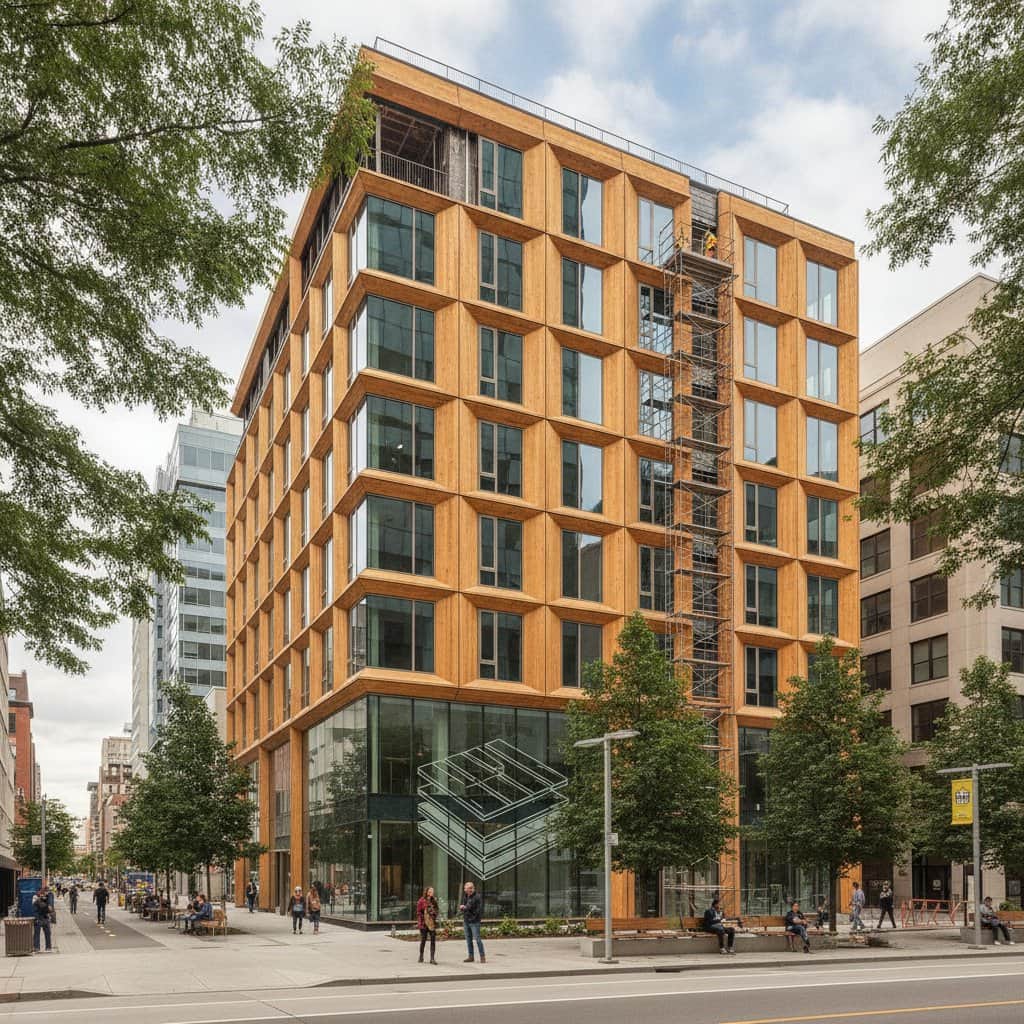
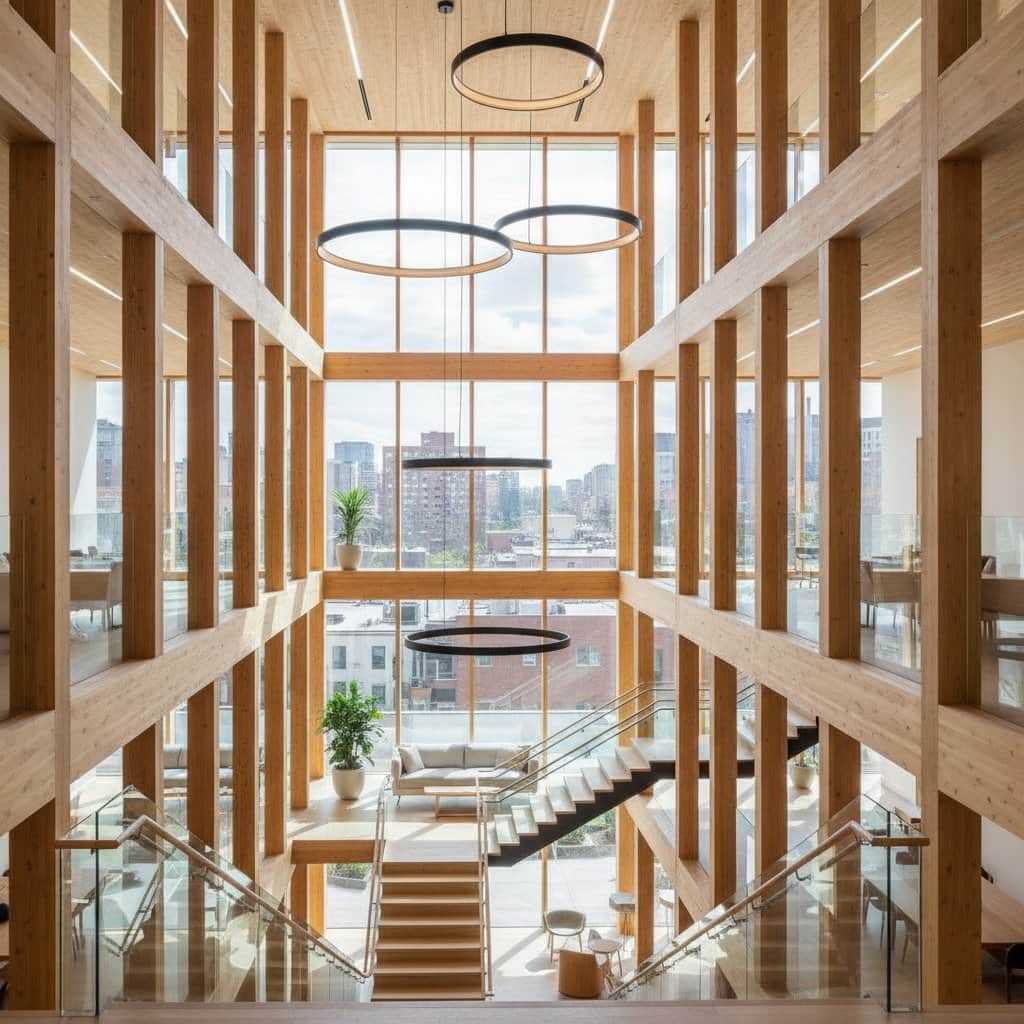
- Attractive interior finishes that often remain exposed to highlight the material's natural texture.
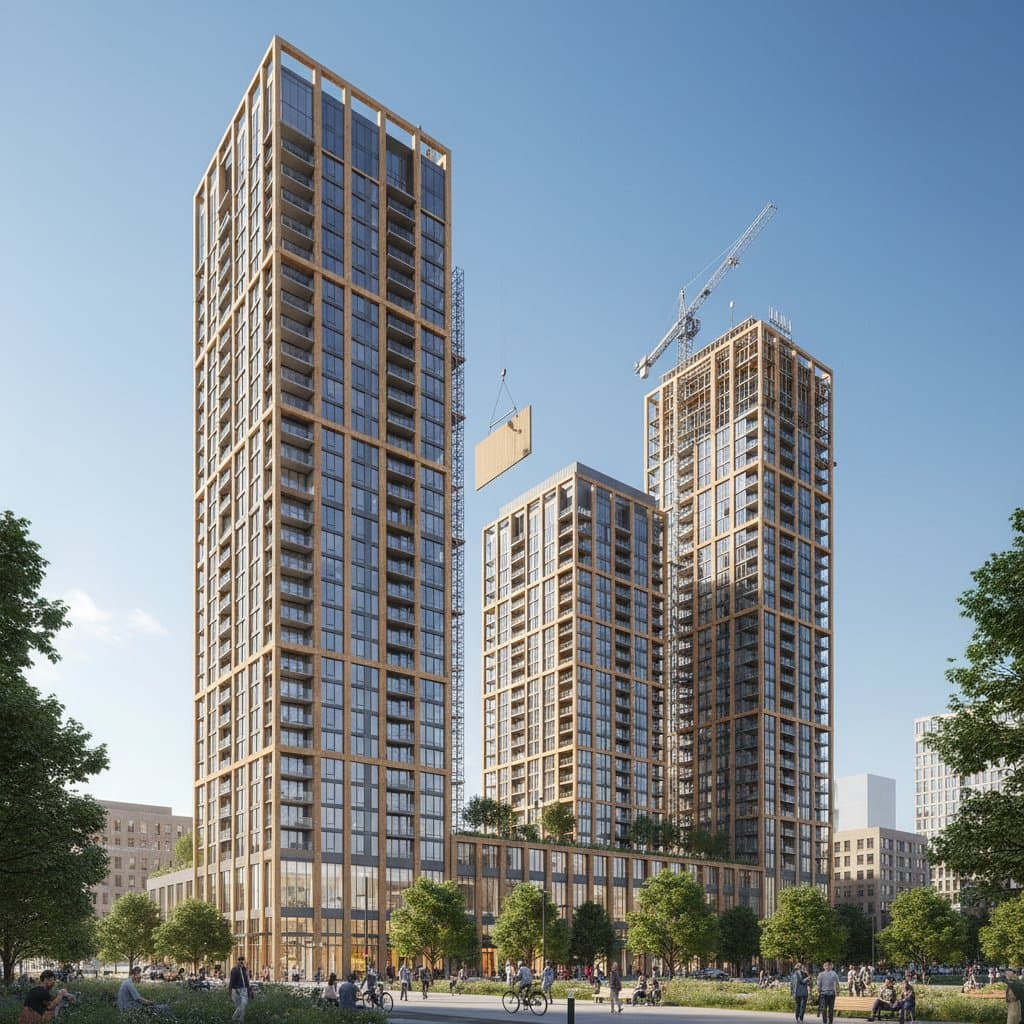
Observing the placement of a CLT floor slab via crane reveals the efficiency of this method. Panels interlock precisely, eliminating the need for on-site welding or heavy machinery operation.
Essential Considerations for CLT Tower Projects
CLT requires distinct planning from traditional materials like concrete or steel.
The following guidelines draw from established practices:
Plan Connections Thoroughly from the Outset
CLT panels connect using specialized steel fasteners, which demand early integration into the design process. Delaying these specifications may lead to costly modifications. Collaborate with structural engineers to finalize joint details during initial phases.
Address Fire Performance Requirements
CLT demonstrates resilience in fire scenarios, as the surface chars to shield the underlying structure and limit flame spread. Compliance with building codes remains essential, including the application of protective coatings. Incorporate fire safety assessments early to ensure regulatory adherence.
Select Surface Treatments in Advance
CLT's wood grain serves as a viable finished surface, enhancing aesthetic value. Decisions to conceal panels influence electrical routing, insulation placement, and panel fabrication. Establish these choices during schematic design to avoid complications.
Manage Moisture Exposure Diligently
CLT panels are susceptible to water absorption, necessitating robust sealing measures. Protect materials during transportation and ensure site conditions include adequate drainage and weatherproofing. Projects have experienced setbacks from inadequate coverage during precipitation events.
Integrating CLT into Sustainable Urban Development
CLT enables vertical urban growth while preserving environmental integrity.
Construction activities contribute significantly to worldwide greenhouse gas emissions. CLT counters this by sequestering carbon absorbed by trees during growth, which remains embedded in the final product. Each CLT tower functions as a long-term carbon sink.
Additionally, CLT sourcing typically involves certified, sustainable forestry operations. Production consumes less energy than that required for steel or concrete, and byproducts support applications such as biofuel generation or landscaping mulch.
This approach extends beyond material selection; it fosters a comprehensive reevaluation of urban expansion strategies.
Evaluating Costs and Maintenance for CLT Towers
CLT towers offer cost competitiveness when assessed across their entire lifecycle.
Initial material expenses may exceed those of conventional options, yet reductions in labor, accelerated timelines, and simplified finishing offset these costs. Exposed surfaces often eliminate the need for additional cladding.
Maintenance involves standard wood care techniques, including sealing, sanding, or refinishing. Prefabrication ensures precise dimensions, reducing risks of distortion or structural defects compared to site-built frames.
For cost-conscious projects, hybrid systems combining CLT for flooring with steel cores provide environmental benefits and aesthetic qualities without full material commitment.
Steps to Explore CLT Construction Opportunities
To pursue a CLT project or gain deeper insight, identify regional suppliers experienced in mass timber fabrication. Inquire about material origins, sustainability certifications, and technical assistance for design.
If feasible, inspect completed CLT structures firsthand. Examine the material's texture and evaluate the serene acoustic environment. Such experiences underscore CLT's role in advancing construction practices while maintaining a connection to natural elements.
Advancing Urban Futures with Mass Timber
CLT establishes a foundation for more efficient and harmonious building methods. As urban areas evolve, mass timber emerges as a pivotal element in creating enduring, environmentally responsible skylines. Projects incorporating CLT demonstrate the potential for innovation grounded in practical, human-scale design.