How 2026 Mortgage Buydowns Lower New Home Costs
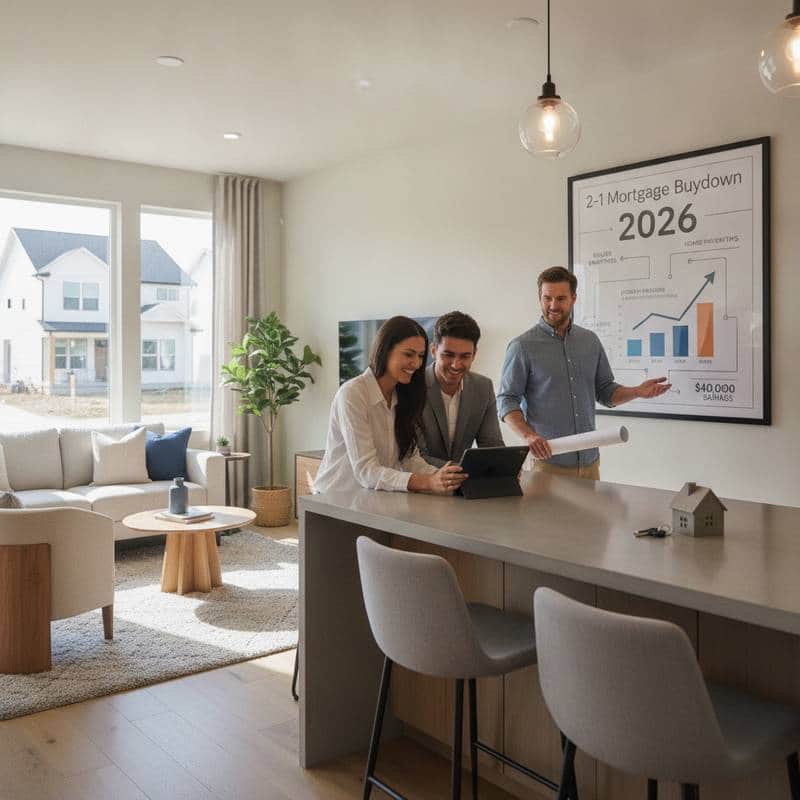
Consider touring a new construction model home, where a representative highlights a temporary buydown option within the mortgage program. This feature reduces monthly payments for the first several years, providing immediate financial relief during the transition to homeownership.
Buyers exploring new homes encounter the concept of a buydown frequently. Builders and lenders employ this strategy to enhance affordability in a market influenced by fluctuating interest rates. As conditions evolve toward 2026, buydowns emerge as a reliable method to foster buyer confidence and maintain project momentum.
Understanding Mortgage Buydowns
A mortgage buydown involves a temporary decrease in the interest rate for the early years of the loan, typically spanning one to three years. The builder or lender funds this reduction through an upfront payment, while the borrower secures a standard long-term rate beyond that period.
For example, if the permanent rate stands at 5 percent, a buydown might adjust it to 3 percent in the first year, 4 percent in the second, and then revert to the full rate. This structure significantly alleviates initial financial pressure, accommodating expenses such as relocation, furnishings, and home setup.
The benefit centers on gradual adjustment. Borrowers experience a phased entry into full mortgage obligations, akin to a structured financial onboarding process.
Reasons Builders Offer Buydowns in the Current Market
Builders respond to rising mortgage rates by introducing buydowns to mitigate buyer hesitation. Elevated rates often prolong inventory time, but buydowns encourage commitments without reliance on rate declines.
This incentive proves more tangible than direct price reductions, as it directly influences monthly cash flow. Builders integrate buydowns to sustain development timelines and community growth, viewing them as investments in buyer satisfaction.
Ultimately, the approach prioritizes mutual progress. Builders secure sales, while buyers gain practical support for establishing their new residences.
Impact of Buydowns on Personal Budgets
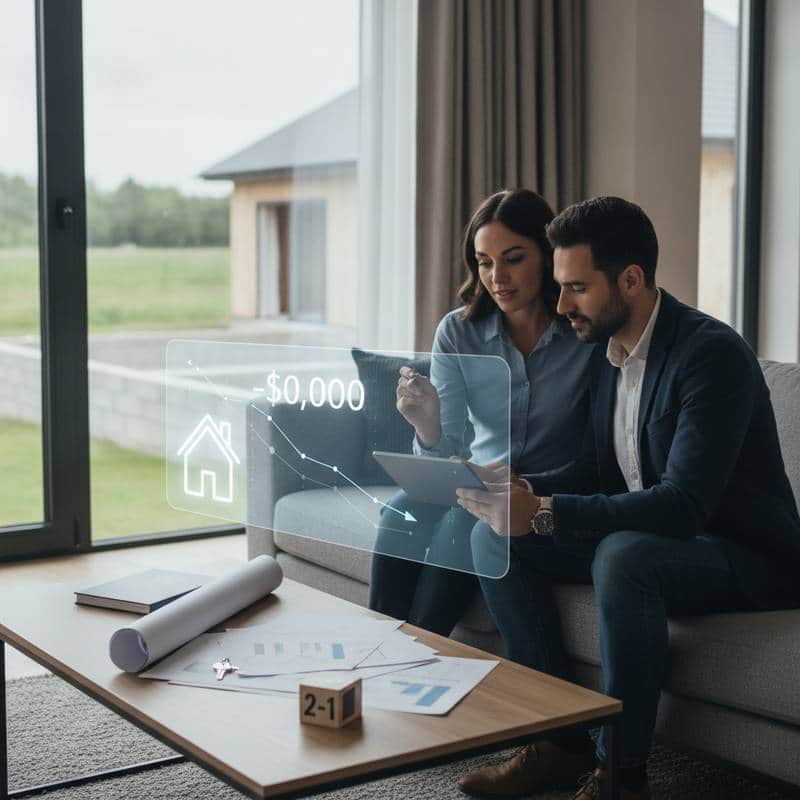
For a home purchase that borders on budget limits, a buydown renders it feasible by minimizing early payments. This period allows financial adaptation, particularly amid overlapping rent, customization projects, or interior investments.
Specific advantages include:
- Eased initial phase: Homeownership debut often involves unforeseen expenses; buydowns provide a buffer.
- Strategic savings: The payment differential enables accumulation of funds or assets to prepare for rate normalization.
- Refinancing potential: Declining rates during the buydown term may allow locking in lower permanent terms.
This method promotes deliberate financial management. Borrowers align their planning with realistic timelines, avoiding abrupt adjustments.
Common Types of Buydown Programs
Buydown variations cater to different needs, enabling informed selections.
- 1-0 Buydown: Reduces the rate by 1 percent solely in the first year.
- 2-1 Buydown: Lowers the rate by 2 percent in year one and 1 percent in year two.
- 3-2-1 Buydown: Gradually increases from 3 percent below the permanent rate in year one, to 2 percent in year two, and 1 percent in year three.
These options typically align with conventional financing, though adaptations exist for FHA or VA loans. Builders absorb the costs, streamlining the closing experience and ensuring consistent payments for the borrower.
Essential Questions to Ask Before Proceeding
Buydowns offer value, yet require careful evaluation to suit individual circumstances.
Key inquiries include:
- Does the builder or lender cover the buydown expense?
- What monthly payment applies post-buydown?
- How long does the reduced rate last, and what is the permanent rate?
- Do early refinancing options face limitations?
Lenders committed to clarity provide comprehensive explanations. Approach the decision with the same scrutiny as selecting finishes, assessing both immediate and future implications.
Rising Popularity of Buydowns
Though established, buydowns gain renewed focus as buyers seek adaptable entry points into housing. Builders leverage them to advance projects, while participants value the initial ease.
The structure instills planning assurance. Gradual rate increases facilitate preparation over reaction, allowing attention to home integration tasks such as landscaping or interior personalization.
This aligns with broader market preferences for reliability. Buydowns deliver measurable stability in uncertain times.
Integrating Short-Term Relief with Long-Term Strategy
Buydowns ease early obligations, yet demand awareness of eventual rate adjustments. Borrowers who prioritize adaptability find them ideal, especially when paired with refinancing contingencies.
Evaluate personal finances holistically. Combine the buydown with savings goals or income projections to ensure seamless progression.
Experiencing the Benefits Post-Purchase
Upon occupancy, the buydown integrates into routine finances, fostering security with each payment. This stability shifts focus toward enjoyable aspects, such as decorating or outdoor enhancements.
As the term concludes, established routines and potential equity buildup soften the transition. The overall process supports sustained homeownership satisfaction.