TL;DR
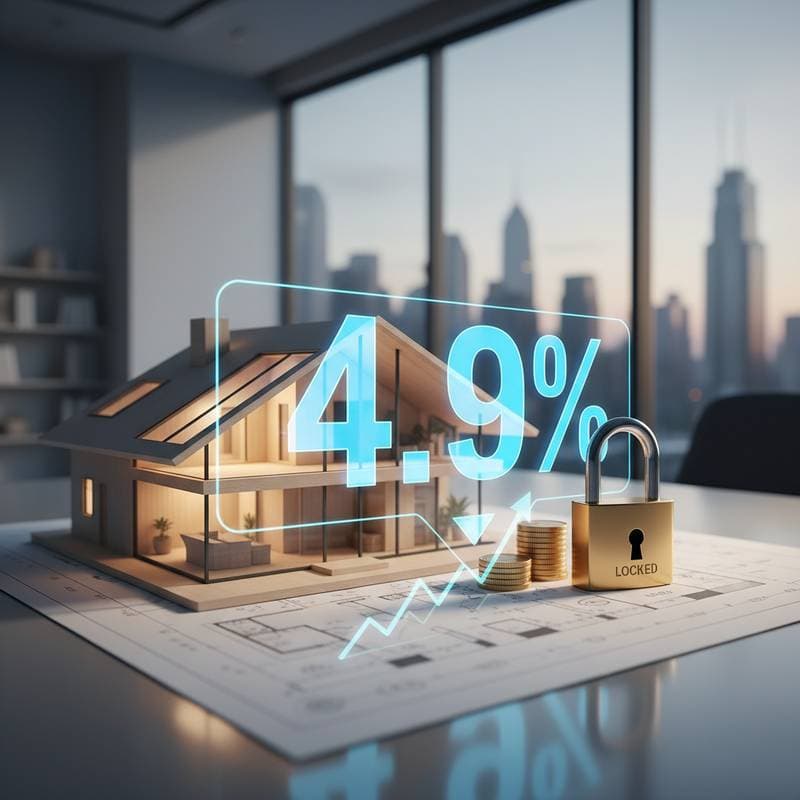
- Construction loan rates currently sit at approximately 4.9%, presenting a limited opportunity to secure reduced financing costs.
- Locking in now positions builders to save tens of thousands over the project duration.
- Thorough preparation and strategic timing enable securing this rate before potential increases occur.
Key Benefits
- Reduced rates enhance borrowing capacity. Borrowers gain the ability to finance larger projects while maintaining the same monthly payment.
- Early rate locks provide protection. These locks shield against unexpected fluctuations in lender offerings.
- Advance preparation accelerates approvals. Organizing required documents in advance streamlines the lending process.
- Permanent financing rates may differ. Rates for the construction phase often vary from those applied to the permanent mortgage.
Implications of a 4.9% Construction Rate
A 4.9% rate translates to lower monthly expenses and increased financial flexibility for your project. Consider a $500,000 construction budget. At previous higher rates, monthly draws during the build phase could add hundreds of dollars in interest. With this lower rate, those savings allow for enhancements such as premium cabinetry, expanded window features, or upgraded flooring materials that might otherwise require budget cuts.
Beyond immediate payments, the total interest accrued during construction decreases substantially. A difference of even 0.5% in rates can result in thousands of dollars saved before transitioning to the permanent loan. This financial breathing room supports smoother project execution and reduces overall stress.
Fixed Versus Adjustable Rate Options
For those constructing a long-term residence, a fixed-rate loan offers greater stability. Borrowers receive certainty on payments once the permanent financing begins, eliminating surprises from market shifts. Adjustable-rate loans suit scenarios where refinancing or property sale occurs within a few years, though they carry risks if interest rates climb subsequently.
Fixed rates provide essential predictability amid the uncertainties of construction. Securing a stable rate allows focus on project details rather than financial variables.
Handling Potential Rate Declines After Locking
Borrowers often wonder about options if rates fall following a lock. Certain lenders permit a one-time float-down adjustment prior to closing, enabling capture of lower rates. Other providers enforce the original locked percentage without exception. Inquire about these policies during initial discussions to understand available flexibility.
Cases exist where borrowers forgo modest savings due to unawareness of renegotiation possibilities. A 0.25% reduction, for instance, can reallocate funds toward exterior improvements or interior fixtures, enhancing the property's value and appeal.
Strategies to Capitalize on Current Low Rates
The primary recommendation centers on proceeding once financial projections align with personal schedules. Optimal building timing occurs when rates, budgets, and timelines converge favorably. Such opportunities prove fleeting in volatile markets.
Initiate conversations with your builder and a reputable lender within the coming week. Pose direct inquiries regarding rate lock durations, available loan structures, and expected processing timelines. Even if floor plans remain in development, obtaining pre-approval establishes priority and demonstrates readiness.
Preparation Steps for Rate Locking
Effective preparation involves several concrete actions to position yourself advantageously. First, compile essential documentation including income verification, credit reports, and project blueprints. This readiness expedites lender reviews and minimizes delays.
Second, compare multiple lenders to identify competitive terms. Focus on lock periods typically ranging from 30 to 90 days, ensuring alignment with your construction schedule. Third, clarify conversion details from construction to permanent financing, as seamless transitions prevent rate surprises.
By addressing these elements proactively, borrowers avoid common pitfalls such as rushed decisions or overlooked fees. This approach transforms the lending process into a controlled, efficient step toward homeownership.
Long-Term Financial Advantages
Securing a 4.9% rate not only curbs immediate costs but also bolsters long-term equity building. Lower interest during construction preserves capital for principal reduction in the permanent phase, accelerating payoff timelines. Additionally, enhanced buying power facilitates inclusion of energy-efficient features or smart home integrations, yielding ongoing utility savings and increased property resale value.
Home construction represents a significant investment, yet current conditions favor informed action. Engage professionals early, maintain organized records, and monitor lender communications closely. This methodical strategy ensures your build proceeds efficiently, culminating in a home tailored to your vision without unnecessary financial strain.