Key Takeaways
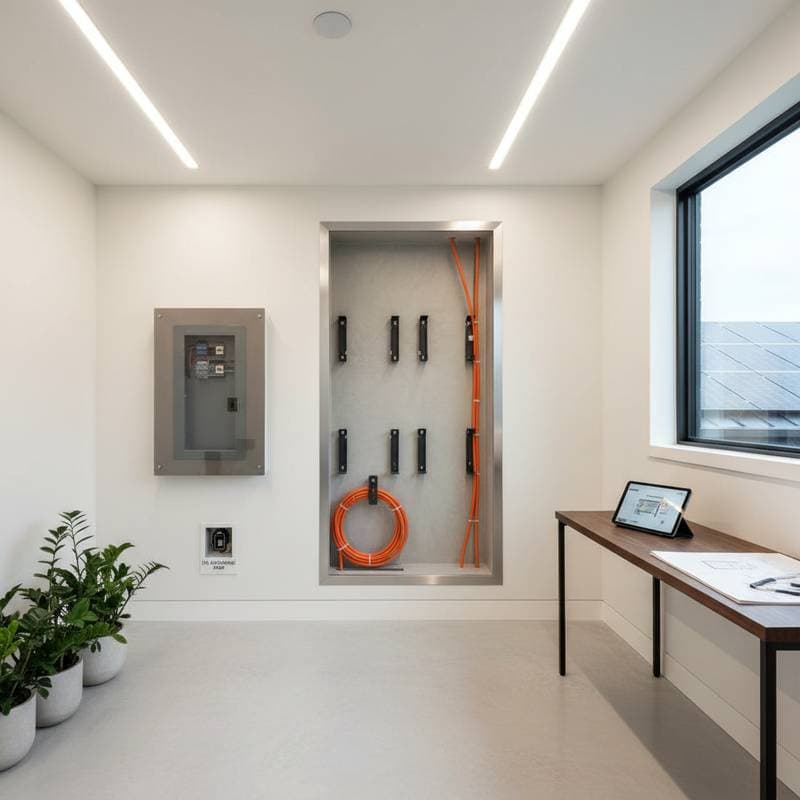
- New residential constructions will require battery-ready infrastructure, including pre-installed wiring and allocated spaces for energy storage systems.
- Many builders already incorporate elements of this preparation, making compliance straightforward.
- Early consideration during the planning stage can prevent significant costs associated with later installations.
The Rationale Behind Battery-Ready Requirements for New Homes
Energy storage solutions are increasingly integral to modern households. Home batteries capture excess electricitypanels or drawn from the grid, enabling usage during outages or periods of high demand. The 2026 wiring regulations ensure that new homes accommodate these systems without necessitating major modifications post-construction.
This approach aligns with broader goals of energy efficiency and sustainability. By mandating pre-wiring, authorities reduce the financial and logistical burdens on homeowners who might otherwise face invasive wall alterations. The result is a more resilient electrical infrastructure that supports renewable energy adoption.
Key Benefits:
- Provides long-term adaptability for evolving energy needs
- Eliminates the costs and disruptions of retrofitting
- Facilitates efficient solar energy utilization
- Increases market appeal and potential resale value
Homeowners who experience the reliability of backup power during emergencies often recognize its indispensable value.
Common Pitfalls to Avoid in Battery-Ready Home Construction
Builders must adhere to battery-ready standards, yet execution details can differ across projects. Homeowners benefit from active involvement to ensure optimal outcomes. The following guidance helps mitigate potential oversights.
Specify the Location for Battery Installation
Determine the endpoint of pre-wiring conduits during the design review. Request that the builder highlights this on architectural plans. For instance, if the designated area is in the garage, verify sufficient wall space and adequate ventilation to accommodate a standard battery unit without interference from storage or equipment.
Proper placement prevents complications during future installations. Batteries generate heat and require airflow, so positioning away from high-traffic or enclosed zones is essential. This foresight maintains accessibility and safety.
Verify Electrical Panel Capacity
Electrical panels vary in amperage and circuit availability. A panel nearing its load limit may necessitate a complete replacement when integrating a battery system. Opting for a panel with 20 to 30 percent excess capacity during initial construction addresses this proactively.
Consult with the electrician early to assess current demands from appliances and lighting. This step ensures the system scales with potential additions like electric vehicle chargers. The incremental cost of an upgraded panel pales in comparison to full-scale rework later.
Document Requirements in the Construction Contract
Include explicit language in the agreement specifying battery-ready features, such as conduit installation, reserved space, and circuit labeling. This documentation provides a clear reference for all parties involved. Clarity in contracts has resolved disputes for many homeowners who might otherwise encounter discrepancies.
Review the specifications with legal or technical advisors if needed. Labeled circuits simplify identification for future electricians, streamlining the addition of storage systems. Such measures foster accountability without implying distrust.
Integrate Solar Considerations from the Outset
Although solar panels may not be immediate priorities, discuss conduit pathways for roof-mounted systems with the builder. Batteries and solar installations complement each other, often sharing infrastructure. Coordinating these elements during the rough-in phase optimizes efficiency and reduces redundant work.
For example, routing conduits from the roof to the battery location minimizes cable lengths and energy loss. This preparation positions the home for incentives or rebates tied to renewable setups. Forward-thinking integration enhances overall energy independence.
Impact on Construction Timelines
Incorporating battery-ready wiring occurs alongside routine electrical installations, typically during the rough-in phase. This integration does not extend project durations or alter completion schedules. Electricians familiar with the standards handle these additions efficiently.
Delays arise more from unresolved decisions on panel locations or conduit routes. Finalize these choices promptly to guide accurate placements. Adjustments after framing can involve costly rerouting, underscoring the importance of early resolution.
Everyday Experience in a Battery-Ready Home
Once occupied, a battery-ready home operates indistinguishably from conventional ones. The enhancements remain concealed within walls and infrastructure. Electricians appreciate the pre-planned setup when the time arrives for battery deployment, often completing the work in a single visit.
During power disruptions from severe weather, the preparedness delivers peace of mind. Families maintain essential functions like lighting and refrigeration without interruption. This reliability transforms vulnerability into security.
Steps to Achieve Battery-Ready Compliance
Collaborate closely with your builder and electrician to outline specifications. Review plans iteratively to confirm alignment with regulations and personal needs. Schedule a walkthrough to inspect installations before drywall application.
Budget for minor upgrades like enhanced panels if projections indicate future expansions. Explore local resources for energy-efficient designs that exceed minimum requirements. These actions secure a home equipped for tomorrow's energy landscape, yielding lasting savings and sustainability.