Hempcrete Walls Gain Traction: Permits Increase in New Builds
At a recent coastal building expo, a hand-pressed hempcrete brick caught attention. Its rough, pale surface resembled compacted oatmeal yet felt warm to the touch. An exhibitor noted that such a block could form an entire house wall. This encounter highlights hempcrete's rising profile. Builders, architects, and homeowners increasingly favor walls that breathe and contribute to healthier living spaces.
Reasons for Hempcrete's Growing Popularity
Hempcrete's simplicity underpins its appeal. The material combines hemp hurds, lime, and water into a lightweight substance that provides natural insulation, fire resistance, and carbon absorption during curing. In a time when healthier, planet-friendly homes matter, these qualities resonate strongly.
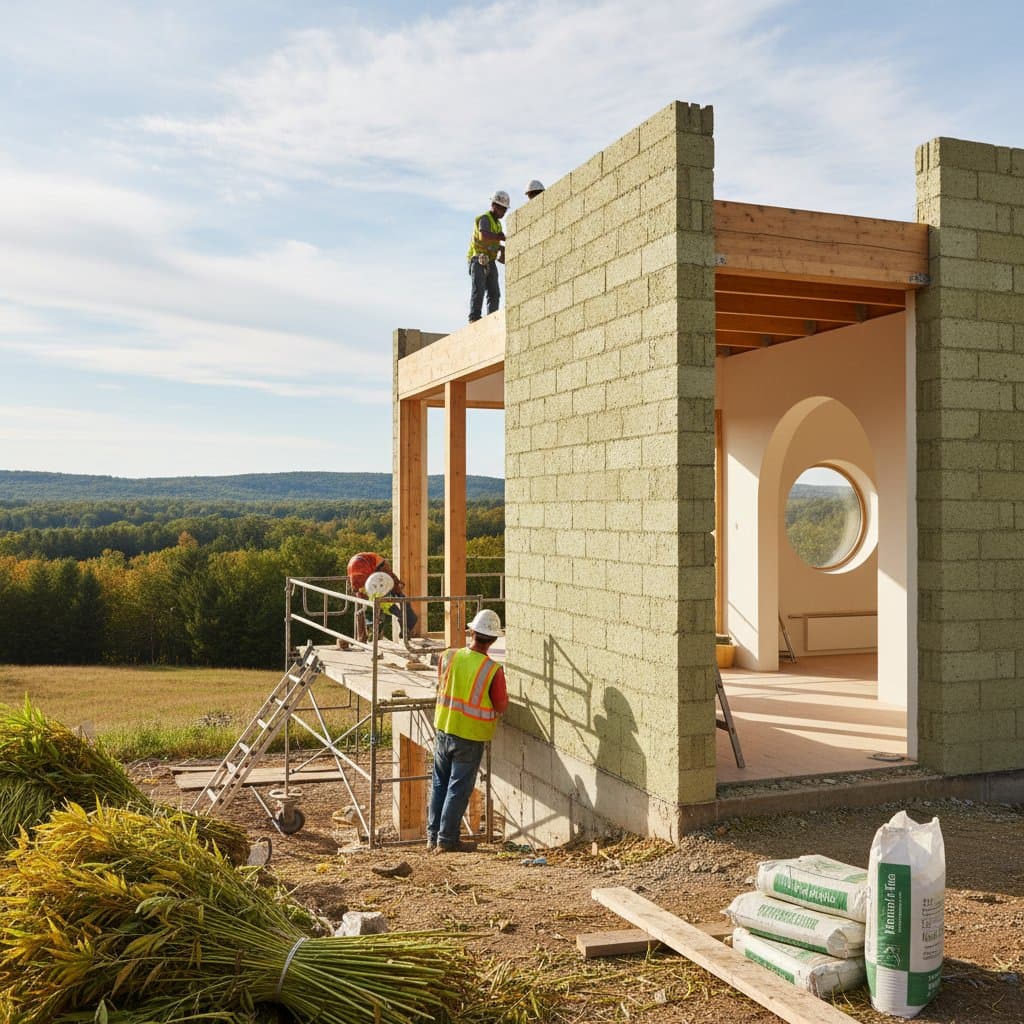
Permits for hempcrete projects rise steadily. Municipal authorities, once cautious, now approve designs featuring hemp-lime blocks or cast-in-place panels. Builders report that clients seek hempcrete for both environmental benefits and enhanced comfort. The walls manage humidity, dampen noise, and foster tranquil indoor environments.
Key Distinctions from Traditional Materials
Concrete and drywall often feel cold and unyielding. Hempcrete contrasts sharply with its texture, breathability, and subtle herbal aroma when fresh. Though non-structural and paired with timber or steel frames, it creates durable, sculptural walls upon setting.
Distinct features of hempcrete include:
- Natural Insulation: The material offers strong thermal mass, retaining heat in winter and coolness in summer.
- Carbon-Negative Properties: Hemp plants sequester carbon dioxide during growth, which remains trapped in the cured walls.
- Moisture Management: Lime enables vapor permeability, minimizing mold risk and stabilizing humidity levels.
- Fire Resistance: Lime forms a barrier that outperforms many conventional materials against flames.
- Durability: Hempcrete resists rot and pests, hardening over time for increased strength.
Beyond sustainability, hempcrete imparts a subtle vitality, akin to living timber attuned to seasonal changes.
Homeowner Experiences with Hempcrete
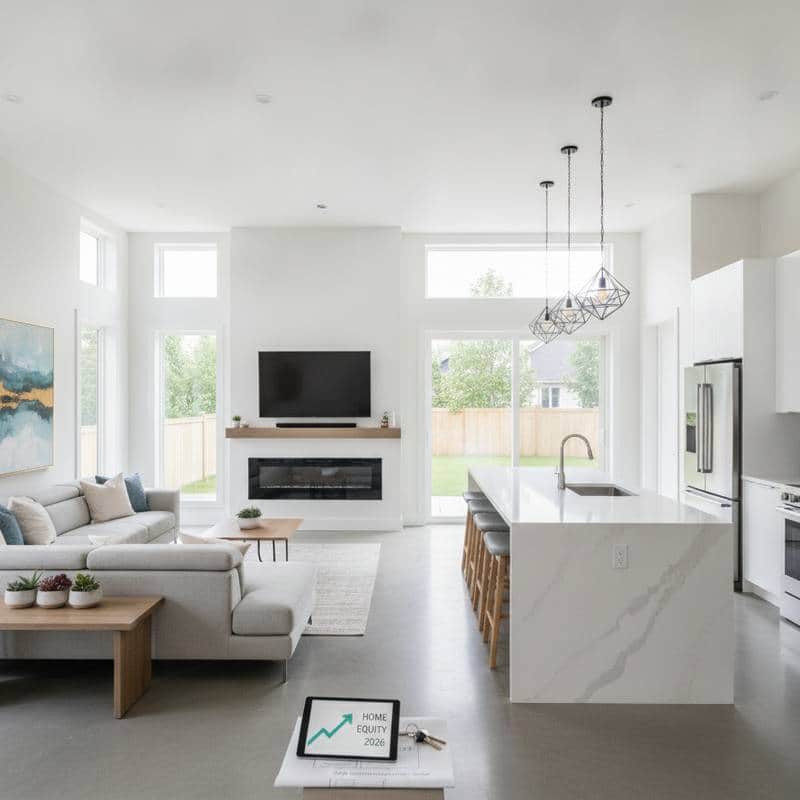
Envision a bedroom where air remains fresh and walls stay dry and warm after prolonged rain. Hempcrete delivers this reality. The material's soft, diffused light encourages relaxation in kitchens or by windows.
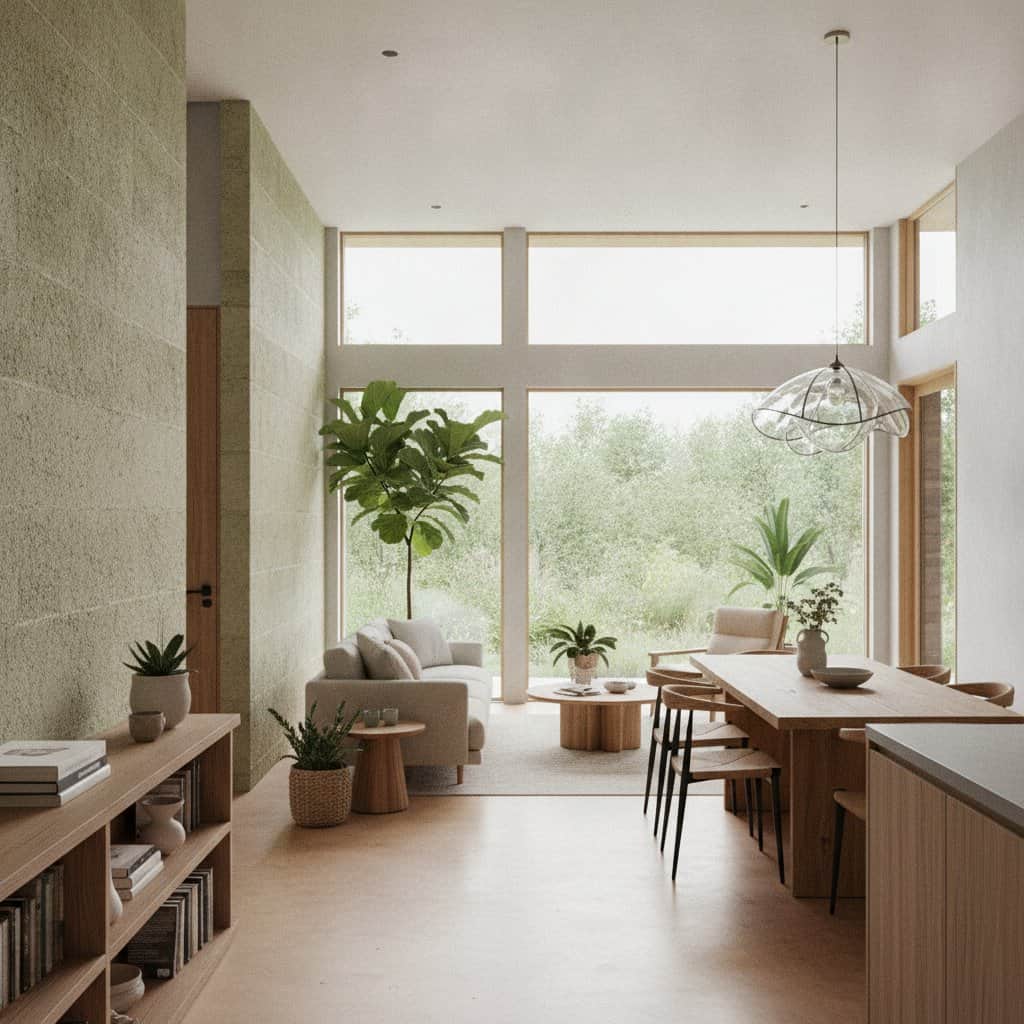
Residents describe hempcrete spaces as serene and rooted. Its matte, chalky finish complements earthy hues like sand, clay, and olive. Options include raw surfaces or lime plasters with natural pigments, yielding handcrafted yet contemporary aesthetics.
Builder Adjustments Amid the Hempcrete Rise
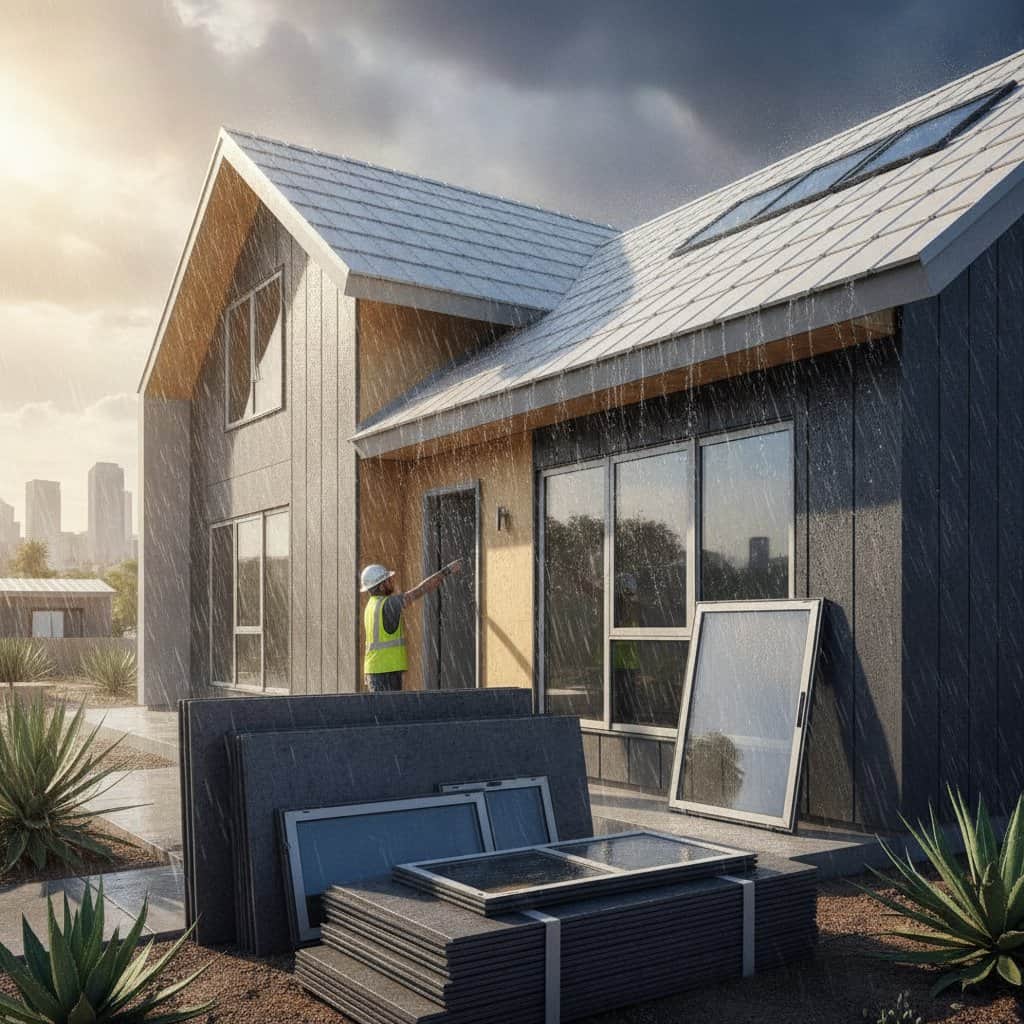
Builders adapt by rethinking processes rather than tools. Standard framing persists, but mixing and casting demand precise timing and curing. Professionals liken the work to bread-making rather than concrete pouring, requiring patience for optimal outcomes.
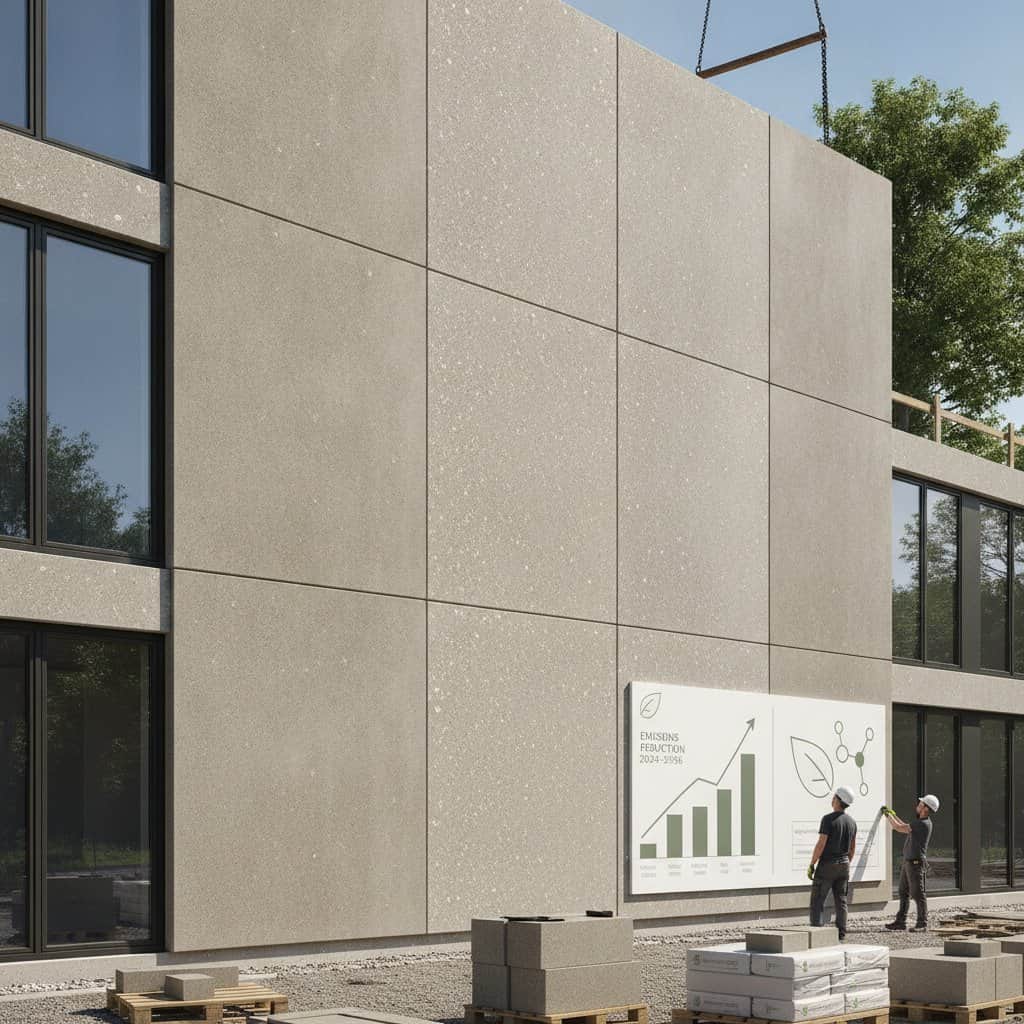
Demand fosters workshops and local supply chains. Farms collaborate with firms to supply regional hemp, cutting transport expenses and supporting rural areas. Prefabricated panels from some companies accelerate urban installations.
Essential Considerations for Hempcrete Projects
Prospective users should note key practical aspects before proceeding.
Cost Analysis: Initial expenses exceed those of standard materials due to lime, hemp, and extended labor. Long-term savings arise from reduced energy use and maintenance.
Regulatory Compliance: Approvals expand, yet some locales need engineering documentation. Collaborate with architects versed in natural materials to navigate requirements.
Climate Compatibility: Hempcrete excels in temperate zones, handling humidity and maintaining indoor comfort. In harsh cold or wet areas, supplemental insulation or finishes prove necessary.
Ongoing Care: Finished walls need minimal attention. Apply breathable lime plasters or paints, avoiding acrylic sealants to preserve vapor flow.
Design Opportunities with Hempcrete
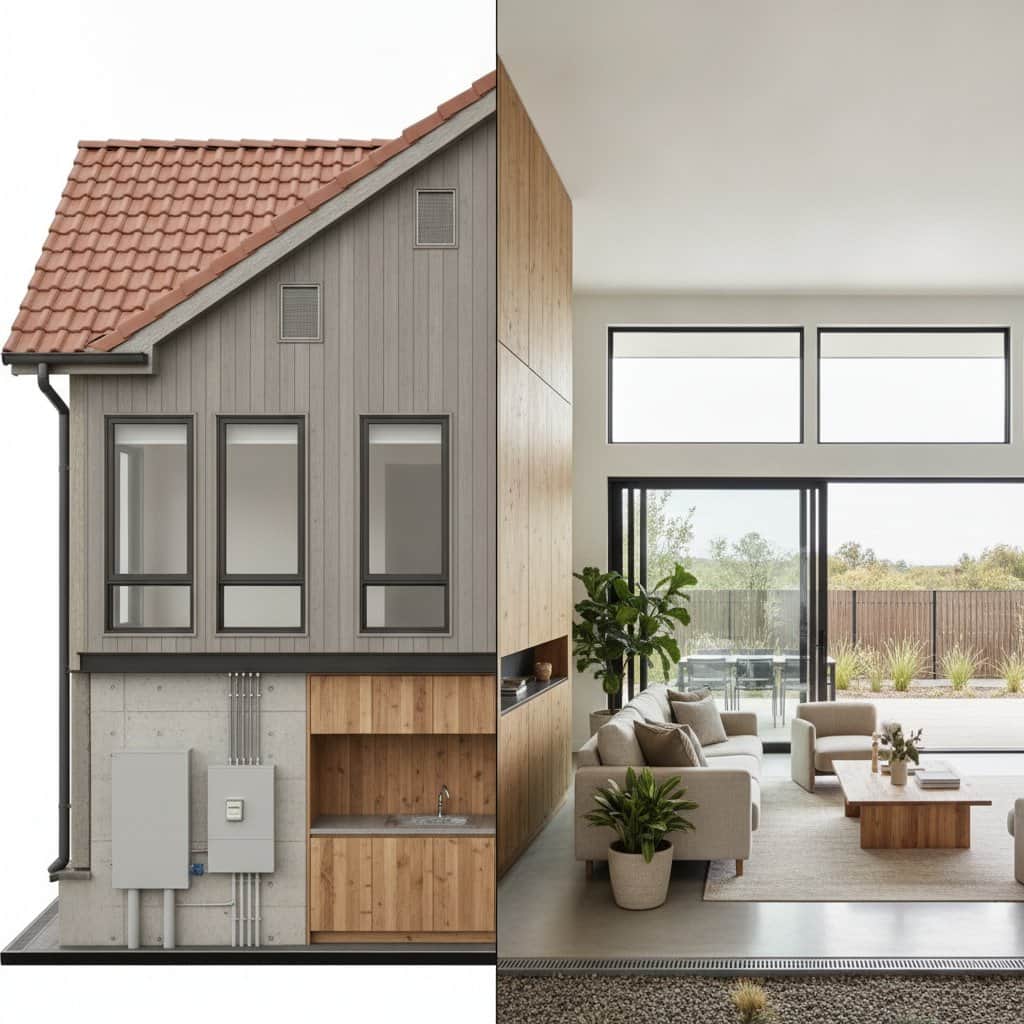
Hempcrete's practicality extends to aesthetics. Its understated texture harmonizes with natural elements like timber beams, woven fabrics, and terracotta. The result blends rustic charm with modern elegance.
The material molds into curves, deep window reveals, or artistic niches. Its pliability sparks innovation, from built-in seating to kitchen features. Under gentle illumination, spaces evoke timeless humanity.
Recommended Color Schemes:
- Earthy Neutrals: Sand, mushroom, and taupe amplify lime's inherent warmth.
- Subdued Greens: Sage and olive accentuate hemp's organic fibers.
- Rich Blues and Charcoal: These provide sophisticated contrast in contemporary settings.
- Soft Whites: Ideal for minimalist designs emphasizing surface texture.
Environmental Advantages
Sustainability initially attracts interest in hempcrete. Hemp matures rapidly without chemicals, utilizing nearly all plant parts. As a building material, it sequesters carbon that might otherwise enter the atmosphere, lowering a structure's net footprint.
Unlike carbon-intensive concrete production, hempcrete offers balance. Lime processing emits some carbon, but curing reabsorbs most. Over time, walls actively mitigate their environmental impact.
Remaining Hurdles
Hempcrete faces ongoing obstacles. Supply networks for hemp products develop unevenly, raising costs in underserved areas. Labor expertise varies; incorrect handling compromises integrity.
Curing demands controlled moisture to avoid delays or defects like cracks. Large-scale efforts require meticulous scheduling. However, advancing knowledge streamlines adoption and scalability.
Current Momentum
Though hempcrete dates back decades, today's context differs. Discontent with sterile materials fuels demand for adaptive, graceful homes. Hempcrete aligns with this preference, uniting tradition and efficiency.
Architects now emphasize well-being alongside performance. Hempcrete structures conserve energy while nurturing inhabitants, transforming walls into supportive environments.
Steps to Incorporate Hempcrete
Begin modestly with a shed, studio, or room extension to experience the material firsthand.
Practical Guidance:
- Source Locally: Select hemp hurds and lime from regional providers to minimize shipping and ecological effects.
- Select Knowledgeable Teams: Partner with contractors experienced in hempcrete applications.
- Account for Curing: Allocate sufficient time for drying prior to finishing.
- Choose Permeable Coatings: Opt for lime or mineral-based paints to sustain breathability.
- Focus on Endurance: Design for longevity, considering future upkeep.
Hempcrete's thermal and acoustic control impresses subtly, while its tactility enriches daily routines.
Broader Implications
Rising permits reflect evolving views on housing. Professionals and residents recognize that aesthetics, comfort, and ecology converge effectively. Hempcrete demonstrates how foundational elements can elevate living beyond mere utility.