Biochar: A Path to 40 Percent Emission Reductions in Concrete by 2026
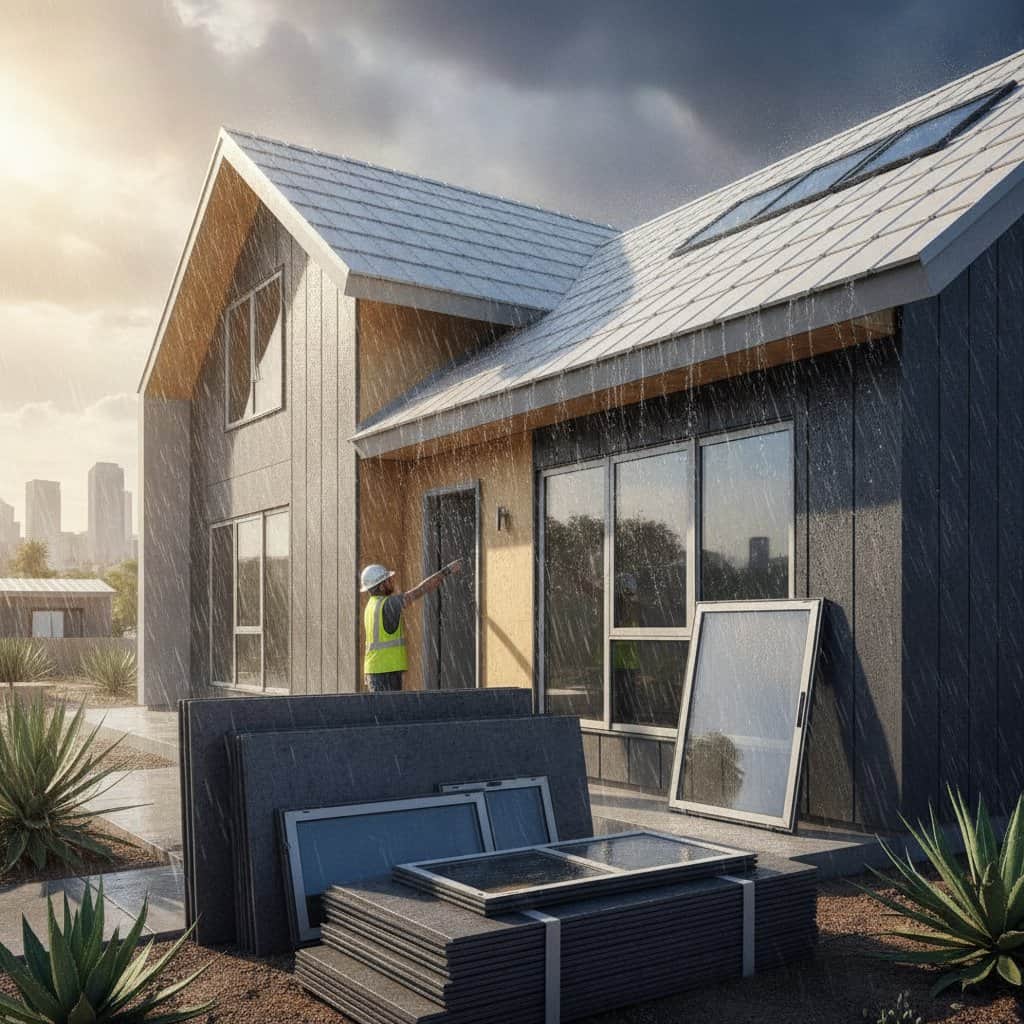
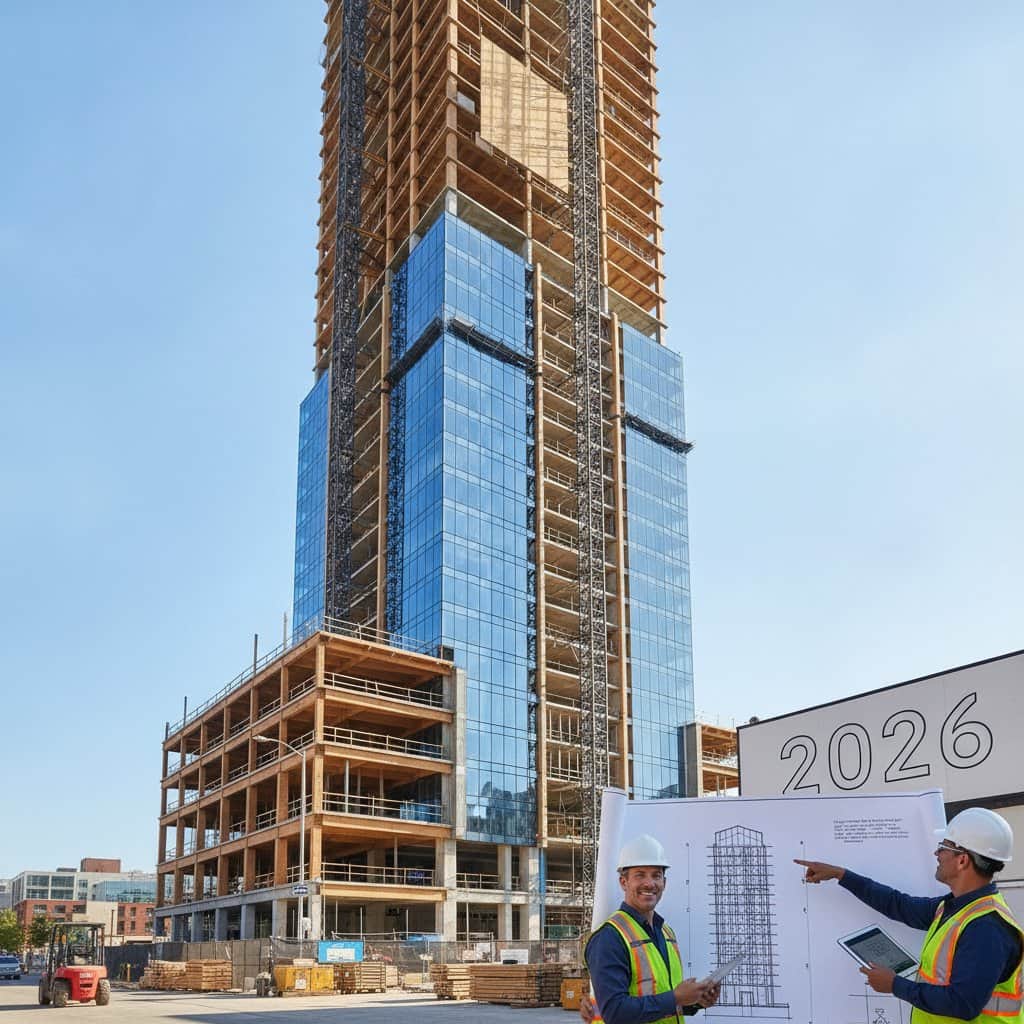
Picture a construction site where the familiar mix of cement and aggregates incorporates an innovative additive that not only builds durable structures but also sequesters carbon. Concrete remains a cornerstone of modern infrastructure, yet its production accounts for significant global emissions. Biochar emerges as a practical solution, transforming organic waste into a material that mitigates these impacts while maintaining essential performance standards.
Understanding the Environmental Challenge of Concrete Production
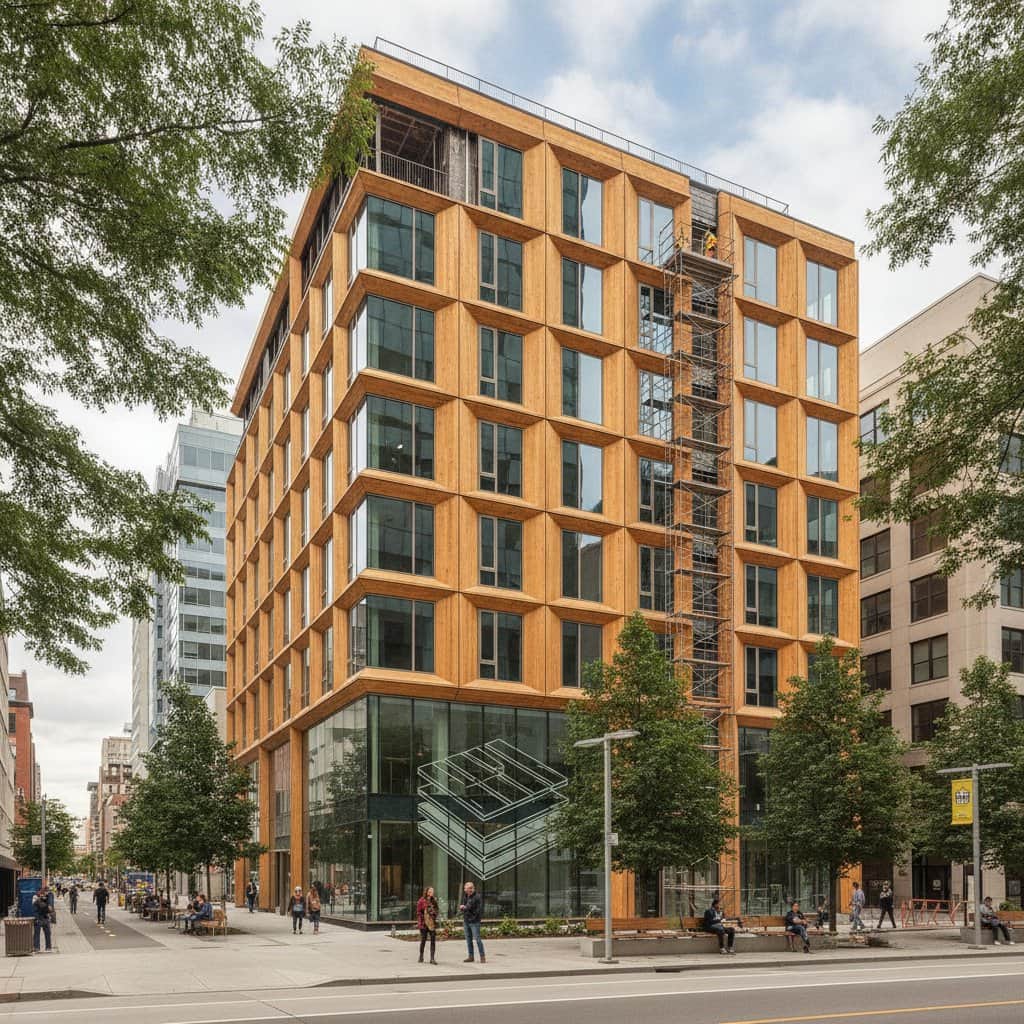
Concrete appears in nearly every building project, from foundations to finishes. Traditional cement manufacturing involves heating limestone, a process that releases substantial carbon dioxide. As urbanization accelerates, these emissions intensify, contributing to climate change without compromising the material's reliability.
Builders face the task of preserving concrete's strength and versatility while minimizing its ecological footprint. Biochar addresses this directly by integrating seamlessly into existing mixes, offering a viable path forward.
Introducing Biochar as a Sustainable Additive
Biochar results from heating organic waste, such as wood residues or agricultural byproducts, in a low-oxygen setting. This process yields a stable carbon form that endures for centuries. When incorporated into concrete, it replaces a portion of cement, potentially cutting emissions by up to 40 percent by 2026.
The material enhances structural integrity and thermal properties, turning waste into a resource. Projects using biochar-concrete demonstrate comparable workability to standard mixes, with added benefits in longevity and efficiency.
The Mechanics of Biochar in Concrete Mixtures
Cement production's primary emissions stem from the chemical decomposition of limestone. Biochar mitigates this by substituting for cement, reducing the need for high-heat processing. Its particles occupy microscopic voids, fostering stronger internal bonds and improving moisture management to prevent cracks.
Optimal integration involves replacing about 10 percent of cement content. This ratio balances environmental gains with practical handling, ensuring the mix remains fluid and sets reliably. Research confirms these blends achieve superior compressive strength over time.
Sourcing and Preparing Biochar for Concrete
High-quality biochar derives from uncontaminated feedstocks like clean wood or crop remnants. Suppliers provide finely ground varieties optimized for construction. The integration process follows these steps:
- Select biochar verified for purity and particle size.
- Incorporate it during the dry mixing of cement and aggregates.
- Monitor water addition, as biochar influences absorption rates.
- Pour and cure under standard conditions to maximize bonding.
Testing small batches reveals ideal proportions for specific projects, ensuring consistent results.
Key Advantages for Construction Professionals
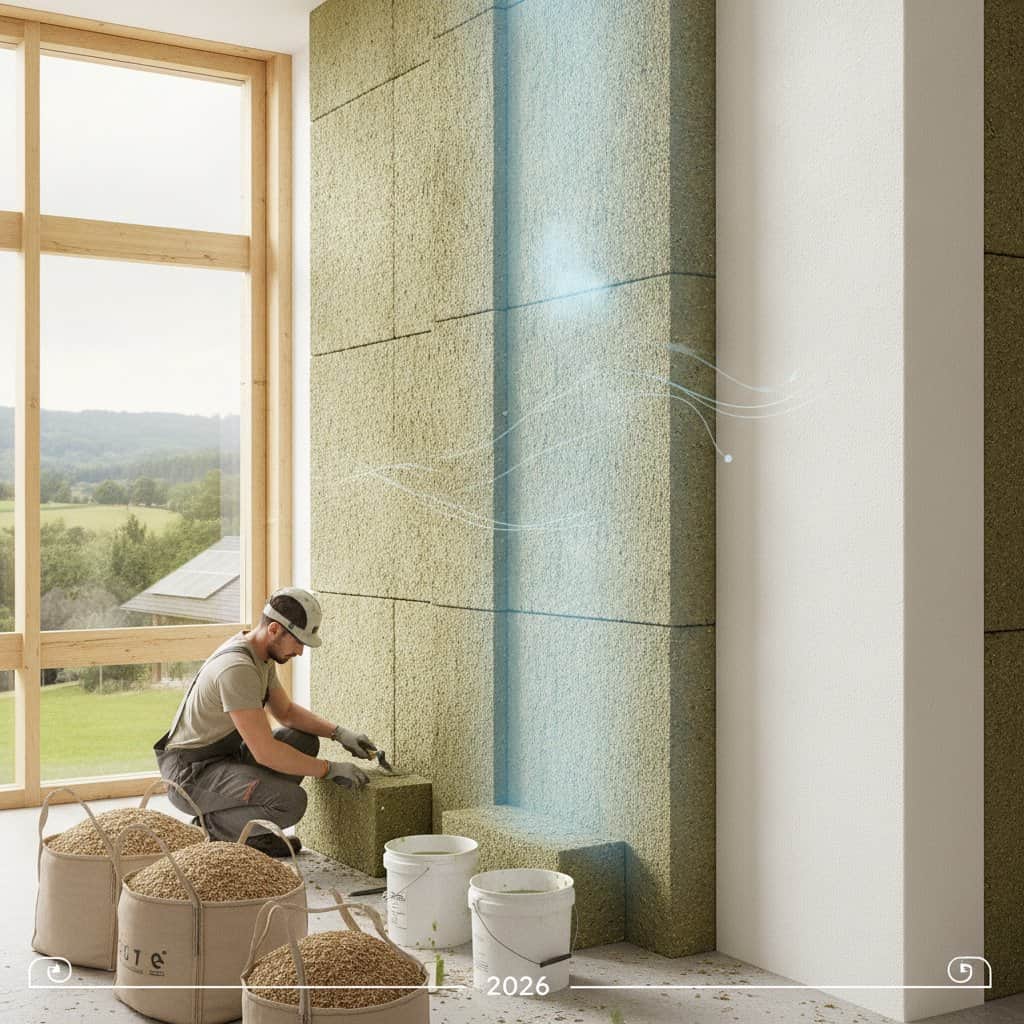
Biochar-concrete delivers measurable improvements beyond emissions reductions. Its porous nature enhances insulation, stabilizing indoor climates and lowering energy demands. Effective moisture regulation minimizes mold risks and extends service life.
The lighter composition allows for optimized structural designs, potentially reducing material volumes. Durability tests indicate fewer surface defects, cutting maintenance needs. Sourcing from local waste streams further supports regional economies and reduces transportation emissions.
Evaluating Costs and Economic Viability
Initial costs for biochar-concrete range five to ten percent above conventional options, driven by emerging production scales. However, declining prices and incentives for low-carbon materials offset this premium. Long-term savings arise from enhanced efficiency and reduced upkeep.
Local production minimizes logistics expenses. Builders partnering with nearby facilities, such as those using forestry residues, achieve cost parity while advancing sustainability goals.
Quantifying the Broader Environmental Benefits
A 40 percent emissions cut per cubic meter translates to kilograms of sequestered carbon per structure. Scaled to industry levels, this shift could significantly lower sector-wide impacts. Biochar-concrete positions buildings as active carbon stores, contributing to net-negative outcomes.
This approach reframes construction as restorative, integrating it with circular economy principles.
Building Local Supply Chains for Biochar
Biochar production aligns with regenerative practices in agriculture and forestry. Facilities convert husks, shells, or wood scraps via efficient kilns, minimizing their own emissions. Concrete producers equip lines for seamless blending, while on-site mixing suits smaller operations.
In challenging environments, such as coastal areas, biochar resists corrosion and maintains aesthetics. Direct collaborations between suppliers and builders foster resilient, localized networks.
Handling and Safety Considerations
Biochar poses minimal risks, though dust control during mixing requires masks and ventilation. Its low weight simplifies transport and application. Key practices include precise water ratios to avoid inconsistencies and extended curing for optimal strength.
Initial trials help master these nuances, leading to reliable pours without workflow disruptions.
Enhancing Design Possibilities with Biochar
Biochar-concrete supports diverse applications, from load-bearing elements to aesthetic surfaces. It accommodates colorants and textures, enabling creative expressions. Lighter weights benefit interior installations, easing installation demands.
Polished finishes yield warm, durable results, while varied textures add visual interest. Architects leverage these properties for innovative, sustainable designs.
Integrating Biochar into Sustainable Ecosystems
Biochar bridges sectors, valorizing agricultural waste and streamlining construction. It promotes closed loops where byproducts fuel durable builds. Incremental adoption, starting with non-structural features, builds expertise.
This integration yields spaces that perform efficiently and align with global climate objectives.
Realizing Benefits in Everyday Structures
Structures with biochar-concrete offer stable temperatures and resilient surfaces. They demand less intervention, providing enduring value. Embracing this material advances toward a built environment that sustains and regenerates.