Understanding Insulated Concrete Forms
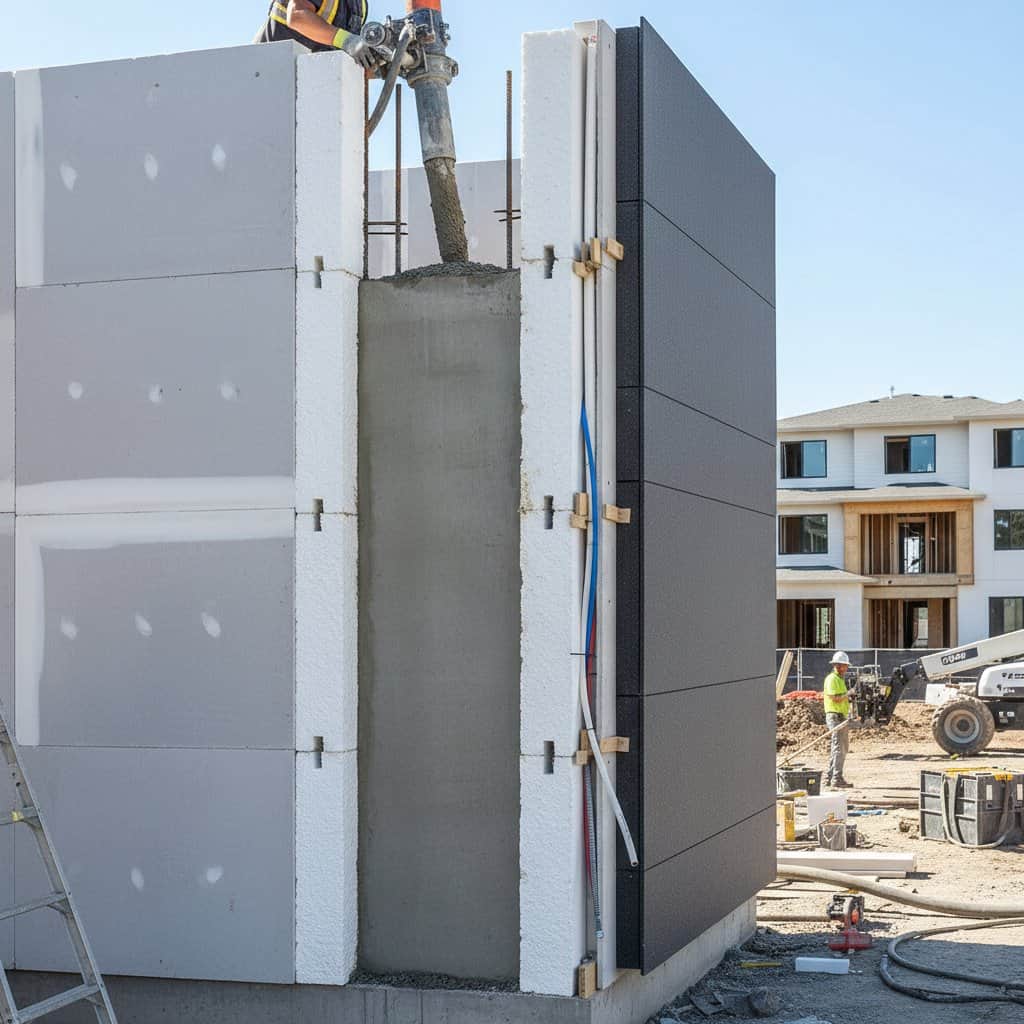
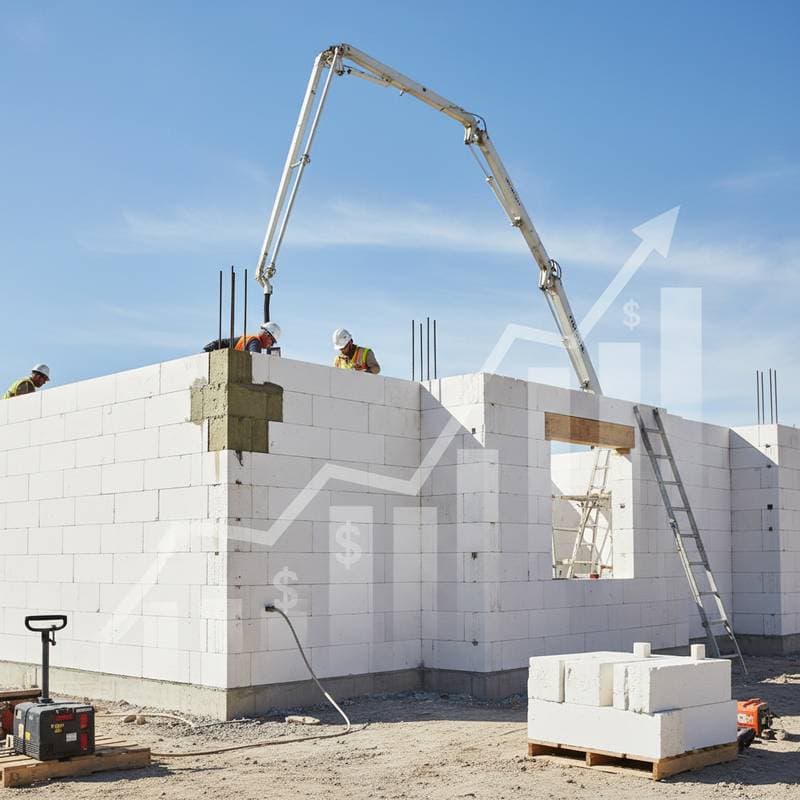
Insulated concrete forms represent a modern building technique that integrates expanded polystyrene foam with reinforced concrete. Builders stack these foam blocks on-site, fill them with concrete, and create walls that serve as both structural elements and insulation layers. This method contrasts with traditional wood framing by eliminating the need for separate insulation materials during construction.
Homeowners benefit from walls that achieve high thermal resistance values, often exceeding R-20 without additional measures. The continuous insulation layer minimizes thermal bridging, where heat escapes through studs in conventional builds. As a result, ICF homes maintain stable indoor temperatures year-round.
Key Energy Efficiency Advantages
ICF construction can reduce heating and cooling demands by up to 70 percent compared to standard wood-frame homes. The foam-concrete composite traps heat in winter and blocks it in summer, leading to lower reliance on HVAC systems. Energy modeling studies confirm these savings, particularly in climates with extreme temperatures.
Beyond energy reduction, ICF walls enhance occupant comfort through consistent temperatures and reduced drafts. The material's density also dampens external noise, creating quieter living spaces. These features contribute to healthier indoor environments by limiting moisture infiltration and mold growth.
Durability plays a crucial role in long-term efficiency. Concrete cores resist pests, fire, and natural disasters better than wood, extending the home's lifespan. Fewer repairs mean sustained performance over decades.
How ICFs Achieve Superior Insulation
The foam panels in ICFs provide a seamless barrier that prevents air leakage, a common issue in older construction methods. When concrete pours into the forms, it bonds with the foam, forming a monolithic wall without gaps. This design ensures that insulation remains effective throughout the structure's life.
Thermal mass from the concrete stores heat during the day and releases it at night, stabilizing indoor climates naturally. Combined with the foam's low conductivity, this creates homes that require minimal supplemental heating or cooling. Builders often integrate ICFs with passive solar design for even greater efficiency.
Qualifying for Energy Tax Credits
Federal incentives make ICF adoption more accessible for homeowners and builders. The Residential Clean Energy Credit allows deductions for energy-efficient building materials, including ICFs that meet specific insulation standards. Eligible projects can claim up to 30 percent of costs, with no upper limit on qualified expenses.
To qualify, ensure the ICF system achieves the required R-value as outlined in IRS guidelines. Consult a tax professional to verify compliance and maximize deductions. These credits apply to new constructions and major renovations, broadening their appeal.
State and local rebates may supplement federal benefits, particularly in regions promoting green building. Research programs through energy departments to identify additional savings opportunities.
Steps to Incorporate ICFs in Your Build
-
Assess your project needs: Evaluate site conditions, climate zone, and energy goals to determine if ICFs suit your design.
-
Select certified materials: Choose ICF products from reputable manufacturers that comply with building codes and energy standards.
-
Hire experienced contractors: Partner with teams familiar with ICF installation to ensure proper stacking, reinforcement, and pouring.
-
Plan for integration: Combine ICF walls with efficient windows, doors, and roofing to optimize overall performance.
-
Document for credits: Keep records of materials, labor, and certifications to support tax filings.
These steps streamline the process and help avoid common pitfalls, such as inadequate bracing during concrete placement.
Calculating Costs and Returns
Initial ICF costs range from 3 to 5 percent higher than traditional framing due to materials and labor. However, energy savings offset this premium within 5 to 10 years, depending on local utility rates. For a typical 2,000-square-foot home, annual heating and cooling bills drop by $1,000 or more.
Lower insurance premiums for disaster-resistant structures add to financial benefits. Resale values increase as buyers seek sustainable features, providing equity growth. Long-term, ICF homes require less maintenance, further enhancing return on investment.
Building a Sustainable Future with ICFs
Adopting insulated concrete forms positions homeowners at the forefront of energy-efficient construction. These systems deliver immediate reductions in utility costs alongside enduring structural advantages. By leveraging tax credits, the path to a greener, more comfortable home becomes both practical and rewarding.
Consider ICFs for your next project to secure lasting efficiency and peace of mind. The combination of innovation and incentives ensures that sustainable building aligns with smart financial decisions.