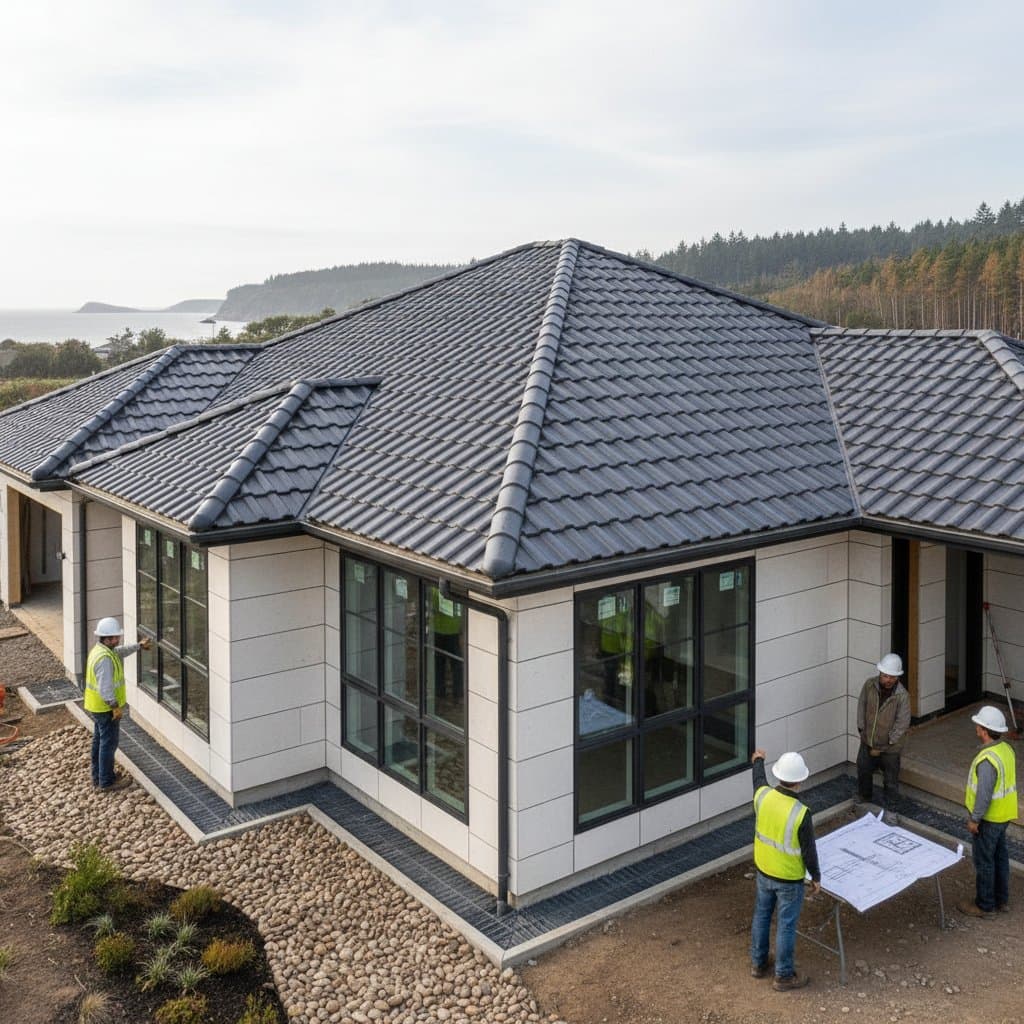
2026 Codes: Safeguarding Homes from Hurricanes and Wildfires
Picture a fierce storm approaching, with rain pounding the exterior and winds bending the landscape. Confidence in the face of such events stems from robust building codes that prioritize safety and durability. These regulations ensure that structures withstand severe weather, offering protection that goes beyond mere chance.
Nationwide, updates to building codes address escalating threats from hurricanes, wildfires, and climate-related hazards. Such changes affect design decisions, material selections, and ongoing maintenance for all properties. For those considering renovations or new constructions, grasping these updates enables informed choices that enhance security and longevity.
Core Principles: Emphasizing Resilient Construction
Central to these standards lies the concept of resilient building, which employs designs, materials, and techniques that allow homes to endure disasters and facilitate swift recovery. Primary focus areas encompass:
- Fortified roof and wall connections to counter high winds
- Fire-resistant materials for exteriors, decks, and roofs
- Enhanced protection for windows and doors against storm impacts
- Defensible space guidelines to limit wildfire propagation
- Optimized drainage and site grading to avert flooding and soil erosion
These components integrate to form a cohesive defense against environmental stresses.
Strategies for Hurricane Resistance
Properties in wind-prone or coastal zones require multifaceted protections to mitigate storm damage. The updated codes outline targeted approaches to bolster structural integrity.
Roof Fortification
The roof serves as the primary barrier to wind and precipitation. Regulations now mandate reinforced attachment methods, including metal straps and clips that secure trusses and rafters to wall frames. These prevent uplift forces from dislodging sections. Additionally, specify impact-resistant asphalt shingles or durable standing-seam metal roofing, which resist debris impacts and repeated wind exposure.
Securing Windows and Doors
Debris poses significant risks during high winds. Codes in vulnerable areas require impact-rated glazing or storm shutters as standard features. Consider installing laminated glass windows that meet missile-impact testing standards, or aluminum storm panels that bolt into place for temporary reinforcement. These measures preserve barriers against penetration and water intrusion.
Foundation Anchoring and Load Paths
In regions with elevated wind risks, foundations must extend deeper or employ advanced anchoring systems, such as helical piles or reinforced concrete footings. Continuous load paths ensure that forces transfer seamlessly from the roof through walls to the base, maintaining overall stability. Builders verify compliance through engineering calculations tailored to local wind speeds.
Effective Water Diversion
Resilience against hurricanes includes superior water management. Install oversized gutters with leaf guards and extend downspouts at least five feet from the foundation. Grade the site to achieve a minimum two percent slope away from the structure, directing runoff efficiently and preventing hydrostatic pressure buildup.
Implementation Factors: Balancing Costs, Upkeep, and Resources
Adopting these standards need not inflate budgets excessively. Many enhancements contribute modestly to overall expenses; for instance, hurricane ties add approximately 1-2 percent to framing costs, while impact windows increase outlays by 20-30 percent yet yield savings through lower insurance rates and fewer repairs.
Upkeep plays a vital role in sustained resilience. Fire-rated siding, such as fiber-cement panels, demands less frequent replacement than untreated wood. Metal roofs endure 40-70 years with minimal intervention, compared to 20 years for traditional asphalt. Select low-maintenance landscaping, including native plants and non-combustible mulches, to align with fire codes while cutting irrigation and pruning efforts.
Suppliers adapt quickly to these requirements. Brands like Sherwin-Williams provide intumescent paints that expand under heat to form protective barriers. Local distributors carry pressure-treated lumber certified for moisture and fire resistance. Consult contractors or municipal offices to identify compliant products specific to regional codes.
Coastal residents benefit from authority-provided guides on wind-resistant builds. Programs offering rebates for reinforced entries or elevated utilities can offset investments; verify eligibility through official channels prior to commencing work.
Benefits of Resilient Living
Homes compliant with these codes exhibit tangible enhancements in daily use. Entryways seal tightly against drafts, and reinforced openings convey solidity. During gales, the building maintains composure, fostering a sense of reliability.
After implementing upgrades, one family endured a major tempest without interior damage. Power outages occurred, yet the structure remained dry and intact, underscoring the value of proactive measures.
Steps to Achieve Compliance
To integrate these standards into a project, engage a contractor experienced in resilient practices. Inquire about specific connection hardware, material certifications, and performance ratings. Evaluate insurance options to quantify premium reductions from enhancements. Document all modifications meticulously, as they can elevate property appraisals and market appeal.