2026's Leading Designs for Hurricane and Fire-Resistant Homes
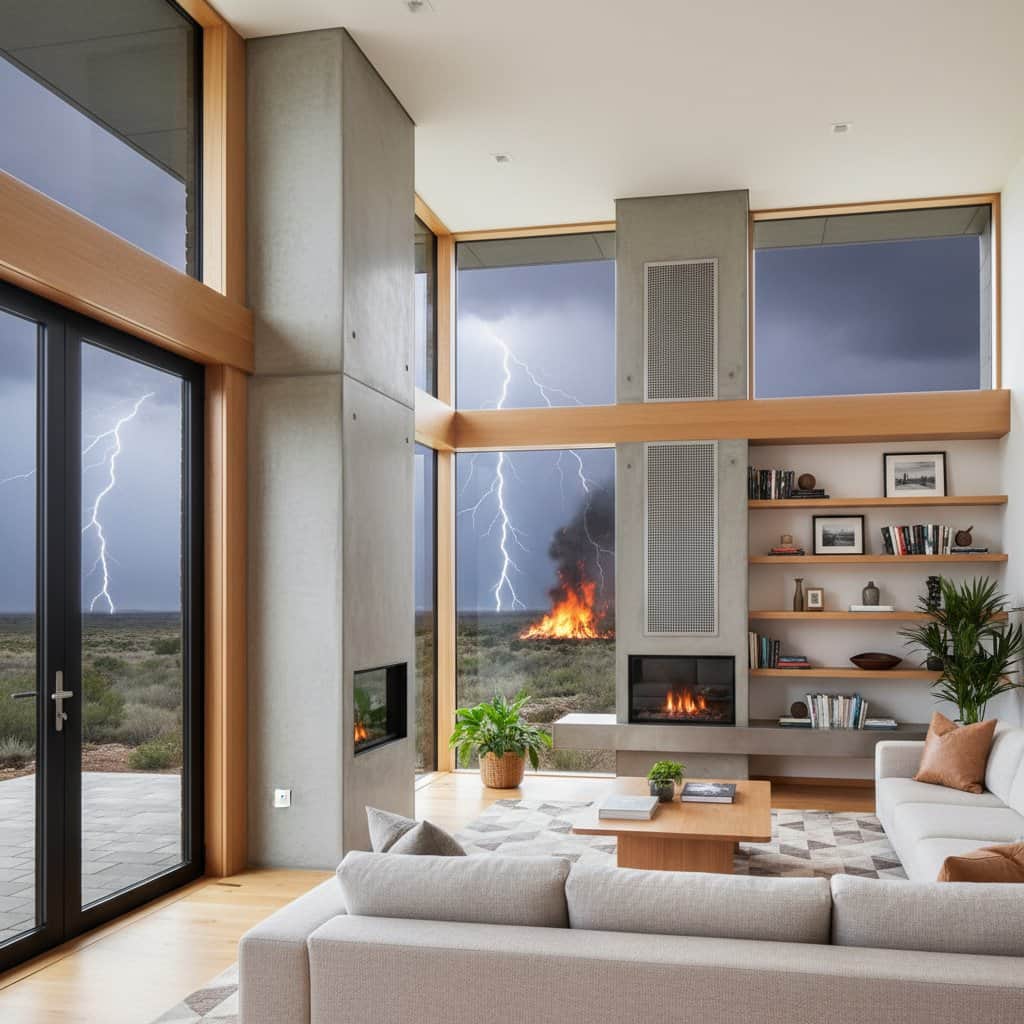
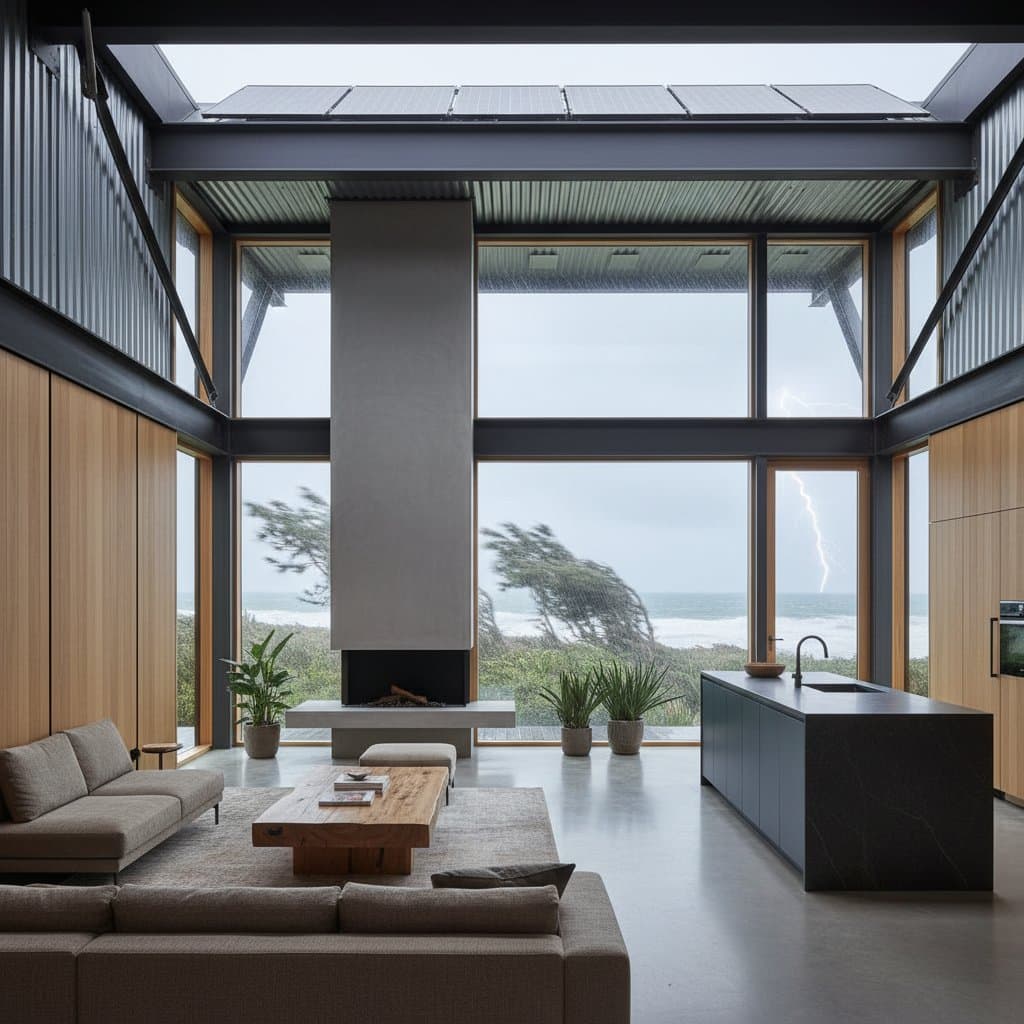
Visualize standing in the living room while fierce winds rage outside, the type of storm that previously caused concern over every sound. In this scenario, calm prevails. The walls remain firm, the windows hold steady, and the roof stays secure. Such choices transform a home into a resilient sanctuary. Modern hurricane and fire-resistant designs deliver exactly this sense of security.
The experience of assisting a neighbor in rebuilding after a severe storm highlighted a key insight: strength and aesthetics coexist seamlessly in contemporary homes. Materials prove more intelligent, layouts more strategic, and outcomes visually appealing. Homeowners seeking to fortify against extreme weather join a growing movement toward durable living spaces.
This guide explores optimal materials, techniques, and design elements defining hurricane and fire-resistant homes. The information draws from proven practices, offering practical steps accessible to many builders and renovators.
Establishing a Solid Foundation
A resilient home begins with its foundation. Reinforced concrete slabs or insulated concrete forms (ICFs) gain prominence among builders in vulnerable areas. ICFs consist of foam blocks filled with concrete, forming walls that withstand impacts and flames. Observing the pouring process reveals its efficiency; the resulting structure provides solidity and acoustic insulation.
Key benefits include:
- Concrete resists combustion and high-velocity winds.
- Thermal mass stabilizes indoor temperatures.
- Proper sealing ensures long-term durability with minimal upkeep.
For new construction, integrate steel reinforcement into concrete foundations. In retrofitting scenarios, install steel anchors and hurricane straps to secure walls to the base. These enhancements significantly bolster resistance to wind forces.
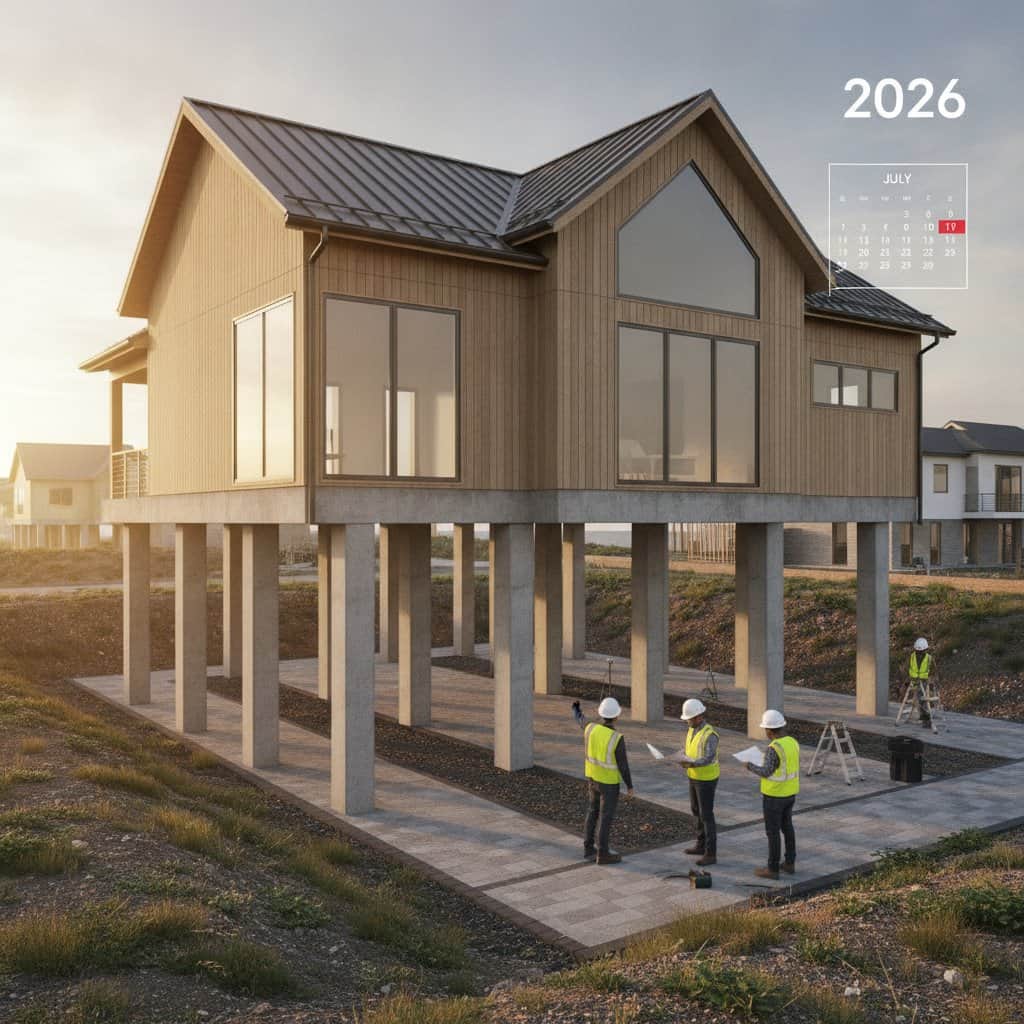
Elevate foundation performance further by incorporating elevation techniques in flood-prone zones. Raise the structure on pilings or piers to mitigate water damage. Select corrosion-resistant materials like galvanized steel for coastal environments, extending the lifespan against saltwater exposure.
Securing Roofs Against Extreme Forces
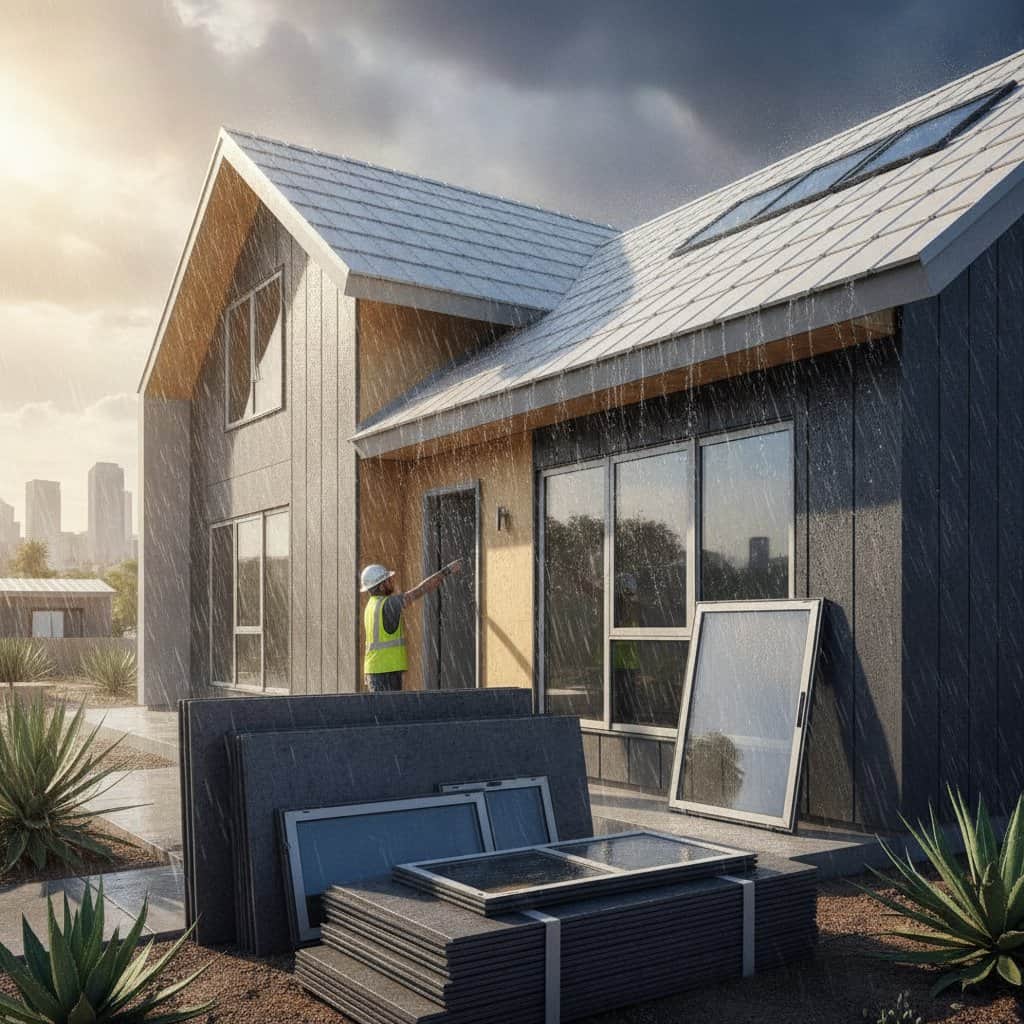
Roof integrity poses a primary concern in hurricanes. A robust roof shields the entire structure beneath it. Current best practices favor metal roofing panels, concrete tiles, or high-wind-rated asphalt shingles.
Essential strategies for a durable roof:
- Opt for hip roof configurations over gable styles to balance wind distribution.
- Secure rafters and trusses to walls using hurricane clips or straps.
- Apply waterproof membranes to roof decks, guarding against leaks from displaced shingles.
Metal roofs excel in both hurricane and fire-risk areas. They deflect debris, repel embers, and endure for decades with basic care. Hidden-fastener installations yield a sleek, contemporary appearance.
Assisting with a standing-seam metal roof installation on a coastal property demonstrated its advantages. The homeowner noted exceptional quietness during intense rainfall. Additionally, the reflective surface reduced heat absorption, lowering cooling costs.
Consider integrating ridge vents and soffit ventilation to prevent moisture buildup. In wildfire zones, apply Class A fire-rated underlayments. These measures enhance overall roof resilience while maintaining aesthetic appeal.
Entryways That Protect and Enhance Curb Appeal
Storm-resistant homes merit elegant entrances. Contemporary hurricane-rated doors mimic solid wood appearances yet utilize fiberglass or reinforced steel construction. These options endure impacts and fires, provide superior insulation, and maintain visual charm.
Upgrade sliding doors with laminated glass and fortified tracks for seamless operation under duress. In fire-prone regions, select metal doors featuring thermal breaks. Such designs interrupt heat conduction, preserving interior safety during prolonged exposure.
Replacing a front door with a fiberglass unit resembling oak grain proved transformative. Guests detected no distinction from traditional wood. The door offered substantial heft, a secure closure, and reliable weatherproofing.
Explore multi-point locking systems for added security. Pair doors with impact-resistant sidelights to flood interiors with natural light without compromising strength. These choices balance functionality and design sophistication.
Interior Choices for Safety and Comfort
Fire-resistant interior elements can evoke warmth and hospitality. Gypsum board with fire-rated cores, ceramic tiles, and natural stone surfaces deliver essential protection. Opt for wool rugs in lieu of synthetics; natural fibers resist ignition more effectively.
During renovations, prioritize:
- Fire-rated drywall: Critical for garages attached to living spaces or utility areas.
- Tile or stone flooring: Attractive, resilient, and straightforward to maintain post-storm.
- Metal railings or accents on stairs: Enduring and flame-retardant without an austere feel.
Routine maintenance, such as using extendable dusters on darker tile floors, preserves their pristine condition. Practical upkeep ensures resilient materials retain their allure over time.
Incorporate intumescent paints on wooden features; these expand under heat to form a char barrier. Select low-VOC adhesives for installations to support indoor air quality. Such details elevate safety without sacrificing livability.
Integrating Design for Livable Resilience
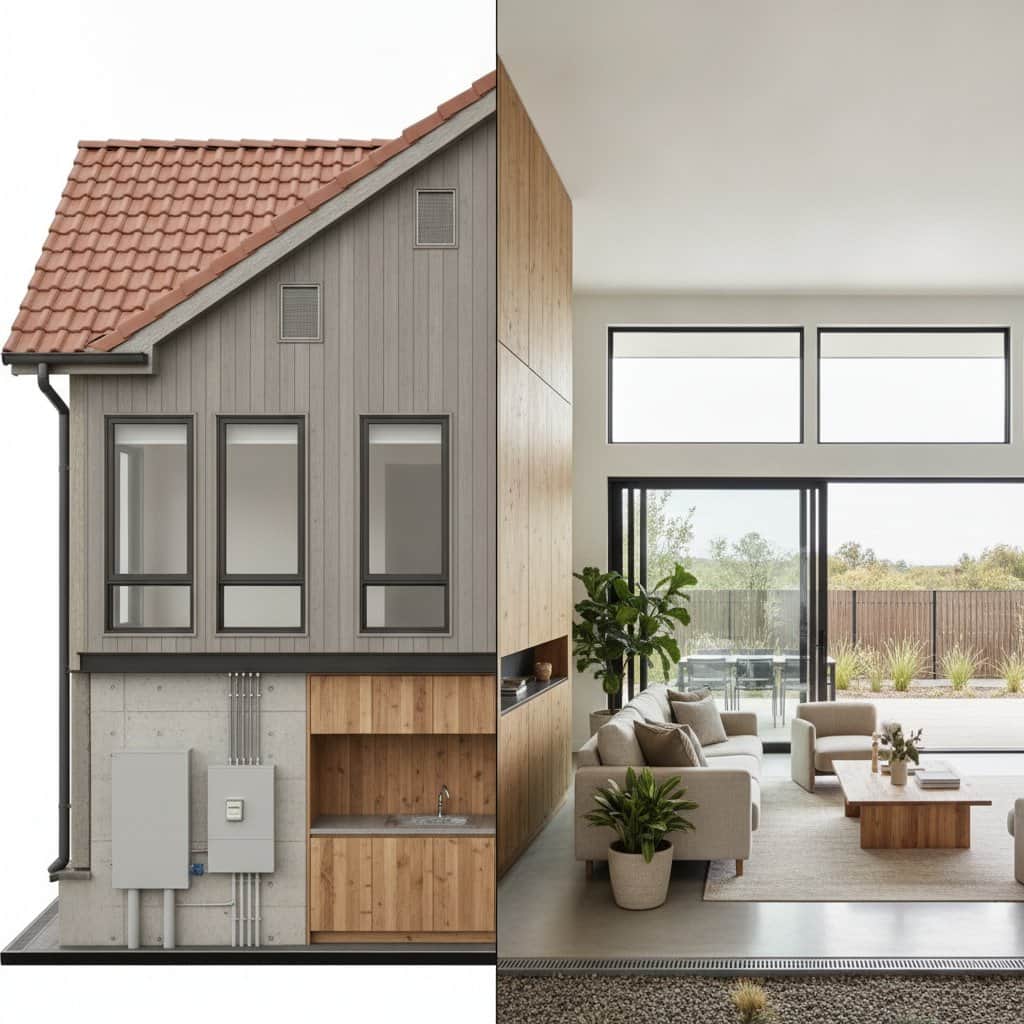
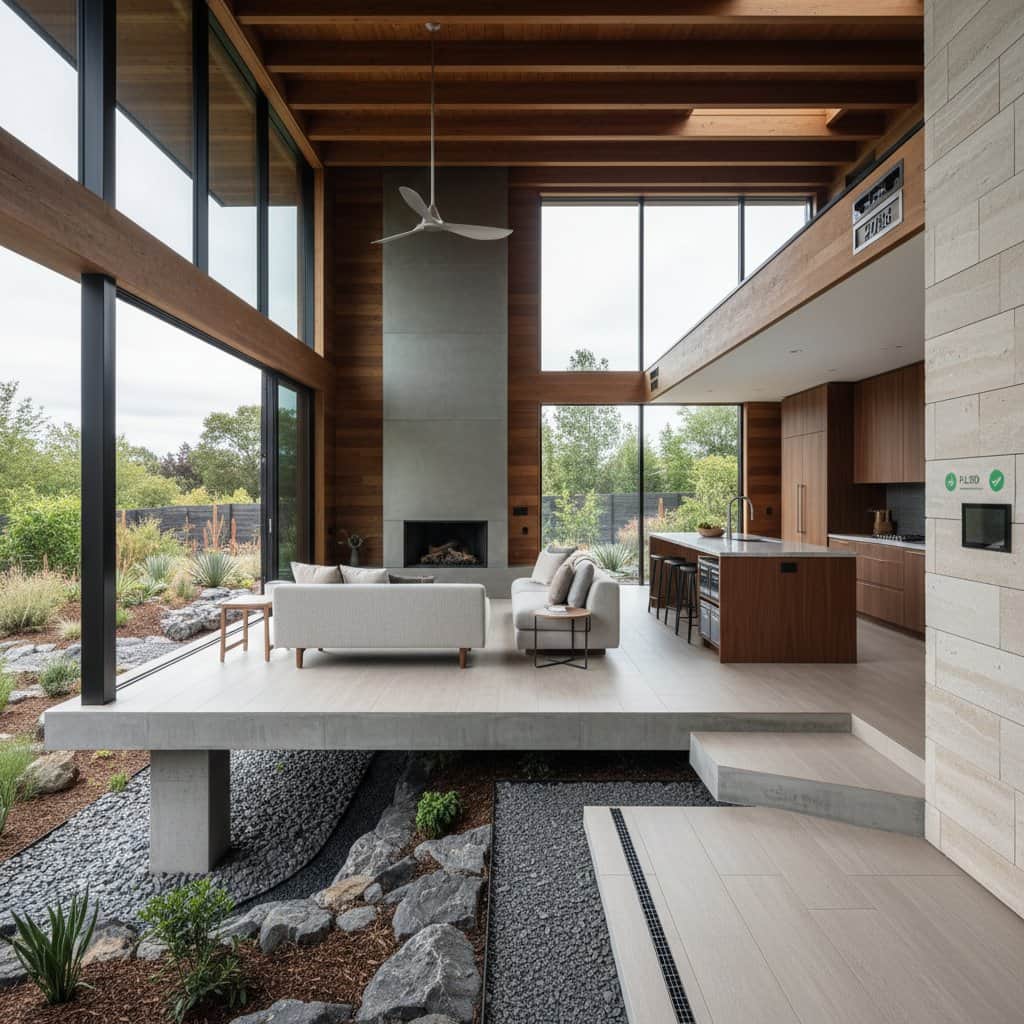
Disaster-resistant homes avoid a fortress-like aesthetic. Emerging designs emphasize texture, illumination, and coziness. Neutral tones complement robust materials effectively. Envision subtle gray concrete, beige siding, or subdued metal roofing.
Open floor plans enhance safety profiles. Reduced interior walls minimize vulnerabilities, while improved circulation manages post-storm humidity. In fire-risk areas, composite-material decks expand outdoor areas safely.
Homeowners incorporate corrugated metal as feature walls or reclaimed stone for cladding. These elements infuse character alongside protection.
Layer lighting with recessed LEDs and natural skylights to optimize energy use. Use shear walls strategically in open layouts to maintain structural integrity. These approaches foster homes that feel inviting yet unyielding.
Realizing Everyday Benefits
Implementing these features alters daily experiences profoundly. External noises diminish, temperatures stabilize, and forecasts inspire confidence rather than anxiety. Acquaintances often remark on the home's reassuring solidity. Rest comes more easily, backed by a forward-thinking investment.
Energy savings accumulate through efficient materials, potentially offsetting initial costs. Insurance premiums may decrease with certified resilient features. Ultimately, these homes nurture security, allowing focus on life's joys amid unpredictable elements.