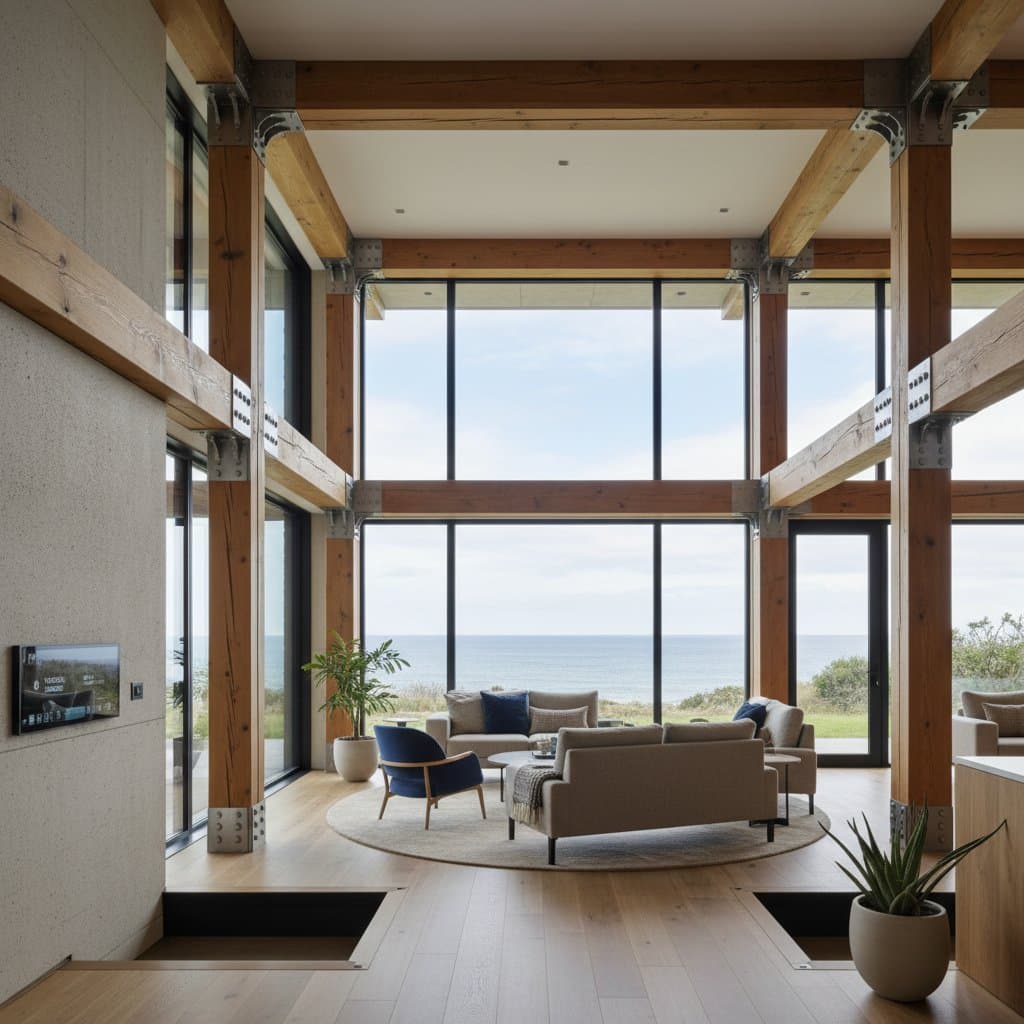
2026 Codes: Build Homes That Defy Hurricanes
Imagine stepping onto your porch following a night of fierce winds and torrential rain. The scent of salt mingles with damp soil in the air. Debris scatters across the yard, yet your home remains intact, with shingles secure and interiors dry. Such stability results from adhering to the latest hurricane-resistant standards, justifying every preparatory measure.
Why Stronger Codes Matter
Residents in coastal areas recognize that storms intensify in strength and duration. Structures with attractive exteriors often fail under extreme winds and rain due to inadequate frameworks. The updated building codes prioritize safety and protection rather than mere regulatory burdens, equipping families to remain secure amid turbulent conditions.
These regulations encourage builders and owners to adopt a resilience-focused approach, emphasizing prevention over restoration. Components such as materials, fasteners, and configurations integrate to maintain structural integrity. Consider how each element, from bolts to panes, collaborates to preserve the home's seal and solidity.
The Opportunity in Resilient Design
Stricter codes may initially appear challenging, involving additional oversight, meticulous planning, and elevated initial expenses. However, opportunities arise in extended longevity, decreased insurance rates, and preserved market value amid post-storm economic shifts.
Construction transcends basic shelter; it fosters assurance. This security proves invaluable as ominous skies approach.
Getting Started with Code-Ready Construction
The 2026 hurricane codes emphasize three core principles: reinforced structural connections, advanced materials, and enhanced water management. These aspects interconnect to enable homes to withstand severe weather.
1. Stronger structural connections
Each component of the home must secure to the adjacent one. Roofs attach firmly to walls, walls to floors, and floors to foundations. Employ metal straps, hurricane ties, and impact-resistant anchors to unify the framework. Retrofitting a roof with appropriate tie-downs during a subsequent storm demonstrates noticeable stability, eliminating vibrations and groans.
2. Smarter materials for the envelope
Exterior walls and roofs serve as primary barriers. Select options certified for elevated wind pressures and humidity tolerance. Builders increasingly incorporate fiber-cement siding, closed-cell spray foam insulation, and resilient metal roofing. Although pricier than traditional vinyl or asphalt initially, these choices endure longer and require minimal upkeep. Transitioning to fiber-cement siding maintains a pristine appearance through multiple storm seasons.
3. Better water management
Winds pose one threat; water presents another. Codes mandate impermeable joints, elevated bases, and optimized site grading. Subtle features, such as window flashing or brick veneer drainage openings, significantly mitigate risks. Neglecting even one flashing element can result in prolonged concealed water intrusion within walls.
Key Details That Make a Big Difference
Focus often falls on major elements like roofs and windows, yet minor aspects determine storm performance.
- Impact-rated windows and doors: These resist debris penetration and balance internal pressures.
- Garage door reinforcement: Vulnerable doors can fail, uplifting roofs; install horizontal supports or wind-certified units to protect the overall structure.
- Roof design: Hip roofs outperform gable styles in windy areas, as their angles direct airflow over surfaces rather than against them.
- Continuous load path: Sequential structural links distribute forces uniformly, forming the foundation of resilient architecture.
Balancing Cost and Value
Hurricane-resistant builds incur higher upfront costs, potentially 10 to 20 percent more based on location. Returns include reduced premiums, minimized repairs, and reliable performance during events. Financial institutions and insurers increasingly prioritize compliant properties.
Affordable options allow gradual implementation. Prioritize essentials like roof anchors and protective glazing, then advance to exteriors and insulation. Consult a regional expert in durable builds to align choices with local hazard profiles.
Finding Local Expertise
Coastal communities host specialists in storm-proof construction. Seek credentials in resilience practices. Regional vendors stock code-compliant supplies; independent lumber outlets often provide superior insights into area-specific demands compared to larger chains.
Engage contractors with targeted inquiries: What wind velocity do they target? How do they secure roof-wall interfaces? Which vapor barriers apply? Gaining knowledge empowers informed selections tailored to personal risk tolerance and finances.
Living in a Stronger Home
Waking to an unscathed residence after a significant storm delivers profound relief. While neighbors rely on generators and temporary coverings, your property endures. This outcome stems from resilient engineering, offering quiet strength over ostentation.
Such designs enhance energy efficiency. Sealed builds that repel elements also regulate indoor climates, reducing drafts and stabilizing temperatures year-round. These advantages complement long-term durability.
Maintenance Matters Too
Durable homes demand consistent care. Routine checks identify issues early. Inspect for displaced shingles, deteriorated seals, or corroded hardware; ensure gutters function and drainage remains unobstructed.
A post-storm perimeter review with documentation catches anomalies promptly. In saline environments, periodic freshwater rinsing of metal components averts rust. Regular painting and resealing bolster ongoing protection.
Implementing Resilient Standards
Adopting 2026 codes builds assurance rather than apprehension. It secures enduring family havens and safeguards hard-earned assets. Begin by reviewing area mandates, then partner with knowledgeable professionals to surpass requirements.
Inquire about tested materials and techniques validated in wind and flood simulations. Each fortified connection, impermeable seal, and fitted pane contributes to a commendable outcome. Beyond constructing a dwelling, you create a refuge resilient to nature's extremes, emerging intact.