2026 Rate Cuts Fuel Construction Refinancing Surge
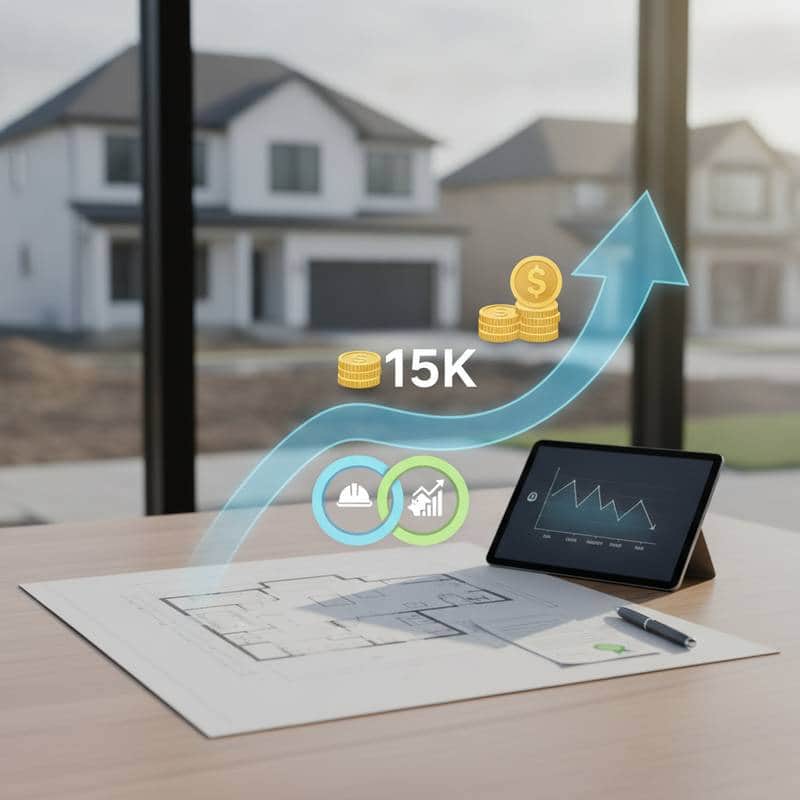
Interest rate reductions projected for 2026 are transforming the construction financing landscape. Builders report increased inquiries from homeowners and developers seeking to refinance existing loans. These shifts create opportunities to reassess stalled projects with more favorable terms, extending beyond mere cost savings to unlock innovative possibilities.
Lower rates reduce monthly obligations, allowing professionals to allocate resources toward higher-quality materials and expanded scopes. Homeowners discover renewed capacity to complete additions or enhancements previously deferred. This environment encourages a reevaluation of project viability, turning ambitious visions into feasible realities.
Key Impacts of Rate Cuts on Builders and Homeowners
For those holding construction loans at elevated rates, the 2026 cuts provide substantial relief. Monthly payments decrease, freeing budget for premium selections such as durable quartz countertops or insulated siding that enhances energy performance. Builders who previously scaled back now integrate these elements as standard investments.
Homeowners benefit from refinancing that releases equity for final phases or subsequent initiatives. This adjustment creates financial stability, enabling precise planning without compromise. Opportunities emerge to incorporate features like extended living areas or roofs designed for photovoltaic integration, aligning with long-term objectives.
Distinctions in Construction Loan Refinancing
Construction loans differ from standard mortgages by focusing on short-term funding linked to build progression. Borrowers typically cover interest during active phases, transitioning to permanent financing upon completion. Rate drops at this juncture yield significant economies by securing lower permanent rates reflective of current conditions.
This process prompts reviews of schedules, allocations, and project extents. Midway through construction, refinancing extends resources for refinements like underfloor heating or double-glazed windows that improve efficiency. Such adjustments ensure alignment with evolving market dynamics and borrower priorities.
Evaluating Refinancing Viability
Assess these elements to determine if refinancing suits your situation:
- Rate Comparison: Measure your current rate against prevailing offers. A 0.5 percent drop on a $300,000 loan could save over $50 monthly.
- Loan Duration: Confirm that fees amortize within the anticipated holding period, particularly if construction nears completion.
- Progress Assessment: Present lenders with documented advancements, including revised timelines for any delays.
- Fee Analysis: Account for origination and appraisal costs, typically 1-2 percent of the loan, to preserve net benefits.
- Strategic Outlook: Select terms accommodating potential sales or further refinances, avoiding prepayment restrictions.
Consult specialists in construction lending to simulate outcomes tailored to your circumstances. This guidance ensures decisions support both immediate needs and broader aspirations.
Broader Implications for the Construction Sector
Refinancing momentum extends benefits beyond individuals to the wider industry. Builders experience heightened client commitment, stabilizing workflows. Suppliers secure reliable demand, while design firms address reactivated proposals.
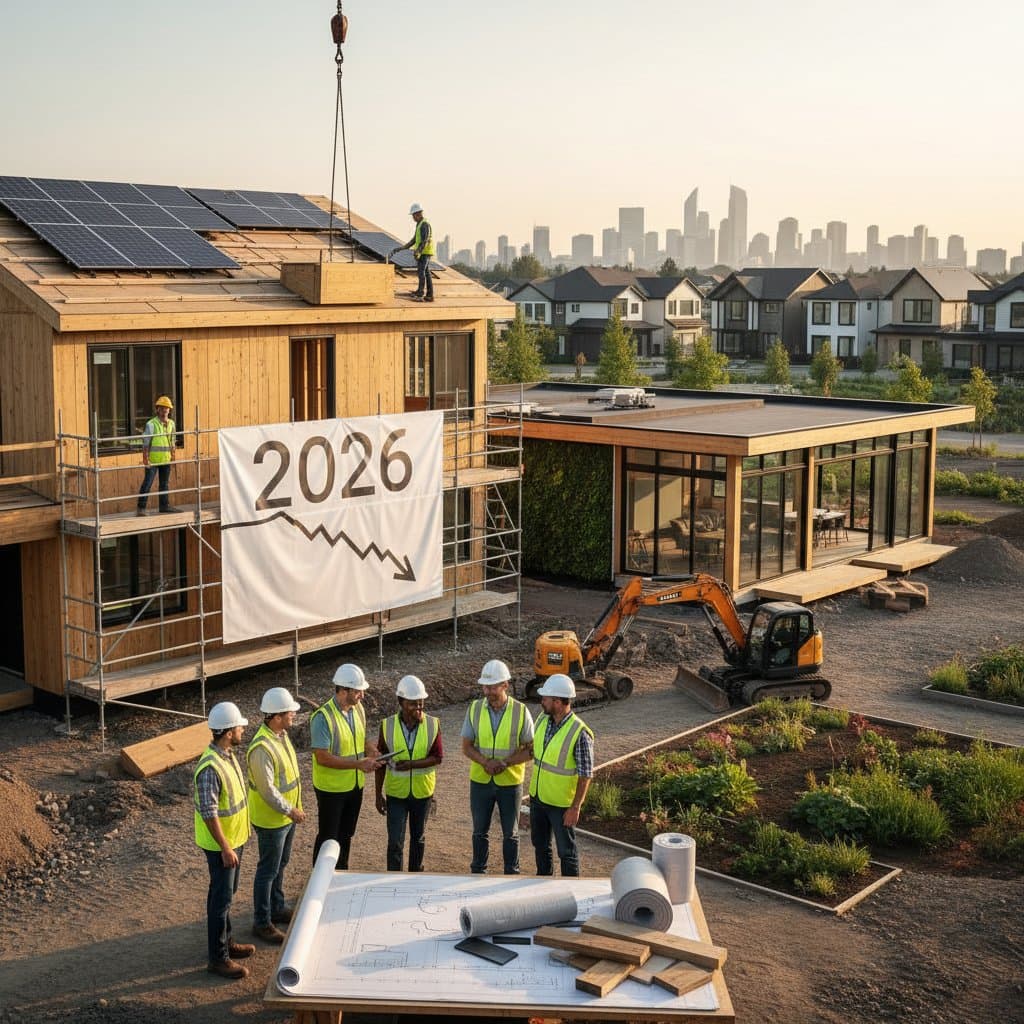
Communities gain from this resurgence as projects advance. Renovations recommence, generating employment for skilled trades. Visible progress, from erected frameworks to bustling supply operations, signals economic vitality at the local level.
Emerging Patterns in Refinancing-Driven Projects
Refinancing influences several construction trends:
- Efficiency Enhancements: Savings fund superior insulation, LED systems, and optimized climate controls, prioritizing returns on energy costs.
- Adaptable Configurations: Demand rises for multipurpose rooms convertible between professional, recreational, or lodging functions.
- Eco-Conscious Materials: Selections include recycled wood, natural plasters, and non-toxic coatings, promoting indoor air quality and durability.
- Seamless Indoor-Outdoor Integration: Priorities shift to expansive patios and pergolas, blending sheltered areas with natural surroundings.
These developments illustrate how fiscal ease shapes thoughtful, user-centered innovations in building practices.
Strategies for Effective Construction Refinancing
Streamline your refinance with these approaches:
- Documentation Management: Compile permits, receipts, and visual records systematically to expedite reviews.
- Lender Comparison: Solicit offers from multiple sources; a 0.25 percent variance impacts substantial loans significantly.
- Transition Features: Inquire about seamless conversions from construction to permanent loans under improved rates.
- Schedule Synchronization: Align build phases with rate commitments to prevent additional charges.
- Collaborative Planning: Inform contractors of intentions promptly to adjust disbursements and selections accordingly.
Integrating refinancing harmoniously maintains project continuity and efficiency.
Personal Dimensions of Project Refinancing
Refinancing transcends numerical analysis; it connects to the investment in creating enduring spaces. Completing envisioned elements restores a sense of accomplishment. Features once postponed, such as custom mosaic installations or renewable energy setups, now enhance daily experiences.
Rate reductions serve as catalysts for persistence, bridging financial hurdles with tangible outcomes.
Realizing Project Potential
Post-refinance, the completed work integrates into everyday life. Natural illumination accentuates selected surfaces, while added extensions expand usability. These outcomes validate the effort invested in financial navigation.
The refinancing trend delivers more than affordability; it propels progress in residences and locales alike. Professionals and residents alike sense this forward thrust, culminating in evolving surroundings.
Consider reviewing your construction financing amid these changes. Engage experts, revisit blueprints, and explore how updated terms can advance your goals.