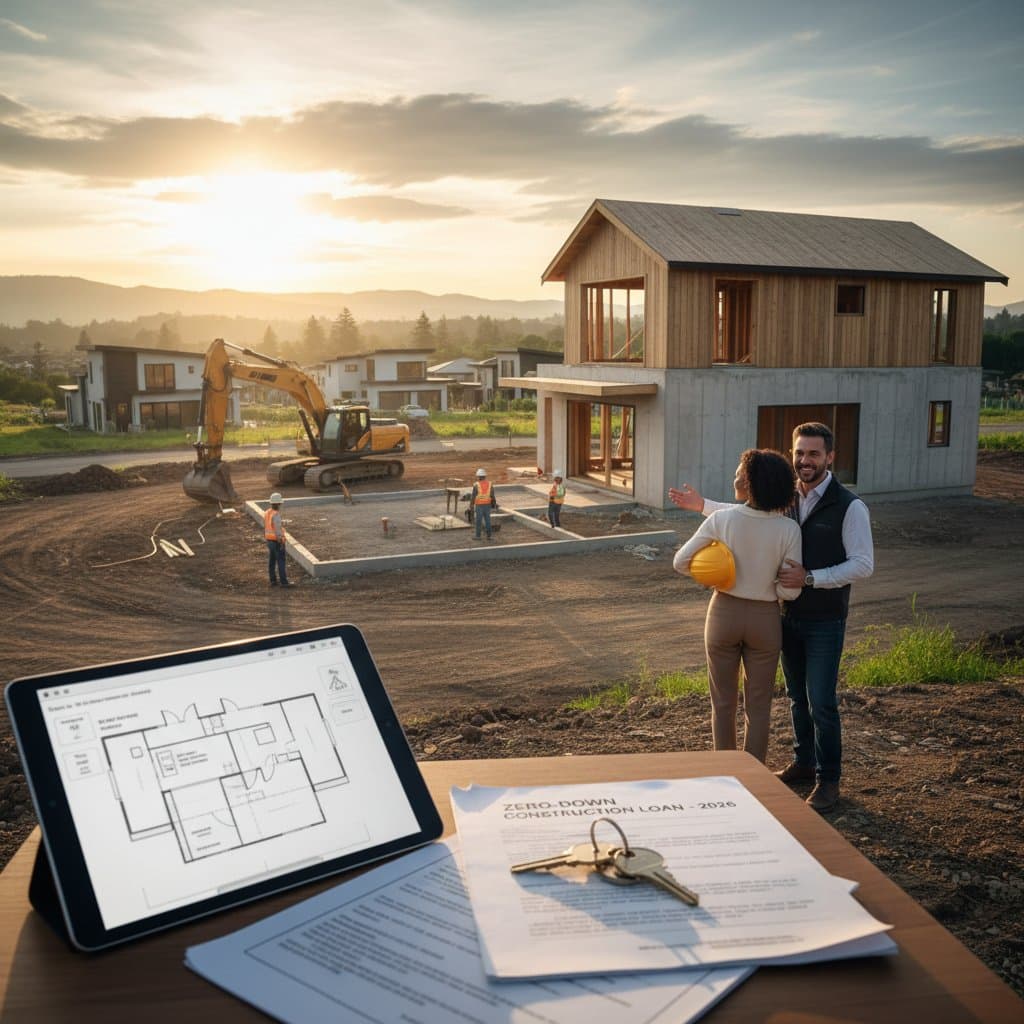
Zero-Down Programs Enhance Home Building Accessibility
Custom home construction gains momentum as buyers seek personalized spaces over existing properties. Recent zero-down financing options address the primary obstacle of substantial initial payments, enabling more individuals to pursue their vision of a tailored residence.
Barriers to Entry in Traditional Home Construction
Historically, new home builds demanded significant down payments, often tens of thousands of dollars, regardless of solid credit or stable income. This requirement positioned construction as an elite option, leaving many with ideal land and reliable builders unable to proceed without years of saving.
The Impact of Zero-Down Construction Loans
Current lender and builder programs introduce construction loans with no down payment requirement. These arrangements fund both land acquisition and building expenses, allowing projects to commence without depleting personal reserves. Upon completion, the financing transitions seamlessly to a permanent mortgage.
This structure provides notable flexibility, redirecting available resources toward enhancements like durable flooring or energy-efficient windows. Buyers gain the ability to prioritize quality elements that enhance daily living without the burden of preliminary deposits.
Key Features of Zero-Down Financing
Conventional construction loans involve multiple closings, distinct approvals, and rigorous reserve demands, complicating the process. Zero-down options streamline operations through:
- Single-close structures that integrate construction and permanent financing.
- Stage-based interest payments limited to disbursed funds during build phases.
- Collaborations with vetted builders to ensure efficient approvals and cost stability.
Such elements reduce complexity, particularly for newcomers to construction projects.
Primary Beneficiaries of These Programs
Individuals with reliable income yet modest savings find these loans particularly advantageous. Relocating professionals or those upgrading residences also benefit, as programs may incorporate existing land equity to minimize borrowing needs.
Construction firms experience advantages as well. Increased buyer participation stimulates local projects, leading to optimized material pricing, steady employment for skilled workers, and enhanced community expansion.
Essential Factors for Applicants
Zero-down loans offer substantial benefits yet require careful preparation. Consider these aspects:
- Eligibility criteria emphasize robust credit scores and verifiable income, reflecting the lender's elevated exposure.
- Rate structures may exceed standard mortgages marginally but remain competitive within construction financing.
- Builder vetting proves critical; lenders prioritize established, licensed entities to mitigate risks.
- Reserve planning remains prudent. Unforeseen adjustments in design or supply issues could influence overall expenses.
Personalizing Your Build with Extended Budget Flexibility
Home construction allows for individualized selections, such as resilient kitchen surfaces or calming interior palettes. Zero-down financing extends budgetary reach, supporting investments in enduring features that align with personal preferences.
Beyond cost savings, this approach fosters stress-free creation of a residence that embodies individual style, commencing construction without prior financial strain.
Steps to Pursue Zero-Down Financing
For those deterred by down payment demands, current opportunities warrant exploration. Consult regional builders, inquire about zero-down construction loans, and evaluate offerings aligned with specific objectives. Variations exist among providers, yet adoption accelerates across the sector.
Envision your ideal home with renewed possibility. These programs initiate the journey through strategic planning, dependable partnerships, and a clear blueprint for a personalized living environment.