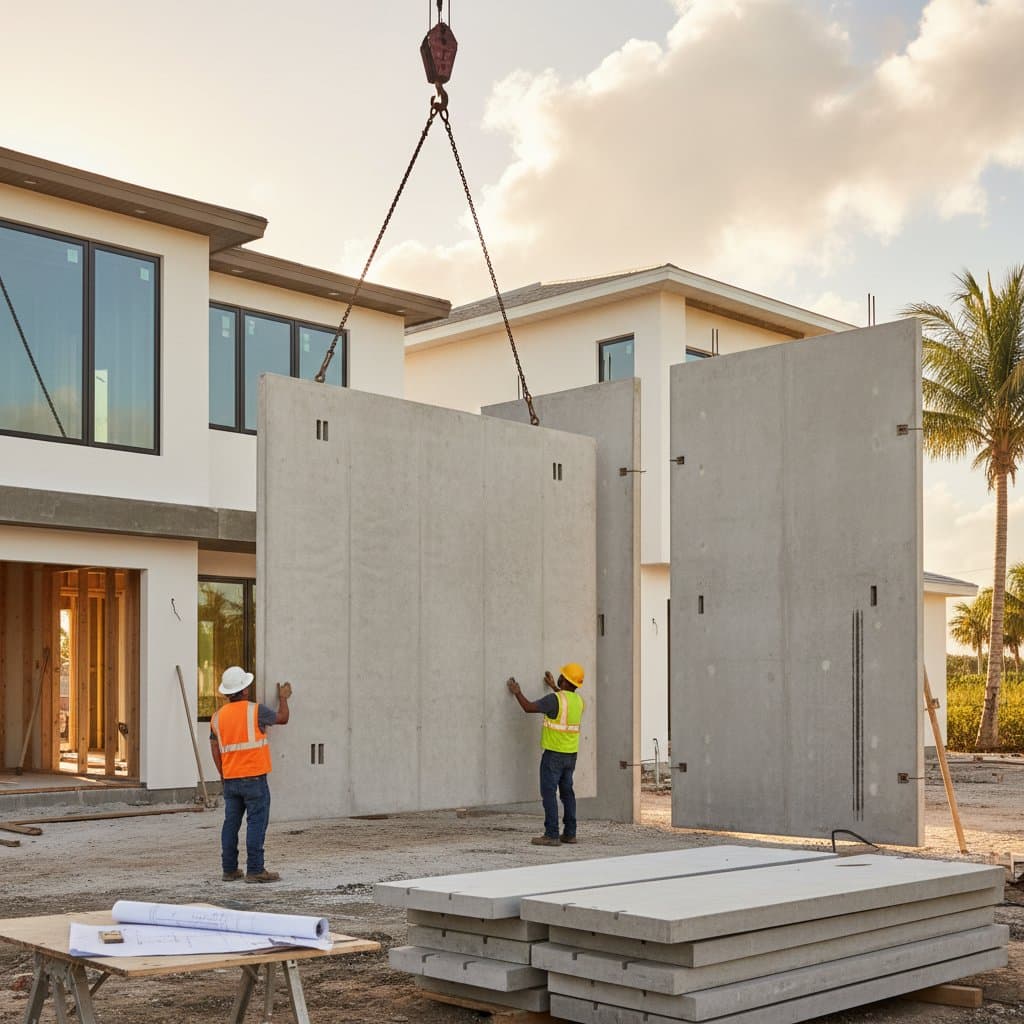
Florida's 2026 Mandate: Building for Hurricane Resilience
Imagine emerging from a fierce storm to find your home intact while nearby structures show damage. This scenario reflects the security that Florida's new building code aims to provide. Starting in 2026, the state requires hurricane-proof concrete panel systems in all new residential construction, marking a significant evolution in how homes withstand extreme weather.
Many residents recall the anxiety of past hurricane seasons with traditional builds. Personal experiences highlight the vulnerability of conventional materials. The mandate seeks to extend proven benefits of concrete panels to broader adoption, ensuring safer living across coastal and inland areas.
The Rationale Behind the Mandate
Florida faces increasingly severe storms, with winds that test structural limits. Traditional wood framing, though common, often succumbs to high-velocity impacts and moisture. This regulation promotes concrete panels as a superior alternative, engineered for durability in such environments.
These systems minimize risks from debris and flooding, preserving structural integrity. Builders report fewer post-storm repairs, which translates to lower long-term expenses. Insurance providers also recognize the enhanced resilience, often adjusting premiums favorably for compliant structures.
Key Features of Hurricane-Proof Concrete Panels
Contemporary concrete panels differ from outdated perceptions of bulky materials. They consist of pre-cast, lightweight units with integrated reinforcement and insulation. Assembly involves interlocking components that create a seamless exterior barrier.
Consider these core advantages:
- Superior Durability: Panels endure wind speeds exceeding 150 miles per hour and resist projectile impacts, meeting stringent testing protocols like those from the International Hurricane Protection Association.
- Thermal Performance: Embedded insulation maintains consistent indoor climates, potentially cutting cooling costs by 20 to 30 percent in Florida's humid conditions.
- Construction Efficiency: Pre-fabrication allows for rapid on-site erection, often completing wall systems in under a week for standard homes, which shortens overall project timelines.
- Minimal Upkeep: Concrete resists decay, pests, and corrosion, eliminating routine treatments required for wood surfaces and extending the structure's service life beyond 50 years.
Implications for Homeowners
New constructions under the mandate will inherently feature greater storm resistance, providing families with reliable shelter. Homeowners gain from stable energy use and reduced vulnerability to seasonal threats. For those in flood-prone zones, the panels' water-repellent properties add an extra layer of defense.
To prepare, evaluate properties against upcoming standards during planning stages. Certified panels ensure compliance and performance. Local resources, such as those from established manufacturers, facilitate informed decisions tailored to regional needs.
Opportunities and Adjustments for Builders
Builders must integrate concrete panel techniques into workflows, which may involve staff training on handling and installation. Partnerships with specialized suppliers streamline material procurement and support hybrid designs that incorporate elements like metal reinforcements for varied applications.
Innovation thrives in this transition. Firms adopting early gain competitive edges through demonstrated expertise in resilient builds. Consulting structural engineers early helps navigate code specifics, ensuring projects align with efficiency goals.
Financial and Installation Insights
Initial investments in concrete panels range from 10 to 20 percent above traditional methods, influenced by panel thickness and custom features. However, benefits accrue quickly: energy rebates, insurance discounts averaging 15 percent, and avoided repair costs often offset premiums within five years.
On-site processes benefit from pre-cured panels, which resist weather interruptions. A crew of four to six can enclose a 2,000-square-foot home in three to five days, depending on foundation readiness. Post-installation, routine care involves annual inspections and mild cleaning to preserve appearance.
For interiors, panels support diverse finishes without compromising strength. Exterior options like cementitious coatings protect against salt air, common in coastal settings.
Everyday Experience in a Concrete Panel Home
Occupants notice immediate differences in comfort. Sound transmission drops significantly, creating quieter spaces ideal for relaxation. Temperature fluctuations diminish, supporting healthier indoor air quality year-round.
Aesthetic flexibility addresses style preferences. Apply veneers or pigments to achieve modern or classic looks. One approach pairs neutral tones with architectural accents, blending seamlessly into neighborhood aesthetics.
Steps to Implement Resilient Construction
Engage a licensed professional versed in Florida's codes to discuss panel integration. Request details on load-bearing capacities, thermal ratings, and manufacturer warranties, typically spanning 25 years or more.
For existing properties, consider targeted enhancements like fortified garages or impact-resistant additions. These upgrades provide incremental protection without full overhauls.
This mandate fosters proactive building practices. Concrete panels equip homes to not only endure but thrive against Florida's weather challenges, securing peace of mind for generations.