Hempcrete's Code Approval: Revolutionizing Green Construction
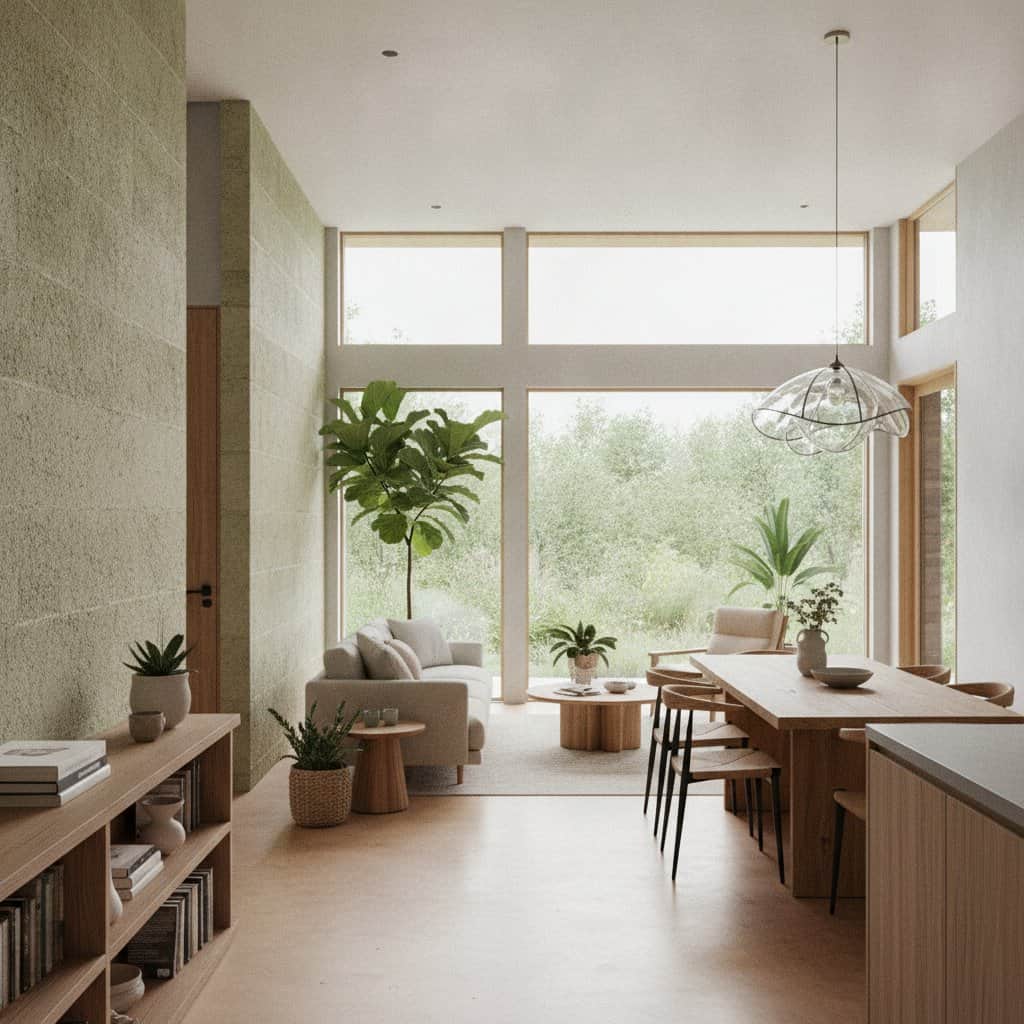
Imagine entering a newly constructed home where the air carries a subtle scent of lime and earth, free from synthetic odors. The walls provide a solid yet yielding presence, retaining warmth during cold months and remaining cool under summer sun. This serene environment stems from hempcrete, a natural building material that has secured official code approval. Builders and homeowners now embrace this eco-friendly option, which redefines sustainable construction practices.
The Challenge: Sustainable Building That Stays Practical
Renovating or constructing with green materials often involves balancing environmental benefits against practical demands. Eco-friendly choices must withstand building inspections, fit within budgets, and support daily use. Many natural materials falter on code compliance, leading to complications for contractors and owners.
Hempcrete faced similar obstacles for years. Professionals appreciated its breathability and insulation properties, yet the lack of formal approval resulted in additional documentation, inspections, and potential denials from authorities. Recent code advancements remove these barriers, positioning hempcrete for widespread adoption.
What Hempcrete Is and Why Builders Value It
Hempcrete differs from traditional concrete. It consists of hemp hurds, the inner woody core of the hemp plant, combined with lime and water. This mixture forms a lightweight, insulating substance that hardens into a durable, stone-like form. Hempcrete serves non-structural purposes, filling spaces around framing to produce walls that regulate moisture, promote air circulation, and deter mold growth.
Key attributes distinguish hempcrete:
- Natural insulation: Air voids within the hemp hurds deliver superior thermal efficiency, maintaining comfortable indoor temperatures across seasons.
- Healthy indoor environment: The lime component inhibits mold and mildew, while the material naturally manages humidity levels.
- Carbon sequestration: Hemp absorbs carbon dioxide during growth, which remains sequestered in the built structure.
- Durability: The material strengthens progressively over time, enhancing long-term performance.
These qualities contribute to quieter, more comfortable spaces, as the fibrous composition dampens external noises effectively.
Why Code Approval Changes Everything
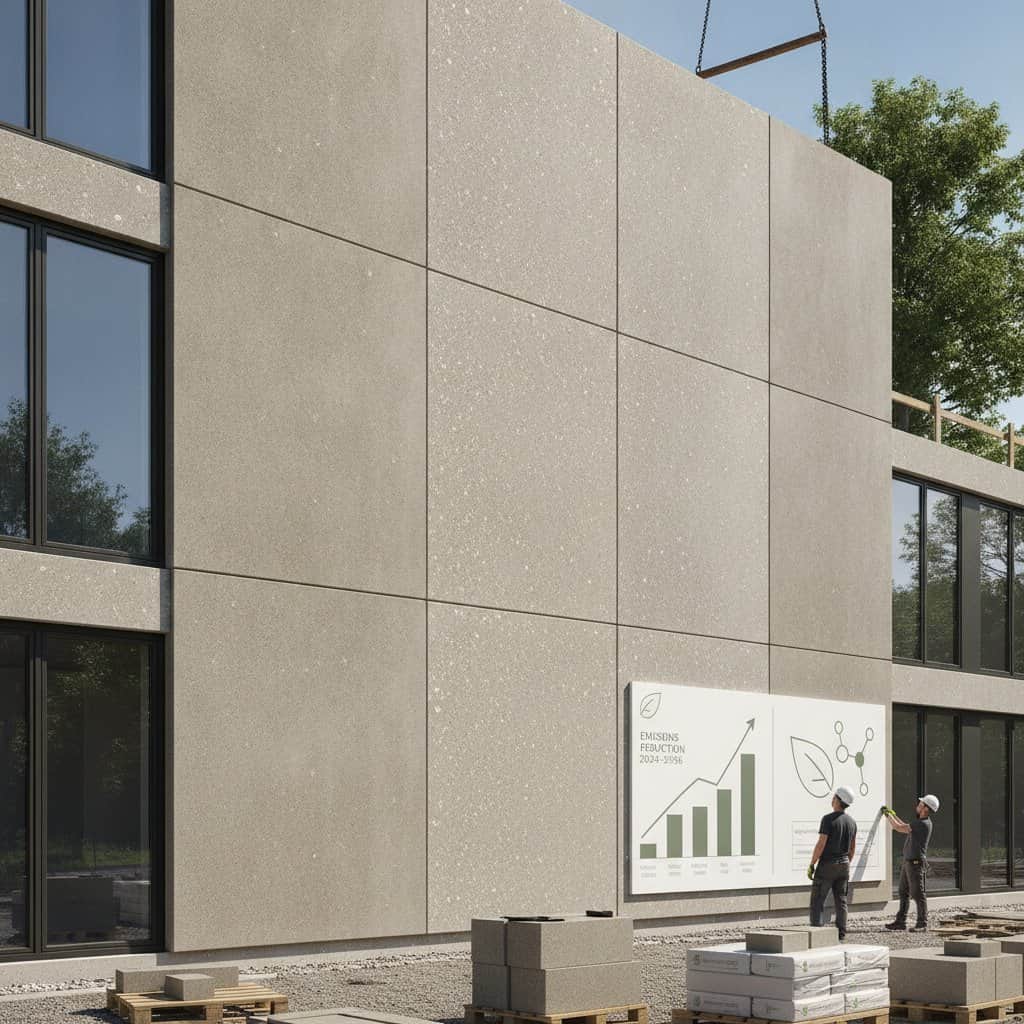
Previously, hempcrete occupied an uncertain regulatory position. Inspectors struggled to classify it, limiting its use despite recognized sustainability advantages. Official code approval now validates hempcrete for non-load-bearing walls, allowing builders to incorporate it without navigating extensive bureaucratic processes.
This development spurs production growth among manufacturers. Code-compliant materials attract broader supply chains, improving availability and moderating costs. Regional hemp processing facilities have expanded, enabling direct sourcing for construction projects.
How Hempcrete Performs in Real Homes
Hempcrete contributes to year-round balance in residential settings. Its walls mitigate temperature fluctuations, minimizing reliance on mechanical heating and cooling systems. Breathability ensures moisture does not accumulate, avoiding issues common with conventional drywall.
Performance highlights include:
- Thermal regulation: While the R-value appears moderate, the material's thermal mass delivers steady comfort.
- Acoustic absorption: The fibrous structure reduces echoes and external sounds, creating peaceful interiors.
- Fire safety: Lime binders confer flame resistance without emitting harmful gases during exposure.
- Pest deterrence: The composition repels insects and rodents, proving advantageous in various locations.
Building with Hempcrete: What to Expect
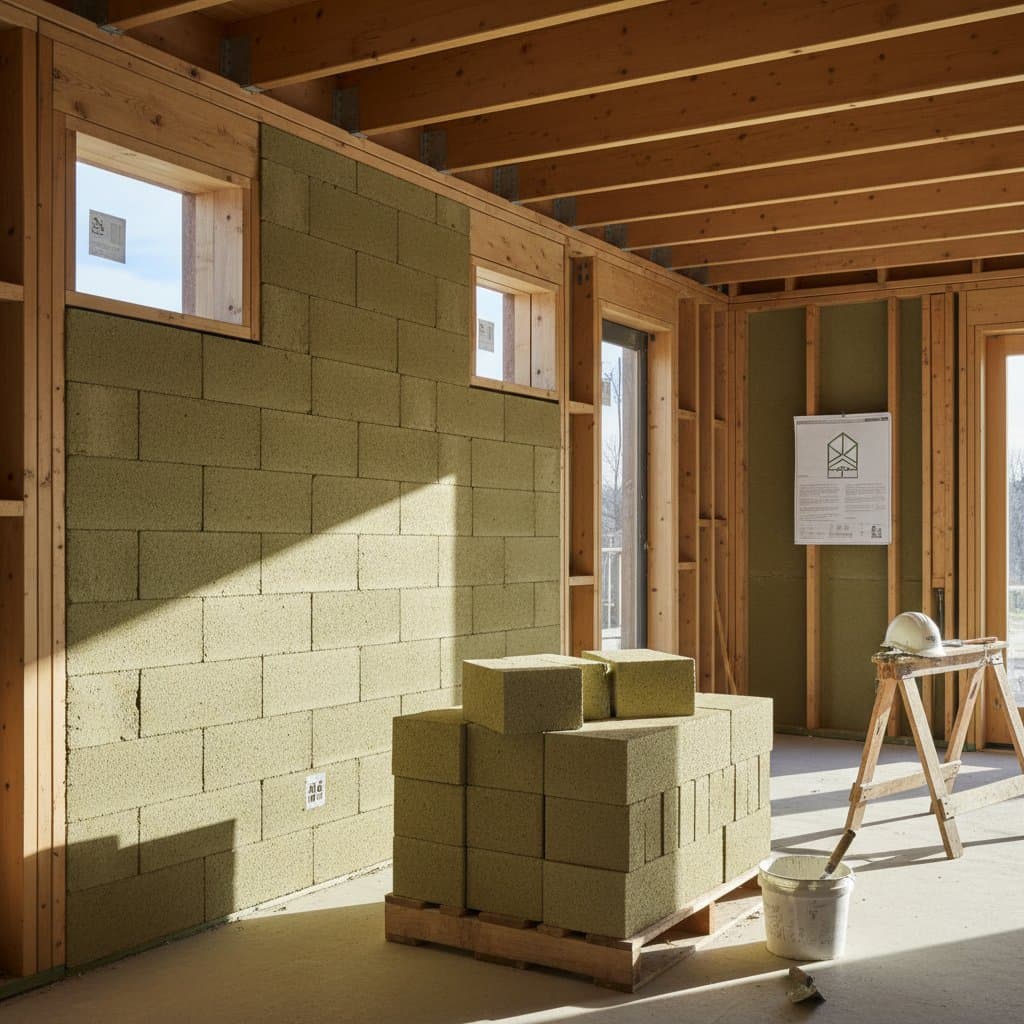
Incorporating hempcrete requires understanding its integration into construction workflows. Unlike poured concrete, hempcrete involves mixing in batches and applying it through tamping or spraying within wall forms supported by a structural frame.
The process unfolds as follows:
- Establish the frame: Use wood or metal elements to bear loads, providing the skeleton for hempcrete infill.
- Prepare the mixture: Blend hemp hurds, lime binder, and water to achieve a consistency similar to damp soil.
- Apply and compact: Introduce the mix into forms and tamp gently to preserve insulating air pockets.
- Allow curing: Permit the lime to set gradually, which may require several days to weeks based on environmental conditions, resulting in robust walls.
For smaller applications, manual mixing with a paddle tool suffices. Larger projects benefit from mechanical sprayers. This method fosters a tangible connection to the construction, distinct from standard assembly techniques.
Costs, Maintenance, and Local Sourcing
As a specialized material, hempcrete costs fluctuate by location. Expect expenses for the wall assembly to align between basic fiberglass insulation and premium spray foam options. Long-term advantages emerge through reduced energy consumption and minimal upkeep.
Consider these factors:
- Material expenses: Positioned in the middle range for eco-conscious projects, influenced by nearby hemp availability.
- Labor requirements: Demands more manual effort than conventional methods, though accessible for guided DIY efforts.
- Ongoing care: Walls need scant maintenance; apply fresh lime plaster coatings periodically for renewal.
- Sourcing options: Seek out local hemp processors or sustainable building suppliers offering pre-packaged hurds and binders from established providers.
Hempcrete poses low safety risks, requiring only standard gear such as gloves and eye protection. Its non-toxic nature eliminates concerns over fumes or chemicals during handling and curing.
Integrating Hempcrete into Modern Design
Code approval empowers architects to feature hempcrete in diverse projects, from secluded retreats to urban dwellings. The material complements minimalist styles, rustic elements, and natural finishes like wood and textiles.
Homeowners gain a reliable choice, comparable to specifying sustainable flooring or paints. Hempcrete elevates property value through its certified environmental and performance credentials.
Experiencing Hempcrete's Benefits
Residing in a hempcrete structure offers enduring comfort, with stable climates, pure air, and sturdy walls. Explore its potential for upcoming builds or updates, perhaps starting with a modest addition. Hempcrete combines ecological responsibility with enhanced livability, establishing new benchmarks in construction.