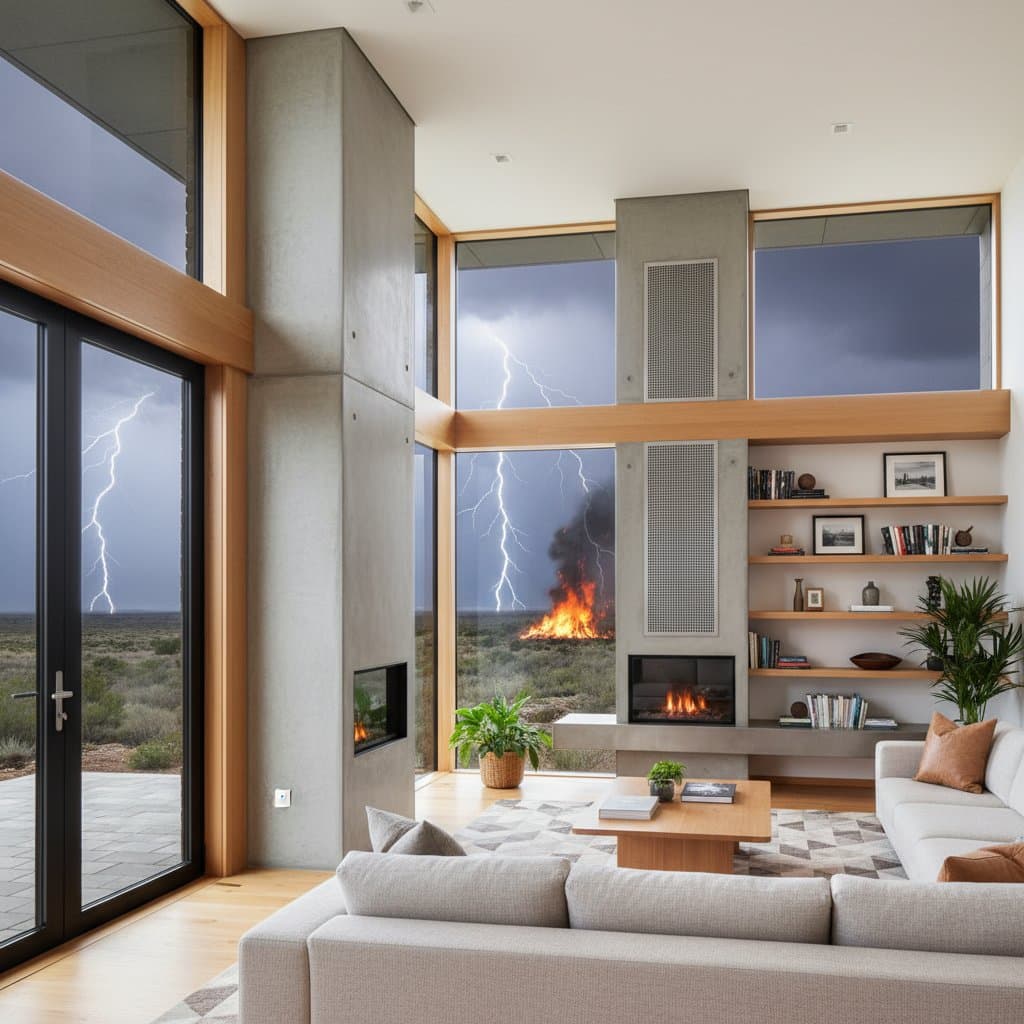
The 2026 Codes That Safeguard Homes from Hurricanes and Fires
Imagine surveying your property after a fierce storm, the atmosphere thick with moisture and the scent of evergreens. The exterior remains intact, providing assurance that the structure endured the assault. These new building codes aim to deliver precisely that level of protection, enabling residences to resist hurricanes, wildfires, and erratic weather prevalent in vulnerable areas.
Building code evolutions reflect lessons from past disasters. Homeowners and contractors now access guidelines that promote resilient construction without sacrificing aesthetic appeal. The forthcoming 2026 standards simplify the integration of durable elements into both new builds and existing properties.
Why These Codes Matter
Residential structures face heightened risks from extreme weather and fire events, particularly in coastal and forested regions. The 2026 codes target primary threats: intense winds and rapid fire propagation. These regulations extend beyond fresh constructions to inform renovations and retrofits, benefiting those updating older homes.
Such standards function as an inherent defense mechanism within the architecture. Rather than depending on chance or reactive measures, the design anticipates and counters potential damage. Reinforced roofing, enhanced sealing, and intelligent material selections minimize financial losses and emotional strain during severe events.
Key Changes in the Codes
The revisions emphasize three core enhancements: wind resistance, fire protection, and structural resilience. These updates incorporate tangible materials and techniques applicable in everyday building practices.
1. Wind Resistance:
Roofing and entry points must withstand elevated wind forces. Regulations mandate rigorous attachment methods and certified materials with superior hold. In hurricane-vulnerable areas, impact-rated windows featuring laminated glass that prevents fragmentation will serve as a requirement. These windows reduce vulnerability to debris impacts during high winds.
2. Fire Protection:
Requirements promote non-combustible options for exterior elements like siding, decks, and roofs. Materials such as fiber cement, metal panels, and fire-treated lumber gain prominence. Additional provisions address ember-resistant venting systems and perimeter layouts that establish defensible zones, limiting ignition points and flame progression.
3. Structural Resilience:
This aspect ensures the entire framework maintains integrity under duress. Metal straps, foundation anchors, and uninterrupted load paths integrate the roof, walls, and base into a unified assembly. Builders must demonstrate that all joints and connections contribute to overall stability, akin to a comprehensive reinforcement system.
Implications for Homeowners and Renovators
New constructions will incorporate these standards by default, streamlining compliance during planning. For established homes, the codes offer direction for prioritized improvements. Property owners can implement changes incrementally, targeting critical zones first.
Consider these targeted actions:
- Secure Roof Attachments: Employ hurricane clips or ring-shank nails during roof replacements to enhance uplift resistance.
- Install Impact-Resistant Windows: Opt for double-laminated or rated glass units, which become essential in high-wind regions.
- Select Fire-Resistant Siding: Fiber cement panels replicate traditional textures while offering flame and insect resistance.
- Modify Ventilation Systems: Equip attics and subfloors with ember-screened vents to block intrusive sparks.
- Optimize Site Landscaping: Maintain a five-foot clearance between structures and combustible vegetation to bolster fire barriers.
These modifications, such as updating soffit screens for wildfire compatibility, deliver substantial security gains through modest efforts.
Cost and Maintenance Factors
Adopting code-compliant materials may appear costly initially, yet many options emphasize efficiency over expense. High-wind-rated fiberglass shingles, for instance, increase upfront costs marginally but extend service life and potentially lower insurance rates.
Fire-resistant alternatives like fiber cement siding align in price with standard wood varieties when long-term upkeep is considered. These surfaces require less frequent painting or replacement, yielding savings across years.
Collaborate with regional contractors familiar with local availability. Suppliers in coastal zones typically stock impact windows, whereas those in fire-prone districts provide specialized fire-rated inventory. Consult municipal building offices for approved material directories and qualified professionals versed in code specifics.
Integrating Design with Durability
Fortified homes need not resemble fortresses. The codes accommodate artistic expression through expansive verandas, expansive glazing, and inviting interiors. Balance form and function by selecting elements like matte-finish standing-seam metal roofs that deflect wind and manage thermal loads.
Incorporate stone veneer accents on base levels for dual aesthetic and shielding benefits. Strategic lighting and ventilation enhance habitability, promoting natural illumination and air circulation to avoid enclosed, stagnant environments. These choices ensure resilient living spaces remain welcoming and efficient.
Achieving Security Through Compliance
With the 2026 codes in place, compliant homes and renovations will exhibit superior strength, safety, and insurability. Beyond technical advantages, residents experience tangible reassurance during turbulent weather or prolonged dry spells. Investing in these measures translates to reduced disruptions and sustained well-being.