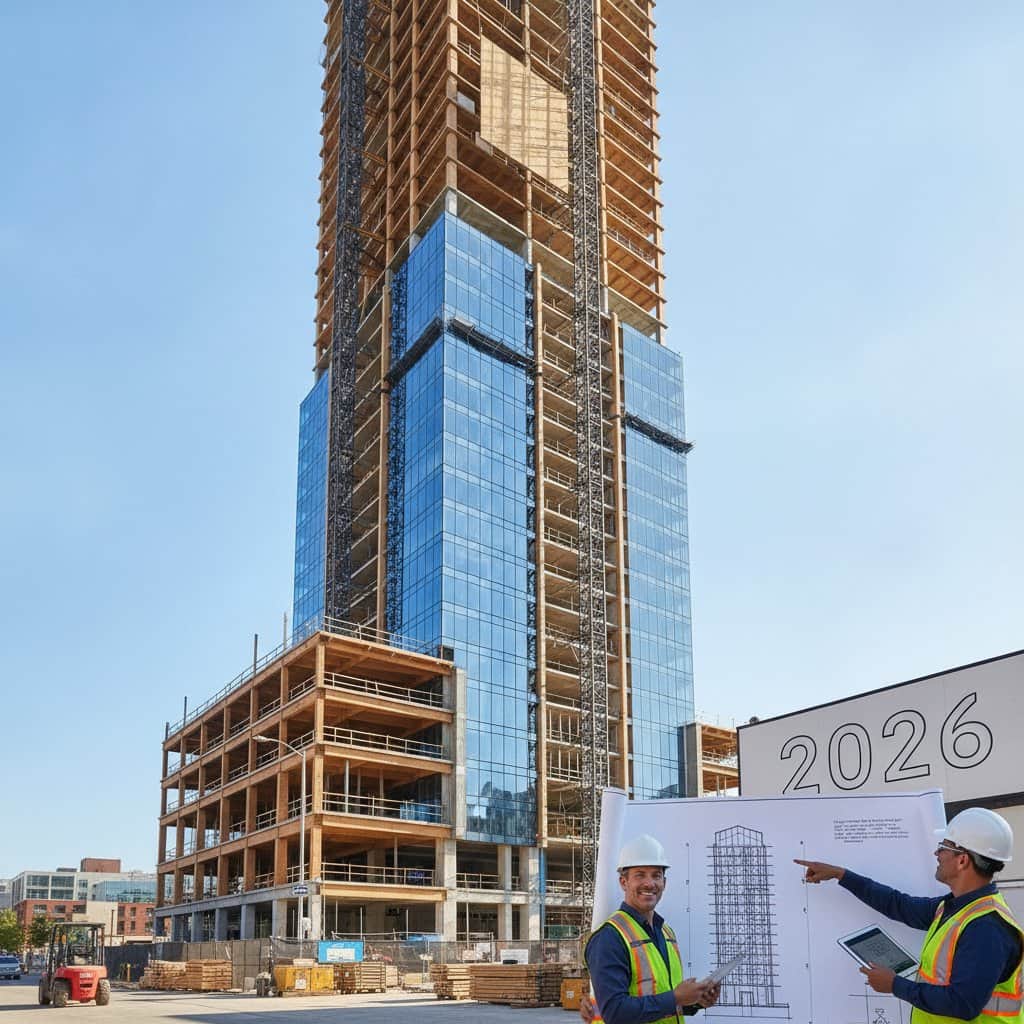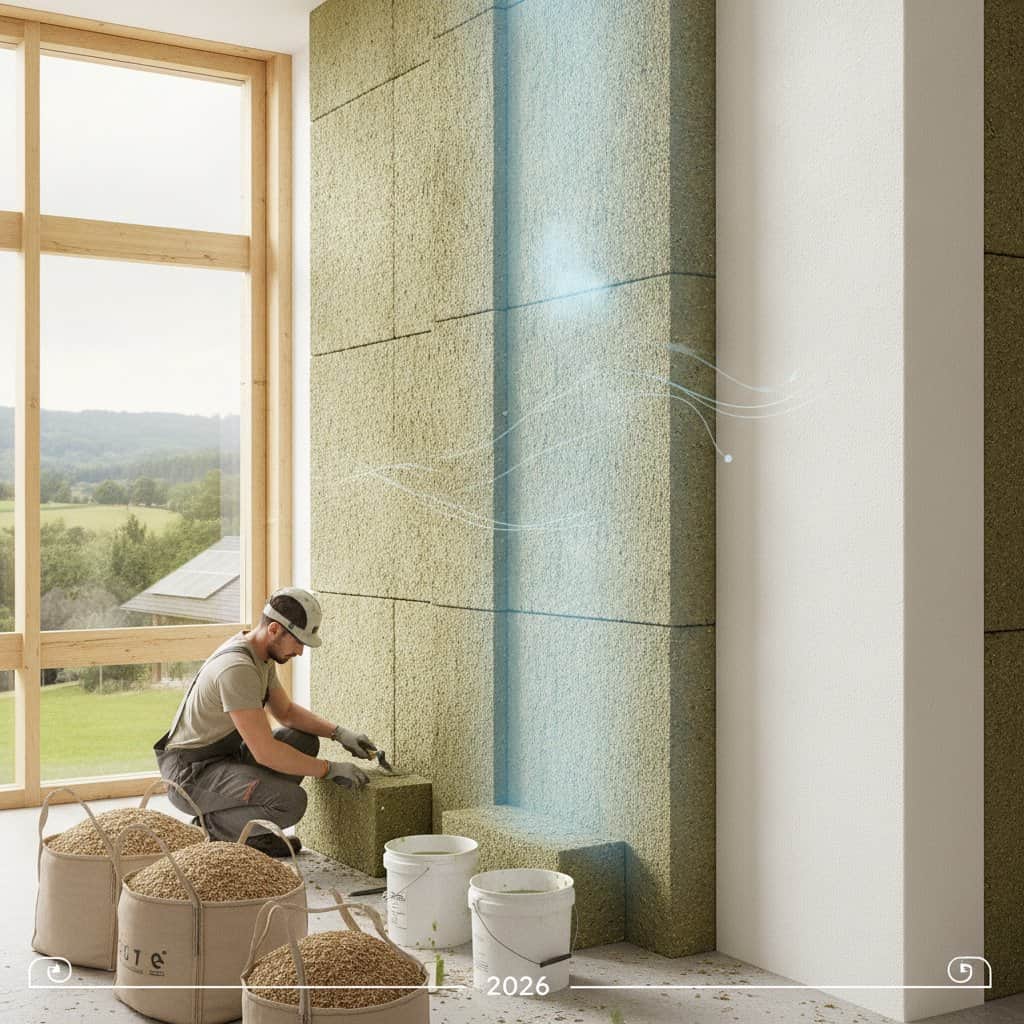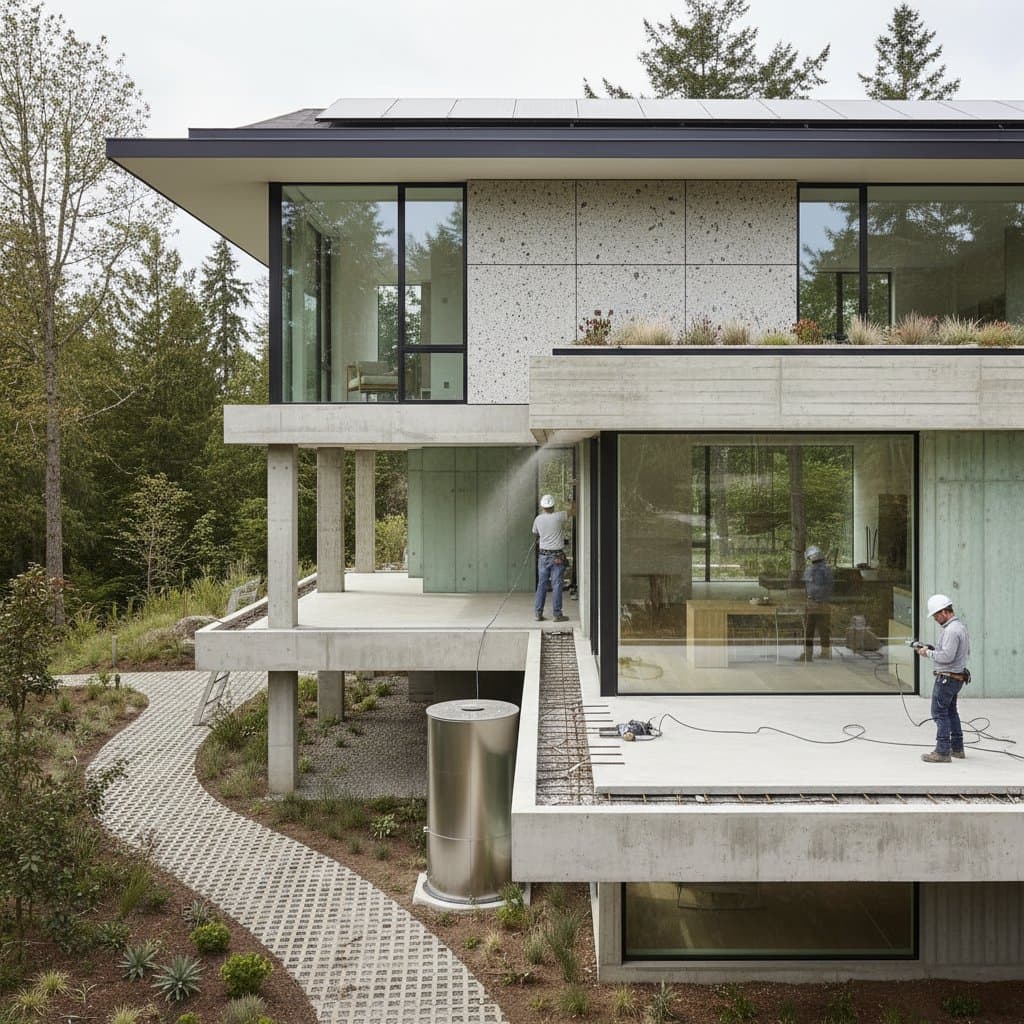
The 2026 Shift: Carbon-Neutral Concrete Reshapes Home Construction
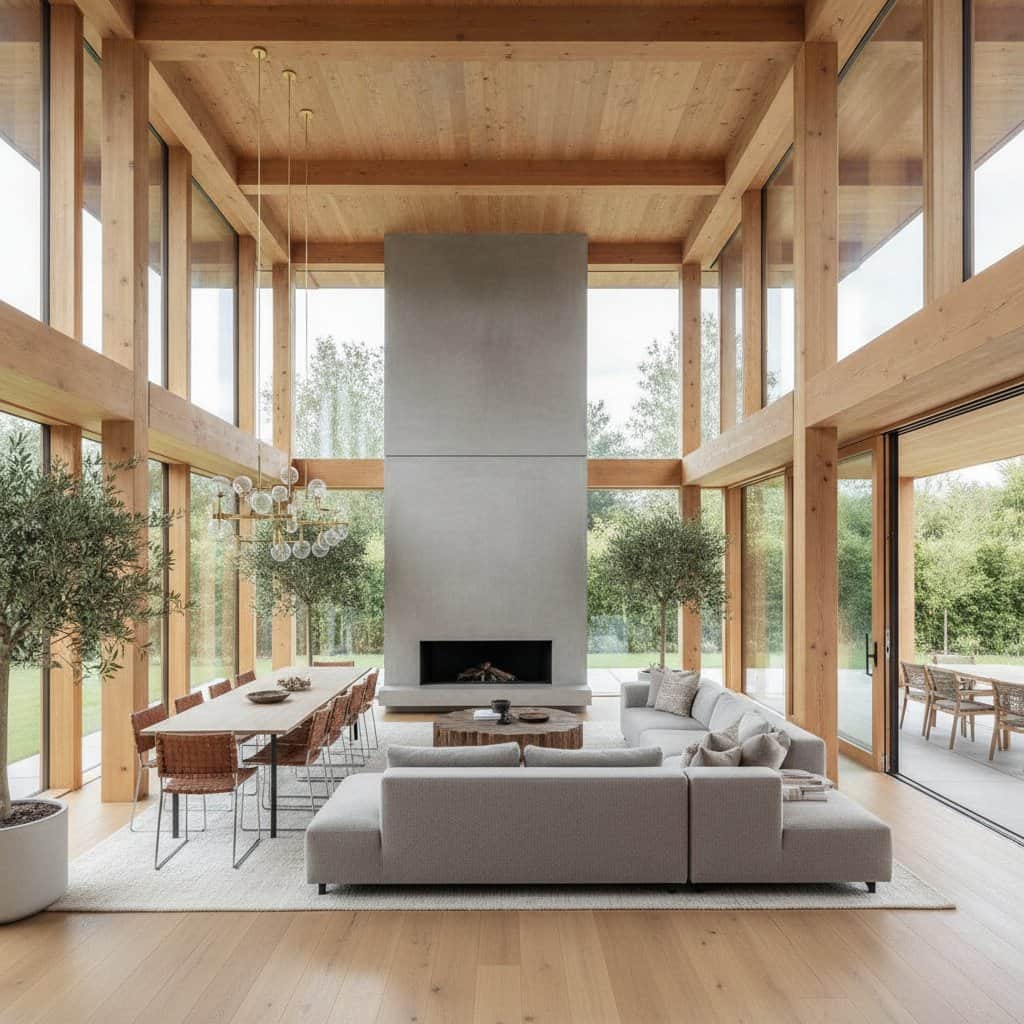
Picture a finished living room where sunlight highlights a smooth concrete floor that conveys both modernity and stability. This surface absorbs more carbon than it emits, contributing to a lower environmental impact. Carbon-neutral concrete, once a concept of the future, now emerges as a standard in sustainable building practices, influencing home design and daily living.
The Importance of Carbon-Neutral Concrete
Concrete serves as a cornerstone of contemporary construction due to its strength, cost-effectiveness, and adaptability. Traditional production, however, generates substantial carbon dioxide emissions, posing challenges for those pursuing eco-friendly homes. Carbon-neutral concrete addresses this issue by maintaining the material's core attributes while significantly reducing its carbon footprint.
This development extends beyond professionals in architecture and construction. Homeowners undertaking renovations, extensions, or outdoor projects benefit directly. Material selections made today determine a home's long-term efficiency and sustainability.
Mechanisms Behind Carbon-Neutral Concrete
Carbon-neutral concrete achieves balance by countering production emissions through carbon-capturing materials and technologies. Certain formulations incorporate recycled elements such as fly ash or slag derived from steel production. Alternative cement blends absorb atmospheric carbon during the curing process.
Advanced manufacturers employ carbon-capture systems to sequester emissions at the production facility. In some cases, captured carbon integrates directly into the concrete mixture, storing it permanently within the final product. These processes yield a material that minimizes atmospheric carbon while enhancing durability for residential applications.
The handling characteristics mirror those of conventional concrete. Mixtures set efficiently, and proper sealing produces a polished, resilient finish suitable for various surfaces.
Actionable Steps for Homeowners
Transitioning to carbon-neutral concrete during construction or renovation requires minimal disruption. Follow these steps to integrate it effectively:
-
Consult your contractor at the outset. Inquire about suppliers providing carbon-neutral or low-carbon options. Local sourcing becomes feasible with early discussion.
-
Verify regional availability. Brands such as Lehigh Hanson EcoCem and Lafarge EcoPlanet distribute these products through nearby outlets.
-
Evaluate costs. Anticipate a premium of 5 to 10 percent over standard concrete. Incentives like tax credits or reduced energy expenses often offset this increase.
-
Select appropriate finishes. Options including polished, stained, or matte surfaces perform well with these mixes, preserving familiar aesthetics alongside superior environmental performance.
-
Adhere to curing guidelines. Certain formulations require controlled humidity or temperature; comply with contractor recommendations to optimize outcomes.
Aesthetic and Functional Advantages
Carbon-neutral concrete offers versatility that enhances design possibilities. It complements materials like wood, steel, and natural stone seamlessly. Indoors, it fosters a serene, enduring atmosphere. Outdoors, it withstands elemental exposure with minimal degradation.
A light gray variant pairs effectively with white oak cabinetry and brass accents in kitchen settings, creating a contemporary yet enduring look. The surface reflects natural light and conceals minor imperfections better than deeper tones.
Customization includes tints in beige, charcoal, or subtle green hues. Lower porosity facilitates easy cleaning with mild soap and water, resisting stains from spills.
Evaluating Expenses and Upkeep
Pricing for carbon-neutral concrete has become competitive. Basic indoor installations range from four to six dollars per square foot for traditional options, with carbon-neutral variants slightly higher based on specifications like thickness and location.
Upkeep remains uncomplicated. Routine sweeping and periodic resealing preserve appearance. For darker interiors, use dusters to remove debris promptly. Outdoor areas benefit from simple hose rinsing.
In climates with harsh winters, opt for freeze-thaw resistant formulations. These selections prevent cracking and ensure longevity across seasons.
Sourcing Locally and Enhancing Sustainability
Suppliers nationwide increasingly stock carbon-neutral products to align with emerging standards. Independent concrete facilities offer eco-friendly lines from major producers, minimizing transport-related emissions through local procurement.
Inquire about recycling initiatives for excess materials. Facilities that process leftovers into aggregate promote a closed-loop system, diverting waste from landfills.
Combine carbon-neutral concrete with complementary sustainable elements, such as reclaimed wood, recycled metal, or low-emission paints. This approach yields unified, forward-thinking designs.
Experiencing the Benefits in Daily Life
Incorporating carbon-neutral concrete transforms living spaces subtly yet profoundly. Surfaces provide stability and sophistication, remaining cool in warm months and retaining heat with underfloor systems during cooler periods. Over time, a natural patina develops, adding character.
Sustainable choices no longer require trade-offs. This material delivers enhanced performance, visual appeal, and environmental stewardship. Homeowners contribute to broader ecological goals through practical, elegant decisions.