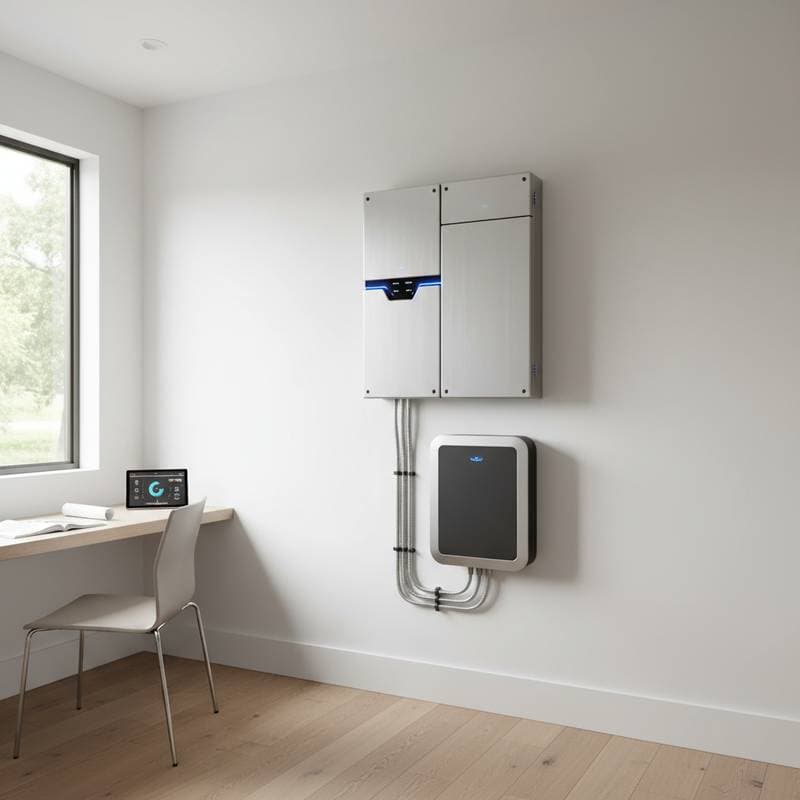
Understanding Battery-Ready Panels in New Home Construction
Power reliability forms the foundation of modern living. A brief flicker in lighting or a momentary pause in appliances highlights dependence on consistent electricity. As homes evolve to meet contemporary needs, electrical panels emerge as central to this transformation.
The mandate effective 2026 requires battery-ready electrical panels in all new constructions. This regulation influences wiring practices, energy planning, and resident expectations. Though concealed behind walls, these panels expand opportunities for energy management and design adaptability.
Core Benefits of Battery-Ready Panels
A battery-ready panel resembles a standard breaker box but features specialized internal configurations. These allow direct integration with home battery systems, ensuring uninterrupted power during grid failures. The design supports future connections without extensive modifications.
Flexibility defines its value. Homeowners gain the option to add storage solutions later, similar to pre-installed wiring for anticipated appliances. Builders comply with codes while addressing demands for durable, intelligent residences. Designers incorporate technology seamlessly, minimizing visual and structural disruptions.
Impacts on Daily Design and Functionality
Interior design extends beyond surfaces to encompass underlying systems. Battery-ready panels shape decisions on lighting, outlets, and appliances by prioritizing energy reliability. Homes equipped for storage enable consistent performance in critical areas.
Consider a home office that maintains operations amid severe weather or a kitchen where essential devices function through outages. This setup delivers reliability beyond convenience, fostering uninterrupted routines. Energy monitoring via connected applications further empowers users to track consumption and optimize usage.
Such awareness prompts shifts toward efficient devices and potential solar adoption. Integration into broader energy strategies supports sustainable practices without compromising comfort.
Essential Considerations for Builders and Renovators
Early consultation with electricians proves vital during planning. Battery-ready panels demand precise installation, including adequate space and alignment with overall power distribution.
Key factors include:
-
Panel Placement
Select locations offering accessibility and airflow. Common sites include garages or utility areas; alternatively, integrate into architectural elements like concealed cabinets. -
Capacity and Standards
Evaluate panels certified for battery compatibility. Some require supplementary kits; prioritize models supporting major storage technologies. -
Conduit Installation
Incorporate pathways for future solar or battery additions. This foresight prevents invasive alterations such as wall openings or circuit overhauls. -
Visual Harmony
Opt for panels that align with surroundings. Flush installations with color-matched covers ensure subtlety within the home's aesthetic. -
Adaptability Planning
Design for evolving technologies. Even without immediate off-grid intentions, flexible infrastructure accommodates advancements in energy solutions.
Advancing Toward Autonomous Residences
Battery-ready panels contribute to the progression of self-regulating homes. Automated thermostats and motion-activated lighting already enhance efficiency; energy storage extends this autonomy.
Residences with onboard power management withstand disruptions and optimize usage. Systems store energy during off-peak periods for deployment at higher rates, easing grid demands while lowering costs.
For solar-equipped homes, these panels complete the energy cycle, linking production to consumption. This configuration renders renewables viable for everyday applications.
Evaluating Upfront Investments Against Future Gains
Initial expenses for battery-ready panels exceed those of conventional setups due to enhanced wiring and components. However, long-term perspectives reveal substantial savings.
Retrofitting without preparation often involves panel replacement, circuit revisions, and surface repairs, escalating costs significantly. Prepared systems enable simple connections, reducing both expense and inconvenience.
Residents appreciate the assurance of adaptable infrastructure. Compatibility with emerging features like vehicle chargers or expanded storage ensures enduring relevance.
Integrating Energy Systems with Interior Aesthetics
Electrical infrastructure intersects with design principles in subtle ways. Trends toward functional yet elegant utility spaces, such as organized garages or multifunctional entryways, reflect this synergy.
Tech-infused homes balance utility and style through thoughtful integration. Battery-ready setups maintain a welcoming atmosphere, avoiding a mechanical appearance.
Select materials like wood textures or matte surfaces to camouflage utility zones. Custom enclosures matching adjacent cabinetry preserve cohesion and provide necessary access.
Preparing for a Battery-Ready Build
New constructions incorporate compliant panels as standard. Informed oversight ensures optimal outcomes throughout the process.
- Verify Certifications: Confirm panel documentation aligns with battery standards and major systems.
- Assess Spatial Needs: Account for expansion clearances in framing and storage designs.
- Align with Smart Features: Communicate intended controls to electricians for compatible wiring.
- Review Warranties: Seek extended coverage from installations by qualified professionals.
Proactive discussions integrate these elements akin to material selections, streamlining execution.
Realizing Enhanced Home Performance
In daily use, battery-ready systems operate unobtrusively, akin to essential building components. Their presence ensures stability during power events, distinguishing equipped homes.
This foundation supports evolving lifestyles, from energy savings to technological upgrades. Residents experience a residence that anticipates needs, delivering reliability and efficiency seamlessly.