Understanding One-Close Construction Loans
Building a custom home presents unique challenges, from design decisions to financing hurdles. Traditional construction loans often require multiple closings, which increase paperwork and costs. One-close construction loans address these issues by combining the construction phase and permanent mortgage into a single process.
This approach locks in your interest rate at the outset, protecting against market fluctuations. Borrowers appreciate the simplicity, as it eliminates the need for a second appraisal or additional fees later. Financial experts recommend this option for those planning long-term homeownership.
Key Benefits of One-Close Loans
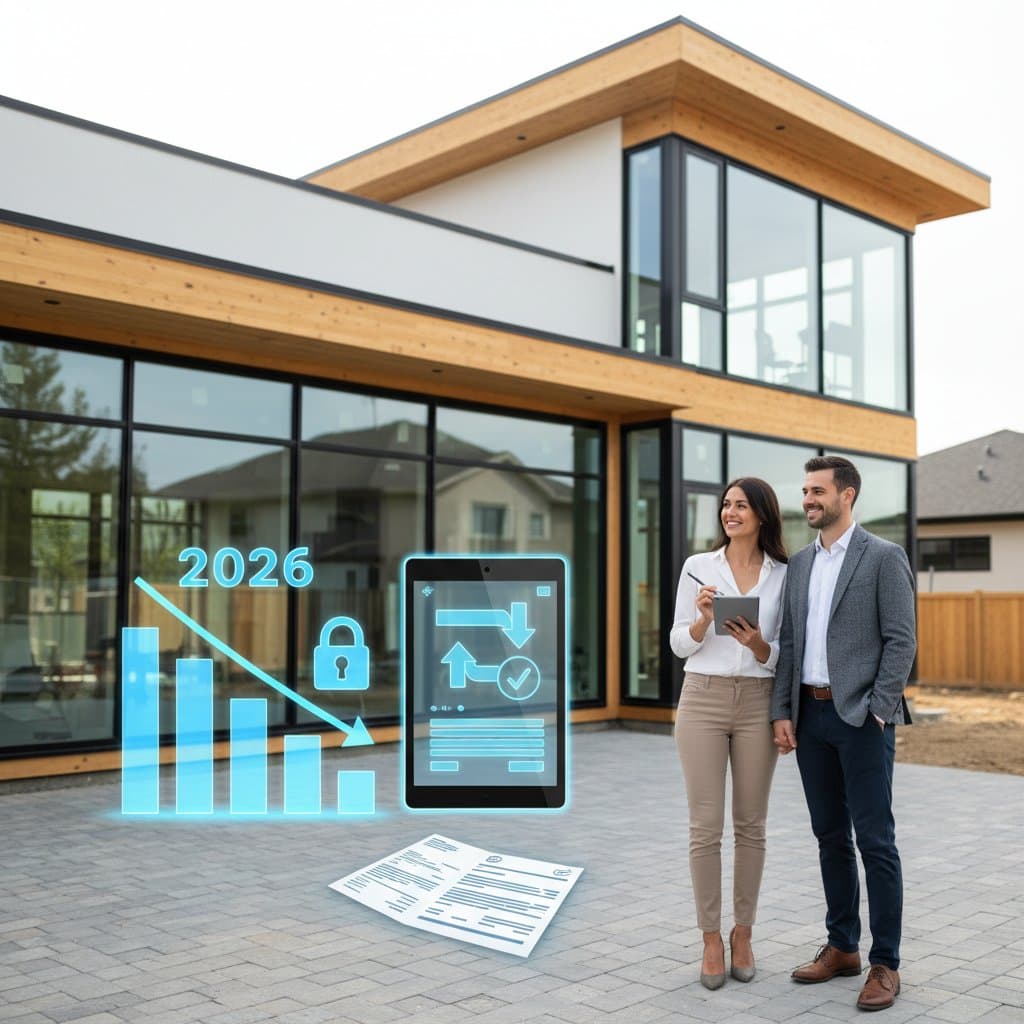
One major advantage lies in rate protection. When you secure the loan, the interest rate applies to both construction draws and the final mortgage. This feature proves especially valuable as economists predict interest rate decreases in 2026, allowing early adopters to benefit from current favorable terms.
Paperwork reduction stands out as another benefit. Instead of managing two separate loans, you handle one set of documents. Lenders streamline the process, often requiring only initial approvals for the entire timeline, which saves weeks of administrative effort.
Stress levels decrease significantly with this method. Homeowners avoid the uncertainty of refinancing at potentially higher rates after construction completes. The predictable structure fosters confidence throughout the building phase.
How One-Close Loans Differ from Traditional Options
Standard construction loans, known as two-close loans, involve an initial short-term loan for building followed by a separate permanent mortgage. This separation demands a second closing, complete with updated credit checks and property valuations. Such requirements can delay occupancy and inflate expenses through duplicate fees.
In contrast, one-close loans function as a single, continuous financing package. Funds disburse in stages as construction progresses, with the lender overseeing inspections to ensure quality. Once the home receives its certificate of occupancy, the loan converts seamlessly to a standard mortgage without additional closings.
This integrated model suits various project sizes, from modest renovations to large custom builds. Lenders typically offer these through specialized programs, ensuring compliance with building codes and timelines.
Steps to Secure a One-Close Construction Loan
Begin by assessing your financial readiness. Calculate your budget, including construction costs, land value, and ongoing expenses. Consult a loan officer to review your credit score, income stability, and down payment capacity, which often ranges from 20 to 25 percent.
Next, select a qualified lender experienced in construction financing. Research institutions that provide one-close options, focusing on those with flexible draw schedules and competitive rates. Gather necessary documents, such as building plans, contractor bids, and proof of land ownership.
Submit your application early in the planning phase. The approval process involves detailed reviews of your project feasibility and risk assessment. Once approved, work closely with your lender to schedule draws aligned with construction milestones.
Monitor progress through regular updates from your builder and lender. Address any issues promptly to stay on track. Upon completion, the conversion to permanent financing occurs automatically, allowing you to focus on moving in.
Preparing for 2026 Rate Changes
Market forecasts indicate potential interest rate reductions in 2026, driven by economic stabilization and policy shifts. Securing a one-close loan now positions you to lock in rates before these changes. This strategy minimizes long-term costs, as lower rates could enhance affordability for future borrowers.
Consider timing your project to align with these trends. If construction starts soon, you gain the advantage of current rates without waiting for uncertain drops. Financial advisors suggest evaluating personal goals alongside market predictions for optimal decisions.
Maximizing Savings and Efficiency
To optimize your one-close loan, choose a reputable contractor with a track record of on-time completions. This choice reduces draw delays and interest accrual during construction. Explore lender incentives, such as waived fees for electronic submissions or bundled insurance options.
Track all expenses meticulously to avoid budget overruns. Use project management tools recommended by your lender to maintain transparency. These practices ensure the loan's benefits translate into real savings and a smoother build.
Homeowners who adopt this financing method often report higher satisfaction levels. The consolidated process frees mental energy for design and personalization choices. Ultimately, one-close loans transform the home-building journey into a more rewarding experience.