Save $40,000 in 2026 with a Strategic 2-1 Rate Buydown
A conversation with a friend over coffee revealed her frustration during a home search. She expressed love for a particular property, yet the interest rate made it seem unattainable. This scenario resonates with many prospective buyers who envision their ideal living space only to face the reality of monthly payments. At that moment, the discussion turned to the 2-1 rate buydown, a financing strategy gaining traction in new home markets. This approach provides immediate relief on mortgage costs and can result in savings approaching $40,000 over the initial years of the loan.
Understanding the 2-1 Rate Buydown
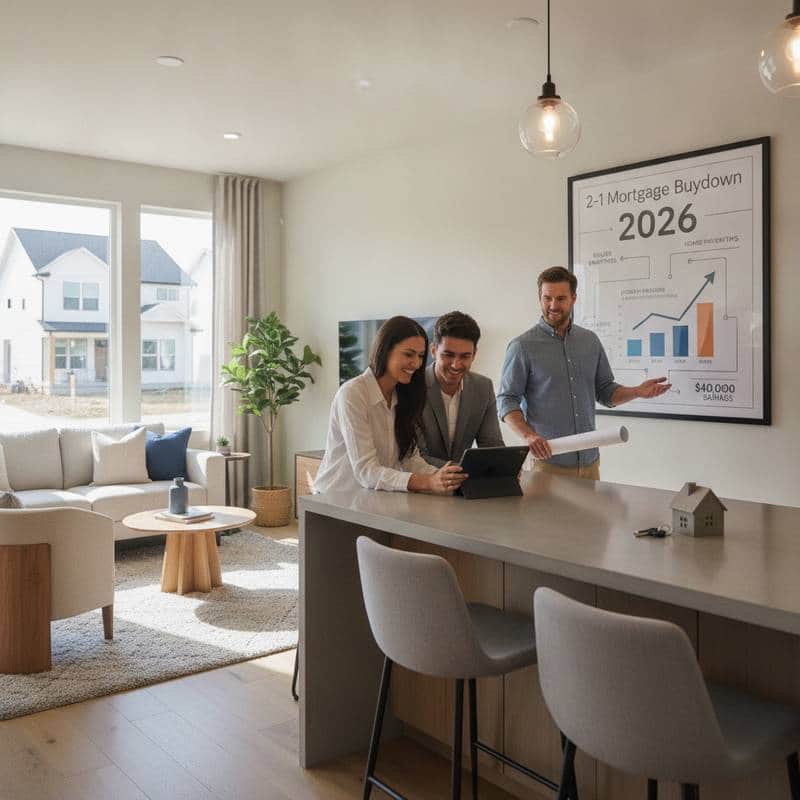
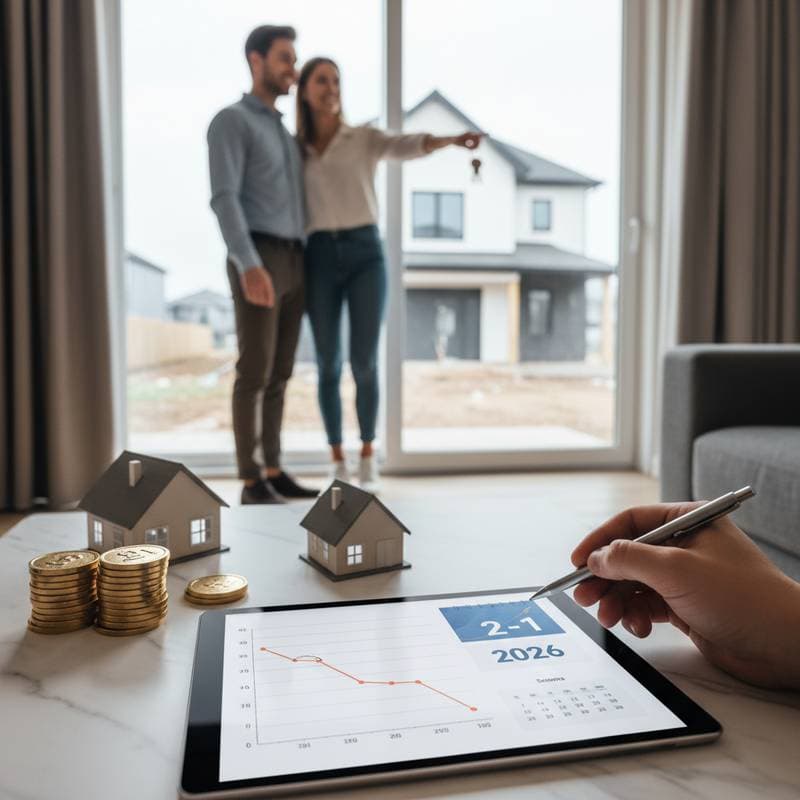
A 2-1 rate buydown involves a temporary reduction in the interest rate on a mortgage. During the first year, the rate decreases by two percentage points below the base rate. In the second year, it reduces by one percentage point. From the third year onward, the rate reverts to the original level established at closing.
This structure lowers monthly payments significantly in the early stages of homeownership. Builders and lenders frequently provide this incentive to attract buyers amid elevated interest rates. It proves particularly valuable when managing relocation expenses, home setup costs, and budget adjustments simultaneously.
Reasons Homeowners Consider This Option
The 2-1 rate buydown offers more than short-term savings; it aligns with practical financial planning. The initial period of reduced payments acts as a buffer during a transitional phase. Homeowners often encounter unexpected costs, such as purchasing furniture, performing minor repairs, or enhancing outdoor spaces.
Lower payments during this time alleviate financial pressure and promote stability. Individuals can redirect the savings toward emergency funds or debt reduction. By the rate adjustment in year three, many find themselves better positioned due to income growth or reduced other expenses.
Calculating the Potential Savings
Consider a $400,000 fixed-rate mortgage at a base interest rate of 7%. With a 2-1 buydown, the first-year rate drops to 5%, reducing monthly principal and interest payments from approximately $2,661 to $2,147—a savings of $514 per month, or $6,168 annually.
In the second year, the rate rises to 6%, yielding payments of about $2,398, which saves $263 monthly compared to the full rate, totaling $3,156 for the year. Over two years, these adjustments accumulate to roughly $9,324 in savings. For larger loans or higher base rates, the total can approach $40,000 when factoring in compounded effects and additional fees avoided.
Typically, the buydown cost—around 2-3% of the loan amount—is covered by the builder or seller. This arrangement incentivizes sales without increasing the buyer's out-of-pocket expenses at closing.
Determining Suitability for Your Situation
This strategy suits buyers planning to remain in the home for at least five years, allowing time for financial improvement before the full rate applies. It also benefits those anticipating income increases or potential refinancing opportunities.
Evaluate these factors carefully:
- Budget Readiness: Project your finances for year three to ensure the full payment remains manageable. Use online mortgage calculators to simulate scenarios.
- Incentive Availability: Inquire with builders of new constructions, as many include buydowns in promotional packages to boost sales.
- Future Rate Outlook: Monitor market trends; a drop in rates could enable refinancing to secure permanent savings post-buydown.
- Cost Transparency: Confirm the buydown funding source in writing. While sellers usually cover it, verify no hidden fees apply to you.
Strategies to Maximize Early Savings
The reduced payments provide an opportunity to build long-term financial health. Direct the monthly difference into a high-yield savings account to prepare for future increases. This practice creates a reserve equivalent to several full payments by year three.
Allocate portions toward home improvements that yield returns. For instance, installing energy-efficient windows or a programmable thermostat can lower utility bills by 10-20% annually, enhancing overall affordability.
Address high-interest debts promptly. Applying savings to credit card balances accelerates payoff and improves credit scores, potentially qualifying for better terms on future loans.
Consider small-scale updates like kitchen hardware or closet organizers. These enhancements increase personal satisfaction and property value without requiring substantial investment.
Embracing Financial Flexibility in Homeownership
The 2-1 rate buydown excels by synchronizing mortgage terms with life transitions. It allows time to acclimate to homeownership demands while fostering proactive financial habits.
Explore this option during lender consultations, regardless of whether pursuing new builds or resales. Compare multiple proposals and align them with personal objectives for optimal results.
Securing Lasting Benefits Through Informed Choices
A well-executed buydown contributes to a sense of security in your living environment. Finances gain predictability, enabling focused decisions on home personalization.
This method represents a balanced financing tool that supports immediate needs and future goals. Prospective buyers should discuss it with professionals to unlock substantial savings and ease the path to a fulfilling home life.