Understanding Mortgage Rate Buydowns in the Builder Market
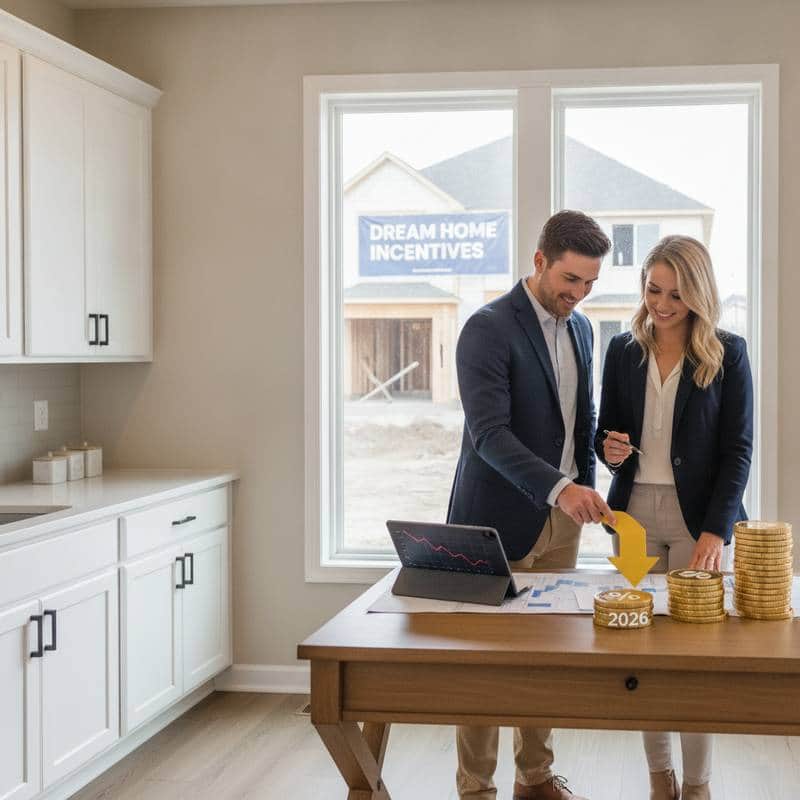
Imagine entering a newly constructed model home, where the sales representative offers to buy down the mortgage rate. This proposal can transform hesitation into commitment by addressing immediate affordability concerns. Such incentives have gained prominence as builders navigate high interest rates and persistent demand.
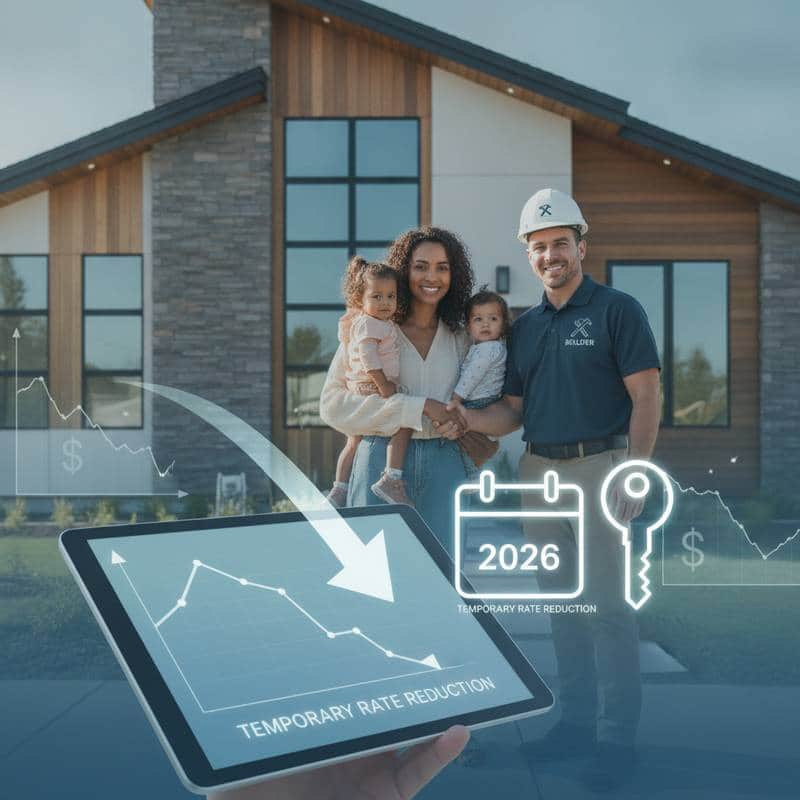
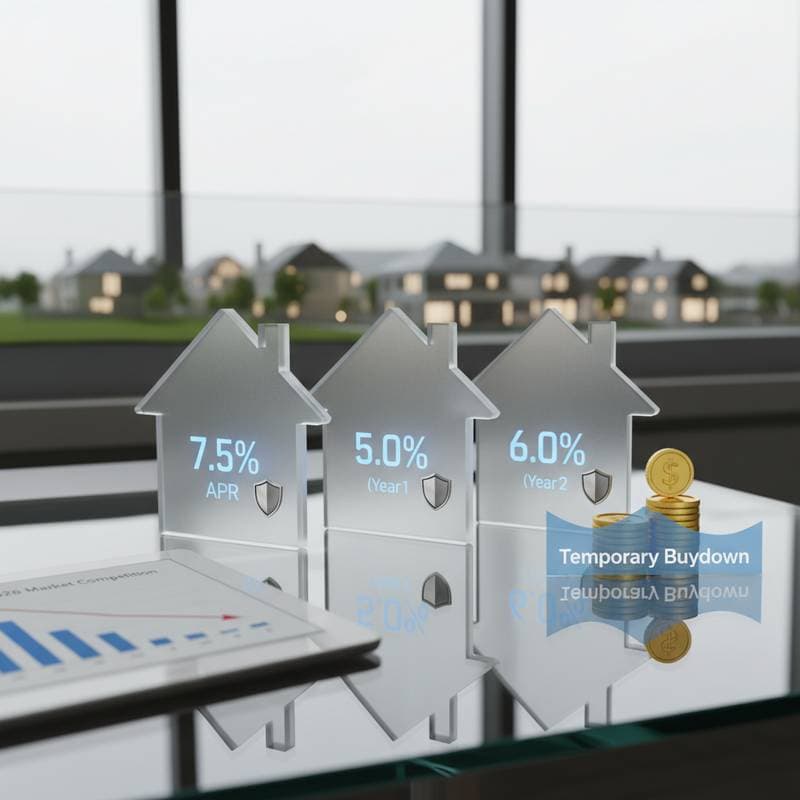
Mortgage rate buydowns involve an upfront payment to lower the interest rate for an initial period, typically the first few years of the loan. This approach eases monthly payments during the early stages of homeownership. Builders employ this tactic to differentiate their offerings in a crowded market.
Defining a Mortgage Rate Buydown
A mortgage rate buydown occurs when the builder, lender, or buyer funds a temporary reduction in the interest rate through an escrow account. This account subsidizes the difference between the reduced payment and the full interest due to the lender. The result is lower initial costs that support smoother transitions into homeownership.
Common structures include the following types:
- 1-0 Buydown: Reduces the rate by one percentage point for the first year only.
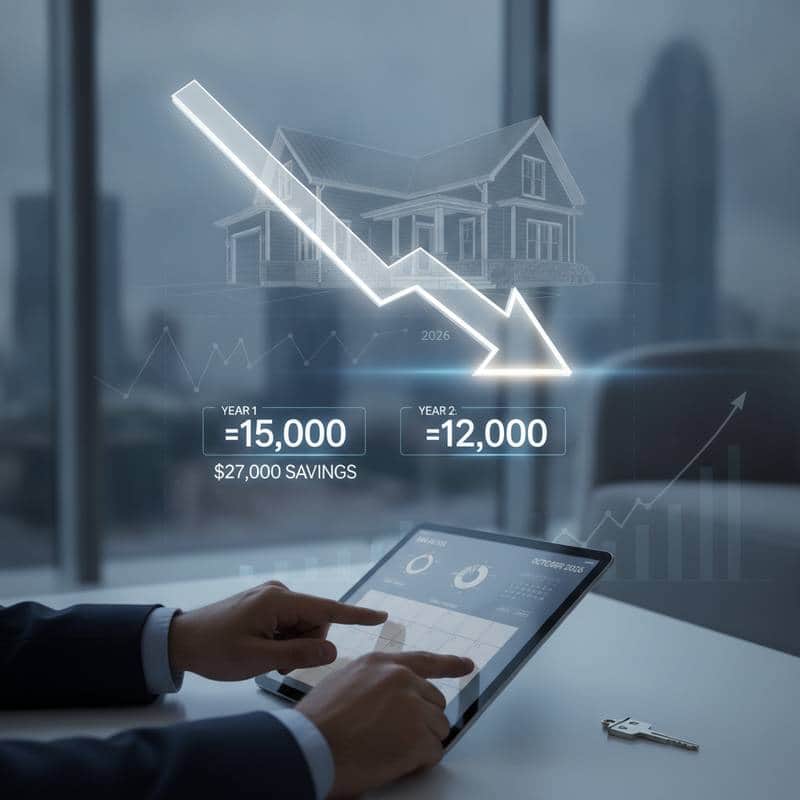
- 2-1 Buydown: Lowers the rate by two percentage points in year one and one percentage point in year two, then reverts to the original rate.
- 3-2-1 Buydown: Decreases the rate by three percentage points in year one, two in year two, and one in year three, after which it returns to the standard rate.
These arrangements provide a financial buffer, allowing homeowners to allocate resources toward settling in or addressing unforeseen expenses.
Reasons Builders Offer Rate Buydowns
Builders face intense pressure to move inventory amid elevated home prices and borrowing costs. Rate buydowns provide a direct solution by reducing monthly payments, which often represent the primary barrier for potential buyers. Unlike cosmetic upgrades, this incentive delivers quantifiable financial relief.
From the builder's viewpoint, buydowns accelerate sales without eroding list prices, thereby preserving community value. Buyers benefit from hundreds of dollars in monthly savings during the initial years, which can offset costs associated with relocation or home customization. This strategy aligns short-term incentives with long-term market stability.
Mechanics of Temporary Rate Buydowns
Builders fund buydowns by depositing funds into an escrow account that covers the interest shortfall during the reduced-rate period. The lender receives full payments, while the buyer enjoys the lower amount until the subsidy expires. At that point, payments adjust to reflect the original rate.
This mechanism serves as a targeted affordability tool rather than a permanent alteration. Buyers must anticipate the eventual increase and incorporate it into their financial planning. Strategic use of this period can position homeowners for greater stability as their circumstances evolve.
Advantages and Disadvantages for Buyers
Rate buydowns offer clear benefits alongside potential drawbacks. Consider these factors carefully to determine suitability.
Advantages
- Reduced Initial Payments: Monthly obligations decrease immediately, easing cash flow in the early years.
- Improved Loan Qualification: Lower payments can enhance eligibility for financing, broadening access to desired properties.
- No Direct Cost to Buyer: Builder-funded options provide value without increasing the purchase price.
- Enhanced Financial Flexibility: Savings enable investments in essentials like furnishings or reserves for maintenance.
Disadvantages
- Future Payment Increases: The rate adjustment can strain budgets if not anticipated.
- Minimal Long-Term Savings: Overall interest paid over the loan term remains largely unchanged.
- Limited Transferability: Refinancing or selling early may forfeit remaining subsidy benefits.
- Adjustment Challenges: Reliance on lower payments requires proactive budgeting to avoid later discomfort.
Buydowns Versus Alternative Incentives
Builders deploy various promotions, such as closing cost assistance or feature upgrades. Rate buydowns distinguish themselves by targeting core affordability concerns. They simplify decision-making for buyers focused on ongoing expenses.
When evaluating options, prioritize needs: buydowns optimize monthly budgets, while upgrades enhance livability. Financial relief often proves foundational, allowing subsequent investments in personalization. This sequencing supports sustainable homeownership.
Strategic Considerations from the Builder's Side
Builders allocate marketing budgets to buydowns as a calculated response to market dynamics. These incentives maintain pricing levels while mitigating buyer resistance to high rates. Partnerships with specialized lenders streamline implementation and ensure cost predictability.
Some builders extend offers like rate protection, committing to further reductions if market conditions improve. This approach fosters buyer confidence and sustains sales momentum. Ultimately, it positions developments as responsive to economic realities.
Essential Questions for Prospective Buyers
Before accepting a buydown, seek clarity on key details to avoid surprises.
- Funding Source: Confirm whether the builder or lender covers the cost without embedding it in the loan.
- Duration of Reduction: Determine the exact timeline and calculate the post-buydown payment.
- Refinancing Implications: Inquire about handling unused funds if rates decline and refinancing becomes viable.
- Cost-Benefit Analysis: Request comparisons between the buydown and equivalent price reductions.
- Payment Sustainability: Assess whether the full rate aligns with long-term income projections.
These inquiries empower informed choices and align the incentive with personal goals.
Regional Influences on Buydown Availability
Local market conditions shape how builders apply buydowns. In competitive areas, these incentives pair with tailored offerings like energy upgrades or closing assistance. Smaller builders may provide greater customization to attract buyers.
Consult local real estate professionals or builder associations for insights into optimal deals. Regional lender relationships often expedite processes, benefiting all parties. This localized approach ensures relevance to specific economic contexts.
Strategies for Maximizing Buydown Benefits
Integrate buydowns into a comprehensive financial plan for optimal results.
- Develop a Progressive Budget: Anchor planning to the full payment rate and accumulate savings during the reduced period.
- Evaluate Refinancing Opportunities: Monitor rate trends to potentially lock in permanent savings, accounting for associated fees.
- Allocate Savings Purposefully: Direct monthly differences toward home enhancements or security buffers.
- Engage a Mortgage Specialist: Obtain comparisons across lenders to validate the builder's proposal.
Such practices transform temporary relief into enduring financial advantages.
Mutual Benefits for Buyers and Builders
Effective buydowns foster balanced outcomes. Builders achieve quicker inventory turnover and price stability. Buyers secure accessible entry into homeownership amid uncertain rates.
Lenders gain consistent volume and client retention. This ecosystem encourages practical innovations that prioritize buyer needs. Communities thrive as a result, with sustained growth and satisfaction.
Sustaining Financial Stability Post-Buydown
After closing, monitor evolving expenses to maintain equilibrium. Annual reviews of budgets, taxes, and insurance prevent disruptions when payments rise. View the buydown as an initial accelerator for establishing routines.
Homeowners who plan proactively report greater confidence in their choices. This mindset ensures the incentive contributes to lasting security rather than transient ease.