Understanding 2% Builder Buydowns: Reducing New Home Loan Costs
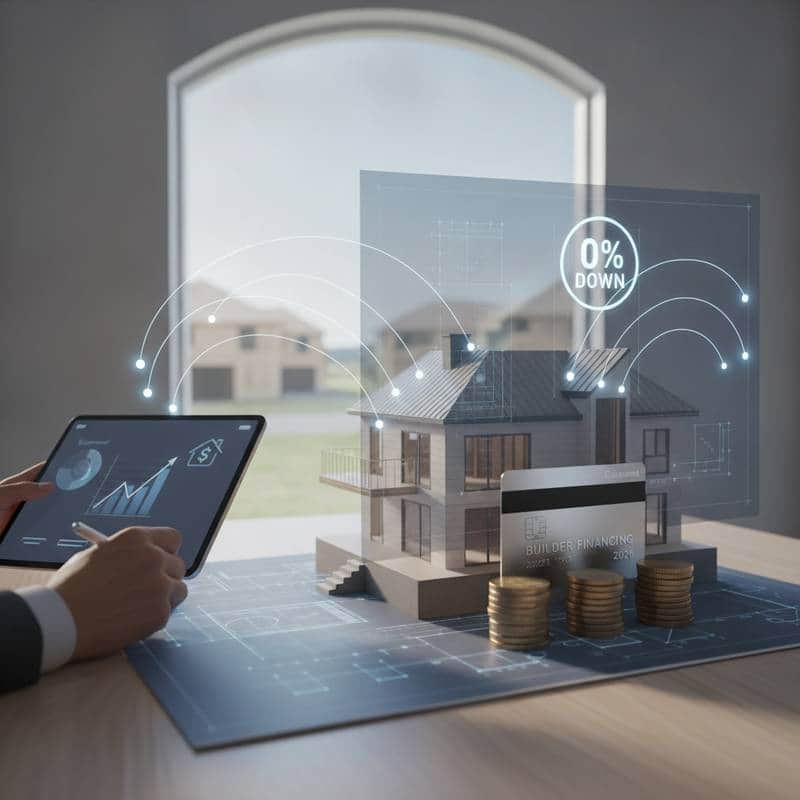
New home listings often highlight incentives that address current market challenges, such as elevated interest rates. One such option, the 2% builder buydown, stands out for its potential to make homeownership more accessible. This program allows buyers to benefit from reduced mortgage payments in the initial years without altering the long-term loan structure.
Home purchases involve balancing aesthetic preferences with financial realities. Builder buydowns provide targeted relief during a period when expenses like moving and setup can strain budgets. Buyers gain time to stabilize their finances before payments increase.
Defining a 2% Builder Buydown
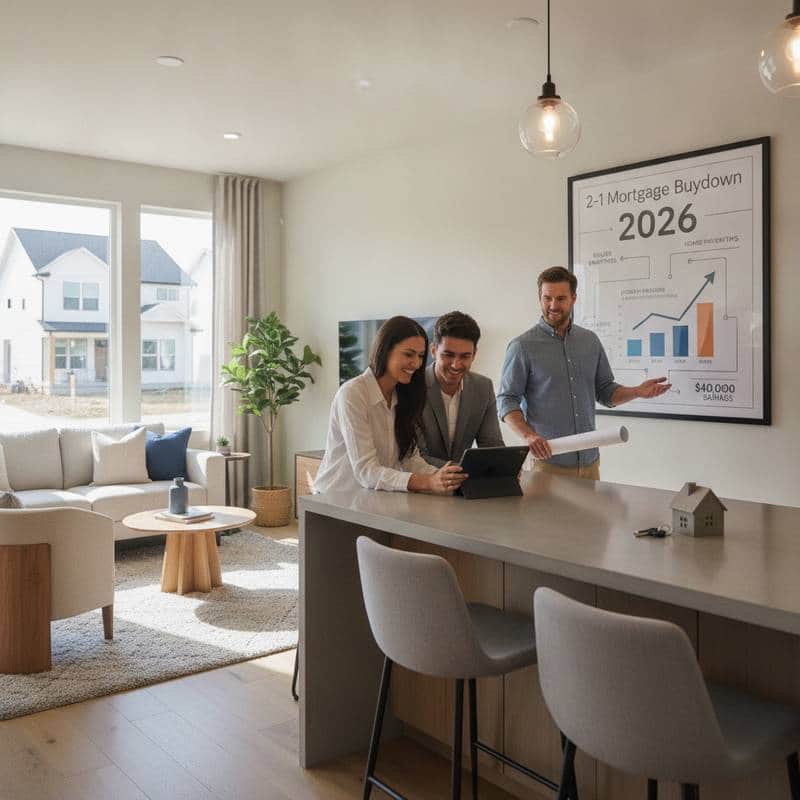
A builder buydown represents a financing arrangement in which the builder subsidizes a portion of the buyer's interest payments early in the loan term. Specifically, a 2% buydown lowers the interest rate by two percentage points during the first year and by one percentage point in the second year. After year two, the rate reverts to the original level for the remainder of the loan.
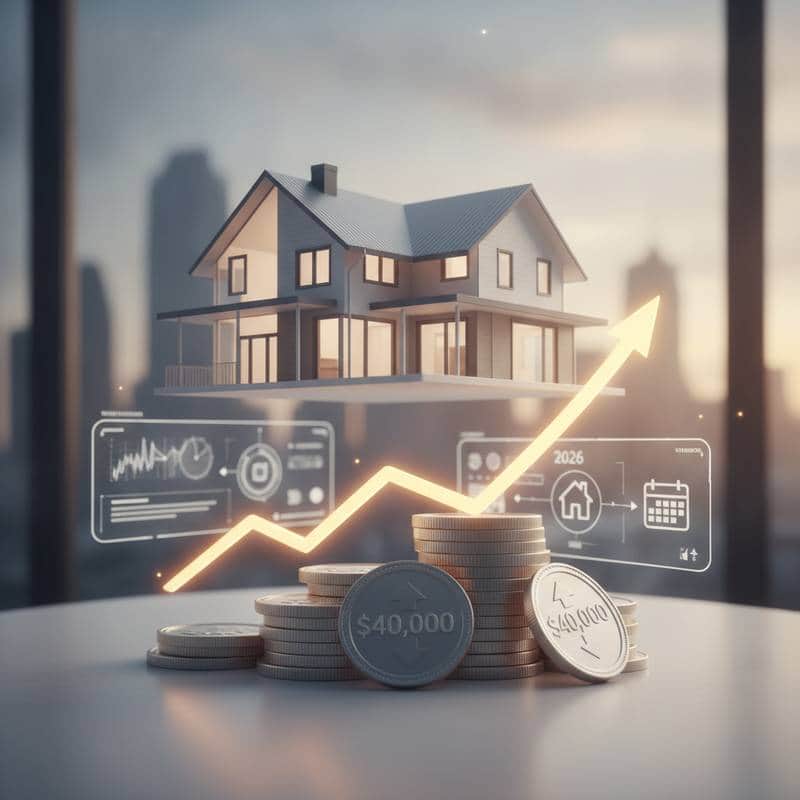
The builder achieves this by depositing funds with the lender at closing to cover the interest differential. This setup delivers immediate payment reductions, which can amount to several hundred dollars monthly. For instance, on a typical $400,000 loan, the savings might exceed $300 in the first year alone, depending on the exact rate and terms.
Such programs align with standard mortgage products, including conventional and FHA loans, provided the lender approves the temporary adjustment. Buyers should verify compatibility during the pre-approval process to avoid surprises.
Reasons Builders Provide Buydowns
Builders implement buydowns to maintain sales momentum when interest rates deter potential buyers. Rather than slashing home prices outright, which impacts profit margins, buydowns offer a competitive edge through enhanced affordability. This strategy proves effective in slowing markets, where inventory accumulates without sufficient demand.
For buyers, the advantage includes entering a new home with manageable costs, preserving options for future refinancing if market rates decline. Builders frequently collaborate with select lenders to facilitate the process, potentially bundling buydowns with credits toward closing costs or minor upgrades. These partnerships simplify documentation and ensure seamless execution.
From a broader perspective, buydowns support community development by accelerating new construction absorption. Buyers who leverage this incentive often redirect savings toward home enhancements, such as durable countertops or efficient appliances, enhancing long-term value.
Mechanics of a 2% Buydown in Action
Consider a mortgage with a base rate of 6.5%. Under a 2% buydown, the effective rate becomes 4.5% for year one and 5.5% for year two, then returns to 6.5% thereafter. For a 30-year fixed loan of $350,000, this could reduce the first-year payment from approximately $2,215 to $1,773, based on principal and interest only.
The builder finances the buydown via a one-time payment to the lender, calculated as the present value of the interest savings. This cost typically ranges from 2% to 4% of the loan amount, absorbed by the builder to incentivize the sale. Buyers incur no direct fees for the buydown itself, though standard closing costs apply.
During qualification, lenders assess affordability using the fully indexed rate to ensure sustainability. This approach protects buyers from overextending, as the temporary reduction does not influence credit approval thresholds.
Evaluating Suitability for Your Situation
A builder buydown suits buyers planning a multi-year stay in the property, offering transitional financial ease without permanent commitment. It proves particularly valuable for first-time buyers or those relocating, where upfront costs demand careful budgeting. However, for short-term owners, the administrative effort may outweigh the benefits.
Key considerations include:
- Ownership Timeline: Assess how long you intend to remain in the home. The buydown provides short-term advantages, ideal for periods of adjustment.
- Refinancing Potential: Monitor market trends; lower rates in future years enable locking in permanent savings.
- Builder Funding Confirmation: Verify that the builder fully covers the buydown costs, with no hidden buyer contributions.
- Loan Compatibility: Confirm with your lender that the buydown aligns with your chosen loan type and does not trigger penalties.
- Post-Buydown Budget: Project comfort with the increased payment after year two, factoring in potential income growth or expense reductions.
Review your overall financial profile, including debt-to-income ratio, to determine if the structure enhances stability.
Essential Questions for Builders and Lenders
Request a detailed written explanation from the builder outlining the buydown parameters, including exact rate reductions and duration. Clarify any conditions, such as minimum loan amounts or specific builder-selected lenders, to ensure the offer applies universally.
Consult your lender on qualification impacts; most use the note rate for underwriting, maintaining conservative assessments. Inquire about integration with other promotions, like rate buydowns or appliance packages, to maximize value. Demand a payment amortization schedule illustrating monthly changes across the loan term.
Prioritize providers who demonstrate transparency through clear disclosures and responsive support. This diligence prevents misunderstandings and positions you for informed decisions.
Integrating Financing with Home Customization
Reduced initial payments create budgetary space for thoughtful customizations that elevate daily living. Options might include selecting resilient hardwood flooring over basic carpet or installing smart thermostats for energy savings. These choices not only personalize the space but also build equity through quality improvements.
Buyers often allocate savings to professional staging or minor renovations, transforming a standard new build into a tailored haven. This flexibility encourages decisions aligned with lifestyle needs, such as dedicated home office setups or expanded storage solutions.
Additional Advantages Beyond Immediate Savings
The buydown fosters a smoother onboarding to homeownership by mitigating early financial pressures. New owners can channel resources into essentials like security systems or landscaping, enhancing security and curb appeal from the outset.
Psychologically, predictable lower payments reduce stress during the settling-in phase, allowing focus on enjoyment rather than survival. Over time, this stability supports building reserves for maintenance or unexpected needs, promoting sustained financial health.
Preparing for the Full Loan Rate
As the buydown concludes, payments adjust to the original rate, a shift planned from the start. By this point, homeowners typically establish routines, optimize expenses, or advance careers, accommodating the increase. Proactive budgeting during the reduced period ensures seamless adaptation, turning the home into a secure foundation for future goals.