Summary
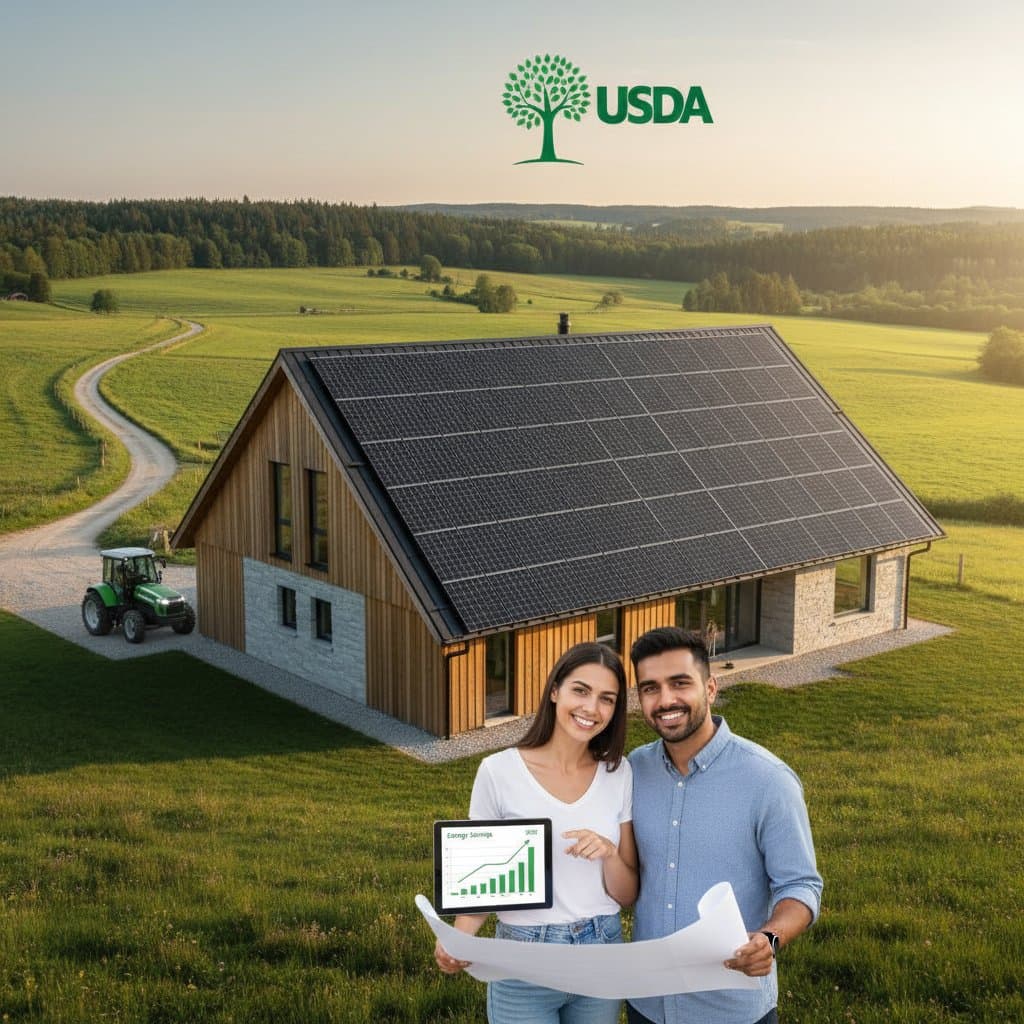
- USDA construction loans enable rural homeowners to incorporate solar power systems into new home builds.
- Financing for solar panels and installation integrates directly into the primary construction loan.
- Benefits include reduced energy bills, enhanced energy independence, and streamlined approval processes.
Understanding USDA Construction Loans
USDA construction loans differ from conventional financing options because they target individuals constructing or purchasing homes in designated rural areas. These loans often accommodate applicants who may not meet standard bank criteria, offering zero down payment, competitive fixed interest rates, and lenient income qualifications for moderate-income households.
The construction-to-permanent loan structure provides a single financing vehicle that transitions seamlessly from the building phase to the permanent mortgage. This approach eliminates the need for multiple loans or refinancing, reducing administrative burdens. Recent updates allow solar energy systems to integrate into the overall construction budget, further simplifying access to sustainable features.
Key Features:
- Single closing process for construction and permanent financing
- Zero down payment eligibility for qualified borrowers
- Fixed interest rates at competitive levels
- Inclusion of solar installations within the approved build budget
Eligibility requires that the property falls within USDA-defined rural zones, which encompass a wide range of locations beyond remote farmlands. This program facilitates the development of energy-efficient homes without imposing additional financial strains.
Essential Steps to Avoid Common Pitfalls in Solar-Integrated Builds
Incorporating solar systems during construction demands careful planning to maximize efficiency and minimize future costs. Builders who address potential issues upfront ensure smoother project execution and optimal system performance.
1. Select a Solar Installer During Initial Planning.
Engage a certified solar professional before construction commences. They can advise on roof design, electrical conduit placement, and panel alignment to integrate seamlessly with the home's structure. Delaying this step often leads to costly modifications, such as altering ventilation or roof elements post-framing.
2. Prepare Documentation for Lender Review.
USDA loans require detailed submissions for renewable energy components, including vendor quotes, equipment specifications, and itemized cost estimates. Compile these materials early to facilitate prompt processing by your loan officer. Incomplete paperwork can delay approvals and increase project timelines.
3. Plan for Future Battery Storage Integration.
Direct your electrician to install conduit piping during the initial build, even if battery systems are not immediately implemented. This forward-thinking measure simplifies expansions and reduces expenses compared to retrofitting later. It positions the home for enhanced energy resilience against outages.
4. Optimize Roof Design for Solar Efficiency.
Ensure the roof features a suitable pitch and south-facing orientation with limited shading from trees or structures. These factors directly influence panel output and return on investment. Consulting with architects and installers early prevents suboptimal designs that underperform in energy generation.
5. Size the Solar System Appropriately.
Base the system capacity on current and projected household energy consumption to align with USDA underwriting guidelines. Excessively large installations may raise concerns during review and limit financing approval. Modular expansions allow for adjustments as needs evolve over time.
Tangible Advantages for Rural Homeowners
Rural settings often involve higher electricity costs due to extended transmission lines, limited provider choices, and vulnerability to weather-related disruptions. Solar integration addresses these challenges by promoting self-sufficiency and cost stability. The USDA program's support extends renewable energy adoption to underserved regions.
Primary Gains:
- Immediate reductions in monthly utility expenses through on-site generation
- Safeguards against escalating energy rates over the loan term
- Increased property value from energy-efficient upgrades
- Improved reliability when combined with storage solutions
- Budget-friendly financing without separate applications or closings
Homeowners in dispersed communities frequently report annual savings exceeding several hundred dollars. During severe weather events, such systems provide uninterrupted power, enhancing overall security and comfort.
Evaluating the Value of Solar in Rural Construction
Solar installations prove beneficial in most rural scenarios, even accounting for regional variations like snowfall or overcast conditions. Proper system sizing by experienced installers, coupled with lender recognition of long-term savings, typically yields positive financial outcomes. USDA endorsement reinforces the viability of these investments.
Beyond economic returns, solar-equipped homes offer greater durability and autonomy. In isolated areas, where utility support may lag, this self-reliance translates to practical advantages in daily living and emergency preparedness.
Steps to Implement Solar Financing in Your Project
Consult your lender regarding USDA solar inclusion options as soon as you outline your construction plans. Coordinate meetings among your builder, solar specialist, and financial advisor to align specifications and timelines. Thorough documentation accelerates the approval process and sets the foundation for a successful build.
Frequently Asked Questions
What qualifies as a rural area under USDA guidelines?
The USDA designates rural areas as populations under 35,000 residents, excluding urban centers. Use the official USDA eligibility map to verify your property's status; many suburban-adjacent zones qualify.
Can existing homes retrofit solar under this program?
This initiative focuses on new construction loans. For renovations, explore USDA's separate Single Family Housing Repair Loans and Grants, which may support energy improvements.
What are the interest rates for these loans?
Rates are fixed and typically range from 3 to 5 percent, depending on market conditions and borrower credit. They remain lower than many conventional construction loans.
How long does the approval process take?
Approvals generally span 30 to 60 days, assuming complete documentation. Early submission of solar details expedites underwriting.
Are there income limits for applicants?
Yes, household income must not exceed 115 percent of the area median income. Limits vary by location and family size; check current thresholds via USDA resources.