Loading...

Save $40K on Mortgage with 2-1 Buydown Strategy | multihb.com | Multi HB - Home Building, Construction Trends, Financing New Homes
Skip to main content
MULTI HB
HomeBudgeting & FinancingConstruction Materials & MethodsConstruction TrendsContractors & Project ManagementSearch
  1. Home
  2. /
  3. Budgeting & Financing
  4. /
  5. The 2-1 Buydown: Save $40K on Your First Two Years
Budgeting & Financing

The 2-1 Buydown: Save $40K on Your First Two Years

Your comprehensive resource for home building expertise, construction insights, and financing strategies to help you build your dream home efficiently and cost-effectively.

Categories

Budgeting & FinancingConstruction Materials & MethodsConstruction TrendsContractors & Project ManagementDesign & Floor PlansHome Building BasicsHomeowner Tips & MaintenanceInspections & Quality Checks

Links

  • Home
  • Search Articles
  • About Us
  • Privacy Policy
  • Terms of Service

© 2026 Multi HB. All rights reserved.

by
Becca Woods
2026-04-19 03:31:29April 19, 2026
4 min read
Featured image for The 2-1 Buydown: Save $40K on Your First Two Years
2026-04-19 03:31:29
Multi HB - Home Building, Construction Trends, Financing New Homes

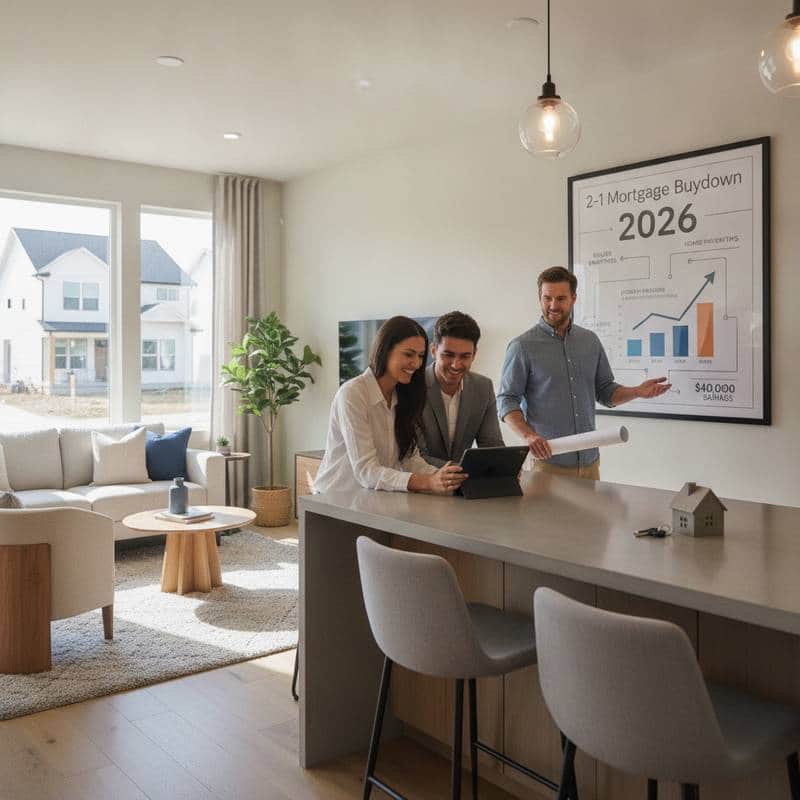
The 2-1 Buydown Strategy: Save $40,000 on Your 2026 Mortgage

Picture stepping into your new home, admiring the fresh walls, and experiencing the satisfaction of ownership. Then the initial mortgage statement arrives with a higher payment than anticipated. That joy can shift to concern without proper planning.

Challenges for Today's Homebuyers

Mortgage rates have risen beyond expectations, forcing many buyers to reassess affordability. Features like a spacious kitchen or outdoor enhancements may seem unattainable. Even with stable income, elevated rates alter monthly budgets significantly.

The 2-1 buydown addresses this issue directly. This financing method reduces the interest rate temporarily for the loan's first two years. It provides initial financial breathing room, with payments increasing gradually to the permanent rate thereafter. The concept is straightforward, yet the potential savings prove substantial.

How the 2-1 Buydown Functions

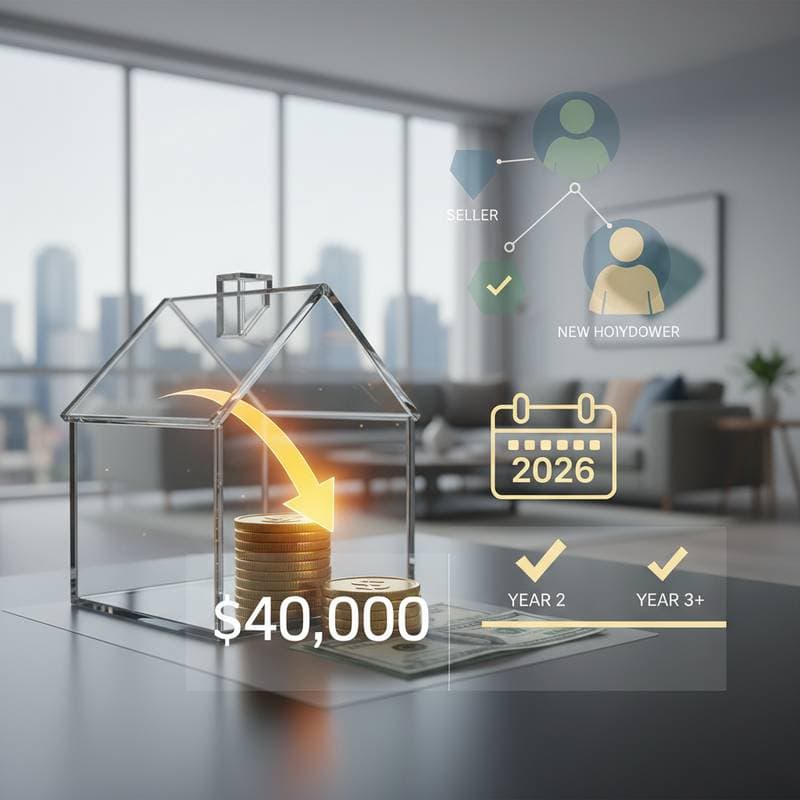
In a 2-1 buydown, the interest rate drops by two percentage points during the first year and one percentage point in the second year. From the third year onward, it reverts to the original fixed rate. A prepaid lump sum covers the payment differences, typically contributed by the seller, builder, or lender at closing.

Consider a permanent rate of 7 percent on a $500,000 loan. Year one features a 5 percent rate, year two a 6 percent rate, and year three returns to 7 percent for the loan's duration. These adjustments can yield tens of thousands in savings over the initial period. Redirect those funds toward home setup, upgrades, or financial reserves.

This structure maintains the security of a fixed-rate mortgage while offering an entry-period discount. Buyers gain time to adapt to ownership expenses without compromising long-term predictability.

Benefits for Contemporary Homebuyers

Renewed interest in the 2-1 buydown stems from its ability to bridge early affordability gaps. It suits individuals anticipating income increases or potential refinancing if rates decline. Unlike adjustable-rate mortgages, it preserves fixed-rate stability with added short-term advantages.

In competitive markets, this tool strengthens offers. Sellers may fund the buydown to expedite closings, creating mutual benefits. Buyers secure lower initial costs, while sellers achieve quicker transactions. This practical incentive aligns with current economic realities.

Implementing a 2-1 Buydown: Step-by-Step Guide

  1. Consult your lender promptly. Verify buydown availability before property searches. Request detailed projections illustrating annual payment variations.

  2. Negotiate funding terms. Sellers or builders usually cover the upfront cost. Incorporate this into purchase agreements to maximize concessions.

  3. Examine escrow arrangements. Prepaid funds reside in an escrow account to offset monthly differences. Ensure loan paperwork specifies application procedures clearly.

  4. Verify the permanent rate. This base rate persists beyond the buydown phase. Factor it into long-range financial projections.

  5. Allocate savings strategically. Use reduced payments for targeted investments, such as property enhancements or debt reduction, to build equity efficiently.

Engage a knowledgeable lender for transparent calculations. This clarity builds confidence in the decision-making process.

Funding Costs and Projected Savings

Funding a 2-1 buydown generally equals the cumulative payment differential for the first two years. For a $500,000 loan, expect $10,000 to $15,000, varying by rate. Seller contributions effectively serve as purchase credits, reducing out-of-pocket expenses.

Buyers benefit from enhanced cash flow. Across two years, savings may reach $40,000 versus full-rate payments. Apply this toward essentials like appliances, furnishings, or value-adding renovations.

Key Considerations for Success

Evaluate the 2-1 buydown within your overall financial framework. Payments escalate after year two, requiring income alignment with the permanent rate.

  • Shop lenders thoroughly. Base rates might vary to accommodate buydowns; compare comprehensive costs.

  • Prepare for refinancing opportunities. Declining rates before buydown expiration allow securing lower permanent terms.

  • Explore local incentives. Regional programs or credit unions often complement buydowns with favorable conditions.

Homeowners frequently leverage initial savings for sustainable improvements, such as energy-efficient installations that offset ongoing expenses.

Distinctions from Alternative Rate Strategies

The 2-1 buydown offers transparency absent in adjustable-rate options. Payments follow a known trajectory, with no post-period uncertainties. It remains a fixed-rate product, enhanced by an introductory phase for smoother onboarding.

First-time buyers particularly value this cushion against unforeseen maintenance, like appliance replacements or interior updates. Lower early stress enables focus on home enjoyment and equity growth.

Securing and Maximizing Your Buydown

Discuss the 2-1 buydown with your lender or agent during planning stages. Request a visual payment timeline for the first three years to highlight advantages.

Strategize savings usage deliberately, whether for structural additions, emergency reserves, or accelerated debt payoff. Position the buydown as a tactical tool for financial empowerment in homeownership.

You Might Also Like

Mass Timber Towers: 2026 Codes Unlock Costs & Gains

Builder Rate Buydowns: Real Deal or Dressed Up Marketing?

Save $40K on Your Mortgage with a 2-1 Buydown

Why Builder Rate Locks Dropped to Just Seven Days

Builder-Paid Mortgages: The Buydown Strategy Explained

Tagged:

home,financing,strategy,mortgage,rate,buydown,interest,2026,2026-home-financing,mortgage-buydown

Recent Articles by Becca Woods

Image for Mass Timber Towers: 2026 Codes Unlock Costs & Gains

Mass Timber Towers: 2026 Codes Unlock Costs & Gains

April 19, 2026
Image for Save $40K on Your Mortgage with a 2-1 Buydown

Save $40K on Your Mortgage with a 2-1 Buydown

April 18, 2026
Image for Builder-Paid Mortgages: The Buydown Strategy Explained

Builder-Paid Mortgages: The Buydown Strategy Explained
April 17, 2026
Image for Mass Timber Brings Warmth and Carbon Storage to High-Rises

Mass Timber Brings Warmth and Carbon Storage to High-Rises

April 17, 2026
Image for Builders Slash Mortgage Rates with Buydowns

Builders Slash Mortgage Rates with Buydowns

April 16, 2026

Related: home

Image for Builder Rate Buydowns: Real Deal or Dressed Up Marketing?

Builder Rate Buydowns: Real Deal or Dressed Up Marketing?

April 18, 2026
Image for Save $40K on Your Mortgage with a 2-1 Buydown

Save $40K on Your Mortgage with a 2-1 Buydown

April 18, 2026
Image for Builders Slash Mortgage Rates with Buydowns

Builders Slash Mortgage Rates with Buydowns

Budgeting & Financing

The 2-1 Buydown: Save $40K on Your First Two Years

The 2-1 buydown lowers your mortgage interest rate for the first two years, potentially saving up to $40,000 in payments. Sellers or builders often fund this incentive, offering immediate budget relief on a fixed-rate loan. Understand its mechanics, benefits, and implementation steps for smarter home financing.

April 19, 2026

Builder Rate Buydowns: Real Deal or Dressed Up Marketing?

With persistent high mortgage rates, builders deploy rate buydowns to attract buyers by reducing initial payments rather than slashing prices. This fuels intense competitions among builders with innovative incentives. Buyers stand to gain, provided they grasp the details, ongoing expenses, and market shifts.

April 18, 2026

Save $40K on Your Mortgage with a 2-1 Buydown

Explore the 2-1 buydown, a financing strategy that lowers your mortgage rate for the first two years, potentially saving $40,000 by 2026. This guide details mechanics, savings calculations, and implementation steps for confident homeownership.

April 18, 2026

Why Builder Rate Locks Dropped to Just Seven Days

Categories

Budgeting & Financing
Construction Materials & Methods
Construction Trends
Contractors & Project Management
Design & Floor Plans
Home Building Basics
Homeowner Tips & Maintenance
Inspections & Quality Checks
Renovation & Additions
Sustainability & Energy Efficiency
April 16, 2026
Image for 2-1 Buydown: Lower Your Mortgage Rate 2% Year One

2-1 Buydown: Lower Your Mortgage Rate 2% Year One

April 15, 2026
Image for 2-1 Buydown Could Save You $18K on Your Next Home

2-1 Buydown Could Save You $18K on Your Next Home

April 14, 2026

Home builders encounter mortgage rate locks reduced to seven days, requiring enhanced coordination among lenders, buyers, and construction teams. Driven by market fluctuations, this change necessitates rapid documentation, accurate timing, and ongoing dialogue. Through strategic preparation and adaptability, builders can manage these constraints without compromising budgets or schedules.

April 17, 2026

Builder-Paid Mortgages: The Buydown Strategy Explained

Builders attract buyers by funding the first year of mortgage payments via temporary buydowns. This approach reduces initial financial strain, supports settling in, and enhances market competitiveness. Understand the mechanics, potential drawbacks, and if this option suits your homebuying plans.

April 17, 2026

Builders Slash Mortgage Rates with Buydowns

Builders launch a buydown surge to lower effective mortgage rates, reigniting buyer enthusiasm and clearing new home inventory. These programs reduce monthly payments temporarily, addressing affordability barriers and influencing new construction decisions. Understand buydown mechanics, advantages, drawbacks, and tactics to optimize benefits before rate adjustments occur.

April 16, 2026

2-1 Buydown: Lower Your Mortgage Rate 2% Year One

The 2-1 buydown reduces your mortgage rate by 2% in the first year and 1% in the second, offering potential savings of up to $40,000 on 2026 mortgages. This approach suits buyers anticipating income growth or future refinancing, provided you evaluate costs, prepare for rate adjustments, and negotiate effectively with lenders or builders.

April 15, 2026

2-1 Buydown Could Save You $18K on Your Next Home

A 2-1 buydown temporarily lowers your mortgage interest rate for the first two years, offering savings of approximately $18,000. Often funded by sellers or builders, this approach provides financial relief during the adjustment period of homeownership in today's market.

April 14, 2026

The 2-1 Buydown That Saves Homebuyers $18K

A 2-1 buydown reduces the mortgage interest rate by 2 percent in the first year and 1 percent in the second year, potentially saving approximately $18,000 during that period. Builders or lenders typically cover the costs, providing new homeowners with lower initial payments, flexibility for refinancing, and essential financial relief as they adjust to homeownership expenses.

April 1, 2026

Assumable Mortgages: Lock In Rates From Years Ago

Assumable mortgages empower buyers to adopt sellers' favorable loan rates, driving record transfer volumes and enhancing deal affordability. Key to success involves grasping eligibility, associated costs, and equity considerations for seamless real estate transactions.

March 26, 2026

2-1 Buydown Cuts Early Mortgage Payments by Thousands

The 2-1 buydown reduces mortgage payments in the first two years, potentially saving up to $40,000 on 2026 loans. Builders fund this incentive to improve affordability, helping buyers adjust without financial strain. Understand its mechanics, benefits, and optimization tactics.

March 18, 2026

Builder Buydowns Bring 4.5% Rates to New Homes

Builder buydowns return with mortgage rates as low as 4.5% for new constructions. Builders fund upfront costs to cut interest rates, yielding lower monthly payments and greater accessibility. This guide covers operations, advantages, limitations, and essential inquiries for potential buyers.

March 18, 2026

2-1 Buydown Saves You $18K in Two Years

A 2-1 buydown lowers mortgage payments by reducing the interest rate 2% in the first year and 1% in the second, resulting in approximately $18,000 in savings. Typically funded by builders or lenders, this approach provides financial relief for new homeowners while preserving long-term loan stability and future refinancing opportunities.

March 16, 2026

Builders Offer $25K Credits to Lower Your Rate

Homebuilders provide substantial mortgage rate buydown credits, up to $25,000, to sustain sales in a high-interest-rate environment. These incentives reduce monthly payments significantly, yet their effectiveness depends on understanding temporary versus permanent options, lender comparisons, and optimal purchase timing to maximize savings on a new home.

March 15, 2026

DSCR Loans Skip the Paperwork, Focus on Property Income

DSCR loans revolutionize financing for builders by prioritizing property-generated income over personal earnings. This approach facilitates quicker approvals, simplified qualification processes, and accelerated growth for real estate investors. Gain insights into evaluating property cash flow to access additional projects, optimize funding, and develop a robust, income-generating real estate portfolio.

March 15, 2026

Transfer Low Mortgage Rates When You Buy in 2026

With mortgage rates on the rise, assumable mortgages offer buyers a way to inherit low-interest loans from sellers, potentially saving tens of thousands over the loan term. Sellers gain a competitive edge by highlighting this feature. This guide explains the mechanics, eligibility, and strategic advantages for the 2026 real estate landscape.

March 14, 2026

USDA Loans Now Cover Solar in New Construction

Updates to 2026 USDA construction loans enable rural homeowners to incorporate solar power into new builds seamlessly. This single-close financing option integrates installation costs, streamlining the process while promoting energy-efficient, sustainable homes that deliver ongoing financial benefits.

March 13, 2026

Why Construction Defect Insurance Triples by 2026

Construction defect insurance premiums face a projected tripling by 2026, fueled by escalating material prices, ongoing labor shortages, and increasingly intricate claims processes. Builders mitigate these increases through meticulous documentation, effective subcontractor management, and routine inspections. A thorough grasp of policy coverage and strong insurer partnerships further protects financial stability and project outcomes.

March 12, 2026

USDA Loans Now Cover Solar in Your Rural Build

Beginning in 2026, USDA loans allow rural homeowners to incorporate solar panels, batteries, and related wiring into their construction financing. This integrated approach streamlines budgeting, reduces utility expenses, and promotes energy independence. Through careful planning and collaboration with contractors, rural construction projects can achieve greater sustainability, affordability, and preparedness from the outset.

March 11, 2026

DSCR Loans Let Self-Employed Builders Skip the W2

Self-employed builders can now access construction financing through DSCR loans, which evaluate a property's rental income potential rather than personal W-2 earnings. This approach eliminates traditional barriers, facilitating quicker approvals and supporting the development of rental portfolios in 2026.

March 11, 2026