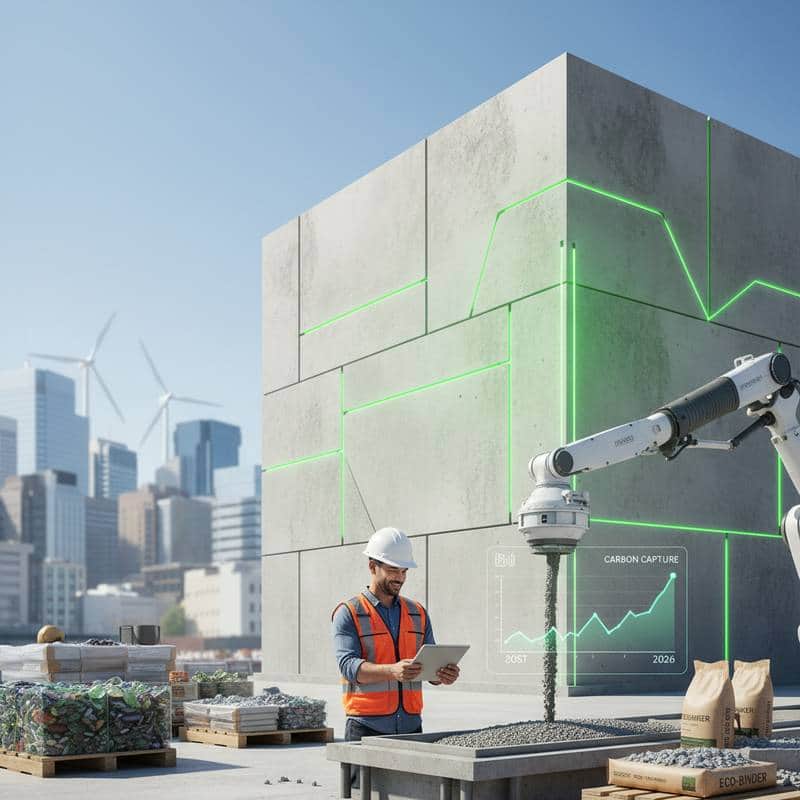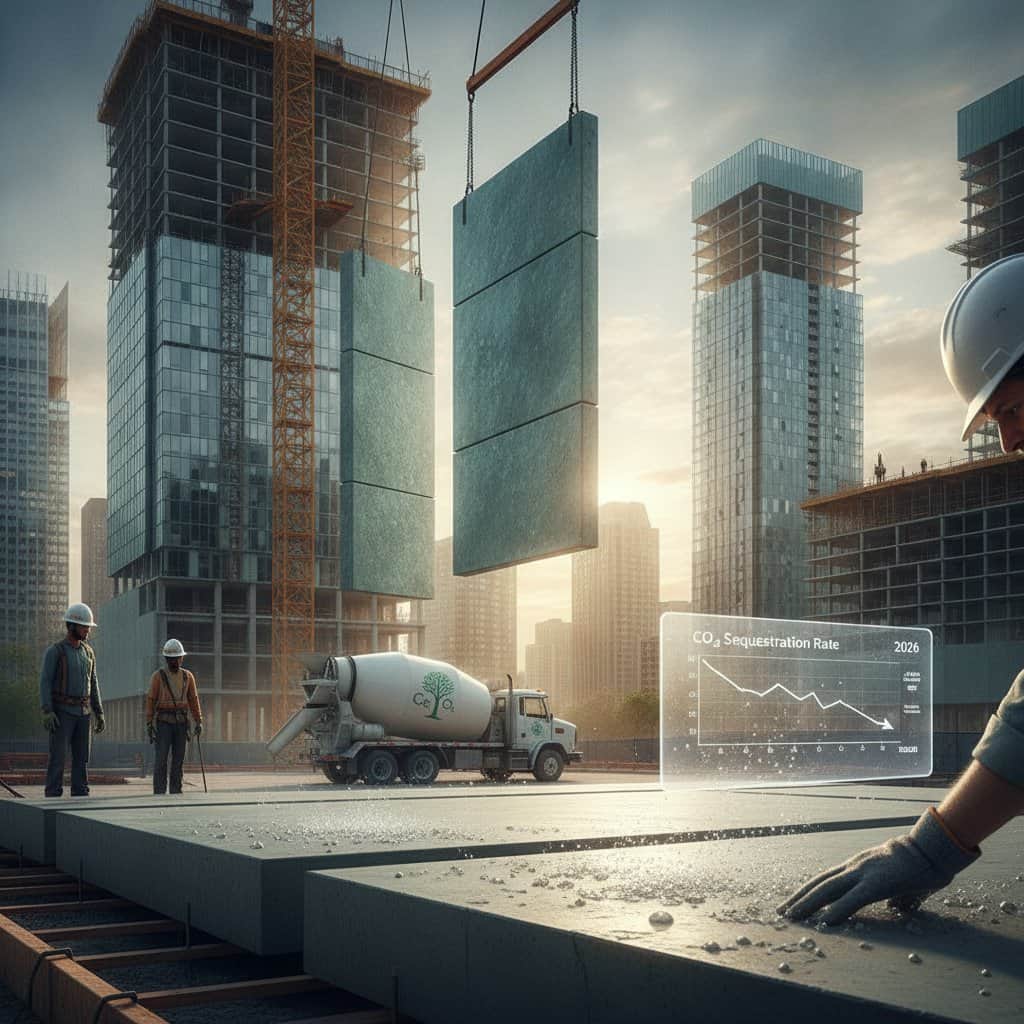
Carbon-Capture Concrete Cleans Air While It Cures
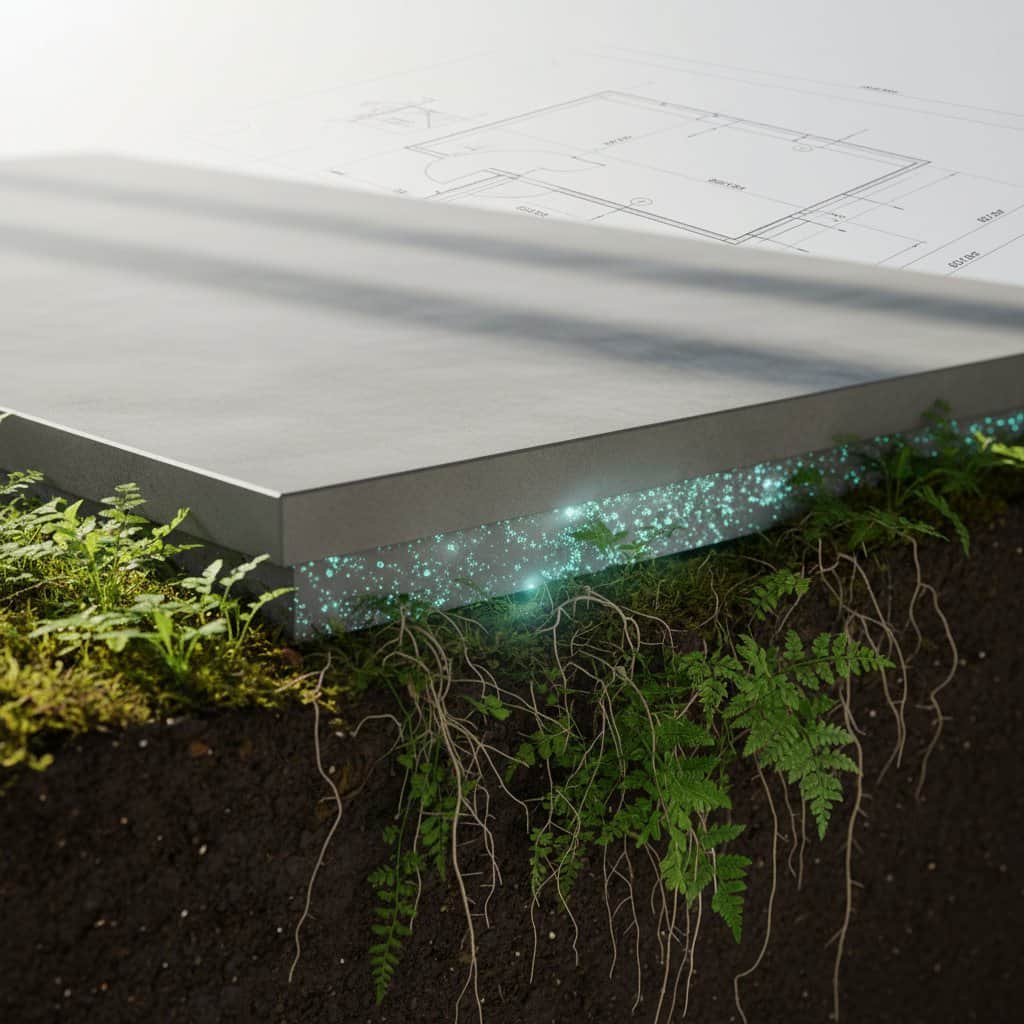
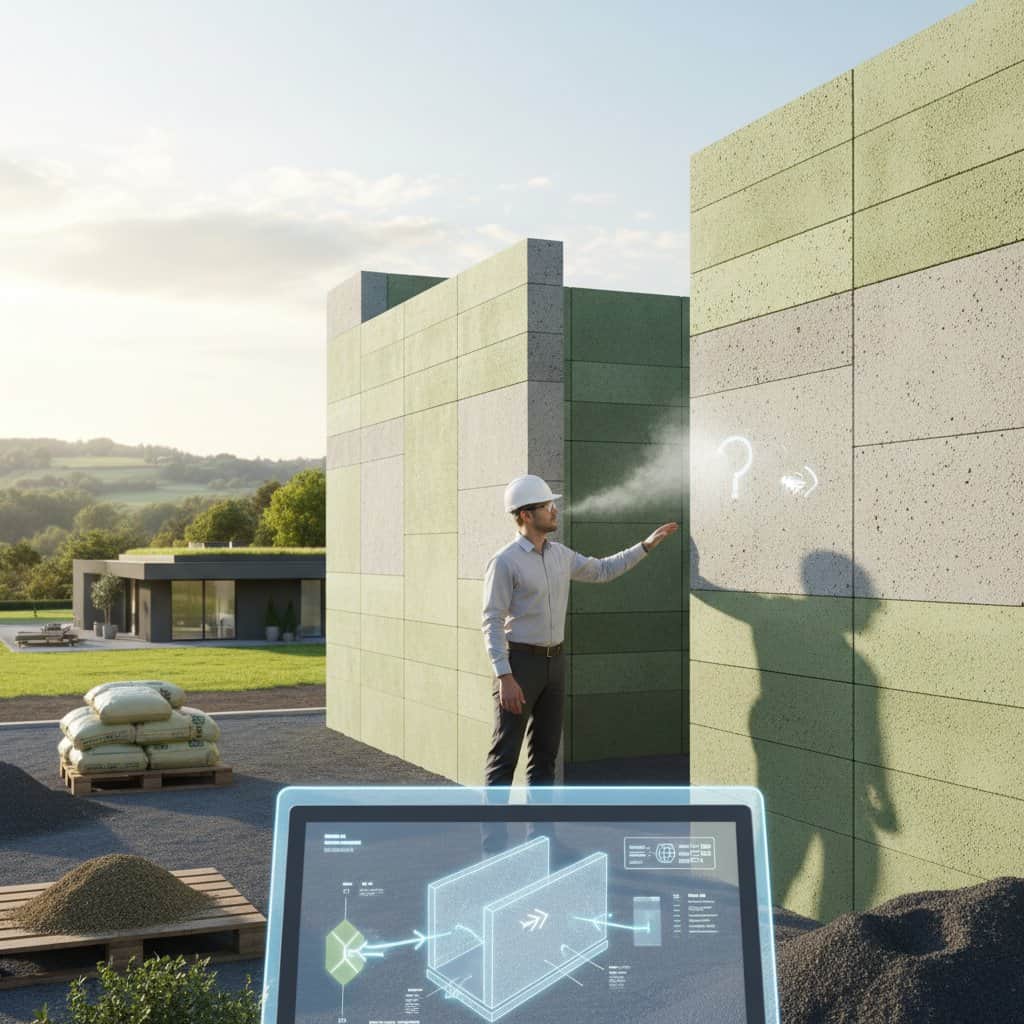
Carbon-capture concrete stores captured carbon dioxide within durable structures. It matches conventional performance while cutting emissions from foundations, slabs, and pavements.
Loading...
Articles tagged with sustainable-building-materials
Carbon-capture concrete stores captured carbon dioxide within durable structures. It matches conventional performance while cutting emissions from foundations, slabs, and pavements.
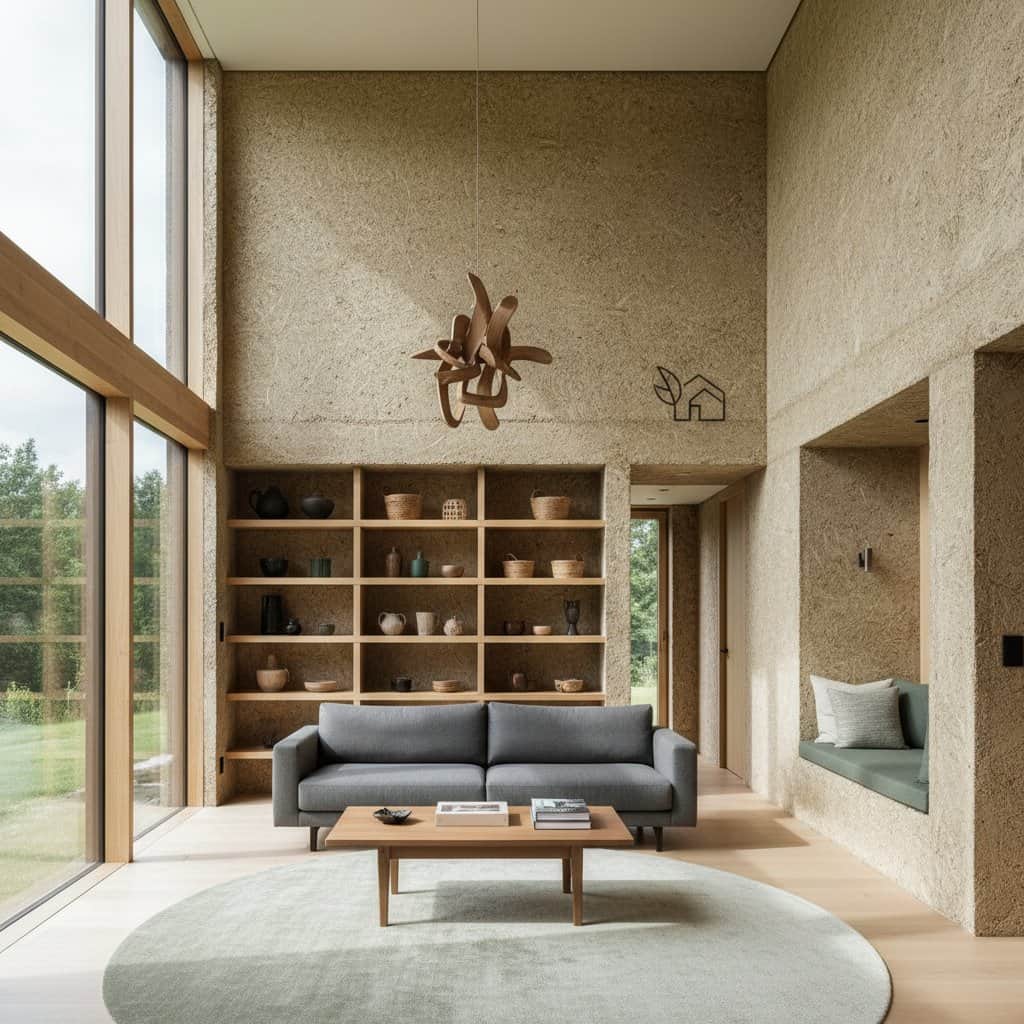
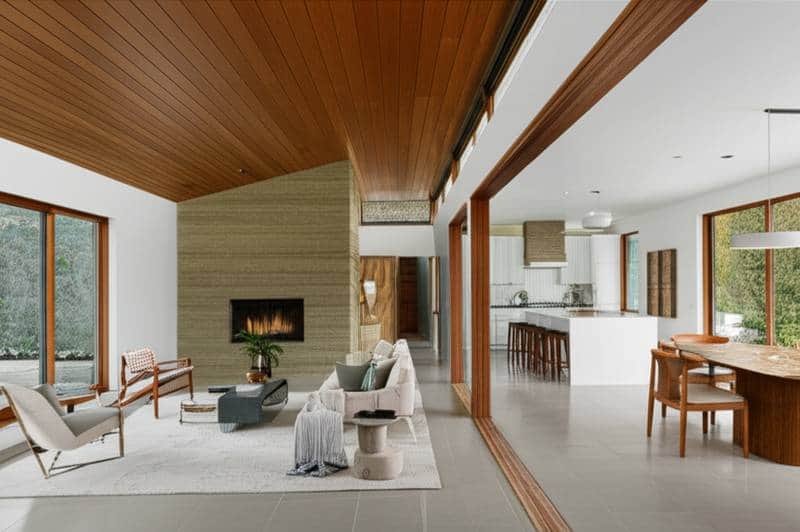
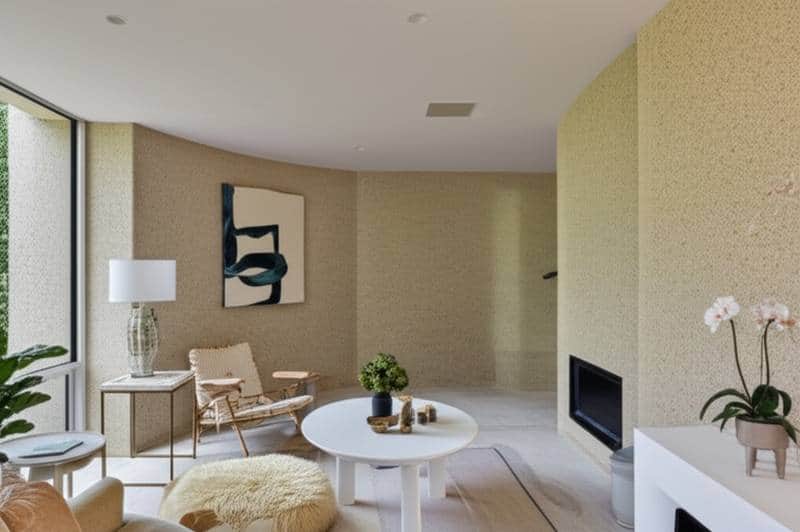
Hempcrete redefines eco-conscious building in 2026 with its blend of hemp, lime, and water forming breathable, carbon-negative walls. These structures provide excellent temperature regulation, fire and mold resistance, and centuries-long durability. Professionals and residents value its comfort, adaptability, and sustainable qualities, positioning it as a cornerstone of resilient, thoughtful design.
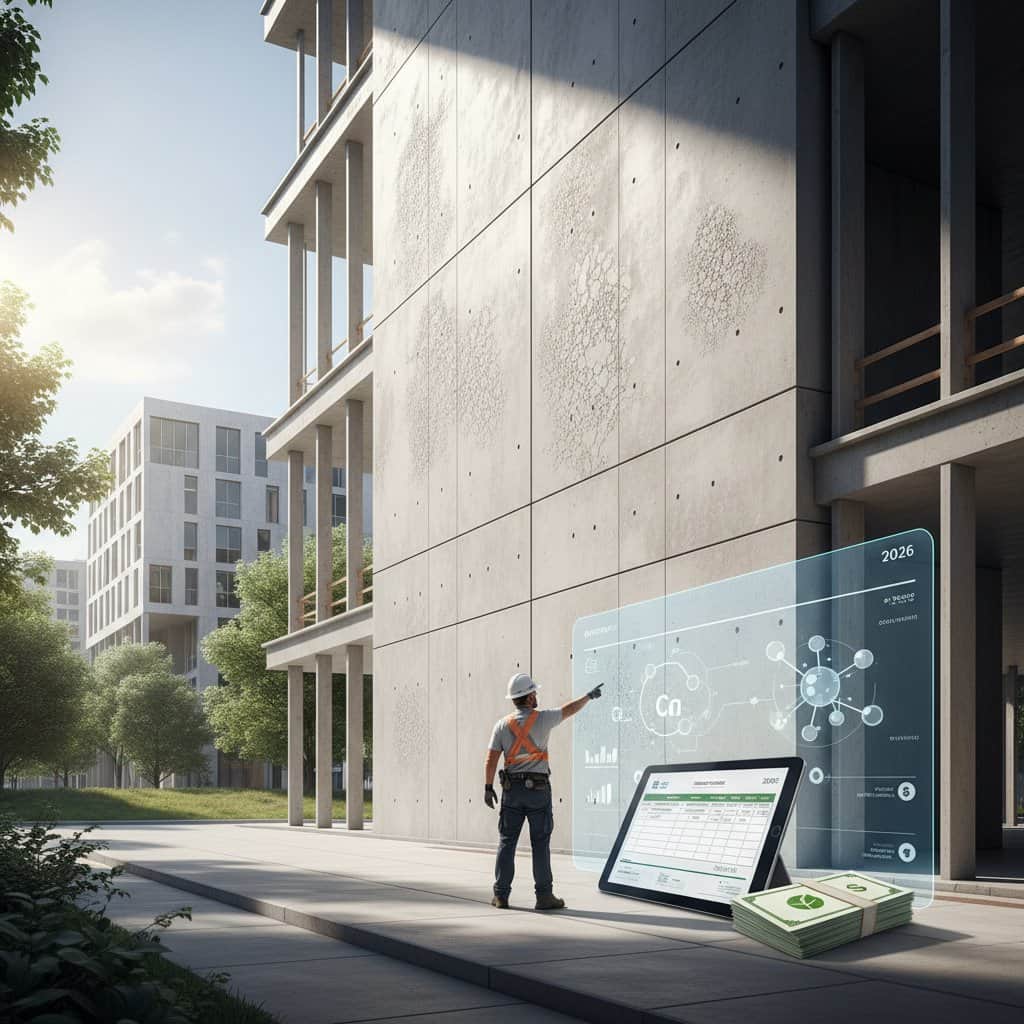
Carbon-negative concrete captures CO2 during production, offering robust performance and tax credits for green builds. Ideal for homes and commercial spaces, it combines durability, design flexibility, and environmental impact reduction.
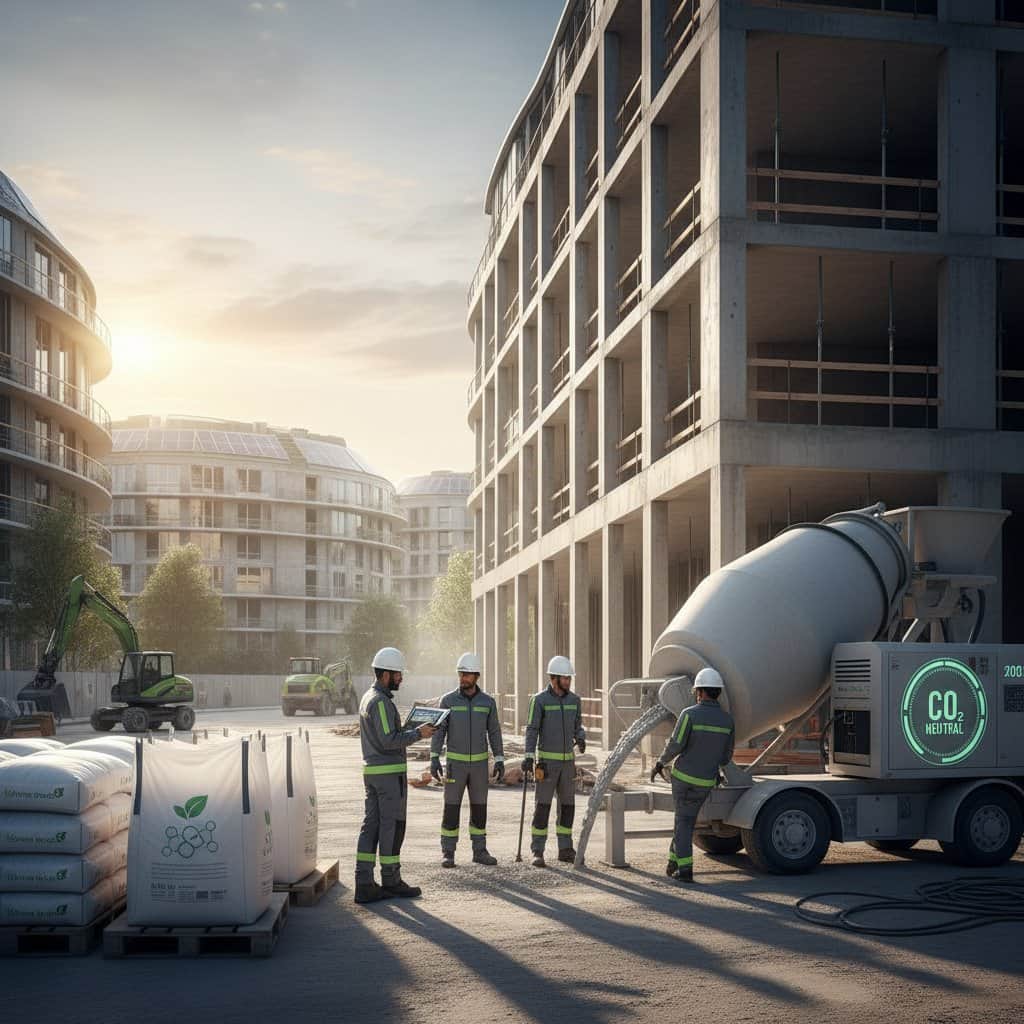
Builders increasingly select carbon-neutral concrete to reduce emissions while maintaining the strength and durability of traditional options. This material delivers equivalent performance with added benefits of long-term savings, regulatory compliance, and a reduced environmental impact. As preferences for sustainable housing rise, adopting eco-friendly concrete mixtures emerges as a strategic and competitive decision in construction.
Meet five trailblazing builders who are bringing hempcrete homes to life in 2026. This renewable material offers superior insulation, carbon sequestration, and a healthy indoor environment, reimagining sustainable living from cozy cabins to innovative urban builds.
Carbon-negative concrete absorbs more CO2 than it emits and could cost 20% less than traditional mixes by 2026. Incorporating alternative binders, recycled materials, and carbon-curing, it matches strength and durability while advancing eco-friendly construction for builders and homeowners.
Air-cleaning concrete transforms the construction industry by capturing up to 60% more emissions than it produces, while maintaining strength, cost-effectiveness, and design flexibility. This breakthrough material turns buildings into carbon sinks, and builders worldwide adopt it to create structures that actively improve air quality.
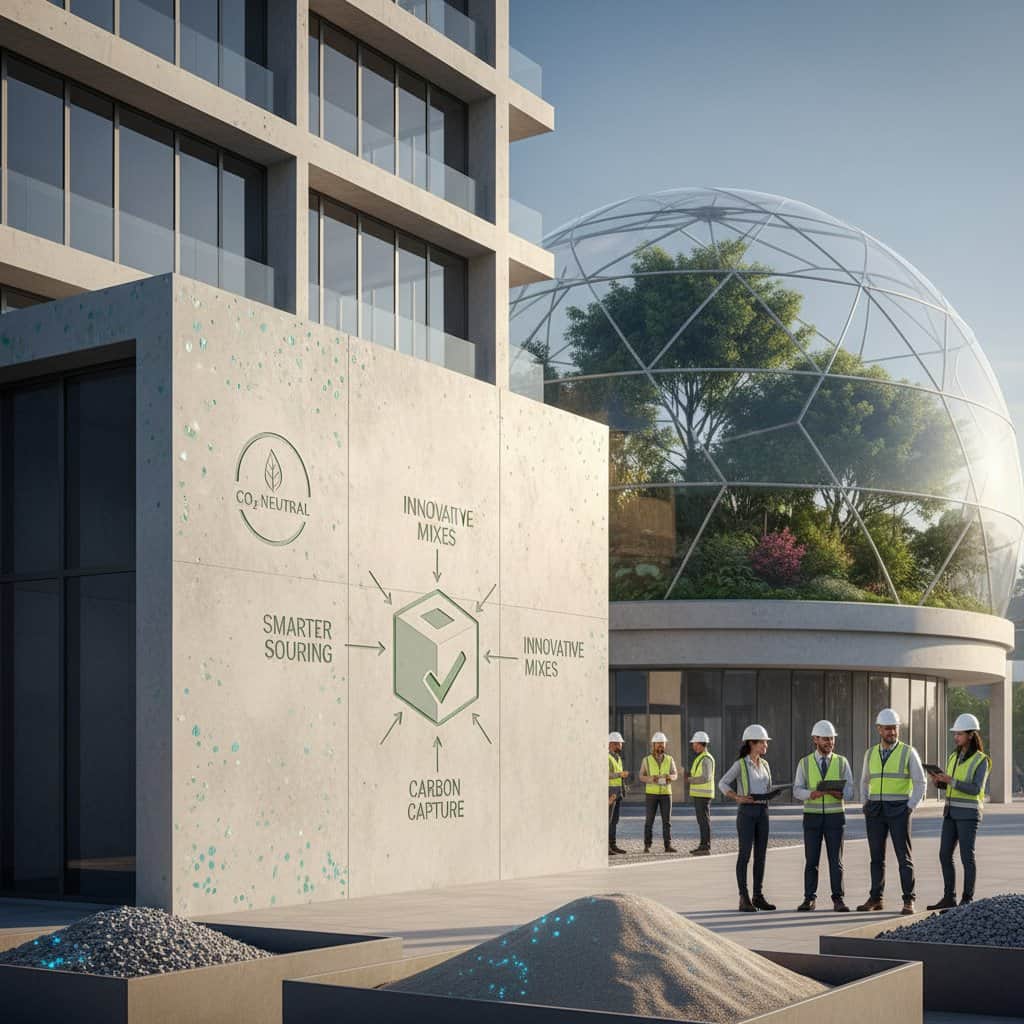
The 2026 carbon-neutral concrete standard transforms sustainable building by minimizing emissions through efficient sourcing, advanced formulations, and carbon sequestration. It delivers robust performance for projects, enabling builders and homeowners to prioritize environmental responsibility alongside aesthetic and structural excellence.
Hempcrete transitions from niche material to mainstream choice, enabling carbon-negative construction by 2026. Composed of hemp, lime, and water, it forms breathable, durable walls that sequester CO2 while providing energy efficiency and natural comfort in modern designs.
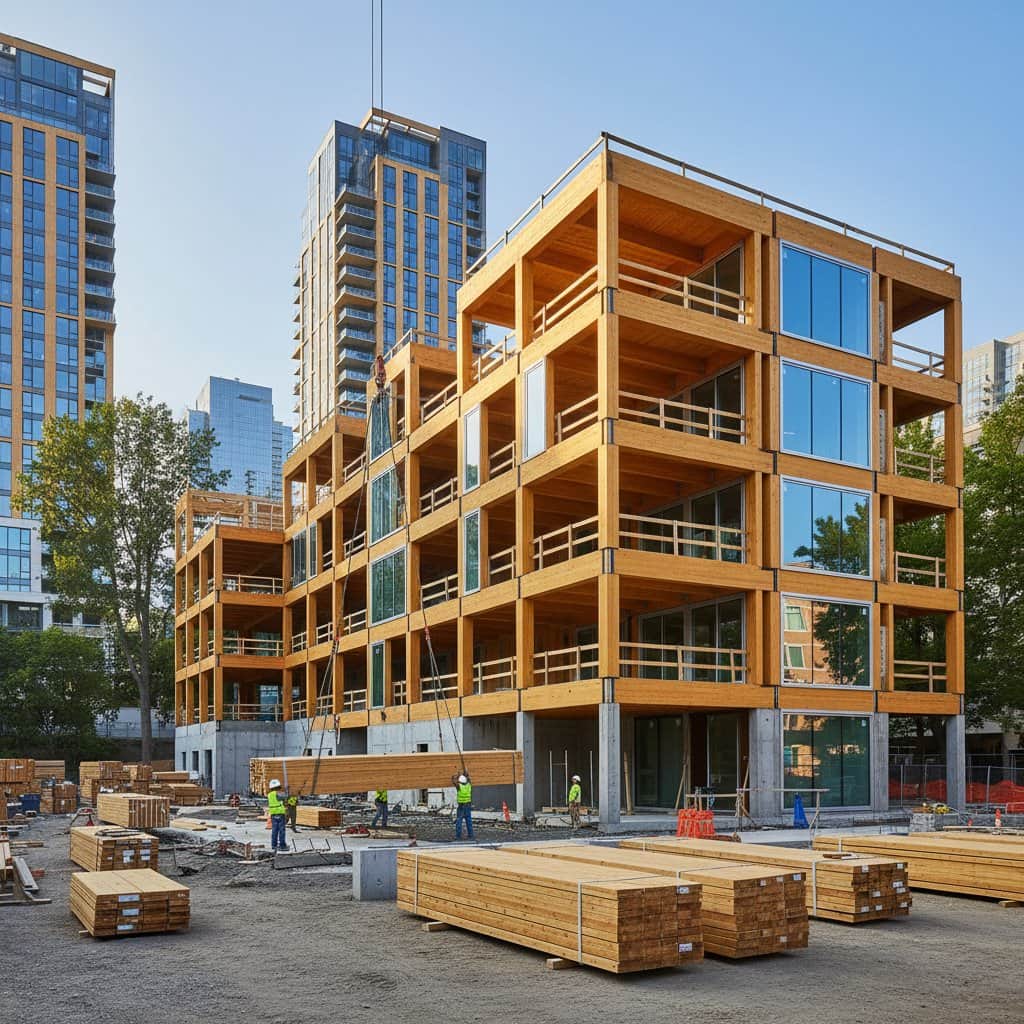
The 2025 building codes for mass timber enable taller, more sustainable wooden structures with reduced costs and faster assembly times. Engineered wood offers environmental advantages and aesthetic warmth, transforming construction practices for builders, homeowners, and urban planners.
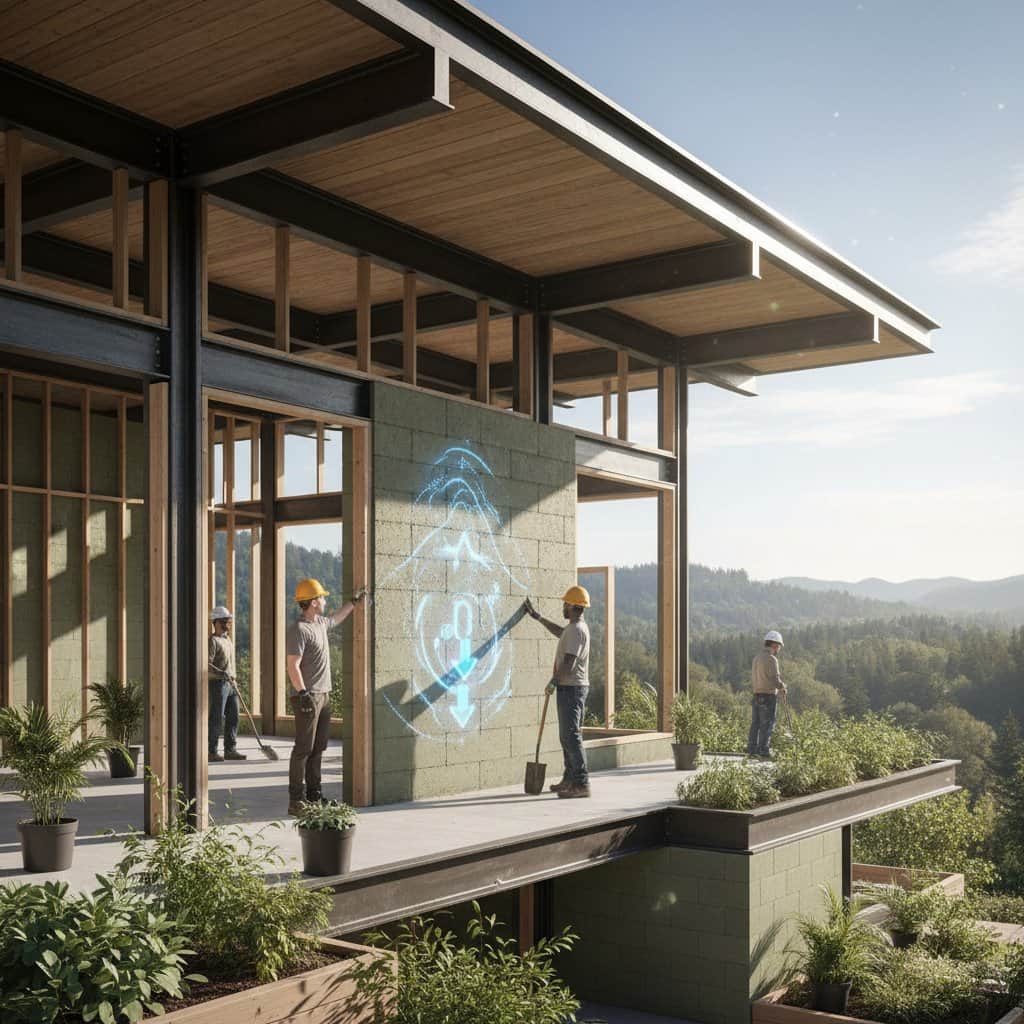
Hempcrete emerges as a transformative material in sustainable construction for 2025. It delivers carbon-negative properties, superior breathability, and natural insulation that promote comfortable, efficient homes. Although non-structural, hempcrete integrates seamlessly with wood or steel frames, reducing environmental impact while minimizing maintenance needs. Learn how this innovative choice redefines green building practices.
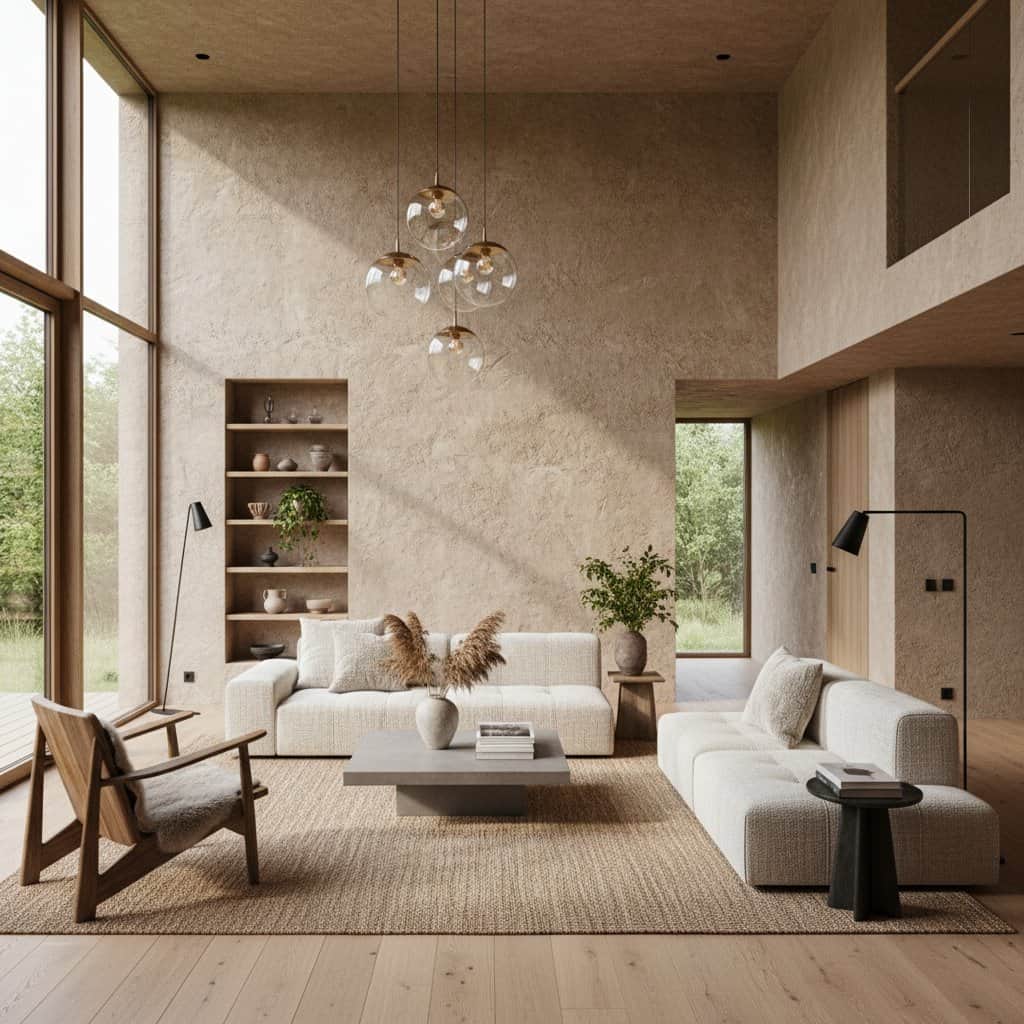
Hempcrete, composed of hemp hurds, lime, and water, revolutionizes sustainable building. With official approval in select regions, it delivers breathable, carbon-negative walls that naturally manage temperature and humidity. Lightweight, fire-resistant, and aesthetically versatile, hempcrete integrates design excellence with environmental responsibility, enabling builders and homeowners to craft inviting, eco-conscious environments.
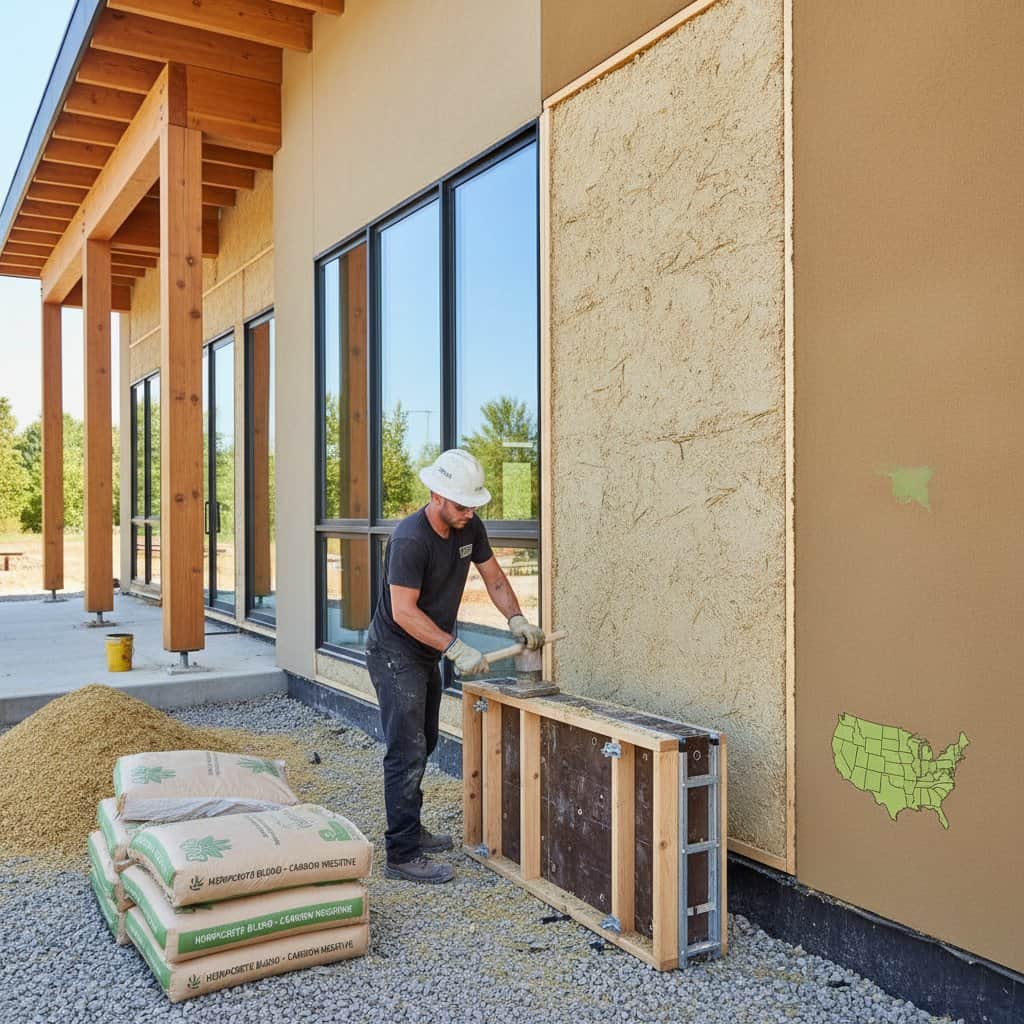
Hempcrete, a carbon-negative mixture of hemp, lime, and water, has received approval in 12 states as a viable alternative to traditional concrete. This lightweight, breathable material enhances energy efficiency and promotes healthier living spaces. Builders value its durability, low maintenance, and positive environmental impact, marking a significant advancement in green building practices across the nation.
Carbon-negative concrete redefines foundations by absorbing carbon instead of emitting it. This robust material supports sustainable building, from patios to structural bases, blending performance with environmental responsibility.
Hempcrete and ashcrete revolutionize building practices by providing breathable, low-carbon materials derived from hemp and recycled fly ash. These options deliver superior insulation, durability, and comfort, enabling environmentally conscious designs without compromising on performance.
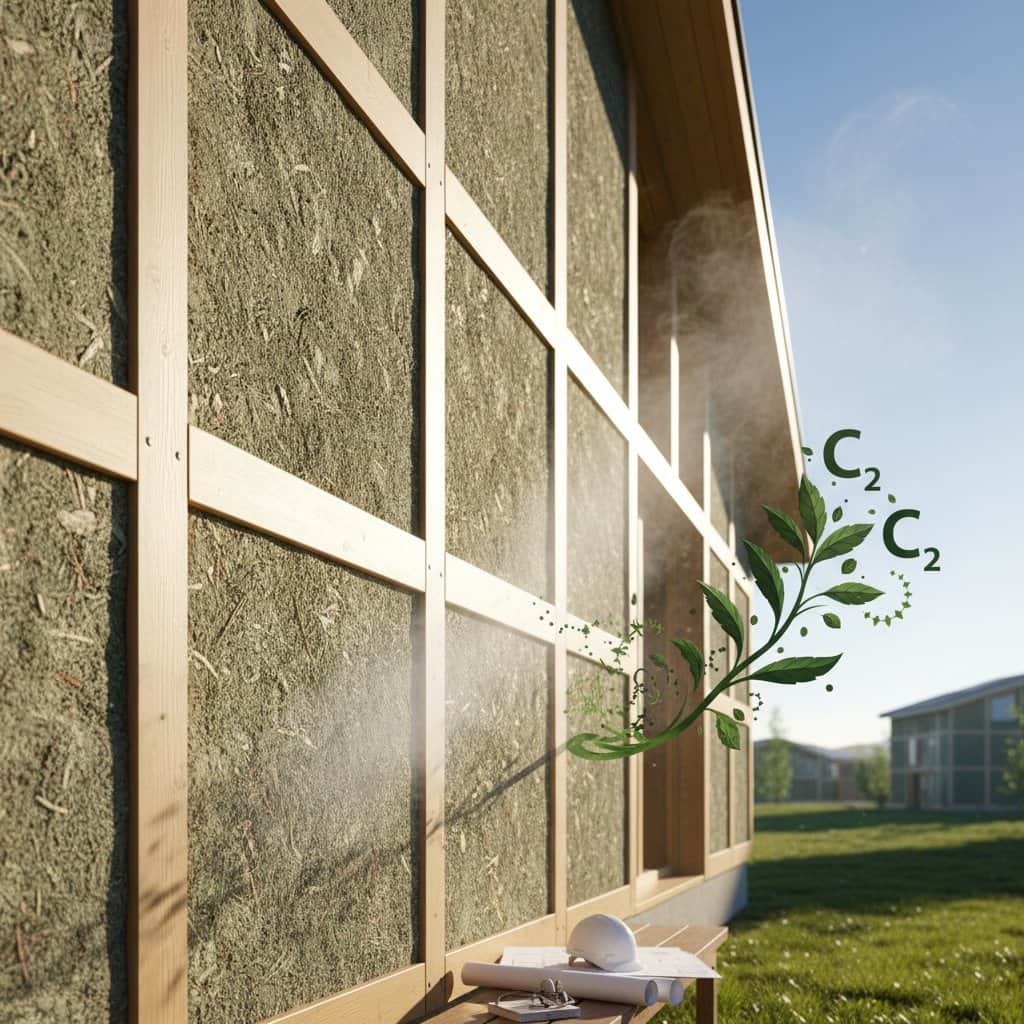
Hempcrete is redefining sustainable construction in 2025, offering carbon-negative homes that breathe, balance humidity, and naturally regulate temperature. Made from hemp, lime, and water, it locks away CO₂ while enhancing comfort and durability. Builders and homeowners alike are embracing this renewable material that transforms houses into climate-positive living spaces.
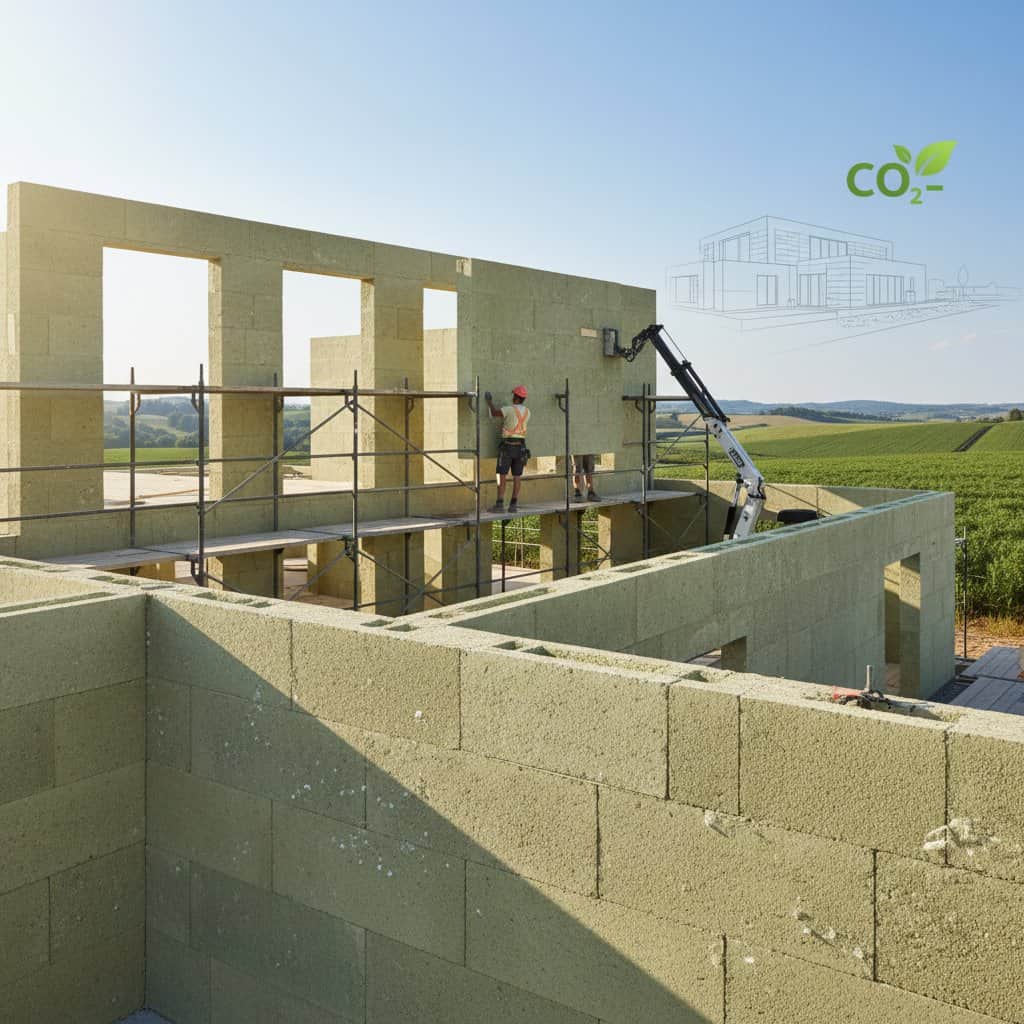
Hempcrete, a blend of hemp hurd, lime, and water, revolutionizes green building. This carbon-negative infill produces breathable walls that manage temperature, deter mold and fire, and lock away CO2. Discover why 2025 marks a pivotal year for adopting hempcrete in regenerative, enduring architecture.