Hempcrete Gains Official Approval: A Milestone for Sustainable Construction
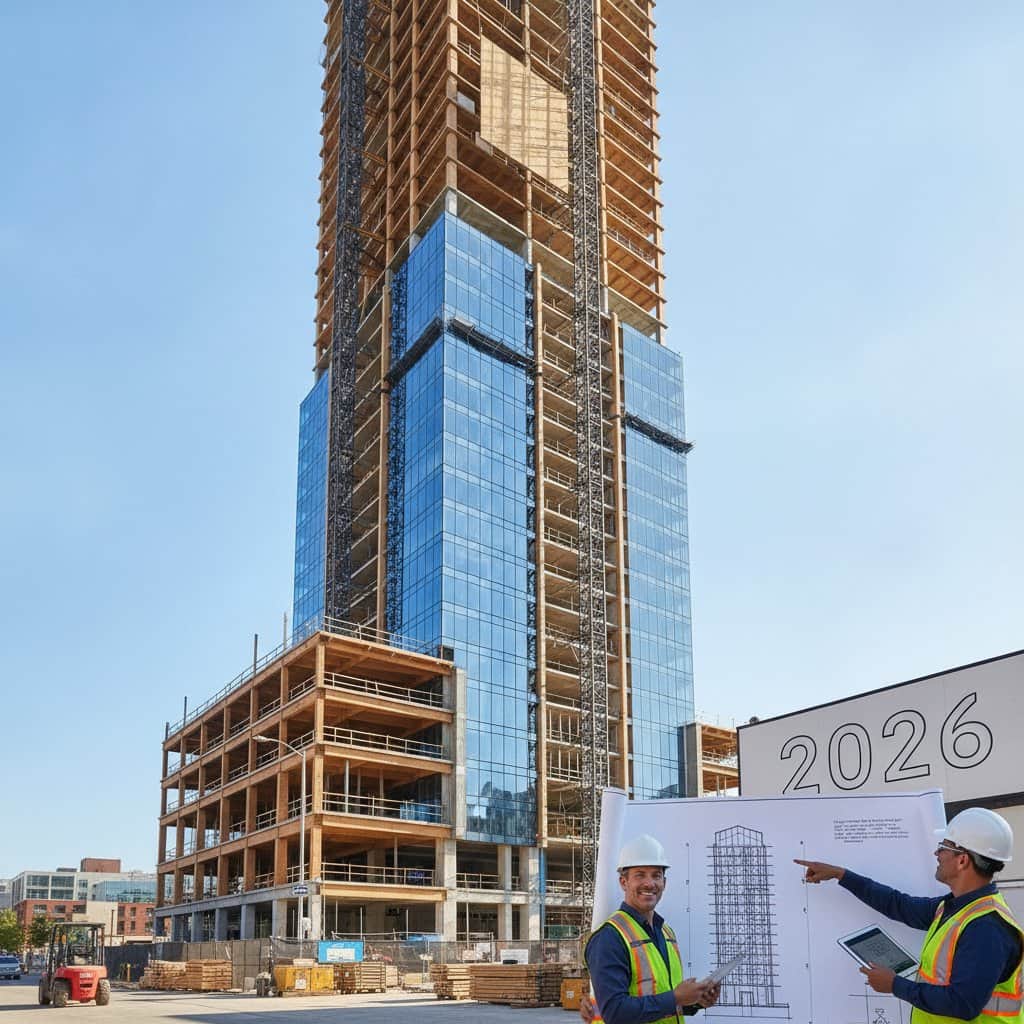
A visit to a construction site revealed the unique qualities of hempcrete. The air carried the fresh aroma of timber and lime, and touching the wall conveyed a softer, more organic texture than traditional concrete. The builder explained its benefits with enthusiasm: it regulates indoor climate naturally, maintaining comfort year-round. This experience highlights hempcrete's potential to elevate eco-friendly building practices.
For those considering sustainable homes or renovations, hempcrete presents a compelling option. It has generated interest in design communities, and official recognition in certain areas accelerates its transition from experimental to standard material.
Understanding Hempcrete Composition
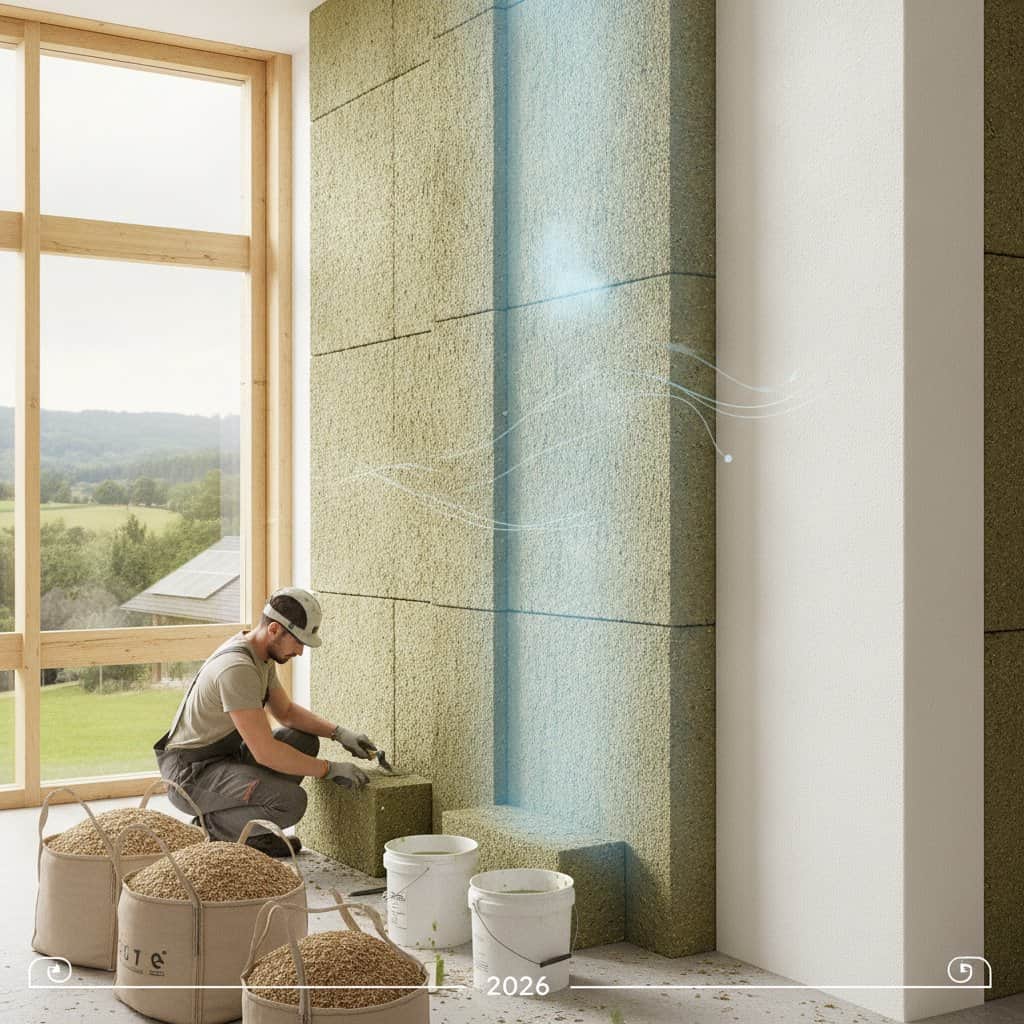
Hempcrete may initially seem unconventional, yet its formulation proves straightforward and effective. The process involves mixing the inner woody core of the hemp plant, known as hurds, with lime and water. This creates a lightweight, breathable mixture suitable for casting on-site or forming prefabricated panels. The outcome yields walls that provide superior insulation and sequester carbon throughout their lifecycle.
Hempcrete serves as a non-structural element, requiring a supporting frame of timber or steel. In applications such as infill walls, insulation layers, and non-load-bearing partitions, it excels by facilitating natural temperature and moisture regulation, qualities absent in conventional concrete.
Key Advantages for Builders and Designers
Hempcrete appeals through its blend of functional performance and visual appeal. Unlike energy-intensive concrete that often retains moisture, hempcrete functions like a permeable building envelope. It absorbs excess humidity and releases it as conditions change, promoting healthy indoor air quality. Additionally, the material resists fire and pests while avoiding the emission of harmful chemicals.
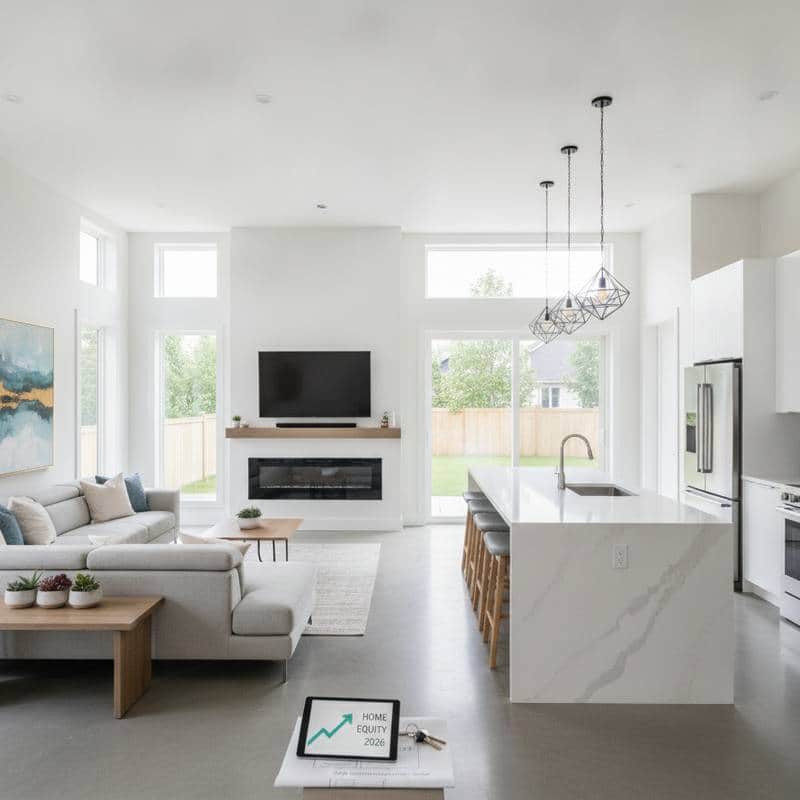
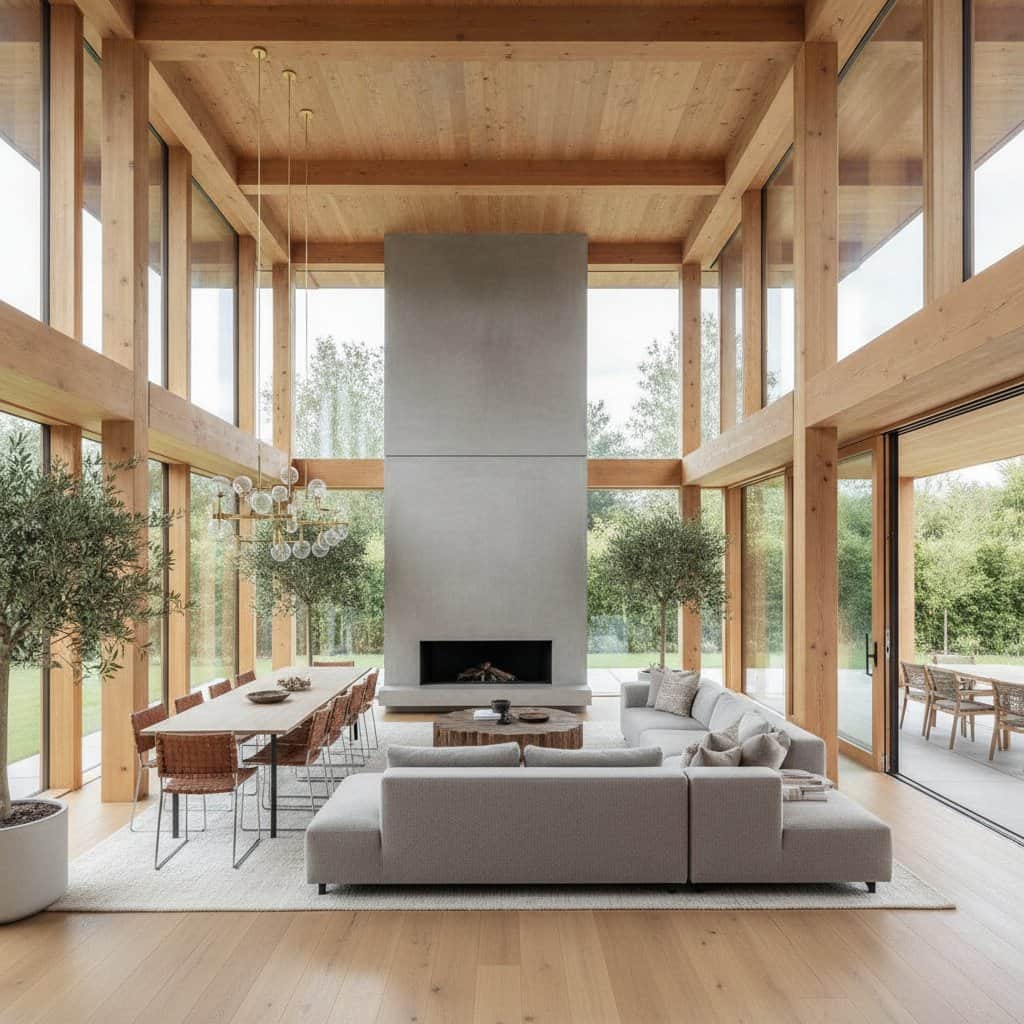
Designers value its tactile and aesthetic properties. The finished surface offers a subtle, organic texture that harmonizes with plasters, wood elements, or exposed masonry. Envision a living room bathed in sunlight, where walls diffuse light softly to create a serene, grounded atmosphere.
Comparing Hempcrete to Traditional Concrete
To evaluate hempcrete against standard concrete, consider performance across essential attributes.
Weight and Structural Role
Hempcrete weighs significantly less, simplifying transportation and installation while minimizing foundation demands. Although it lacks the compressive strength for load-bearing uses, it thrives in roles focused on insulation and infill.
Thermal and Moisture Management
Concrete typically requires supplementary insulation materials. Hempcrete integrates thermal efficiency and vapor permeability, ensuring cooler interiors in warm weather and retained warmth in cooler conditions, all without relying on synthetic barriers.
Ecological Footprint
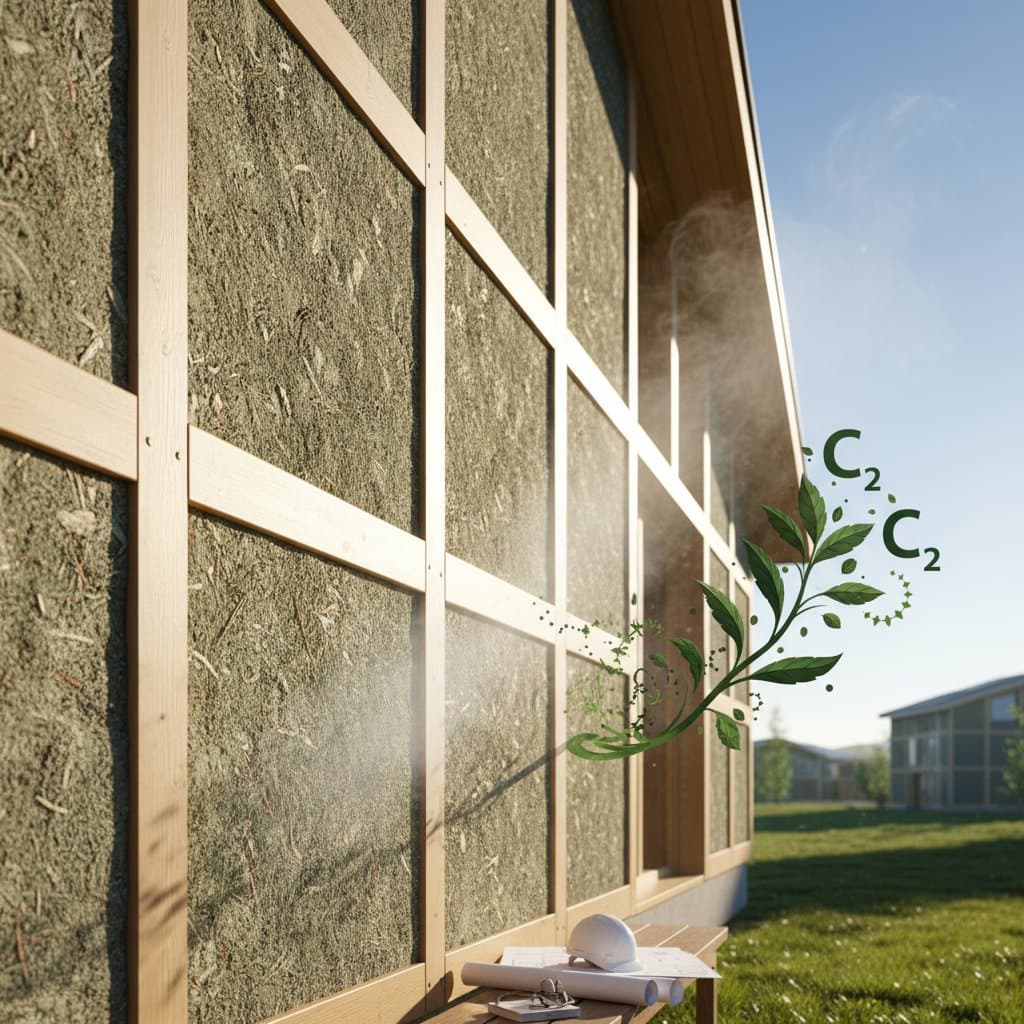
The production of concrete contributes substantial carbon emissions. Hempcrete, however, sequesters carbon during hemp cultivation and maintains this storage in the built structure. The lime component further absorbs carbon dioxide during curing, positioning hempcrete as a genuinely carbon-negative choice.
Integrating Hempcrete into Contemporary Spaces
Hempcrete adapts seamlessly to diverse architectural visions, from countryside dwellings to urban updates or compact outbuildings. It complements elements like visible structural beams, earthen flooring, and salvaged wood, yet also enhances sleek, modern interiors with their emphasis on simplicity and muted palettes.
Current trends favor natural hues such as terracotta, beige, and sage. Hempcrete's inherent fibers introduce gentle tonal shifts that enhance under natural illumination. Options include leaving surfaces exposed for raw appeal or coating with lime plaster for refined smoothness.
Essential Factors for Implementation
Before selecting hempcrete, address several practical aspects to ensure success.
Budget and Sourcing
In some locations, initial costs exceed those of conventional systems due to specialized labor. The raw materials remain affordable, and increasing adoption promises greater availability and reduced pricing over time.
Environmental Suitability
The material performs optimally in settings where breathability aids climate control. In highly humid or frigid areas, incorporate protective measures like adequate ventilation and lime renders to prevent excess water retention.
Regulatory Compliance
Official approvals simplify permitting processes in approved jurisdictions. Collaborate with knowledgeable architects or contractors familiar with regional codes to align designs with requirements.
Strategies for Introducing Hempcrete
For those new to hempcrete, begin with modest applications to assess its impact.
- Outdoor Structures: Construct garden enclosures or workshops using hempcrete blocks to experience its insulating properties on a small scale.
- Internal Divisions: Substitute interior gypsum board with hempcrete panels during remodels, observing improvements in acoustics and air circulation.
- Accent Features: Install a hempcrete wall as a design highlight in communal areas, complemented by natural fabrics or wooden accents.
Such approaches allow evaluation of hempcrete's contribution to spatial comfort beyond mere sustainability.
Experiencing the Benefits of Hempcrete
Hempcrete walls foster a sense of equilibrium in living spaces, countering the aridity of artificial insulators or the starkness of solid masonry. They adapt to daily patterns, sustaining fresh air and consistent temperatures with minimal intervention.
Upkeep involves simple tasks, such as periodic lime washes to renew appearance. With age, the surfaces acquire a gentle aging that reflects the home's history. Many residents note a subtle, natural scent reminiscent of damp soil after rainfall.
Advancing Toward Carbon-Conscious Building
Hempcrete aligns with the growing emphasis on regenerative construction. As awareness of environmental impacts rises, this material offers a viable path to lower emissions while enhancing occupant well-being.
For upcoming projects, explore beyond routine options by consulting regional providers and inspecting completed installations. The tactile experience often proves persuasive, blending solidity with subtle flexibility.
Sustainable architecture evolves to harmonize human needs with planetary health. Hempcrete exemplifies this progress, transforming a humble crop into enduring, earth-friendly structures. Consider it for your next endeavor: walls that regulate naturally, paired with effortless warmth and balanced air, redefining not just construction but daily life.