Hempcrete & Mycelium Replace Concrete's Carbon Cost
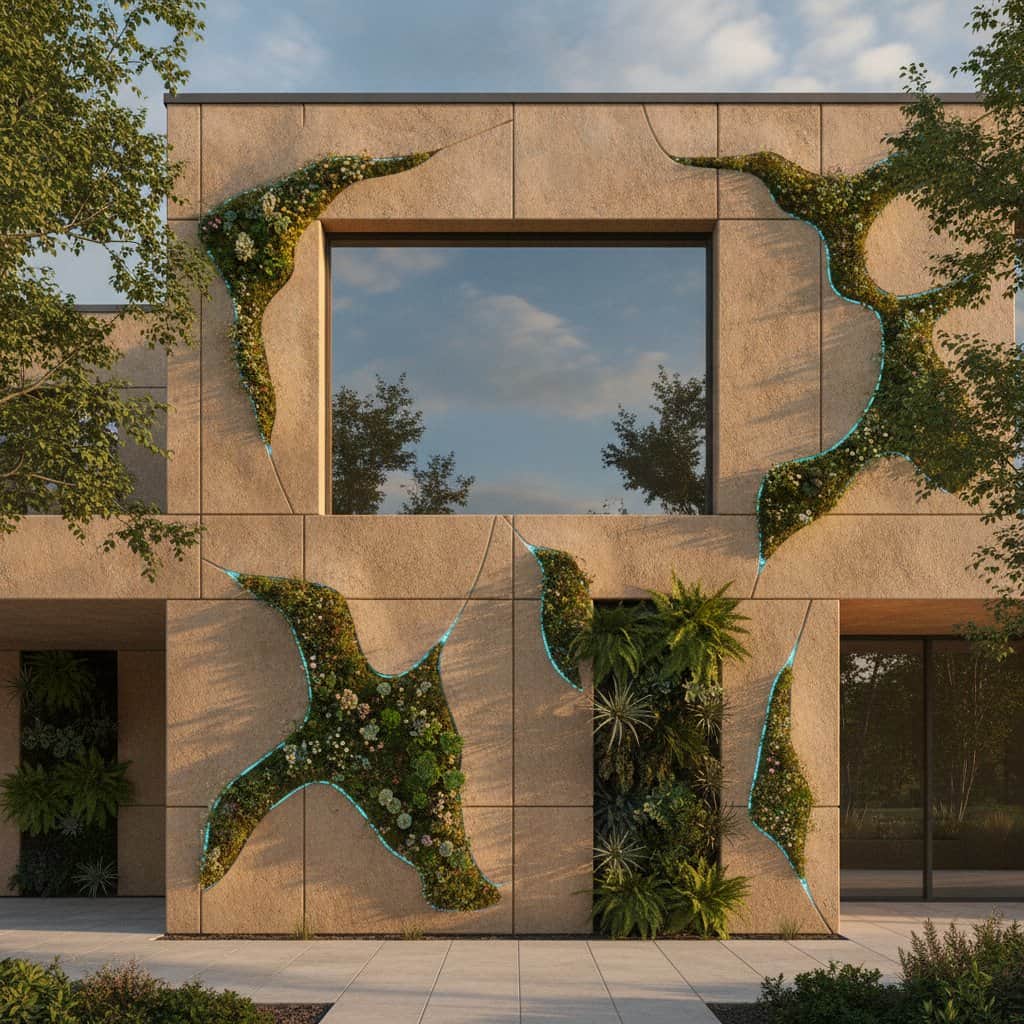
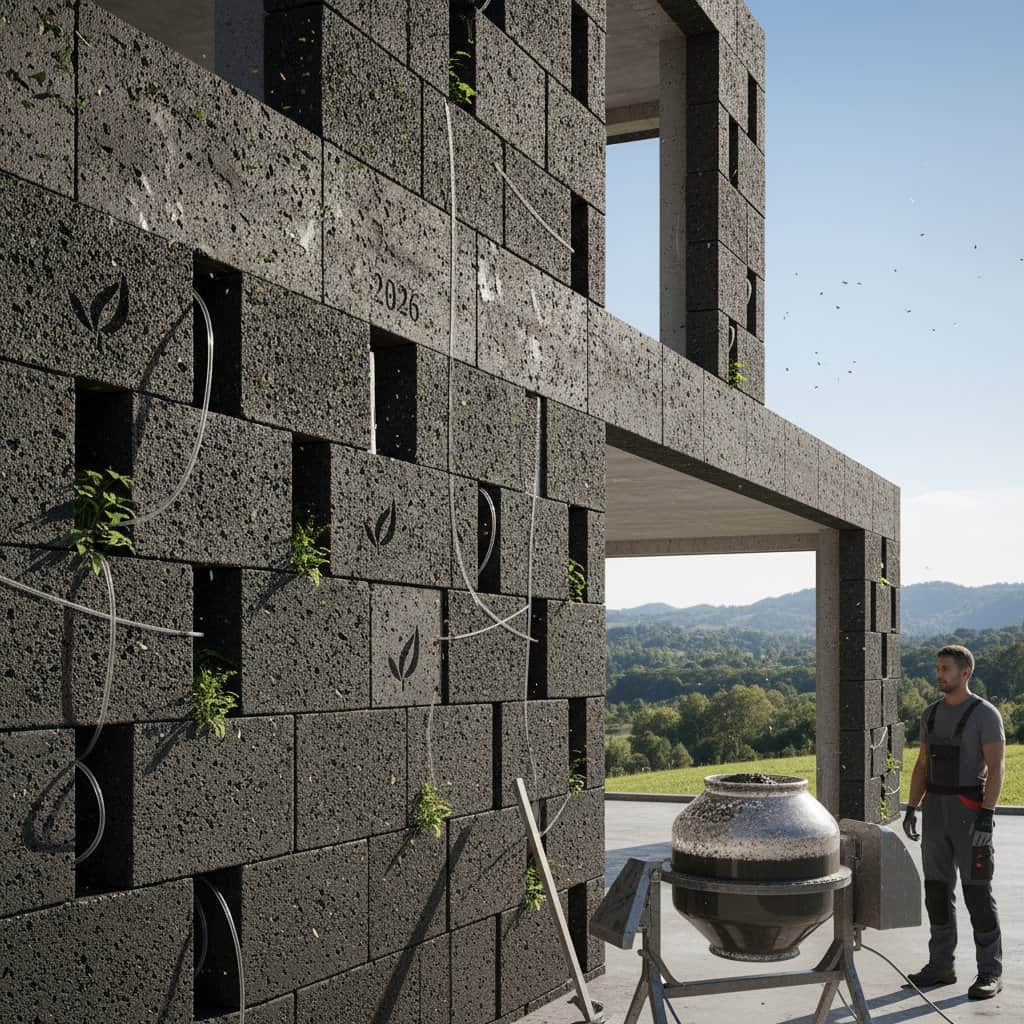
Hempcrete and mycelium redefine sustainable building with carbon-sequestering, breathable materials that enhance insulation, air quality, and natural aesthetics beyond concrete's capabilities.
Loading...
Articles tagged with concrete
Hempcrete and mycelium redefine sustainable building with carbon-sequestering, breathable materials that enhance insulation, air quality, and natural aesthetics beyond concrete's capabilities.
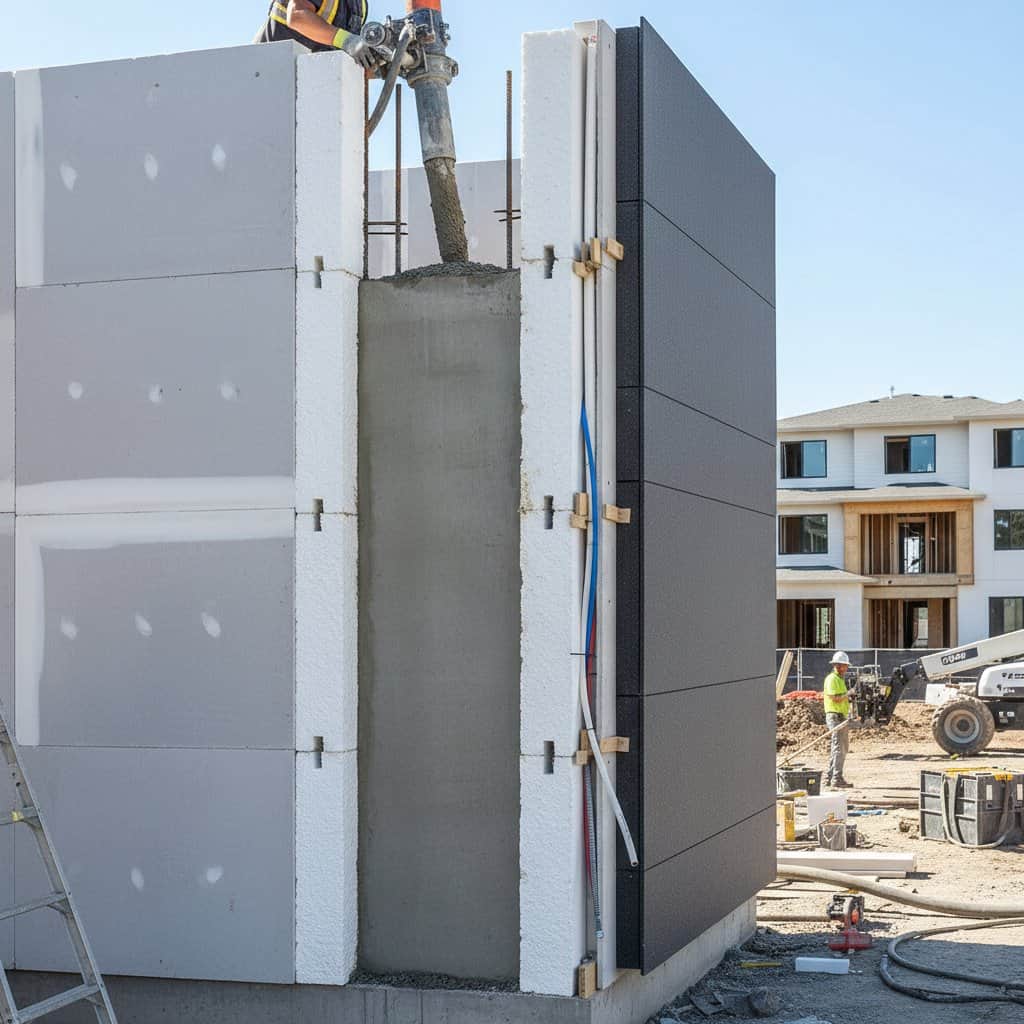
Construct energy-efficient homes with insulated concrete forms (ICFs). These innovative systems combine foam insulation and concrete to decrease energy usage by as much as 70 percent, while improving indoor comfort and qualifying for substantial tax incentives. ICF structures offer superior strength, soundproofing, and longevity, providing returns on investment through reduced utility bills and maintenance costs.
Hempcrete and mycelium emerge as vital alternatives to concrete, providing carbon-sequestering, breathable materials that enhance insulation, fire resistance, and biodegradability in modern construction.
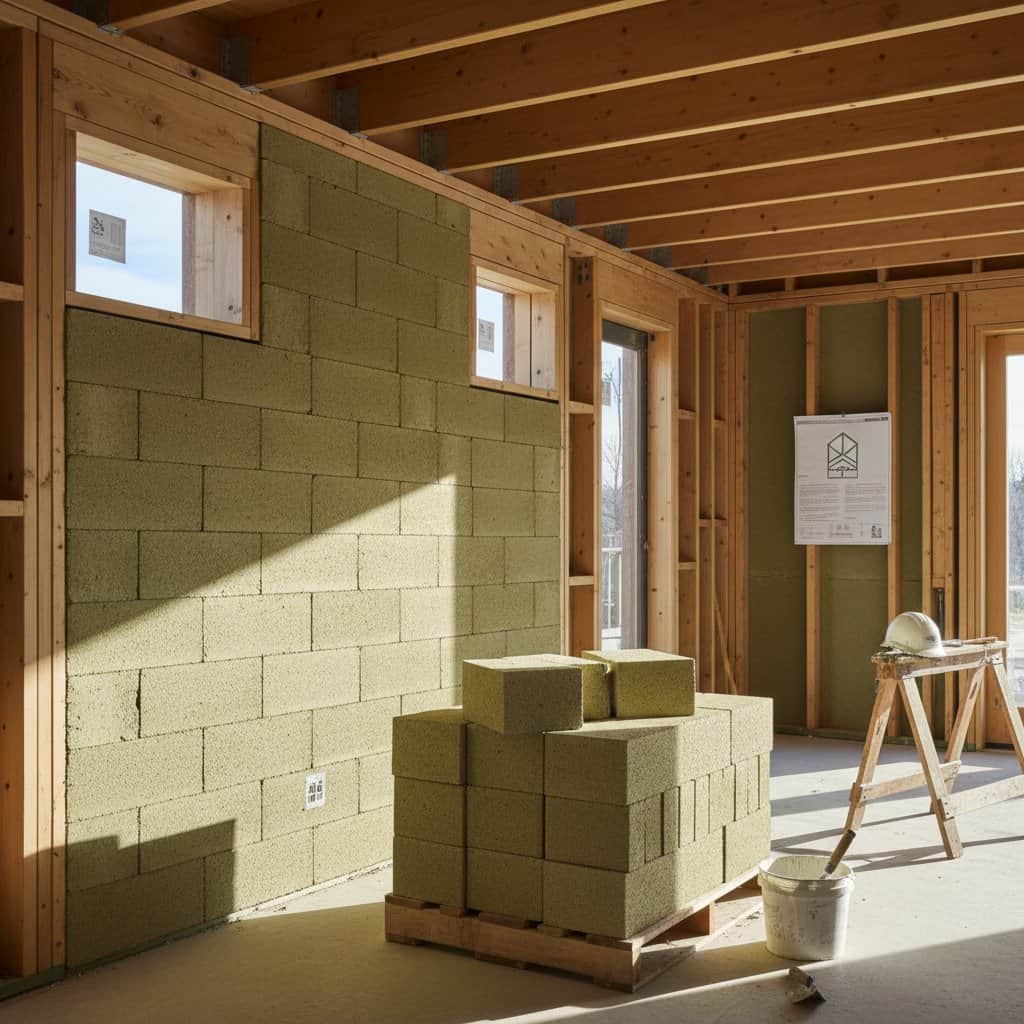
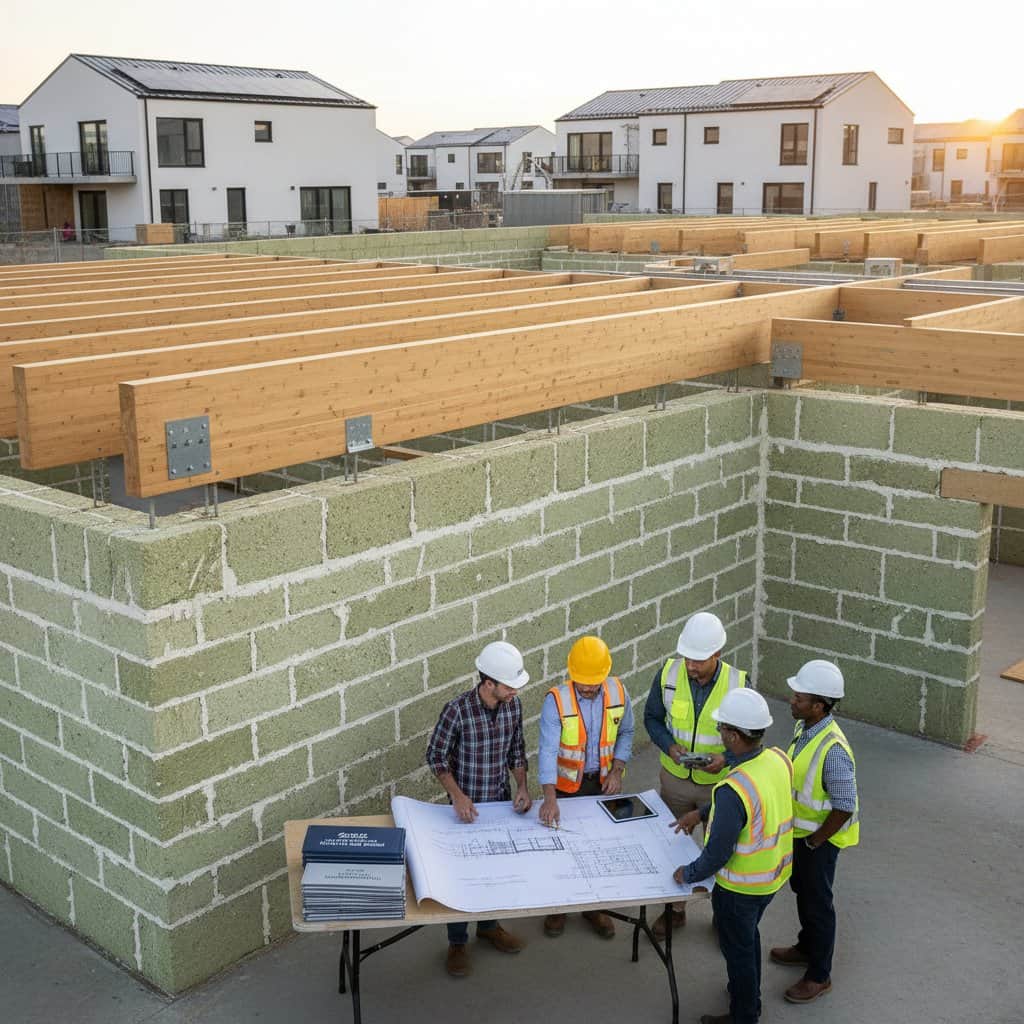
Hempcrete, composed of hemp hurds, lime, and water, revolutionizes sustainable building. With official approval in select regions, it delivers breathable, carbon-negative walls that naturally manage temperature and humidity. Lightweight, fire-resistant, and aesthetically versatile, hempcrete integrates design excellence with environmental responsibility, enabling builders and homeowners to craft inviting, eco-conscious environments.
Hempcrete and mycelium redefine eco-building by creating breathable, insulating structures that harmonize with nature. Hempcrete delivers robust, climate-adaptive walls, and mycelium provides versatile, decomposable elements. These materials blend durability with beauty, advancing sustainable living practices.
Hempcrete and mycelium revolutionize sustainable architecture with natural, breathable materials that sequester carbon and enhance indoor health. These innovations transition from experimental uses to essential components in energy-efficient, biodegradable building designs.
Fortify your home against the threats of wildfires and floods through strategic planning and advanced materials. Elevated foundations, fire-resistant exteriors, and efficient drainage systems form the backbone of resilience. Discover practical methods to integrate safety with comfort and style for a home that endures environmental challenges.
Hempcrete and mycelium emerge as groundbreaking alternatives to concrete and drywall in sustainable construction. These materials provide breathable structures, superior insulation, and minimal environmental impact. With decreasing costs and increasing availability, they transition from experimental options to practical choices for builders seeking durable, green solutions.
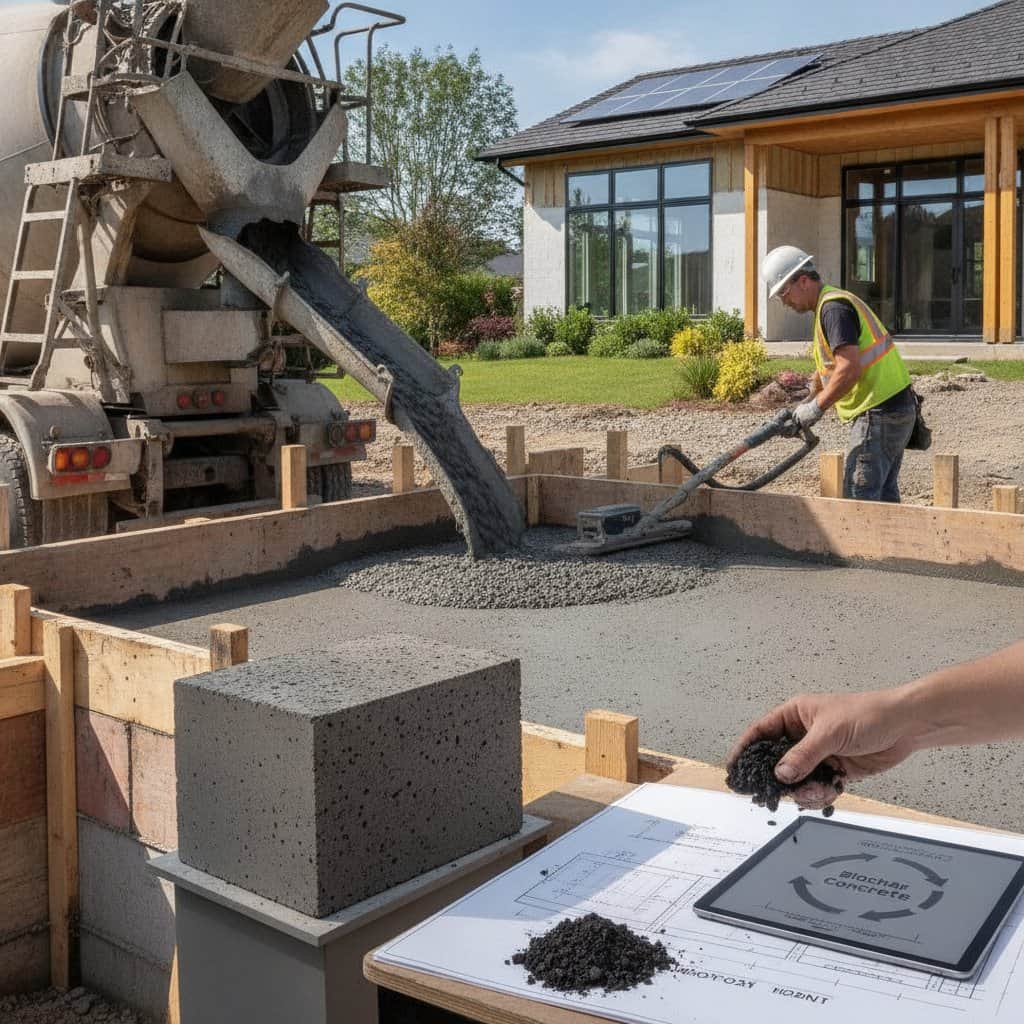
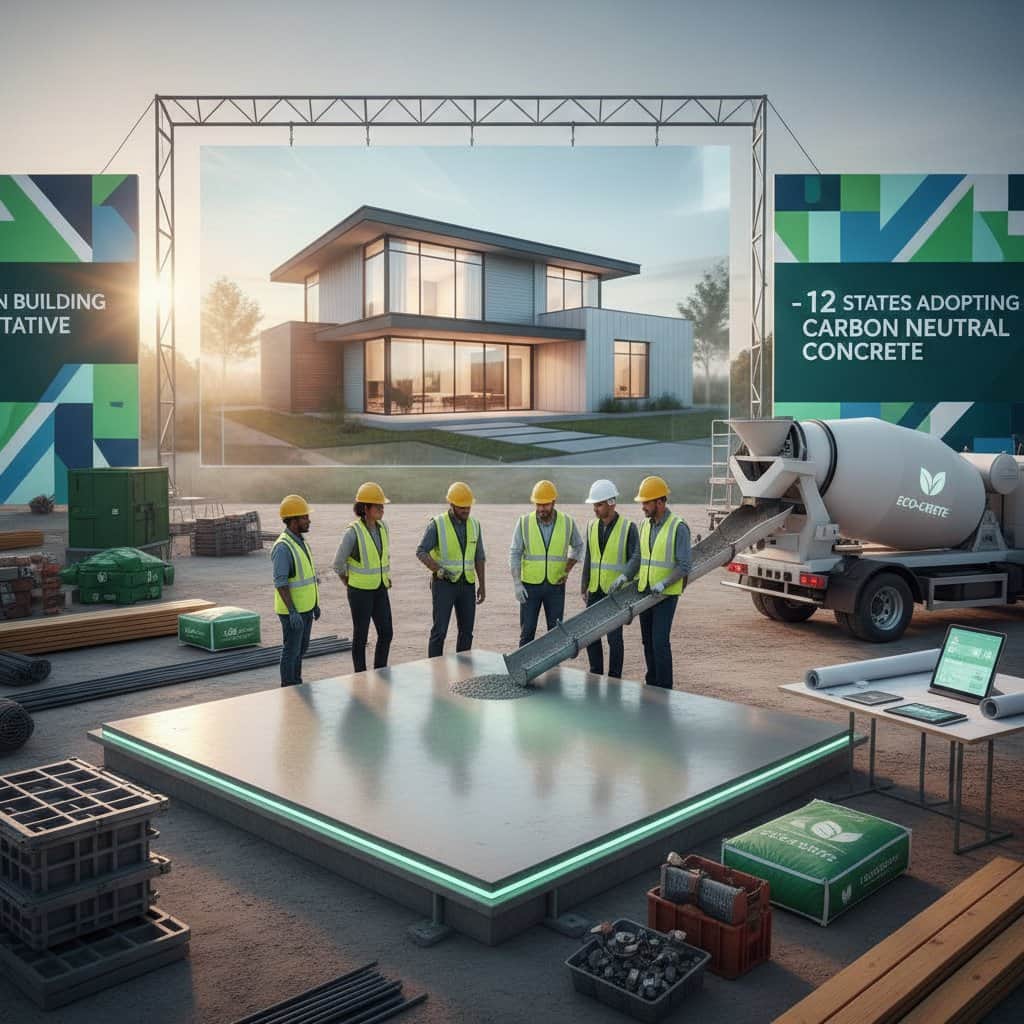
Hempcrete, a carbon-negative mixture of hemp, lime, and water, has received approval in 12 states as a viable alternative to traditional concrete. This lightweight, breathable material enhances energy efficiency and promotes healthier living spaces. Builders value its durability, low maintenance, and positive environmental impact, marking a significant advancement in green building practices across the nation.
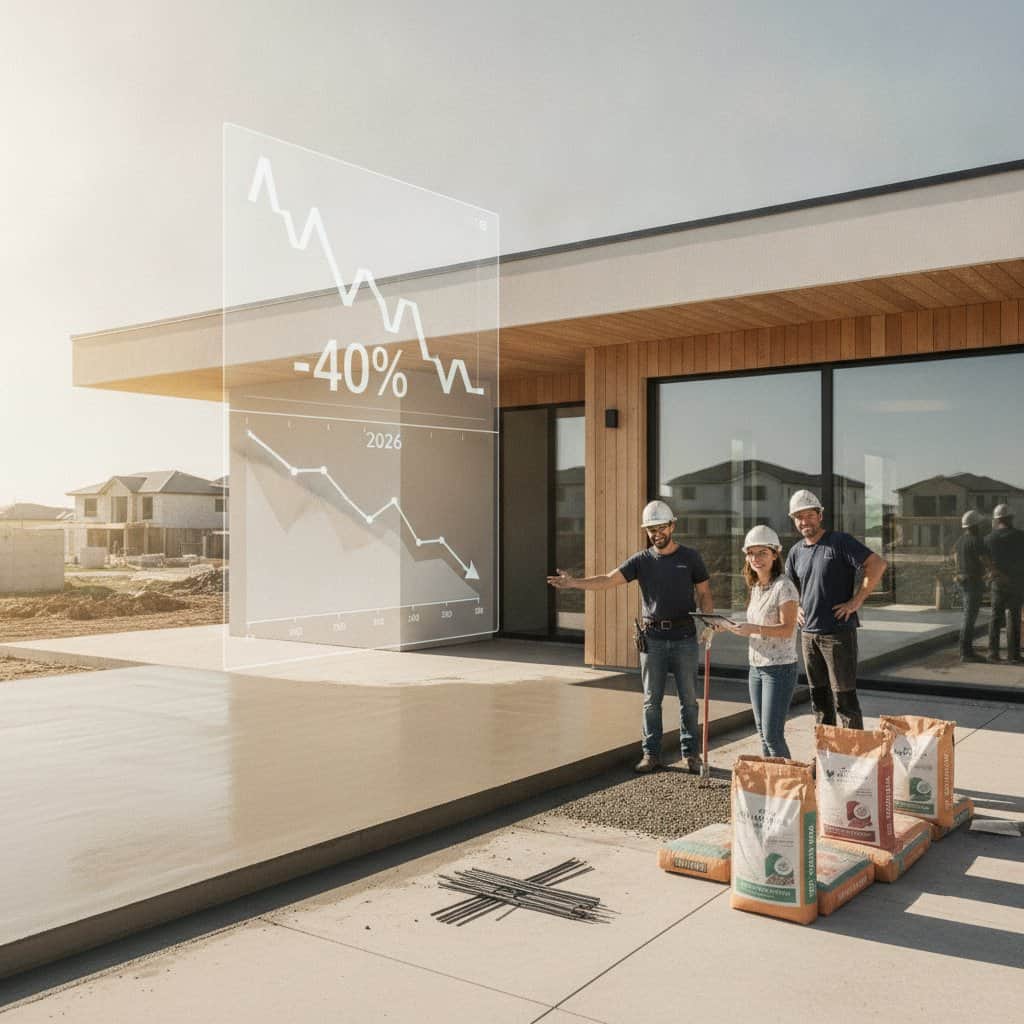
A 40% decline in concrete prices transforms delayed foundation repairs and renovations into feasible projects. Homeowners can now afford robust solutions for slabs, patios, and full foundations, extending budgets while improving durability. This guide outlines planning steps, cost breakdowns, and hiring advice to capitalize on the savings.
As construction methods evolve in 2025, builders face a choice between innovative 3D printed concrete walls and traditional drywall. While 3D concrete demands higher initial investment, it offers superior durability and energy efficiency for long-term savings. Drywall provides affordability and ease of installation, yet requires more upkeep over time; the best option hinges on project specifics like location and lifespan expectations.
Concrete's environmental impact prompts a shift to hempcrete and mycelium, renewable materials from plants and fungi that provide insulation, breathability, and sustainability for innovative building projects.
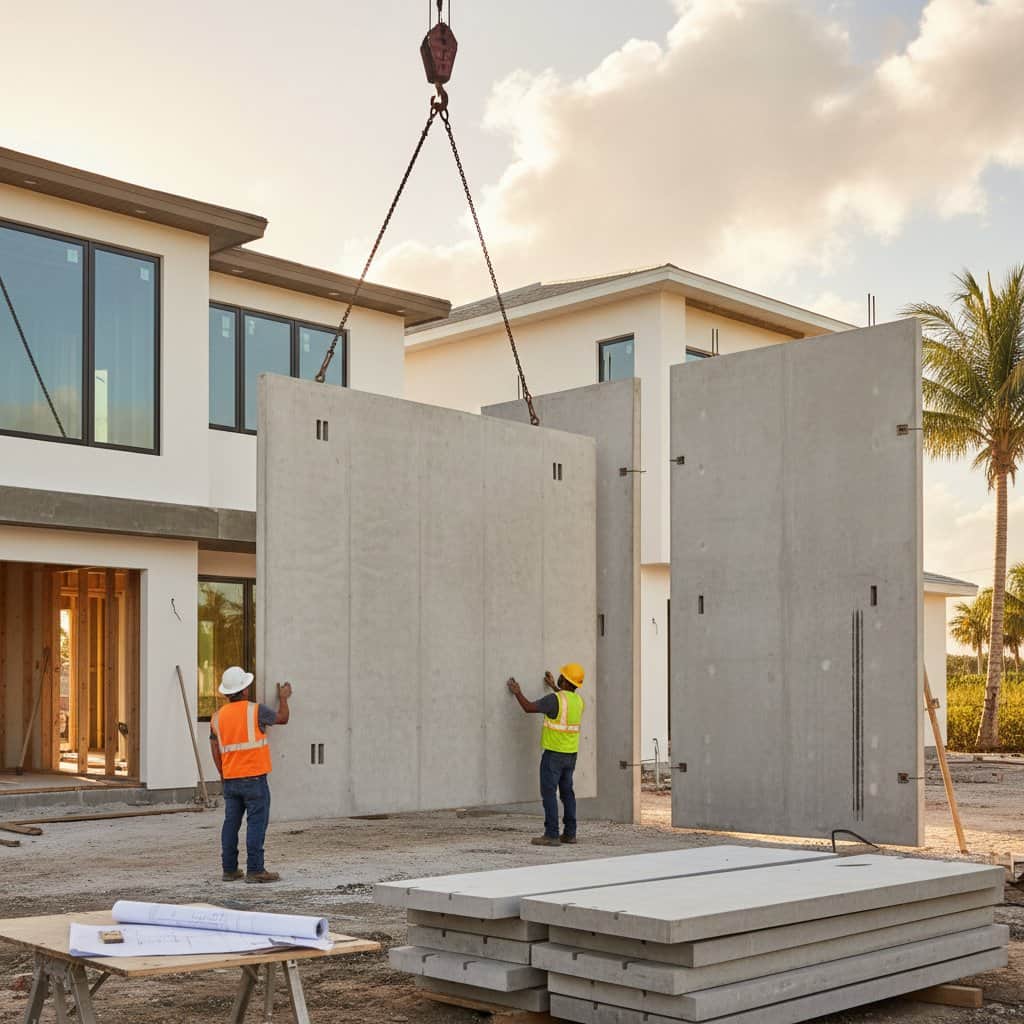
Concrete delays pose significant challenges to construction timelines, yet viable alternatives exist to prevent project stagnation. Options including engineered wood, precast panels, steel frames, fiber-reinforced concrete, and rammed earth enable builders to proceed efficiently. By prioritizing flexibility, thorough planning, and awareness of material trade-offs, teams can safeguard budgets, sustain momentum, and transform potential disruptions into opportunities for enhanced construction strategies.
Hempcrete and mycelium emerge as innovative, plant- and fungi-derived materials that surpass traditional options in sustainability. They provide superior breathability, carbon sequestration, and biodegradability while boosting indoor health and reducing ecological impact. Homeowners and builders value these choices for their aesthetic appeal, efficiency, and alignment with green living principles.
Hempcrete and mycelium represent a shift in sustainable construction, offering lightweight materials that sequester carbon and provide natural insulation. These options create breathable, resilient structures that enhance comfort and reduce environmental impact. Although non-load-bearing, they integrate seamlessly into contemporary designs, presenting a viable alternative to conventional concrete for those prioritizing efficiency and ecological responsibility.
Insulated concrete forms (ICF) are reshaping home construction in 2025 by combining robust concrete strength with high-performance insulation. These systems create durable, energy-efficient walls that enhance comfort, reduce noise, and support sustainable designs. While upfront costs exceed traditional methods, the long-term benefits in efficiency and resilience position ICF as a leading choice for modern homes.
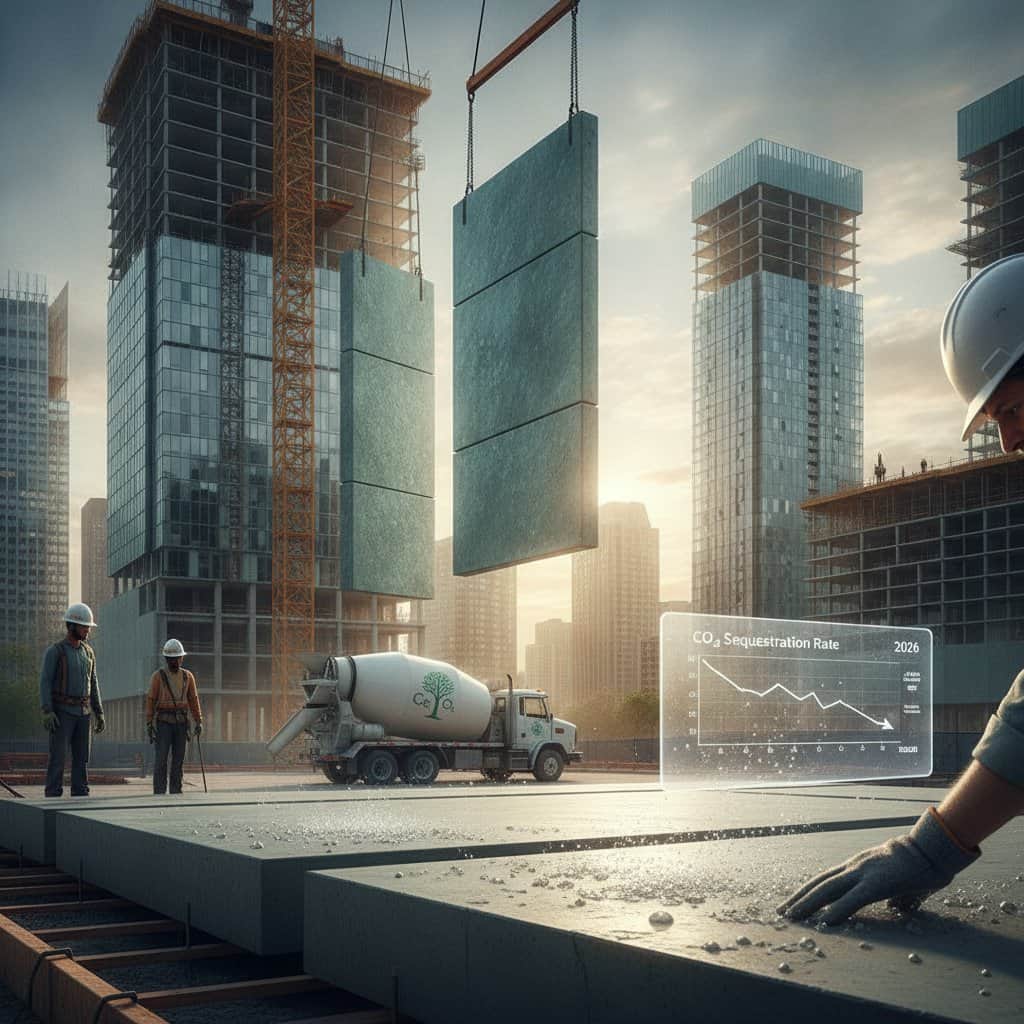
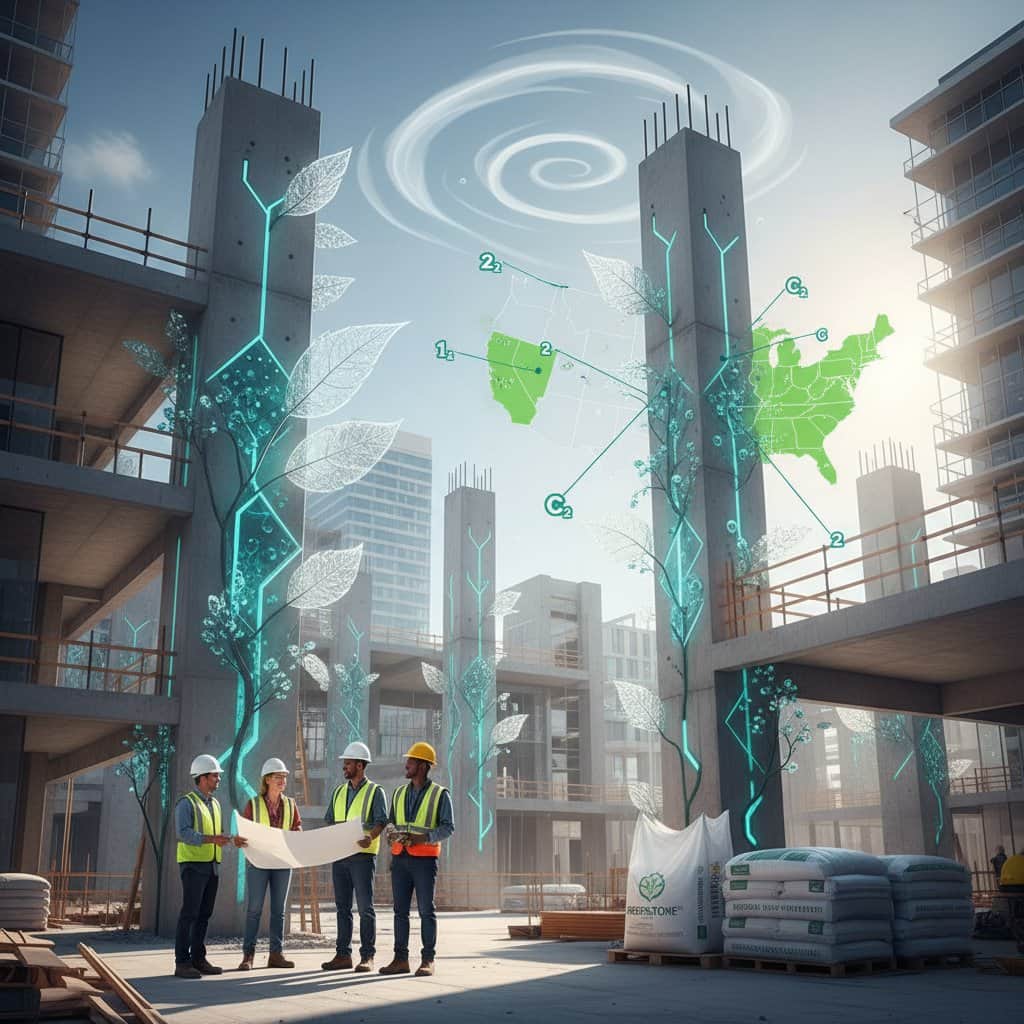
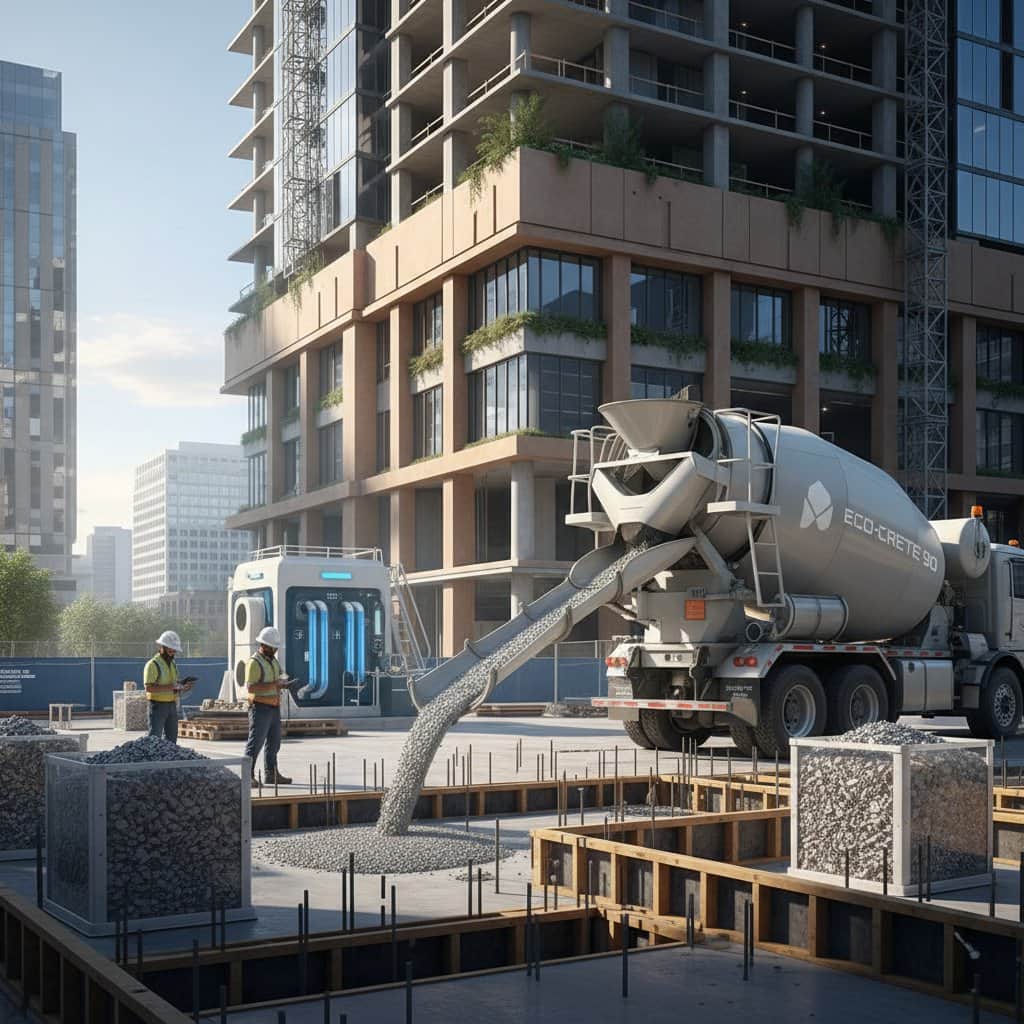
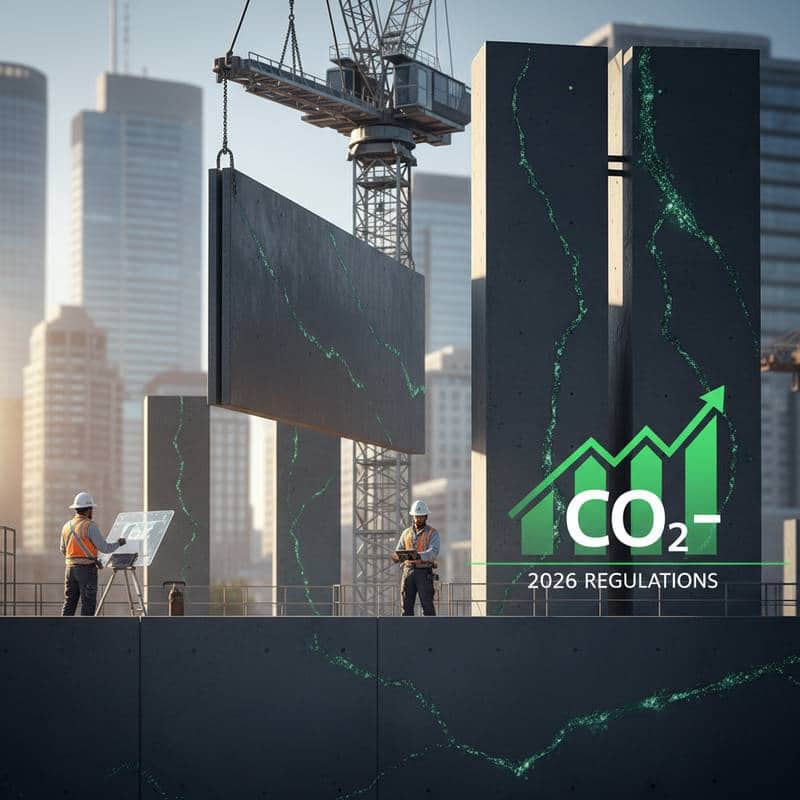
Carbon-negative concrete redefines foundations by absorbing carbon instead of emitting it. This robust material supports sustainable building, from patios to structural bases, blending performance with environmental responsibility.
Insulated concrete form (ICF) homes provide superior hurricane protection and potential insurance discounts in 2025. These robust, energy-efficient builds minimize damage risks, reduce energy expenses, and promote long-term financial benefits. Homeowners gain insights into insurer incentives, construction efficiencies, and strategies for resilient coastal properties.
Hempcrete and ashcrete revolutionize building practices by providing breathable, low-carbon materials derived from hemp and recycled fly ash. These options deliver superior insulation, durability, and comfort, enabling environmentally conscious designs without compromising on performance.
Insulated concrete forms deliver airtight, energy-efficient walls that reduce heating and cooling expenses by up to 60 percent in new homes. These structures merge concrete durability with seamless insulation for consistent comfort, resilience, and reduced noise, positioning them as an ideal option for sustainable, high-performance living.