Mass Timber Towers: How 2026 Codes Unlock Cost Savings and Benefits
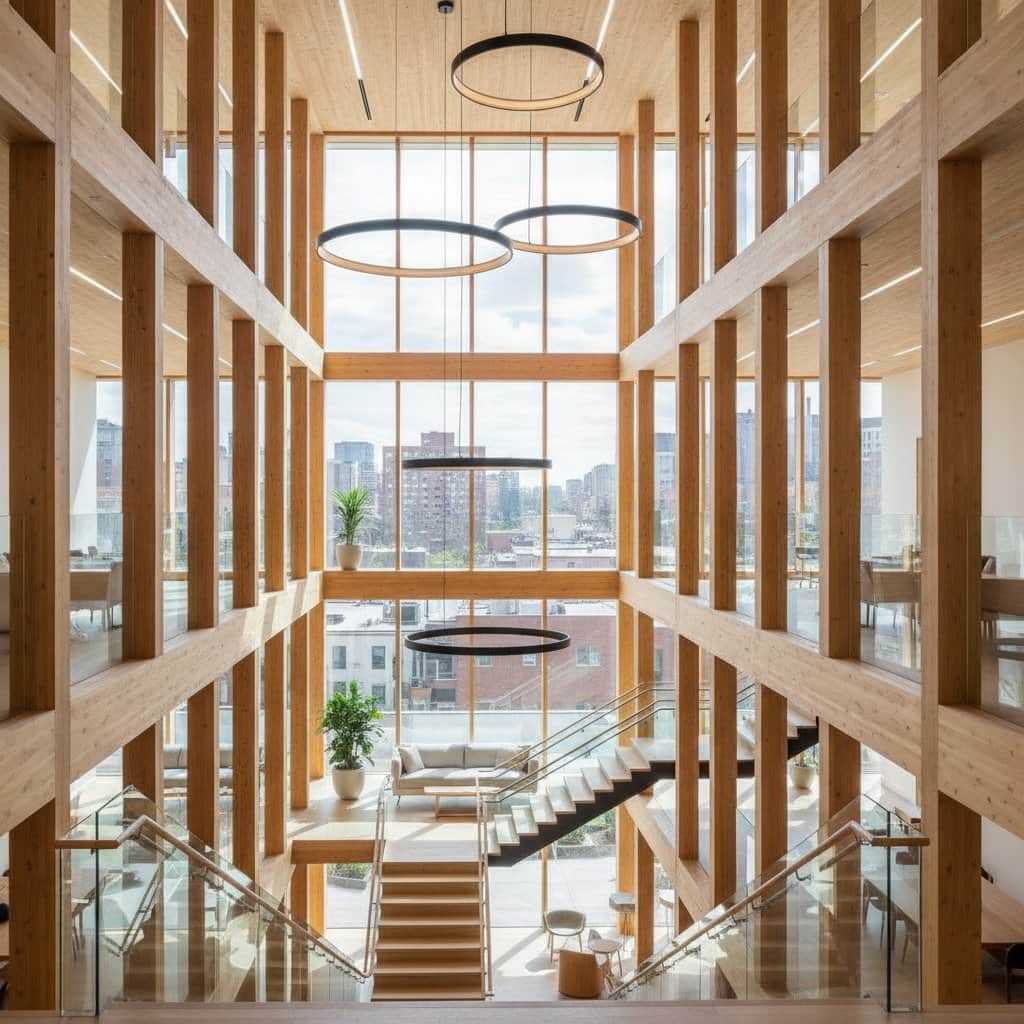
Imagine entering the lobby of a modern high-rise, where the subtle scent of cedar lingers and sunlight filters through warm, honey-toned wooden beams. The texture of wood beneath your fingertips contrasts with surrounding glass and steel, creating an inviting atmosphere. Mass timber towers now make such experiences possible in tall buildings, transforming urban architecture with natural materials.
Overcoming Height Restrictions
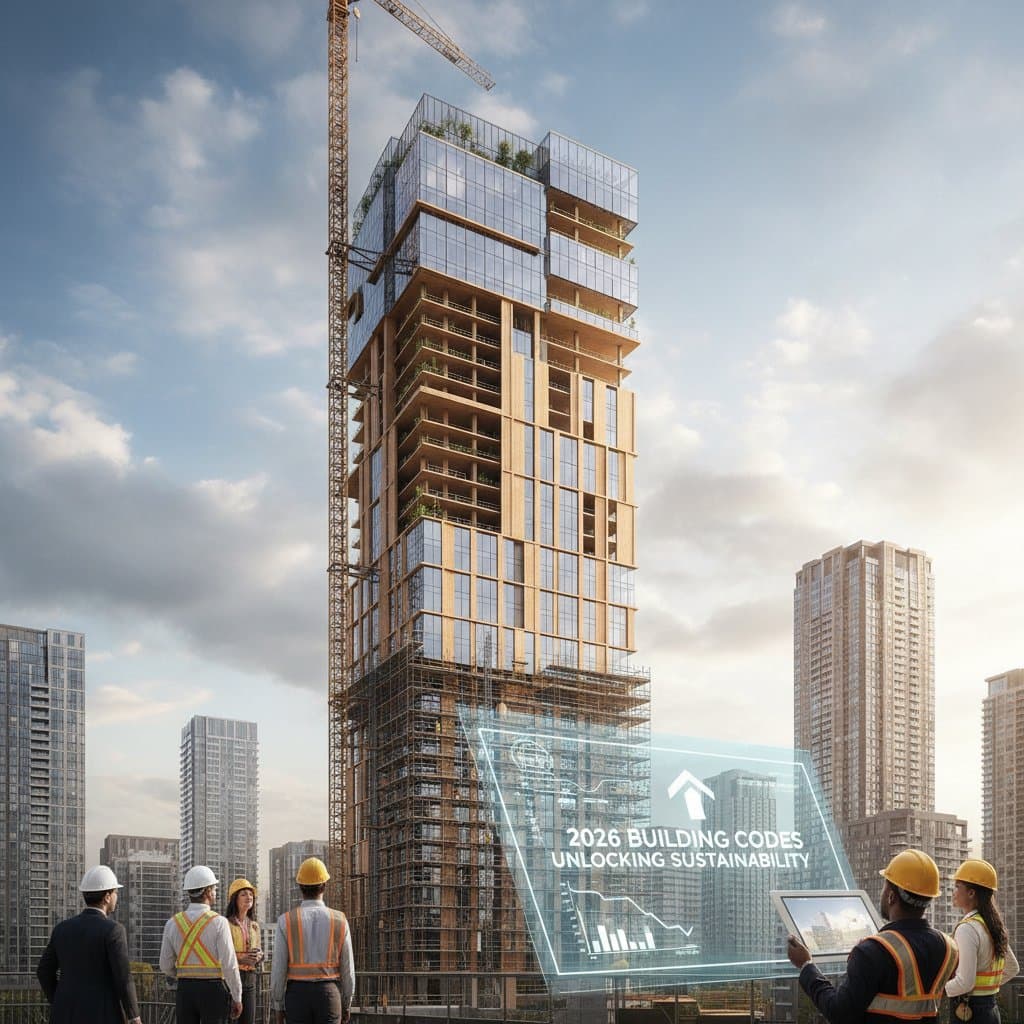
Building codes previously restricted timber construction to lower heights due to concerns over fire safety and structural integrity. These limitations confined mass timber applications to conceptual designs and academic studies. The 2026 code updates remove these barriers, permitting taller and broader timber structures while maintaining rigorous safety standards.
Developers and engineers benefit from expanded options that align with sustainability objectives. Timber shifts from a specialized material to a competitive choice for mid- and high-rise projects. This evolution fosters innovation in urban development.
Key Impacts of the Code Changes
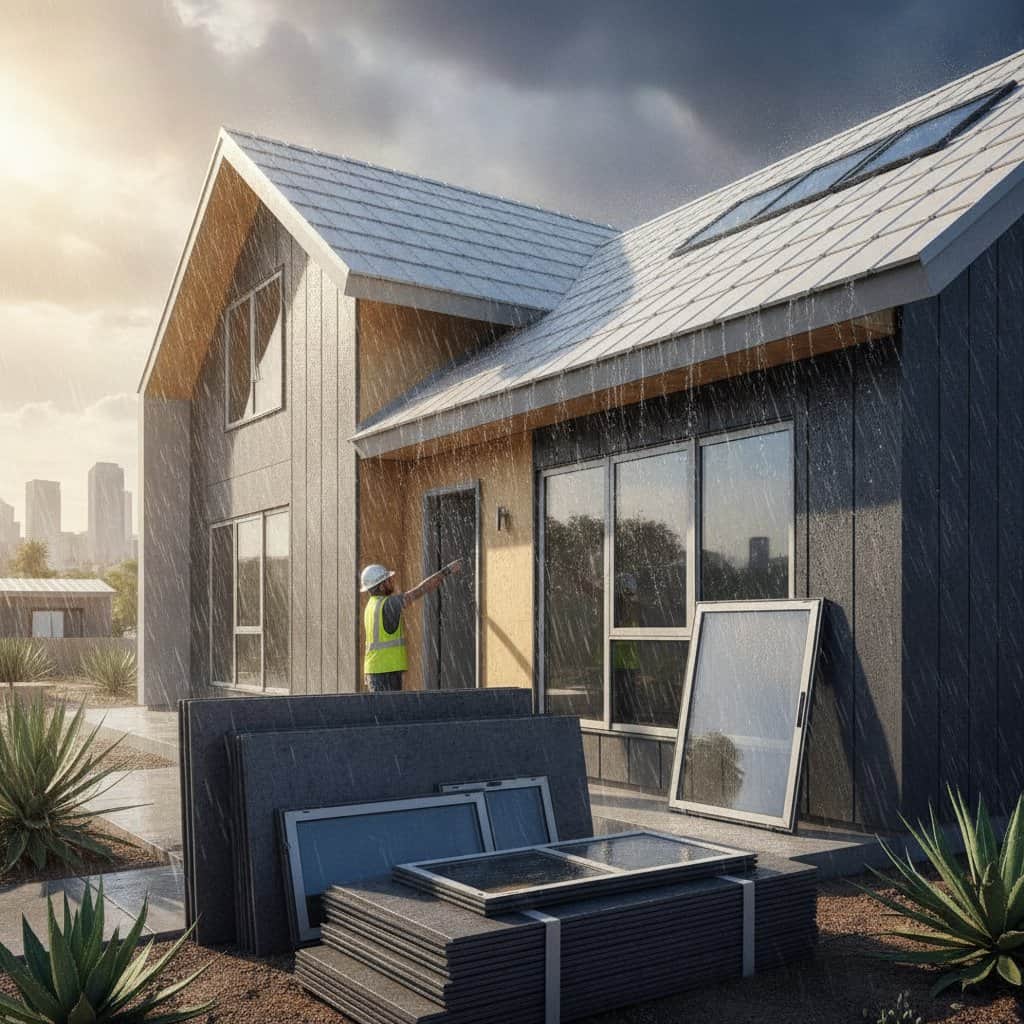
Mass timber consists of engineered wood products, such as cross-laminated timber (CLT), formed by bonding layers in orthogonal directions for enhanced strength. These panels rival concrete and steel in performance. The new codes authorize broader use of CLT and similar systems in high-rise frameworks.
Specific advantages include:
- Increased height limits: Timber serves as the primary structural element in buildings exceeding previous thresholds.
- Streamlined permitting: Projects advance more quickly from planning to groundbreaking.
- Standardized fire protocols: Clear guidelines minimize regulatory delays.
- Optimized material use: Reduced reliance on concrete and steel lowers overall expenses.
These provisions enable direct comparisons between timber and traditional materials. Developers gain tools to evaluate options based on performance rather than outdated constraints.
Economic Advantages of Timber Construction
Initial material costs for CLT panels often exceed those of reinforced concrete by 5 to 15 percent per square foot. However, overall project economics improve through accelerated timelines and reduced labor demands. Prefabricated panels assemble rapidly, shortening construction phases by 20 to 30 percent compared to on-site concrete work.
Additional savings arise from:
- Lighter weight: Shallower foundations require less excavation and reinforcement.
- Simplified interiors: Exposed timber surfaces eliminate separate finishing layers like drywall.
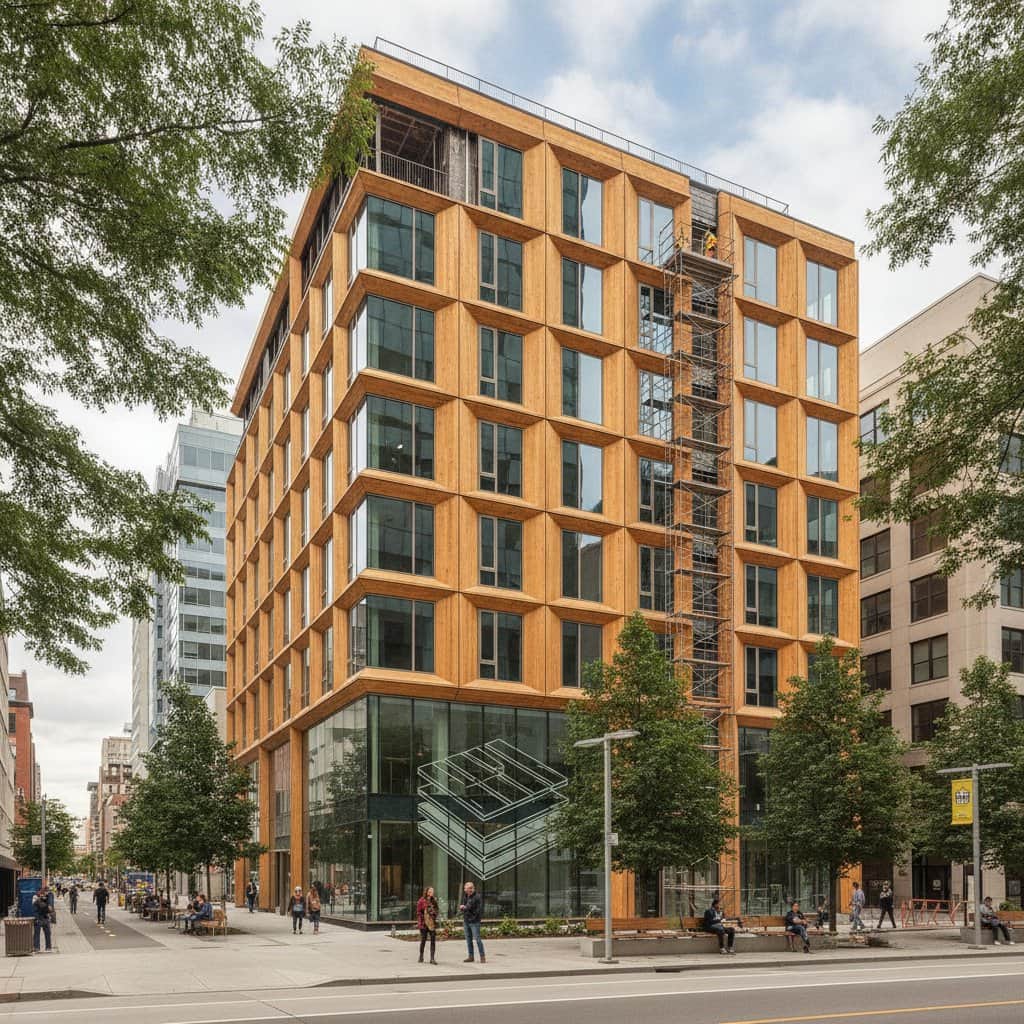
On a recent six-story CLT office project, framing completed several weeks ahead of schedule. Pre-cut panels arrived ready for efficient installation, minimizing site disruption and overlapping trades. As codes align with these efficiencies, timber becomes increasingly cost-effective.
Enhancing Design and User Experience
Architects value mass timber for its aesthetic and functional qualities. The natural grain and warmth of wood create dynamic interiors that contrast with the uniformity of concrete. This material supports expansive, open layouts through longer spans without intermediate supports.
Further benefits encompass:
- Sustainability: Wood sequesters carbon throughout its lifecycle, unlike emission-intensive alternatives.
- Well-being: Research indicates that natural environments in buildings improve occupant mood and productivity.
In urban settings, timber counters the monotony of steel and glass facades. A studio space within a timber-framed structure can evoke a sense of grounded comfort, enhancing daily experiences for residents and workers.
Essential Steps for Timber Projects
Builders and owners must address several factors to execute mass timber projects successfully.
- Select experienced teams: Engage engineers and contractors with proven CLT or glulam expertise, ideally certified through industry programs.
- Prioritize moisture management: Implement protective measures during shipping and erection to prevent warping or degradation.
- Navigate insurance updates: Leverage code-compliant designs to secure favorable premiums from adjusted risk models.
- Incorporate fire strategies: Rely on CLT's charring behavior for passive protection, supplemented by active systems like sprinklers.
- Plan supply logistics: Secure production slots early, as demand rises with code adoption.
North American manufacturers such as SmartLam, Freres, and Structurlam have scaled operations to meet growing needs. Local sourcing controls logistics costs and bolsters community economies.
Sustainability and Community Benefits
Responsible timber harvesting supports forest regeneration, providing a renewable resource absent in concrete production. Finished structures retain stored carbon, aiding municipal emissions goals. Construction processes generate minimal noise and waste, easing impacts on surrounding areas.
During a downtown timber office build, adjacent residents reported negligible disturbances. Quiet panel delivery replaced the clamor of traditional methods, fostering positive community relations.
Performance in Occupied Buildings
Timber high-rises offer superior acoustics, with softer sound transmission than rigid materials. Thermal mass stabilizes indoor temperatures, enhancing energy efficiency alongside advanced insulation. Maintenance involves routine cleaning; exposed surfaces require periodic dusting and sealing to preserve appearance.
In varied climates, these buildings achieve comparable or superior performance to concrete counterparts. Modern window systems complement wood's insulating properties, reducing operational costs over time.
Advancing Your Timber Project
The 2026 codes position mass timber as a viable solution for diverse developments. Consult architects versed in these regulations to integrate timber effectively. Evaluate modular prefabrication for further timeline gains.
Inspect existing timber buildings to assess material qualities firsthand. Feel the surfaces, observe light interactions, and evaluate spatial flow. With regulatory support and proven efficiencies, mass timber shapes a more sustainable and inviting urban future.