Loading...

Hempcrete Walls Gain 2026 Building Code Approval | multihb.com | Multi HB - Home Building, Construction Trends, Financing New Homes
Skip to main content
MULTI HB
HomeBudgeting & FinancingConstruction Materials & MethodsConstruction TrendsContractors & Project ManagementSearch
  1. Home
  2. /
  3. Construction Materials & Methods
  4. /
  5. Hempcrete Walls Finally Approved in Building Codes
Construction Materials & Methods

Hempcrete Walls Finally Approved in Building Codes

Your comprehensive resource for home building expertise, construction insights, and financing strategies to help you build your dream home efficiently and cost-effectively.

Categories

Budgeting & FinancingConstruction Materials & MethodsConstruction TrendsContractors & Project ManagementDesign & Floor PlansHome Building BasicsHomeowner Tips & MaintenanceInspections & Quality Checks

Links

  • Home
  • Search Articles
  • About Us
  • Privacy Policy
  • Terms of Service

© 2026 Multi HB. All rights reserved.

by
Becca Woods
2026-04-21 04:29:19April 21, 2026
4 min read
Featured image for Hempcrete Walls Finally Approved in Building Codes
2026-04-21 04:29:19
Multi HB - Home Building, Construction Trends, Financing New Homes

Hempcrete Walls Secure Official Building Code Approval

Imagine entering a home where the walls maintain steady warmth during winter and coolness in summer. The air quality improves, and sounds soften naturally. Builders and homeowners have pursued this experience through hempcrete, and official building code approval now makes it accessible.

For many years, enthusiasts faced significant obstacles when attempting to incorporate hempcrete into construction projects. Although the material earned praise for its environmental benefits, it received limited formal acknowledgment in building regulations. Professionals often needed to secure special permissions, submit extensive documentation, and navigate unconventional approval processes. With the recent code approval for hempcrete walls, adoption of this natural, carbon-negative substance becomes far more straightforward.

Understanding Hempcrete's Composition and Role

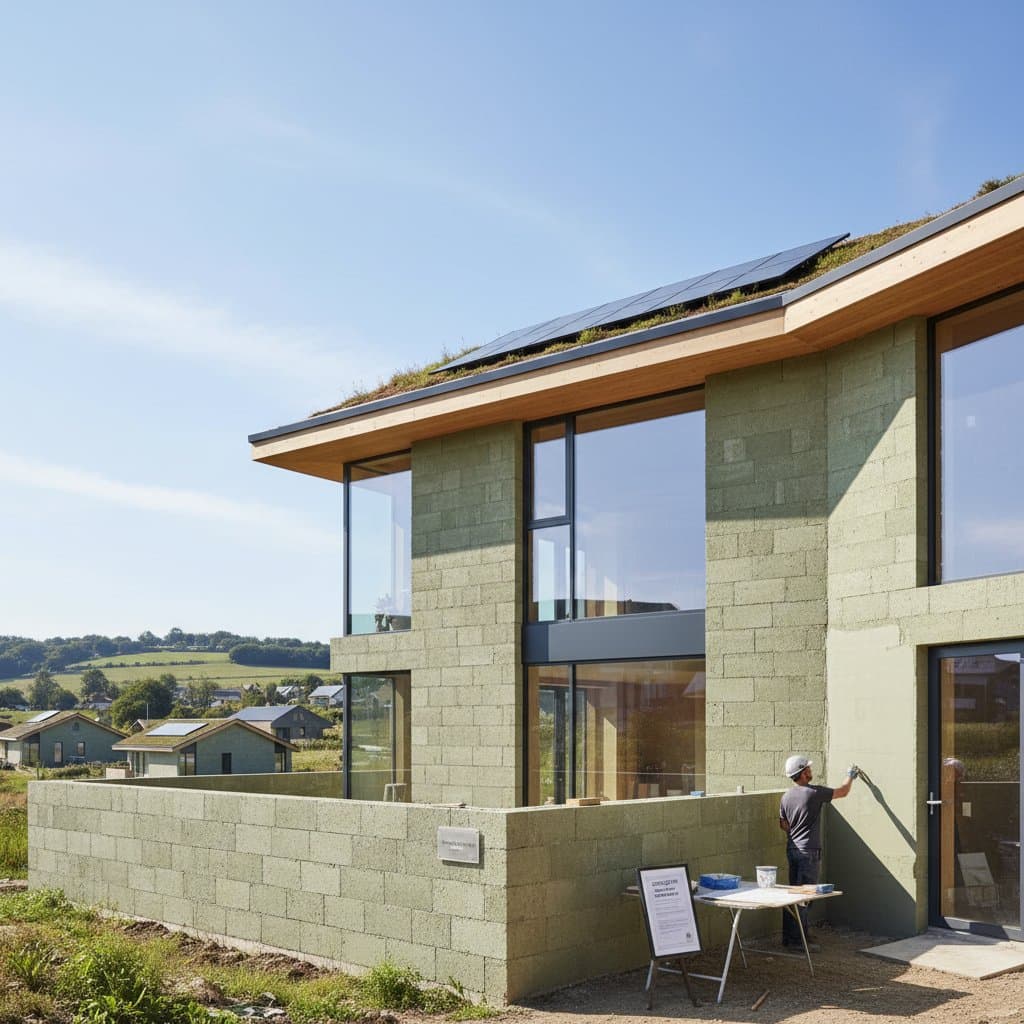
Hempcrete consists of hemp hurd, lime binder, and water. After curing, it creates a lightweight, permeable wall system that manages temperature and humidity effectively. This material does not bear structural loads, so it integrates seamlessly with timber or steel frameworks. The finished walls provide a firm yet tactile surface, often enhanced by subtle textures that reflect light softly.

Professionals frequently apply hempcrete in renovations, such as filling spaces between timber studs in cottage extensions. The mixing process releases an earthy aroma from the lime and hemp components. Upon drying, spaces achieve thermal equilibrium, resisting fluctuations from external weather conditions.

The Impact of Code Recognition

Official code inclusion eliminates the need for repeated validation of hempcrete's suitability in construction. This development accelerates permitting and inspection procedures. Suppliers and financial institutions gain assurance, viewing hempcrete as a viable option rather than an unconventional selection.

Homeowners benefit from reduced administrative hurdles in planning hempcrete projects. The approval encourages training programs for tradespeople, improving availability of materials and expertise. Regions with growing interest now see increased stock from local providers and educational workshops for participants.

Step-by-Step Guide to Constructing with Hempcrete

Individuals planning a hempcrete project should follow these structured steps to ensure proper implementation:

  1. Establish the framework. Since hempcrete lacks structural strength, construct a robust timber or steel skeleton first to support the building.

  2. Prepare the mixture on location. Blend hemp hurd, lime binder, and water using a mechanical mixer until the consistency resembles damp, fluffy soil.

  3. Apply and compact the material. Transfer the mixture into formwork surrounding the frame, either by pouring or manual packing, then compact it lightly to achieve uniform density.

  4. Facilitate curing process. Allow the hempcrete to dry completely over several weeks, ensuring adequate airflow to promote even hardening.

  5. Select appropriate finishes. Apply lime-based plaster, clay renders, or permeable paints to maintain the wall's breathability; steer clear of moisture-trapping sealants.

Projects like small residential structures often align in cost with advanced insulation alternatives. Expect expenses similar to those for premium spray foam insulation paired with exterior siding, though material prices fluctuate based on regional availability.

Key Advantages of Hempcrete in Practice

Hempcrete delivers multiple practical enhancements that extend past its ecological profile:

  • Thermal insulation: Superior heat retention reduces energy demands for heating and cooling systems.

  • Humidity management: The permeable structure prevents mold growth by facilitating vapor exchange.

  • Fire safety: Lime components contribute inherent resistance to flames and high temperatures.

  • Acoustic performance: The material absorbs noise, fostering serene indoor atmospheres.

  • Durability: Well-constructed installations endure for decades, requiring only basic maintenance.

Maintenance involves gentle cleaning with a soft brush or extendable duster. Hempcrete surfaces accumulate minimal dust compared to traditional drywall, and repairs use simple limewash applications.

Integrating Hempcrete into Sustainable Living

Code approval positions hempcrete as a standard choice for forward-thinking builders. Designs can prioritize health, stability, and environmental harmony without regulatory conflicts. As adoption grows, communities witness expanded resources, from material distribution to hands-on training sessions.

Opting for hempcrete supports a methodical approach to construction, yielding enduring aesthetic and functional rewards. For those envisioning residences connected to natural principles, this advancement provides the opportunity to realize such visions effectively.

You Might Also Like

USDA Loans Now Bundle Solar Into Rural Construction Financing

Mass Timber Towers: 2026 Codes Unlock Costs & Gains

Why Builder Rate Locks Dropped to Just Seven Days

Mass Timber Brings Warmth and Carbon Storage to High-Rises

12 States Now Require Carbon-Neutral Concrete

Tagged:

materials,construction,hempcrete,alternative,building,homes,hempcrete-construction,carbon,negative,alternative-building-materials

Recent Articles by Becca Woods

Image for Builder Rate Buydowns Slash Monthly Payments

Builder Rate Buydowns Slash Monthly Payments

April 21, 2026
Image for Mass Timber Towers: 2026 Codes Unlock Costs & Gains

Mass Timber Towers: 2026 Codes Unlock Costs & Gains

April 19, 2026
Image for The 2-1 Buydown: Save $40K on Your First Two Years

The 2-1 Buydown: Save $40K on Your First Two Years
April 19, 2026
Image for Save $40K on Your Mortgage with a 2-1 Buydown

Save $40K on Your Mortgage with a 2-1 Buydown

April 18, 2026
Image for Builder-Paid Mortgages: The Buydown Strategy Explained

Builder-Paid Mortgages: The Buydown Strategy Explained

April 17, 2026

Related: materials

Image for 12 States Now Require Carbon-Neutral Concrete

12 States Now Require Carbon-Neutral Concrete

April 15, 2026
Image for Biochar Concrete Locks Carbon Inside Your Home's Walls

Biochar Concrete Locks Carbon Inside Your Home's Walls

April 1, 2026
Image for Hempcrete Walls Lock Carbon While Fireproofing Your Home

Construction Materials & Methods

Hempcrete Walls Finally Approved in Building Codes

Hempcrete walls achieve formal building code approval in 2026, advancing sustainable building practices. This innovative, carbon-negative material enhances natural insulation, moisture control, and comfort, enabling seamless integration into mainstream eco-conscious architecture.

April 21, 2026

12 States Now Require Carbon-Neutral Concrete

Twelve states enforce carbon-neutral concrete requirements for public works, transforming construction practices. This guide details sustainable options that maintain performance, reduce costs over time, and position homes for future market demands in green building.

April 15, 2026

Biochar Concrete Locks Carbon Inside Your Home's Walls

Set to debut in 2026, carbon-negative homes incorporate biochar into concrete and insulation to sequester carbon permanently. These designs combine breathable interiors, energy-efficient features, and natural appeal, delivering lower emissions, enhanced durability, and meaningful environmental benefits.

April 1, 2026

Hempcrete Walls Lock Carbon While Fireproofing Your Home

Categories

Budgeting & Financing
Construction Materials & Methods
Construction Trends
Contractors & Project Management
Design & Floor Plans
Home Building Basics
Homeowner Tips & Maintenance
Inspections & Quality Checks
Renovation & Additions
Sustainability & Energy Efficiency
Hempcrete Walls Lock Carbon While Fireproofing Your Home
March 31, 2026
Image for Carbon-Negative Concrete Now Available in 12 States

Carbon-Negative Concrete Now Available in 12 States

March 17, 2026
Image for Carbon-Neutral Concrete Cuts Emissions While You Build

Carbon-Neutral Concrete Cuts Emissions While You Build

March 14, 2026

Hempcrete walls transform sustainable construction with fireproof protection, carbon sequestration, and natural insulation. Composed of hemp, lime, and water, they maintain comfortable temperatures, deter mold, and improve air quality. Despite higher upfront costs, the enduring energy efficiency and environmental advantages position hempcrete as an ideal option for resilient, forward-looking residences.

March 31, 2026

Carbon-Negative Concrete Now Available in 12 States

Carbon-negative concrete revolutionizes building in twelve states by sequestering carbon during curing. This durable, attractive material matches traditional performance while advancing environmental goals for communities.

March 17, 2026

New Codes Allow Mass Timber Buildings Up to 18 Stories

Updated 2026 codes permit mass timber buildings up to 18 stories, revolutionizing sustainable high-rise development. Lighter and more eco-friendly than steel or concrete, these structures accelerate construction while demanding expertise in fire safety and design integration for optimal results.

March 16, 2026

Carbon-Neutral Concrete Cuts Emissions While You Build

Carbon-neutral concrete reshapes sustainable home design by 2026, combining strength, aesthetic appeal, and environmental benefits. Incorporating recycled materials and carbon-capture methods, this innovative option offsets production emissions and provides long-lasting, refined surfaces. Homeowners achieve modern, efficient interiors that prioritize sustainability without sacrificing style.

March 14, 2026

New Building Codes Help Homes Withstand Storms and Fires

The 2026 building codes elevate home durability with enhanced wind resistance, fire-resistant features, and robust structural designs. Innovations such as impact-resistant windows and ember-proof vents enable homeowners to construct secure, enduring residences. Understand how advanced materials, strategic planning, and targeted modifications foster protection and tranquility amid environmental challenges.

March 13, 2026

Hempcrete Earns Code Approval for Green Building

Hempcrete achieves code approval, advancing sustainable building. Composed of hemp, lime, and water, it provides insulation, moisture control, and carbon sequestration. This milestone enables builders to deliver energy-efficient, comfortable spaces that meet modern standards.

March 13, 2026

Hempcrete Gets Building Code Approval for Legal Use

The approval of hempcrete under building codes represents a significant advancement in sustainable construction practices. Composed of hemp hurds, lime, and water, this material delivers breathability, carbon-negative properties, and effective insulation. With this legal recognition, builders gain the confidence to integrate hempcrete into projects, shifting eco-friendly building toward widespread adoption and environmental benefits.

March 12, 2026

Hempcrete Now Legal in 15 More States for Building

Hempcrete, a sustainable building material derived from hemp, lime, and water, gains legal status in 15 more states. This development enables local production, reduces expenses, and promotes energy-efficient designs. As a durable, mold-resistant option, hempcrete advances carbon-negative construction for modern homes.

March 12, 2026

Hempcrete Walls Absorb Carbon While They Insulate

Hempcrete redefines sustainable construction by delivering breathable, carbon-negative walls that offer natural insulation and enduring appeal. Builders increasingly turn to this hemp-lime composite for its robustness, indoor comfort, and aesthetic versatility. As education programs grow and pricing stabilizes, industry forecasts indicate a significant expansion in hempcrete applications by 2026.

March 10, 2026

Mass Timber Brings Warmth and Carbon Storage to Apartments

Mass timber redefines multi-family high-rises through sustainable engineering, natural aesthetics, and efficient building processes. This material enables lighter frameworks, lower emissions, and interiors that foster a sense of warmth and connection to nature. By 2026, urban developments increasingly adopt mass timber to balance innovation with environmental responsibility.

March 8, 2026

2026 Concrete Cuts Builder Emissions by 90 Percent

The innovative 2026 concrete mix reduces construction emissions by up to 90 percent without compromising strength or aesthetics. Incorporating recycled materials, captured carbon, and efficient sourcing, it matches traditional concrete performance while positioning building practices as a key climate solution. Learn how these sustainable bases are redefining the construction landscape, one application at a time.

March 6, 2026

Mass Timber Towers Reach 18 Stories in 2026 Code Change

New 2026 building codes permit mass timber towers up to 18 stories, revolutionizing urban construction. This engineered wood solution delivers sustainability, rapid assembly, and aesthetic appeal, enabling developers to create lighter, carbon-sequestering buildings that enhance cityscapes.

March 5, 2026

Building Homes That Withstand Fire and Flood

2026 building codes transform home construction with fire- and flood-resistant innovations. Non-combustible exteriors, elevated bases, and ember barriers ensure safety, aesthetics, and eco-friendliness, empowering owners to secure assets and embrace weather challenges confidently.

March 4, 2026

12 States Now Require Carbon-Negative Concrete

Twelve U.S. states now mandate carbon-negative concrete for public infrastructure, a breakthrough material that sequesters more CO2 than it emits. This guide covers its benefits, applications, and integration tips for greener construction projects.

February 28, 2026

CLT Panels Make 20-Story Wood Buildings Possible

Cross-laminated timber (CLT) revolutionizes skyscraper construction by enabling 20-story wood buildings that integrate structural strength, rapid assembly, and environmental benefits. Designed for enhanced fire resistance and sound insulation, CLT provides a natural, inviting alternative to steel and concrete, demonstrating that contemporary architecture can achieve high performance while fostering a connection to the natural world.

February 28, 2026

Mass Timber Builds: Faster, Greener Multi-Family Housing

Mass timber transforms multi-family housing through accelerated construction, minimized carbon emissions, and appealing wood-based aesthetics. Engineered products such as cross-laminated timber enable rapid project completion while promoting sustainability and drawing environmentally aware tenants. With evolving regulations, this approach offers developers a forward-thinking option to redefine city dwellings by 2026.

February 27, 2026

Mass Timber Codes Expand Height Limits to Ten Stories

New 2026 building codes elevate mass timber to 10-story heights, challenging concrete and steel norms. Despite initial costs, gains in construction speed, lighter foundations, and exposed finishes deliver budget parity and superior sustainability.

February 25, 2026